Complete Guide to the CSU Class Schedule Fall 2026
(Note: This article focuses on the California State University system, providing comprehensive guidance for navigating the Fall 2026 course catalog, registration windows, and academic planning tools.) Navigating higher education requir...
(Note: This article focuses on the California State University system, providing comprehensive guidance for navigating the Fall 2026 course catalog, registration windows, and academic planning tools.)
Contents
Navigating higher education requires precision, strategic planning, and a deep understanding of institutional frameworks. For students preparing for the Fall 2026 semester across the twenty-three campuses of the California State University (CSU) system, early access to accurate academic data is essential for timely graduation. The CSU class schedule for Fall 2026 serves as the primary roadmap for enrollment, financial aid verification, and degree progression. Understanding how to interpret course codes, manage prerequisites, and secure seats in high-demand classes can mean the difference between staying on track for a four-year graduation path or facing unexpected academic delays.
Understanding the CSU Fall 2026 Academic Framework
The California State University system operates on a complex matrix of semester and quarter calendars, though the vast majority of campuses transitioned to semester systems. The Fall 2026 term officially kicks off the academic year, bringing updated course offerings, modified general education (GE) requirements, and new hybrid learning formats.
Students must familiarize themselves with the official university portals—such as MyCSU, Student Center, or campus-specific equivalents like Titan Online, MySacState, or BroncoDirect—to view real-time class availability. The schedule of classes is not static; it undergoes continuous updates during the priority registration and open enrollment phases.
Core Components of a CSU Course Listing
When reviewing the Fall 2026 course catalog, every listing contains specific technical identifiers that dictate whether a course fits into your graduation roadmap. Misinterpreting these fields can lead to registration blocks or enrollment in non-applicable credits.
- Course Subject Code and Number: A standard four-letter departmental prefix (e.g., BIOL for Biology,ENGL for English) followed by a numbering system where 100-99 represent lower-division undergraduate courses, 300-499 represent upper-division courses, and 500+ designate graduate-level study.
- Section Numbers: Typically indicate the delivery mode or instructor. For instance, sections 01 through 49 often denote traditional face-to-face classes, sections 50 through 79 frequently designate hybrid or evening offerings, and sections 80 through 99 generally represent fully asynchronous or synchronous online instruction.
- Instructional Mode Code: Explicitly states whether the class meets in person, entirely online, or via a blended format. With universities refining post-pandemic delivery, checking this designation prevents unexpected on-campus attendance requirements for online-enrolled students.
- Component Type: Clarifies whether the scheduled time is a Lecture, Activity, Discussion, or Laboratory. Many science and engineering courses require concurrent enrollment in both a lecture and a lab section.
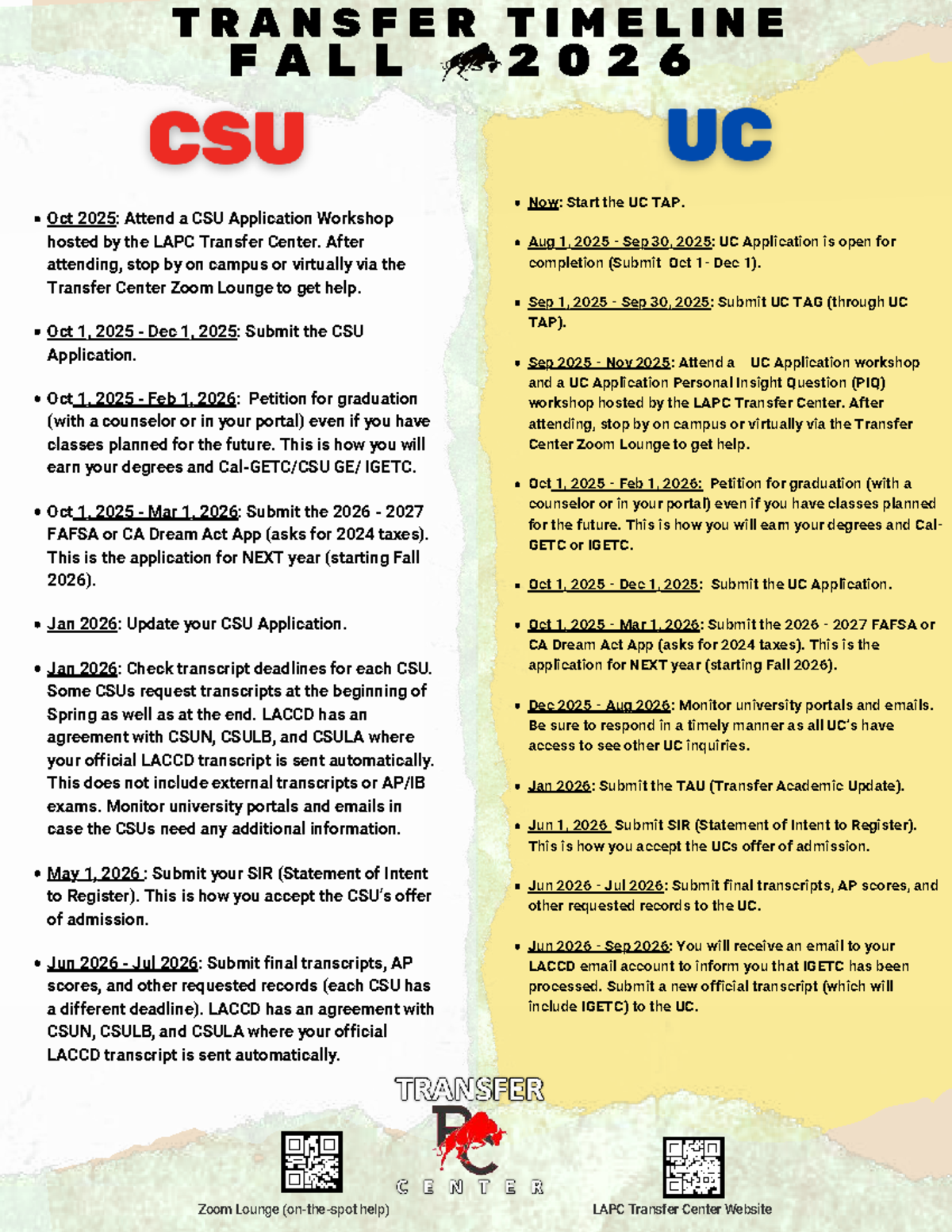
Fall 2026 Registration Timeline and Priority Windows
Securing classes for the Fall 2026 term requires strict adherence to institutional calendars. Registration appointments are assigned based on class standing, earned units, and priority status groups such as military veterans, student-athletes, accessibility resource center (ARC) participants, and graduating seniors.
Important Registration Advisory: Priority registration appointments are non-negotiable. Missing your designated window drastically reduces your chances of securing required upper-division major courses. Always clear any financial, academic, or administrative holds on your student account at least two weeks before your registration date.
Fall 2026 Critical Academic Milestones
| Milestone Phase | Approximate Window | Strategic Action Items |
|---|---|---|
| Schedule of Classes Release | March 2026 – April 2026 | Review the public search portal, build tentative schedule drafts, and check prerequisite chains. |
| Advising Holds Lifted | April 2026 – May 2026 | Schedule mandatory meetings with your major and general education academic advisors. |
| Priority Registration Windows | April 2026 – June 2026 | Enroll immediately when your specific timestamp opens in the student portal. |
| Open Registration & Add/Drop | August 2026 – September 2026 | Fine-tune schedules, pick up waitlisted classes, and finalize financial aid disbursement alignment. |
Strategic Course Planning and Prerequisite Management
Encountering a "Prerequisite Not Met" error during the Fall 2026 registration cycle is one of the most common hurdles students face. CSUs enforce strict automated checks through their registration software. If you completed a prerequisite course at a California Community College (CCC), you must verify that the articulation agreement is active via ASSIST.org.
Best Practices for Building an Optimized Schedule
- Map Your Critical Path First: Prioritize core major requirements that are only offered once per academic year. General education electives can easily be swapped or taken during winter or summer terms if necessary.
- Utilize Degree Audit Tools: Run a fresh degree audit report (such as Degree Progress or Smart Planner) before building your schedule to ensure every chosen course directly contributes to your specific catalog year graduation requirements.
- Build Balanced Workloads: Combine rigorous quantitative or lab-heavy courses with writing-intensive or lower-division electives to maintain a sustainable GPA and prevent academic burnout.
- Monitor Waitlists Actively: If a required Fall 2026 class is full, place yourself on the waitlist immediately. Movement on waitlists typically accelerates during the week prior to tuition fee payment deadlines when non-paying students are purged from rosters.
Comparing CSU Learning Modalities for Fall 2026
The instructional landscape across the 23 CSU campuses offers multiple modalities to accommodate diverse student needs, work schedules, and commuting realities. Evaluating which format suits your learning style is critical before locking in your Fall 2026 schedule.
| Modality Type | Description | Pros | Cons |
|---|---|---|---|
| Traditional Face-to-Face | Scheduled physical classroom meetings at designated campus buildings. | Direct peer interaction, immediate faculty access, hands-on lab access. | Commute times, strict parking requirements, fixed scheduling. |
| Fully Asynchronous Online | No set meeting times; coursework completed via Canvas or Blackboard by weekly deadlines. | Maximum flexibility for working students and parents. | Requires high self-discipline, limited real-time clarification from professors. |
| Synchronous Virtual | Classes meet via Zoom or MS Teams at specific scheduled days and times. | Combines real-time lectures with remote accessibility, eliminating transit time. | Screen fatigue, reliance on stable high-speed internet connections. |
| Hybrid / Blended | Combines physical in-person meetings with online module components. | Balances hands-on learning experiences with schedule flexibility. | Complex scheduling coordination, potential conflicts with commuting blocks. |
Frequently Asked Questions
When does the CSU class schedule for Fall 2026 become publicly available?
The schedule of classes typically goes live on campus student portals between March and April 2026, allowing students to review offerings and plan ahead of their registration appointments. Checking early helps identify new course additions and section changes.
How do I resolve a prerequisite error when trying to register for a Fall 2026 course?
First, verify that your transfer credits have been fully evaluated and posted to your transcript. If you meet the requirement via a transfer course or departmental exception, submit an electronic prerequisite override petition through your student portal or contact the specific academic department office.
Can I register for classes at another CSU campus through cross-enrollment for Fall 2026?
Yes, eligible undergraduate students who have completed at least one term at their home campus can utilize the CSU Fully Online or Campus Cross-Enrollment programs. This allows you to take select online courses across the system if your home campus has seat limitations.
What should I do if all sections of a mandatory major course are full?
Immediately add yourself to the waitlist and notify your major department advisor. Departments often monitor waitlist demand closely during the summer months and frequently open additional sections or increase seat caps if verifiable bottlenecks threaten student graduation timelines.
How does financial aid disbursement affect my Fall 2026 course schedule?
Your financial aid award package is tied to your enrollment status (full-time, three-quarter time, or half-time). Enrolling below your intended unit threshold before the census date can result in a recalculation or reduction of your financial aid disbursement, so ensure your schedule matches your financial aid requirements.
Where can I find official textbook requirements for my Fall 2026 classes?
Official textbook adoption lists and ISBN numbers are linked directly through the campus bookstore portal or integrated into the specific course details within your student center schedule view approximately 4 to 6 weeks before the semester starts.
Securing Your Academic Success
Navigating the complexities of the CSU class schedule for Fall 2026 demands proactive engagement, regular consultation with academic advisors, and careful monitoring of registration deadlines. By utilizing official campus portals, understanding prerequisite structures, and planning your weekly modalities strategically, you can eliminate registration friction and maintain a direct, efficient trajectory toward your academic degree. Log into your student center today, verify your registration appointment time, and build a Fall 2026 schedule tailored for success.
Image Gallery