Guide to Capturing a Spirit Bear Photo: Wildlife Photography in the Great Bear Rainforest
To capture a high-quality spirit bear photo, you must travel to the Great Bear Rainforest in British Columbia during the autumn salmon run, typically from late August through October. Success requires booking indigenous-led tours, util...
To capture a high-quality spirit bear photo, you must travel to the Great Bear Rainforest in British Columbia during the autumn salmon run, typically from late August through October. Success requires booking indigenous-led tours, utilizing weather-sealed professional camera gear with 400mm+ focal lengths, and employing specific exposure compensation techniques to ensure the bear's rare white fur is not underexposed against the dark forest backdrop.
Contents
Understanding the Subject: The Rare Kermode Bear
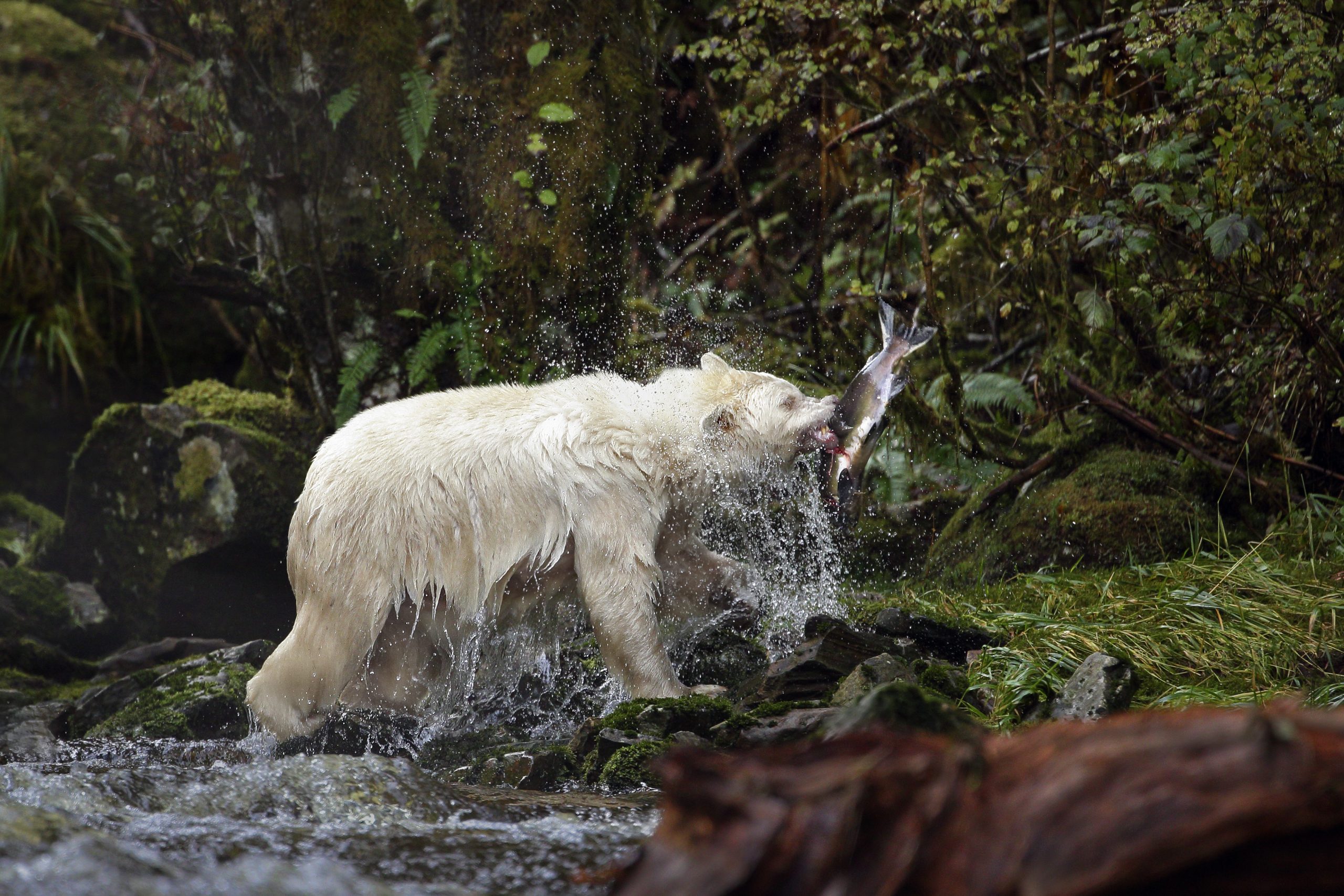
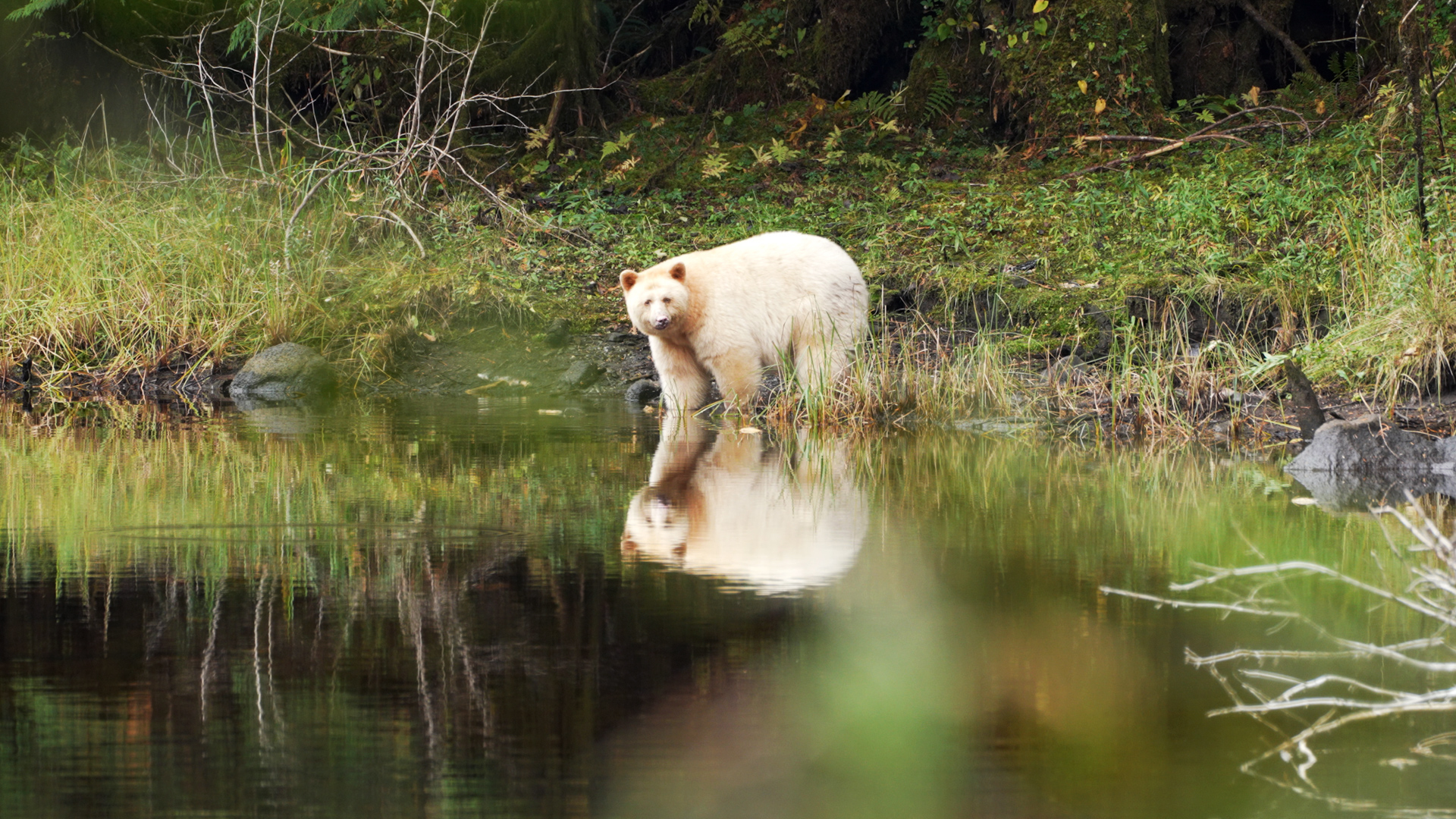
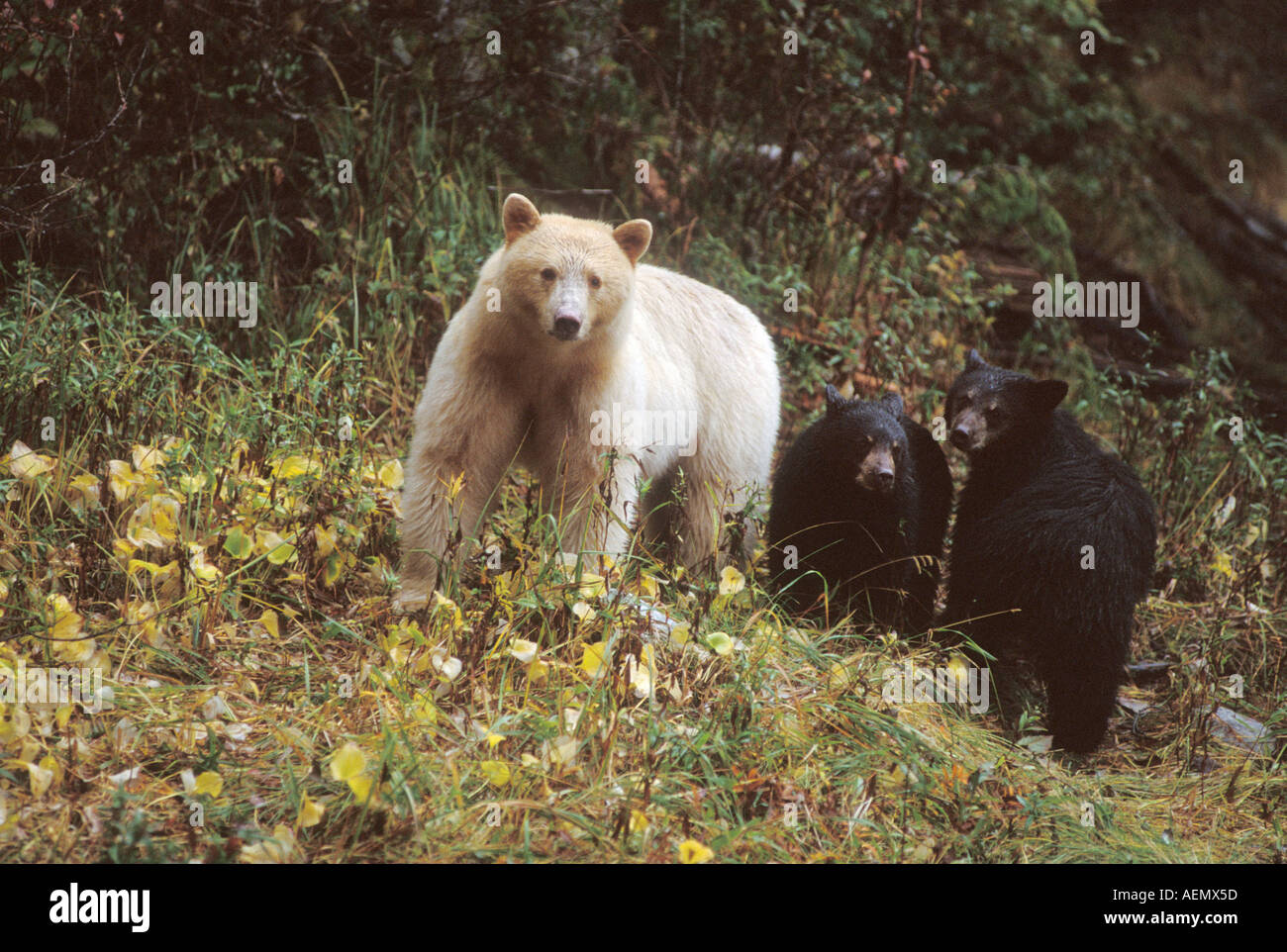
The "spirit bear" is not a polar bear or an albino; it is a rare subspecies of the North American black bear (Ursus americanus kermodei). Its distinctive creamy-white or white-gold fur is the result of a unique recessive gene found almost exclusively in the Great Bear Rainforest of British Columbia. For wildlife photographers, the spirit bear represents one of the most elusive and culturally significant subjects in the world.
In 2026, conservation efforts remain paramount. Scientists estimate that fewer than 400 white Kermode bears exist in the wild, though some estimates are even more conservative. This rarity makes the quest for a spirit bear photo a pinnacle achievement for natural history photographers. The white coat offers a biological advantage: research has shown that spirit bears are more successful at catching salmon during the day than their black-furred counterparts, likely because their white coat is less visible to fish against the bright sky.
Geographic Logistics: Where to Find the Spirit Bear
The search for the spirit bear is confined to a specific, rugged region of the British Columbia coast. The "Great Bear Rainforest" is a vast temperate rainforest stretching from the northern tip of Vancouver Island to the Alaska border. However, the highest concentration of the white-coated Kermode bears is found on a few specific islands:
- Princess Royal Island: The primary habitat and the most famous location for sightings.
- Gribbell Island: Known for a high frequency of the recessive gene among its bear population.
- Roderick Island: A secondary location often visited by specialized photography expeditions.
Accessing these areas is logistically complex. Most photographers begin their journey by flying into Bella Bella or Terrace, BC. From there, you must charter floatplanes or utilize coastal boat transfers to reach remote eco-lodges or live-aboard vessels. In 2026, the Kitasoo/Xai’xais and Gitga'at First Nations continue to manage the majority of the sustainable tourism in these territories, ensuring that bear viewing is conducted with minimal impact on the ecosystem.
Timing the Expedition: The Salmon Run Window
The probability of securing a clear spirit bear photo depends entirely on the timing of the Pacific salmon return. While bears are active from spring through autumn, they are most predictable when they congregate along the riverbanks to feed.
- Late August to Mid-September: Early salmon arrivals. The weather is often more stable, but the bears may still be deep in the forest.
- Late September to Mid-October: The peak window. This is the optimal time for photography. Bears are focused on hyperphagia (intense eating), making them less wary of photographers stationed at designated viewing areas.
- Late October: Increased activity but accompanied by severe weather. Heavy rains and shorter daylight hours can make photography technically challenging.
Technical Requirements for Professional Spirit Bear Photography
The environment of the Great Bear Rainforest is notoriously difficult for digital sensors and mechanical equipment. High humidity, constant drizzle, and low-light conditions under dense hemlock and cedar canopies require a specific technical approach.
Camera Body Specifications
In 2026, mirrorless systems have become the standard for this type of work. A camera with high ISO performance and advanced animal eye-tracking autofocus is essential. Because spirit bears often appear suddenly in dark clearings, a sensor with at least 12 to 14 stops of dynamic range is necessary to preserve the texture of the white fur while maintaining detail in the deep green shadows of the forest.
Lens Selection
- Primary Lens: A 400mm f/2.8 or 600mm f/4 prime lens is the gold standard. These "fast" apertures are critical for gathering light in the dark rainforest.
- Zoom Versatility: A 100-400mm or 200-600mm zoom lens is highly recommended for situations where the bear moves closer or for environmental portraits that include the massive Sitka spruce trees.
- Wide Angle: Do not overlook a 24-70mm lens for capturing the "sense of place"—the misty fjords and moss-covered riverbeds that define the habitat.
Mastering the Exposure
The most common mistake when taking a spirit bear photo is allowing the camera’s light meter to underexpose the white fur. Because the camera sees a large amount of dark forest, it will attempt to brighten the scene, which can "blow out" the highlights on the bear. Conversely, if the bear fills the frame, the camera may try to turn the white fur to 18% gray.
Pro Tip: Use manual exposure or dial in +0.7 to +1.3 exposure compensation. Monitor your "zebras" or histogram to ensure the white highlights on the bear’s back are not clipping.
Essential Gear for the Photographer
The Great Bear Rainforest is one of the wettest places on Earth. If your gear is not protected, the expedition will end prematurely.
- Lens Rain Covers: Heavy-duty, specialized rain covers (like those from Think Tank or LensCoat) are mandatory.
- Tripod/Monopod: While modern image stabilization is excellent, a sturdy carbon-fiber tripod is necessary for long waits and for shooting at slow shutter speeds during the dim "blue hour."
- Dry Bags: All equipment should be transported in airtight dry bags while on small boats (Zodiacs).
- Clothing: Professional-grade Gore-Tex outerwear, waterproof boots (Muck boots), and moisture-wicking layers are essential for staying in the field for 8-10 hours at a time.
Ethical Wildlife Photography Protocols
The Spirit Bear is a sacred entity to the local First Nations. Photographing them is a privilege, not a right. Professional ethics in 2026 dictate several non-negotiable rules:
- Maintain Distance: Federal and provincial guidelines, as well as First Nations protocols, generally require staying at least 30 to 50 meters away from the bears. Using a telephoto lens ensures you get "the shot" without altering the animal's behavior.
- Silence and Stillness: Spirit bears are sensitive to noise. Fast movements or loud talking can flush a bear back into the timber, ruining the opportunity for everyone in the group.
- No Baiting: Feeding or luring bears for a photo is strictly prohibited and carries heavy fines and lifetime bans from the territories.
- Guided Access: You cannot simply wander the islands. You must be with a licensed guide who understands bear body language and can ensure the safety of both the photographer and the animal.
Cost and Comparison: Planning Your Trip
Photography expeditions to the Great Bear Rainforest are significant investments. Below is a comparison of the typical ways to access the region for photography.
| Feature | Land-Based Lodge (e.g., Klemtu) | Live-Aboard Vessel | Day-Trips from Terrace/Prince Rupert |
|---|---|---|---|
| Typical Cost (2026) | $8,000 - $12,000 USD | $6,000 - $10,000 USD | $800 - $1,500 USD per day |
| Duration | 5 to 7 days | 7 to 10 days | 1 day |
| Photographic Yield | High; consistent access to blinds. | Moderate/High; covers more ground. | Low; limited time on the water. |
| Comfort Level | High (private rooms, gourmet food). | Moderate (compact cabins). | Basic (shuttles and boats). |
| Indigenous Cultural Component | Extensive; deep immersion. | Varies by operator. | Minimal. |
Common Challenges and Troubleshooting
Moisture on the Lens
In the Great Bear Rainforest, lens fogging is a constant battle. Avoid bringing your camera from a warm, heated cabin directly into the cold, damp air. Keep your gear in a cooler area (like a mudroom) to minimize the temperature differential. Carry multiple high-quality microfiber cloths and a lens blower.
Low Light and Motion Blur
Because the salmon run often happens under heavy cloud cover, you will likely be shooting at ISO 1600, 3200, or even 6400. To prevent motion blur in the bear's fur while it is fishing, keep your shutter speed above 1/500s whenever possible. If the bear is stationary, you can drop the shutter speed to 1/100s to lower the ISO, provided you are using a stable tripod.
Managing Expectations
The "Spirit of the Forest" does not always appear on cue. Some photographers spend a week in the rain and never see a white bear, only their black-furred siblings. Success requires a mindset that appreciates the entire ecosystem—the bald eagles, the coastal wolves, and the ancient cedars—rather than focusing solely on a single "trophy" shot.
FAQs about Spirit Bear Photography
Can I see a spirit bear in a zoo?
No. There are currently no spirit bears in captivity. The British Columbia government and First Nations have long-standing policies against the capture of these bears for display. To see one, you must visit their natural habitat in the wild.
Is it safe to photograph spirit bears on foot?
Guides in the Great Bear Rainforest are highly trained in bear behavior. While no encounter with a large predator is without risk, spirit bears are generally more docile than grizzlies. By following guide instructions and maintaining a respectful distance, the risk is extremely low. Most photography takes place from stable viewing platforms or estuary shorelines.
Do I need a special permit for commercial photography?
If you are a professional photographer or film crew intending to sell the footage or images for commercial gain, you typically need a permit from BC Parks and permission from the relevant First Nation (Gitga'at or Kitasoo/Xai’xais). Most high-end photography tours handle these permits as part of their booking fee.
What is the best camera setting for the white fur?
Use Spot Metering on the bear’s white fur and adjust your exposure compensation to +1.0. This tells the camera to treat the white fur as the primary light source and prevents the rest of the dark forest from confusing the sensor.
How many spirit bears are left in 2026?
The population is estimated to be between 50 and 400 individuals. Ongoing genetic research and habitat protection efforts are focused on ensuring the recessive gene persists, but habitat loss and climate-driven changes to salmon runs remain significant threats.
Practical Recommendation for Your Expedition
If you are serious about capturing a world-class spirit bear photo, prioritize booking a tour that is Indigenous-owned and operated. These operators possess the deepest knowledge of the bears' movements and the most respectful access to sacred sites. Specifically, look for expeditions based out of Klemtu (Spirit Bear Lodge) or specialized photography charters departing from Hartley Bay. Ensure your kit includes at least two camera bodies (to avoid lens changes in the rain) and that your fitness level is sufficient for short treks through muddy, uneven forest terrain.
Image Gallery