Gypsy Rose Before and After Surgery: A Full Medical and Aesthetic History
Gypsy Rose Blanchard’s physical transformation involves a complex history of forced medical interventions followed by elective aesthetic procedures. Before her 2015 arrest, she underwent dozens of unnecessary surgeries due to Munchause...
Gypsy Rose Blanchard’s physical transformation involves a complex history of forced medical interventions followed by elective aesthetic procedures. Before her 2015 arrest, she underwent dozens of unnecessary surgeries due to Munchausen Syndrome by Proxy. Post-incarceration, her 2024 rhinoplasty marked a significant step in reclaiming her autonomy and physical identity.
Contents
The story of Gypsy Rose Blanchard is one of the most documented cases of Factitious Disorder Imposed on Another (FDIA), historically known as Munchausen Syndrome by Proxy. For over two decades, Gypsy was subjected to a grueling schedule of medical treatments, surgeries, and medications for illnesses she never actually had. As we look at her status in 2026, her physical "before and after" serves as a visual timeline of her transition from a victim of medical abuse to a woman taking control of her own body.
The "Before" Era: Surgeries Under Medical Abuse
The "before" phase of Gypsy Rose’s life is defined by procedures performed under the direction of her mother, Dee Dee Blanchard. These surgeries were not elective; they were the result of a complex web of deception where medical professionals were led to believe Gypsy suffered from muscular dystrophy, leukemia, asthma, and chromosomal defects.
Salivary Gland Removal and Botox Injections
One of the most physically altering procedures Gypsy underwent was the removal of her salivary glands. Dee Dee claimed that Gypsy suffered from excessive drooling. Before the surgical removal, doctors used Botox injections into her salivary glands to dry them out. When this did not produce the "permanent" result the mother desired, the glands were surgically excised.
The long-term impact of this procedure was devastating. Saliva is essential for maintaining oral pH and protecting tooth enamel. The lack of saliva contributed significantly to the decay of Gypsy’s teeth, a condition often misattributed solely to her supposed medications or poor hygiene. By the time she was a young adult, many of her teeth had to be extracted, leading to a "before" appearance characterized by dental distress.
Gastrointestinal Procedures and Feeding Tubes
Gypsy was forced to use a feeding tube (G-tube) for years, despite being perfectly capable of eating and digesting food normally. Surgeons performed a Gastrojejunostomy, a procedure where a tube is inserted through the abdominal wall directly into the stomach or small intestine.
Because Gypsy was not allowed to eat normally, her digestive system was underutilized for years. Furthermore, Dee Dee often used the feeding tube to administer medications that induced symptoms of other illnesses, such as sleepiness or physical weakness, to maintain the facade of a sickly child.
Eye and Ear Surgeries
To support the narrative of a chromosomal disorder, Gypsy underwent multiple surgeries to correct "lazy eye" (Strabismus surgery). Records indicate she had several of these procedures throughout her childhood. Additionally, she had ear tubes inserted multiple times to treat purported chronic infections, another common tactic in FDIA cases to maintain a constant presence in clinical settings.
The Transition: Physical Recovery During Incarceration
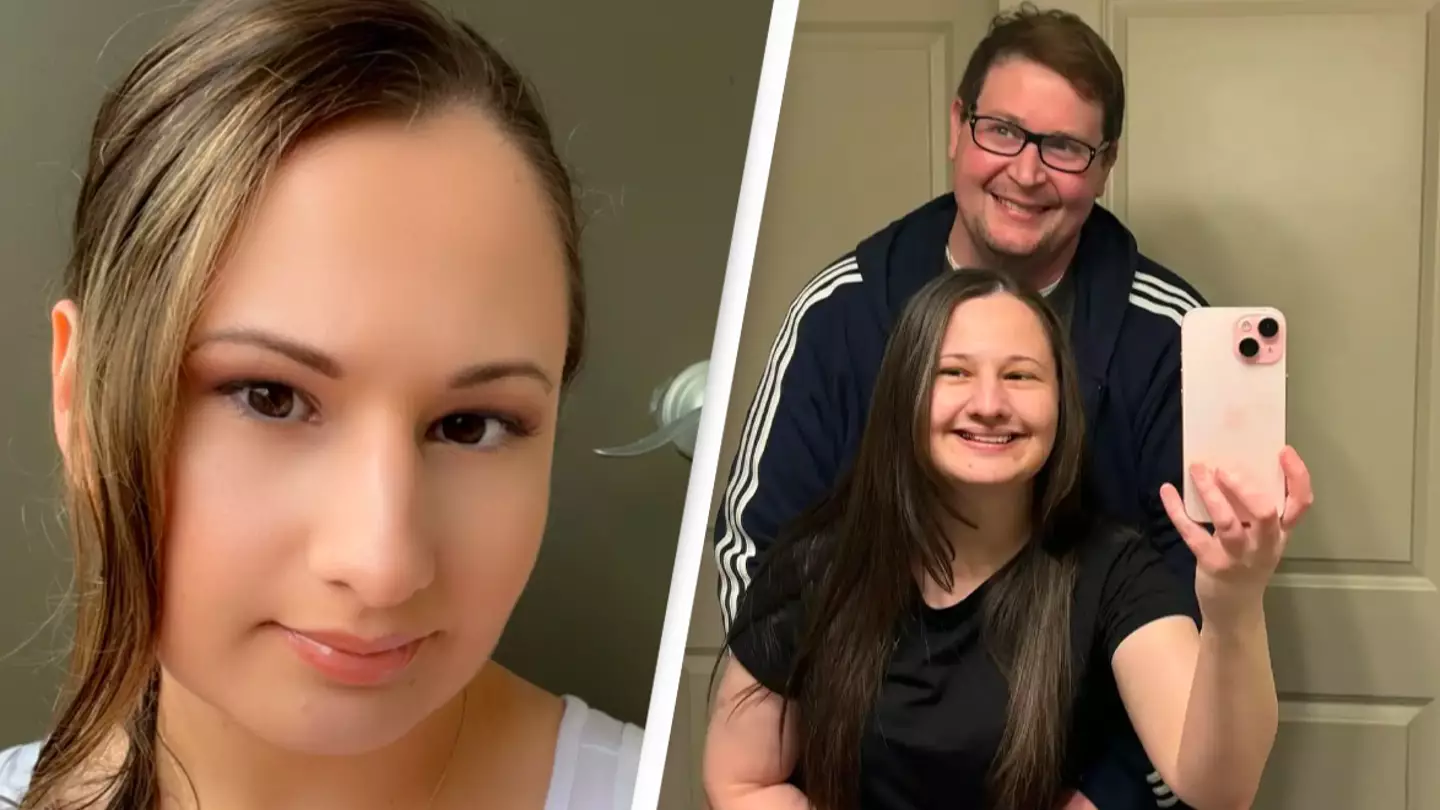
Between her arrest in 2015 and her release in late 2023, Gypsy Rose experienced a natural "after" effect that occurred without surgical intervention. During her eight years in prison, she stopped receiving unnecessary medications and was allowed to eat a regular diet.
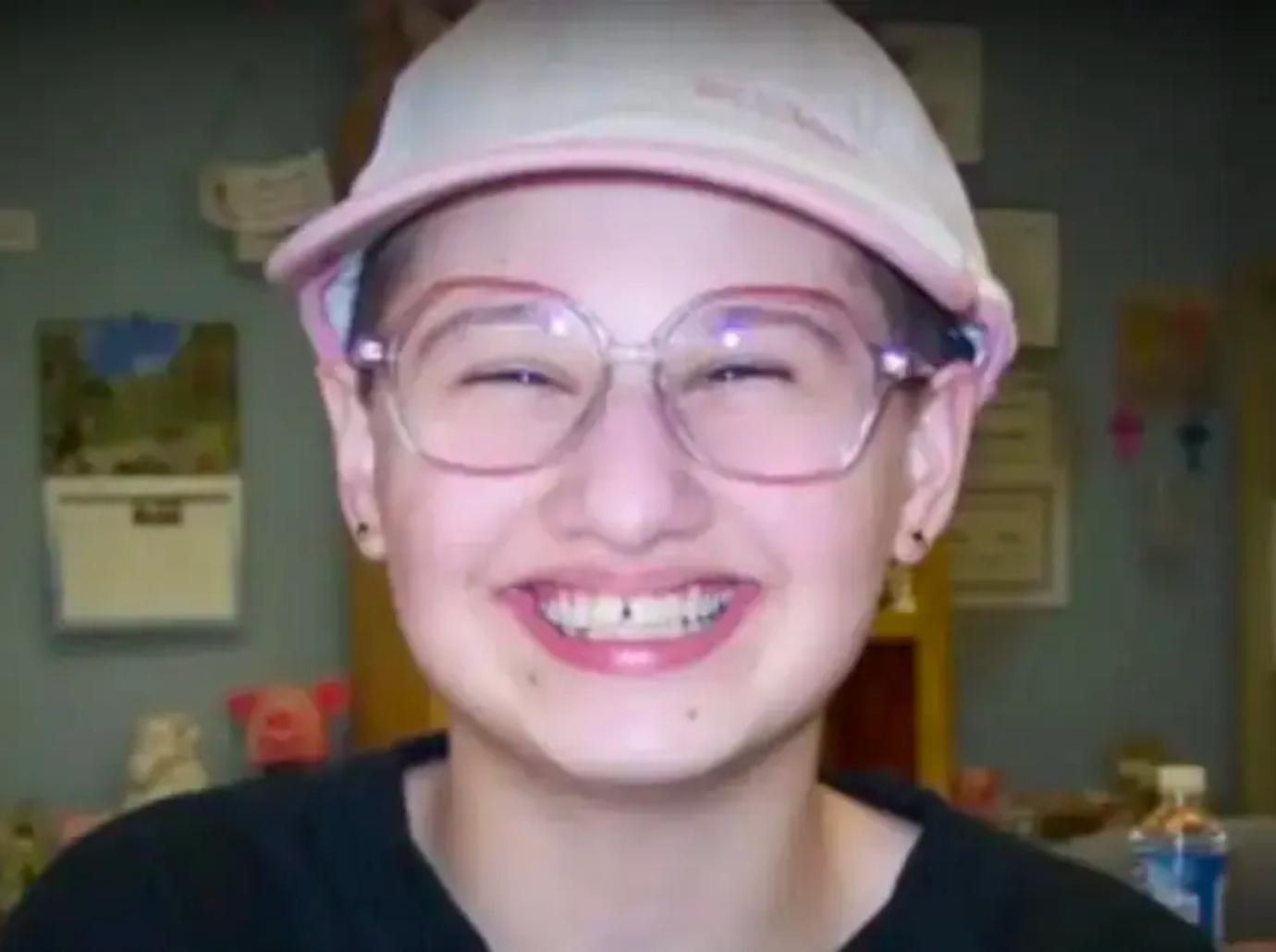
Her physical appearance changed drastically during this time. Her hair, which had been frequently shaved by her mother to simulate the effects of chemotherapy, grew back thick and healthy. She gained healthy weight, and her skin tone improved as she was no longer being chemically sedated. This period was the first step in her physical reclamation, proving that her "illnesses" were entirely external impositions.
The "After" Surgery: Reclaiming Autonomy in 2024
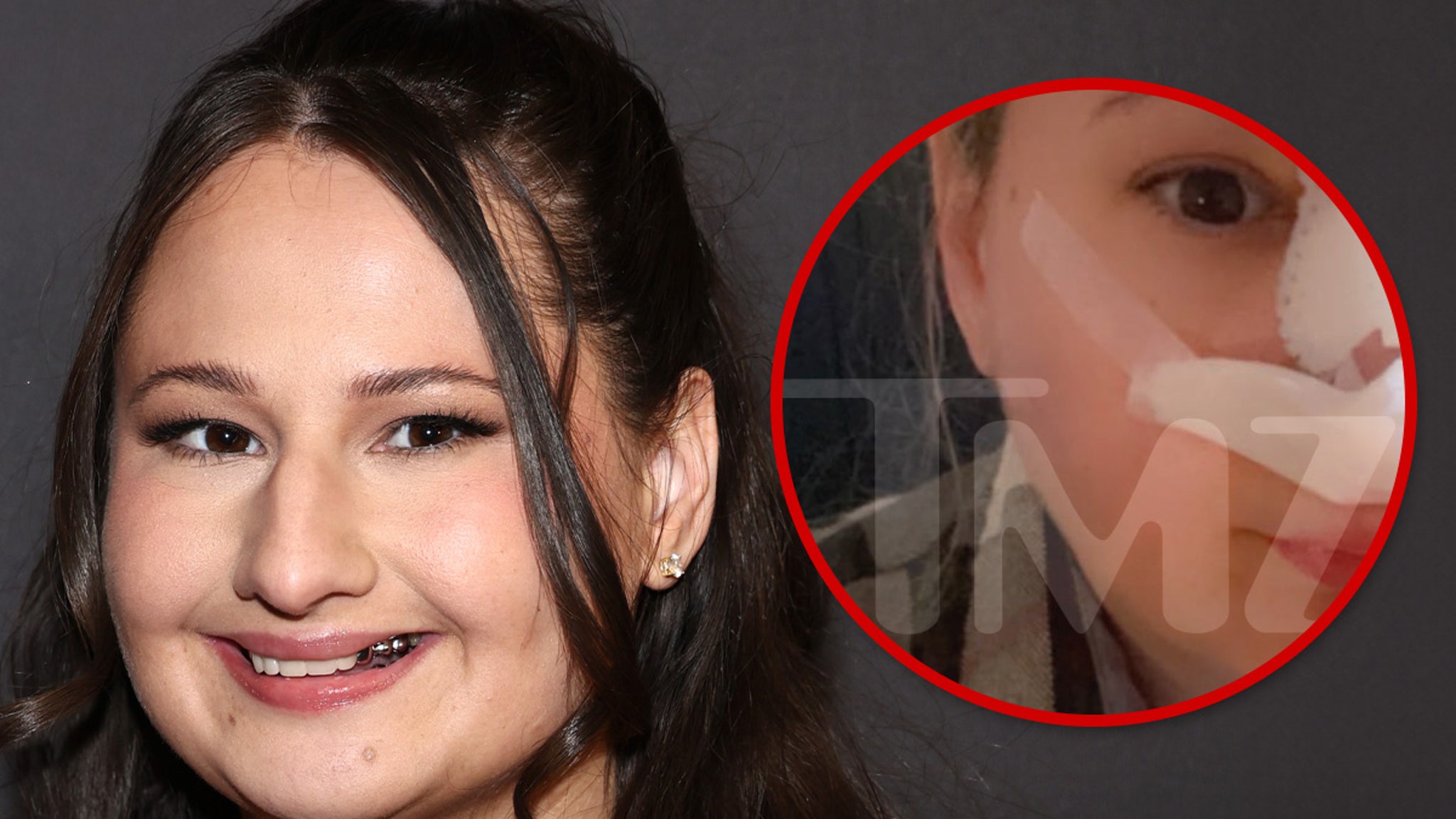
Following her release from the Chillicothe Correctional Center in December 2023, Gypsy Rose entered the public eye as a free woman. In April 2024, she made the decision to undergo her first truly elective cosmetic procedure: a rhinoplasty and septoplasty.
The 2024 Rhinoplasty and Septoplasty
This surgery, performed by Dr. Jeffrey J. Galvin in Lafayette, Louisiana, was a pivotal moment for Gypsy. Unlike the surgeries of her childhood, this was a choice she made for herself to improve both her breathing and her self-confidence.
- Septoplasty: This functional component of the surgery was designed to correct a deviated septum, improving airflow through the nasal passages.
- Rhinoplasty: This aesthetic component involved refining the shape of the nose. Gypsy expressed a desire for a more feminine appearance, specifically a "porcelain doll" nose profile.
The "after" results of this surgery were widely shared on social media and featured in her documentary series. The transformation was subtle but significant, resulting in a more refined nasal bridge and tip. For Gypsy, this surgery represented a "glow-up" that was symbolic of her new life and her right to make decisions about her own anatomy.
Summary of Surgical History
The following table compares the medically unnecessary procedures forced upon Gypsy Rose with the elective procedures she chose for herself.
| Procedure Category | Type of Surgery | Intent/Motive | Long-Term Physical Impact |
|---|---|---|---|
| Forced (Childhood) | Salivary Gland Removal | To stop "excessive drooling" (simulated) | Severe dental decay; chronic dry mouth. |
| Forced (Childhood) | Gastrojejunostomy (G-Tube) | To provide nutrition for "wasting" | Abdominal scarring; digestive sensitivity. |
| Forced (Childhood) | Strabismus Surgery | To correct "vision issues" | Potential for permanent muscle weakness. |
| Forced (Childhood) | Dental Extractions | To remove "decayed" teeth | Requirement for dentures or implants. |
| Elective (2024) | Rhinoplasty | Aesthetic refinement | Increased self-confidence; altered profile. |
| Elective (2024) | Septoplasty | Functional breathing correction | Improved sinus health and respiration. |
The Psychological Context of "Before and After"
The transformation of Gypsy Rose Blanchard is not merely about physical appearance; it is a clinical case study in psychological recovery. In FDIA cases, the victim's body is treated as a canvas for the perpetrator’s delusions.
Reclaiming the "Medicalized" Body
For many survivors of medical abuse, the idea of elective surgery can be triggering. However, for Gypsy, the 2024 surgery was framed as a reclamation. By choosing a surgeon, a procedure, and a desired outcome, she transitioned from a passive patient to an active consumer of healthcare.
In 2026, we see the long-term results of this agency. As a mother (following the announcement of her pregnancy in mid-2024), Gypsy’s focus shifted from "fixing" the past to building a healthy future. The physical scars from her G-tube and other childhood surgeries remain, but they now coexist with the results of her own choices.
The Role of Public Perception
The public’s obsession with Gypsy’s "before and after" photos reflects a fascination with her survival. The images of her in a wheelchair with an oxygen tank (the "before") contrasted with her current appearance (the "after") serve as a powerful visual indictment of the abuse she suffered.
Medical and Ethical Considerations
The case of Gypsy Rose Blanchard has led to increased scrutiny within the medical community regarding the verification of patient history. Many of her "before" surgeries were performed because doctors took Dee Dee’s word over clinical evidence, or because previous medical records were "lost" during their move from Louisiana to Missouri following Hurricane Katrina.
The Septoplasty/Rhinoplasty Recovery
Gypsy's 2024 recovery was documented in real-time. She experienced standard post-operative symptoms, including bruising (ecchymosis) and swelling (edema). Unlike her childhood surgeries, where recovery was often prolonged by her mother to gain more sympathy, Gypsy’s elective recovery was swift, and she returned to public life within weeks.
Professional Advice Limitation
Note: This article covers historical medical events and elective cosmetic procedures for informational purposes. If you are considering rhinoplasty or have a history of medical trauma, consult with a board-certified plastic surgeon and a mental health professional to discuss your specific needs and health history.
Life in 2026: The Current Status
As of 2026, Gypsy Rose Blanchard has moved beyond the "before and after" narrative of her surgeries. She has focused on her role as an advocate for FDIA awareness and her personal life as a parent. Her physical appearance has stabilized, and she has not reported further major elective surgeries. The 2024 rhinoplasty remains the primary milestone of her aesthetic transformation.
Her journey serves as a reminder of the resilience of the human body and the importance of bodily autonomy. The "after" in Gypsy Rose's story isn't just about a new nose; it's about a new life defined by her own decisions.
Frequently Asked Questions
Did Gypsy Rose really need a feeding tube? No. Extensive medical evaluations conducted after her arrest confirmed that Gypsy Rose was capable of eating normally. The feeding tube was a tool used by her mother to control her nutrition and administer unnecessary, sedating medications.
How did Gypsy Rose’s teeth get damaged? The damage was caused by a combination of factors: the surgical removal of her salivary glands (which led to chronic dry mouth), the side effects of medications she didn't need (such as anti-seizure meds), and potentially poor dental hygiene managed by her mother.
Who performed Gypsy Rose’s rhinoplasty in 2024? The surgery was performed by Dr. Jeffrey J. Galvin, a board-certified plastic surgeon based in Lafayette, Louisiana. The procedure was filmed for her reality docuseries, Gypsy Rose: Life After Lock Up.
Is Gypsy Rose still using a wheelchair? No. Gypsy Rose never actually required a wheelchair. She was forced to use one by her mother to maintain the appearance of having muscular dystrophy. Since her 2015 arrest, she has been fully ambulatory.
What other elective surgeries has Gypsy Rose had? As of 2026, the rhinoplasty and septoplasty performed in 2024 are her only confirmed elective cosmetic procedures. While there has been public speculation regarding other treatments like fillers or veneers, these have not been officially confirmed as major surgical events.
Practical Recommendation for Readers
If you or someone you know is a survivor of medical trauma or is navigating the complexities of Factitious Disorder Imposed on Another, it is essential to seek specialized trauma-informed therapy. Reclaiming one's physical identity through surgery can be a valid path for some, but it should be pursued alongside psychological support to ensure the motivations are rooted in self-empowerment rather than a continuation of medicalized trauma.
Image Gallery