Understanding Multi-Level Marketing in Financial Services: Term Life Insurance, IRAs, and "Cult" Allegations
The phenomenon of a term life insurance and IRA investment company being described as "almost a cult" typically refers to financial Multi-Level Marketing (MLM) organizations like Primerica, World Financial Group (WFG), or PHP Agency. T...
The phenomenon of a term life insurance and IRA investment company being described as "almost a cult" typically refers to financial Multi-Level Marketing (MLM) organizations like Primerica, World Financial Group (WFG), or PHP Agency. These companies combine legitimate financial products with aggressive recruitment tactics, high-energy seminars, and insular social structures that prioritize "building a team" over traditional retail sales. While they provide valid insurance policies and retirement accounts, their internal culture and compensation structures often mirror the psychological fervor found in high-control groups.
Contents
The Business Model: Buy Term and Invest the Difference (BTID)
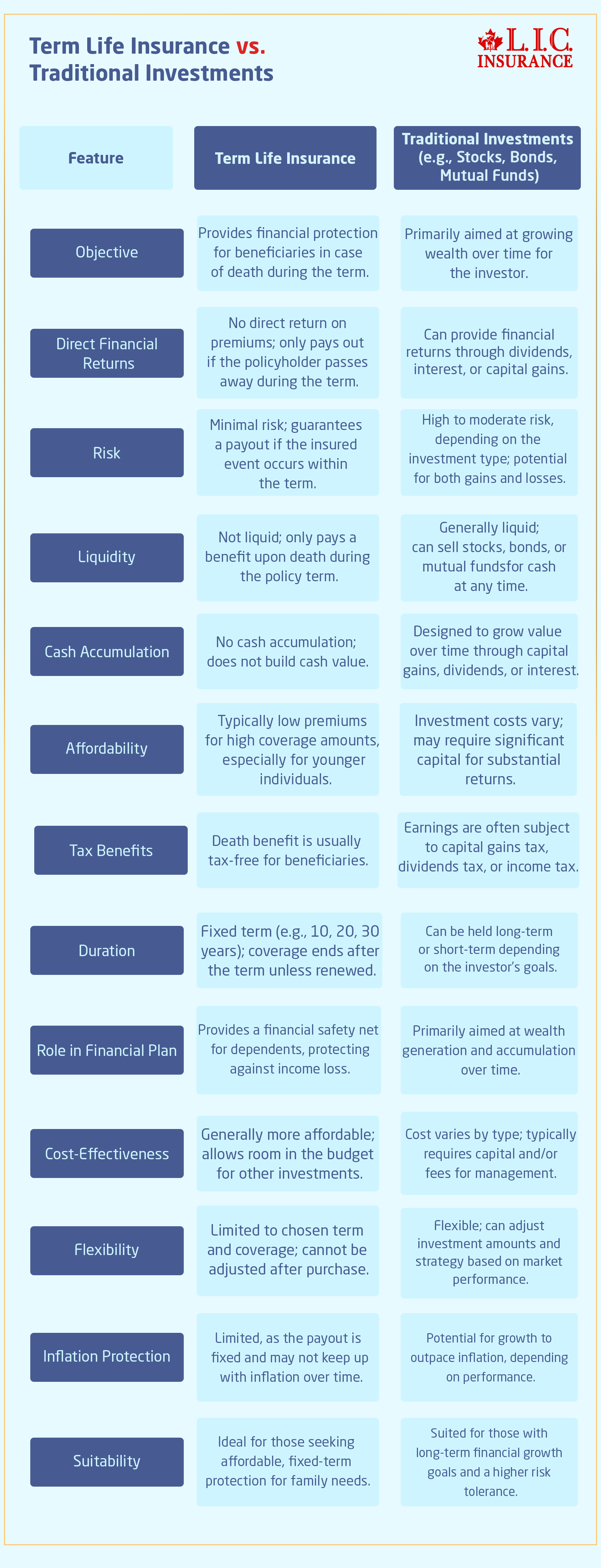
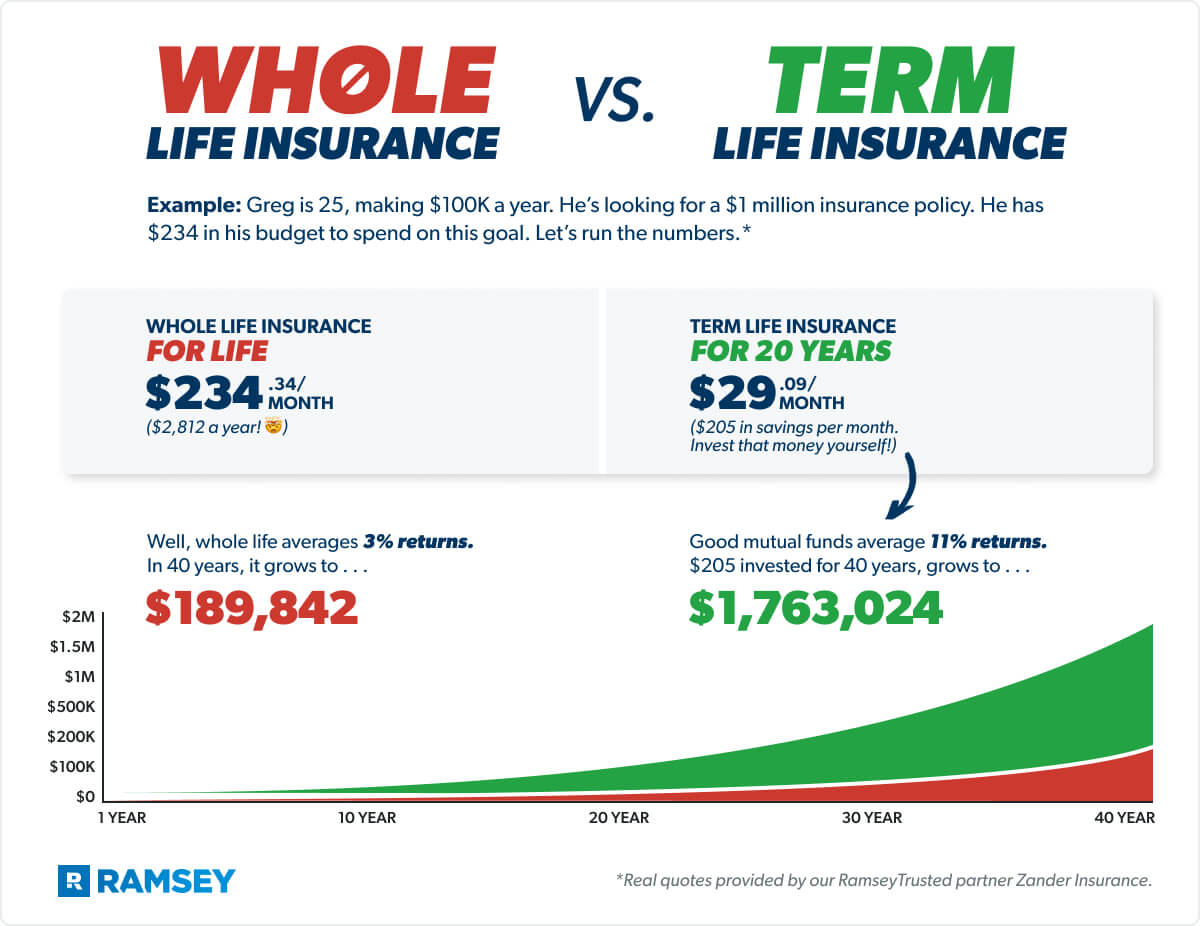
At the heart of many financial MLMs is a specific philosophy known as "Buy Term and Invest the Difference." This strategy advocates for purchasing low-cost term life insurance—which provides coverage for a specific period—rather than more expensive "whole life" or permanent insurance policies. The money saved on premiums is then supposedly funneled into investment vehicles, typically Individual Retirement Accounts (IRAs) consisting of mutual funds.
As of 2026, this philosophy remains a cornerstone of companies like Primerica. From a purely mathematical standpoint, BTID is often sound advice for the average consumer, as term insurance is significantly cheaper and IRAs offer tax-advantaged growth. However, the controversy arises not from the products themselves, but from how they are packaged and sold within a hierarchical recruitment structure.
The Role of Mutual Funds and IRAs
In these organizations, the IRA offerings are usually managed through partnerships with major fund families. However, critics often point out that the mutual funds sold through these "captive" or MLM agents frequently carry "front-end loads" (A-shares) or higher-than-average expense ratios. While the investor is indeed building a retirement nest egg, a significant portion of their initial investment may be diverted to pay commissions up the recruitment chain.
Why the "Cult" Label Persists
The description of these companies as "cult-like" does not usually refer to religious extremist behavior, but rather to the psychological and sociological tactics used to retain and motivate representatives. For someone outside the industry, the level of devotion exhibited by "Reps" can be jarring.
High-Energy Recruitment and "Love Bombing"
New recruits are often brought into the fold through "Opportunity Meetings." These events are characterized by loud music, cheering, testimonials of extreme wealth, and "love bombing"—a tactic where the new member is showered with excessive attention and praise. The goal is to create an emotional bond with the organization before the recruit fully understands the complexities of the commission structure.
The "Us vs. Them" Mentality
To maintain cohesion, these organizations often cultivate a siege mentality. Independent financial advisors, traditional banks, and even skeptical family members are often portrayed as "the competition" who want to keep the recruit "broke" or "trapped in the 9-to-5 grind." By framing skepticism as ignorance or jealousy, the company ensures that the recruit relies primarily on their "upline" for social validation and financial advice.
Systematic Time Demands
A common trait of high-control groups is the exhaustion of the member’s free time. Financial MLMs often schedule evening "training" calls, weekend conventions, and early morning "power hours." By keeping members constantly engaged with company rhetoric, there is little time for independent research or reflection on the actual profitability of their "business."
Analyzing the Product Quality vs. Distribution Method
It is essential to distinguish between the financial products and the distribution system. The term life insurance policies sold by these firms are underwritten by legitimate insurance carriers (often their own subsidiaries) and will pay out claims as long as the policy is in force. Similarly, an IRA opened through these firms is a legal tax-advantaged account.
The issue lies in the value proposition. As of 2026, the financial services market is highly transparent. Consumers can easily access low-cost term life insurance through online aggregators and open IRAs with zero-commission brokerages like Fidelity or Vanguard, where they can invest in low-cost index funds with near-zero expense ratios.
In contrast, the MLM model must account for multiple layers of commission. When a "Base Shop" agent sells a policy, a portion of that commission goes to them, their District Leader, their Division Leader, their Regional Vice President, and so on. This "override" system inherently requires higher product costs or lower payout values to remain sustainable for the parent company.
Comparison of Financial Service Models (2026 Status)
| Feature | Financial MLM (e.g., Primerica, WFG) | Independent Broker / RIA | Direct-to-Consumer (Robo-Advisor) |
|---|---|---|---|
| Primary Focus | Recruitment & "Building a Team" | Fiduciary Client Management | Low-Cost Automation |
| Product Type | Proprietary or Captive Term/IRAs | Open Architecture (Any product) | Index Funds / ETFs |
| Fee Structure | Commissions / Front-End Loads | Flat Fee or % of Assets (AUM) | Very Low Expense Ratios |
| Agent Training | High Sales Focus / Fast Licensing | High Technical / Fiduciary Focus | N/A (Algorithm-based) |
| Entry Barrier | Low (Anyone can join) | High (Experience/Degrees/CFP) | N/A |
The Recruitment Trap: The "1% Problem"
The most significant criticism of these "cult-like" companies is the success rate of the participants. Much like product-based MLMs (selling essential oils or makeup), the financial versions have a steep drop-off rate. According to various annual disclosures and historical data from the Federal Trade Commission (FTC), the vast majority of participants in multi-level structures earn very little, while the top 1% of the hierarchy earns the lion's share of the commissions.
In the context of financial services, this is particularly problematic because the "representatives" are often encouraged to sell to their "Warm Market"—friends, family, and neighbors. If a recruit joins, sells three policies to their relatives, and then quits three months later (a common occurrence), the company has successfully gained three new clients with minimal acquisition cost, while the recruit may have damaged their personal relationships and earned less than minimum wage for their time.
Regulatory Oversight and Compliance
While the culture may feel cult-like, these companies operate under the jurisdiction of several regulatory bodies. Because they sell insurance and securities (mutual funds/IRAs), they must comply with:
- FINRA (Financial Industry Regulatory Authority): Oversees the sale of securities and the licensing of representatives (Series 6 or 7).
- SEC (Securities and Exchange Commission): Regulates the investment products and disclosures.
- State Insurance Departments: Each state regulates the licensing of insurance agents and the approval of policy forms.
Potential recruits should check the FINRA BrokerCheck website to see the employment history and any disciplinary actions against the individual or the firm. If a recruiter tells you that "licenses aren't that important" or "you can start selling immediately," that is a major red flag for regulatory non-compliance.
Common Red Flags to Watch For
If you are approached by someone regarding a "business opportunity" involving life insurance and IRAs, be alert for the following indicators:
- The "Secret" Company Name: The recruiter is vague about the company name until you attend a meeting or Zoom call.
- Focus on Recruitment over Expertise: If 80% of the conversation is about "growing your team" and only 20% is about actual financial planning or risk management.
- Pay-to-Play Requirements: You are required to pay for your own background check, licensing classes, or monthly "office fees" to the person who recruited you.
- Emotional Manipulation: Using your "Why" (family, dreams, financial freedom) to guilt you into working more hours or attending more conventions.
- Pressure to "Warm Market" Sell: Being forced to provide a list of 50–100 friends and family members before you have even completed your training.
Practical Recommendations
If you are a consumer looking for life insurance or a retirement account, you do not need to join an organization or "build a team" to get these products. You can obtain highly competitive term life insurance quotes from independent brokers who compare dozens of companies. For IRAs, opening an account with a major discount brokerage will almost always result in lower fees and a wider range of investment options than an MLM-affiliated fund.
If you are considering joining one of these firms as a career, approach it with extreme caution. While it is possible to make a living, it is a high-turnover sales job that requires an immense amount of prospecting. You must be comfortable with the "upline" taking a significant cut of your hard work and the social reality that many people will view your new venture with skepticism due to the "cult" reputation of the industry.
Frequently Asked Questions
Are these companies legal? Yes, they are legal. They sell registered financial products and are regulated by FINRA and state insurance boards. The "MLM" aspect is a legal business structure in the United States, provided they do not operate as "pyramid schemes" (where money is made solely from recruitment fees rather than product sales).
Is the term life insurance they sell a scam? No, the insurance is legitimate. If the policyholder dies while the policy is active, the company will pay the death benefit. However, the premiums may be higher than those found on the open market because the company must pay commissions to multiple levels of recruits.
Why do people call them a cult? The "cult" label comes from the psychological tactics used: the high-energy meetings, the requirement to cut off "negative" influences (skeptical friends), the use of "insider" jargon, and the extreme devotion to the company's charismatic leaders.
Can I make money with these companies? While possible, the statistical likelihood is low. Most people earn a few hundred dollars from initial sales to friends and then quit. Significant income usually only comes to those who are exceptional at recruiting and retaining a large "downline" of other agents.
What is the difference between an MLM and a traditional insurance agency? In a traditional agency, an agent might have a manager who gets a small override. In an MLM, there are often 5 to 10 layers of people getting a "piece" of every sale. Traditional agencies also tend to focus more on lead generation and technical expertise rather than constant recruitment of new, unlicensed agents.
Image Gallery