Exploring Tiny House Villages in Texas: A Comprehensive Guide for 2026
Tiny house villages in Texas offer a mix of "agri-hoods," luxury communities, and philanthropic developments. Key locations include Austin, Spur, and the Dallas-Fort Worth metroplex. These communities provide legal parking, utility hoo...
Tiny house villages in Texas offer a mix of "agri-hoods," luxury communities, and philanthropic developments. Key locations include Austin, Spur, and the Dallas-Fort Worth metroplex. These communities provide legal parking, utility hookups, and shared amenities, helping residents navigate Texas’s diverse zoning laws while enjoying a downsized, community-focused lifestyle.
Contents
The Evolution of Tiny Living in the Lone Star State
As of 2026, Texas remains a primary destination for the tiny house movement, driven by a combination of vast land availability, a culture of property rights, and a growing need for affordable housing. However, the transition from individual tiny houses on private lots to organized tiny house villages has been a response to the complex web of municipal zoning. While Texas is often perceived as a "lawless" frontier regarding land use, the reality for tiny house enthusiasts involves navigating specific city ordinances, deed restrictions, and utility requirements.
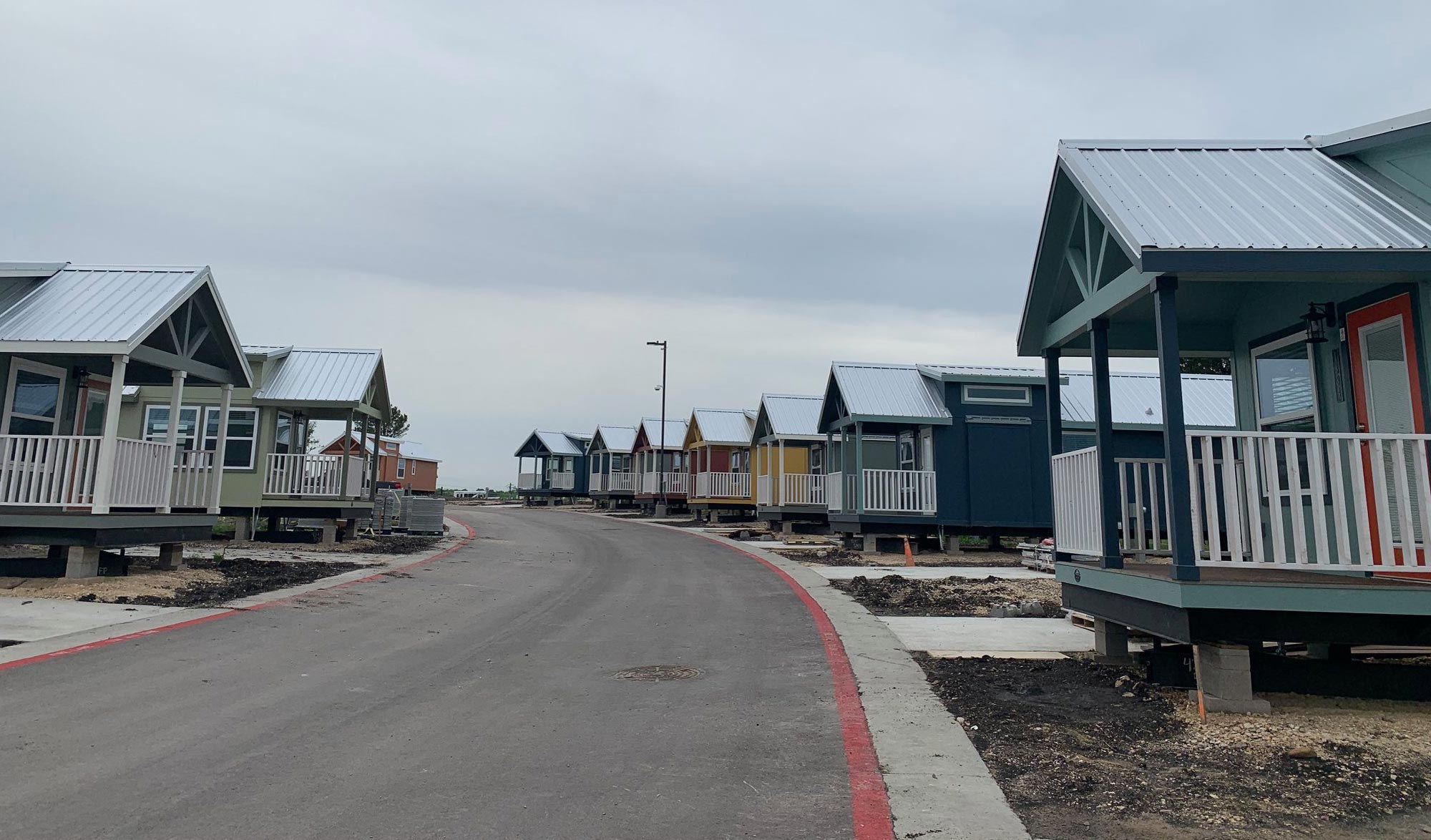
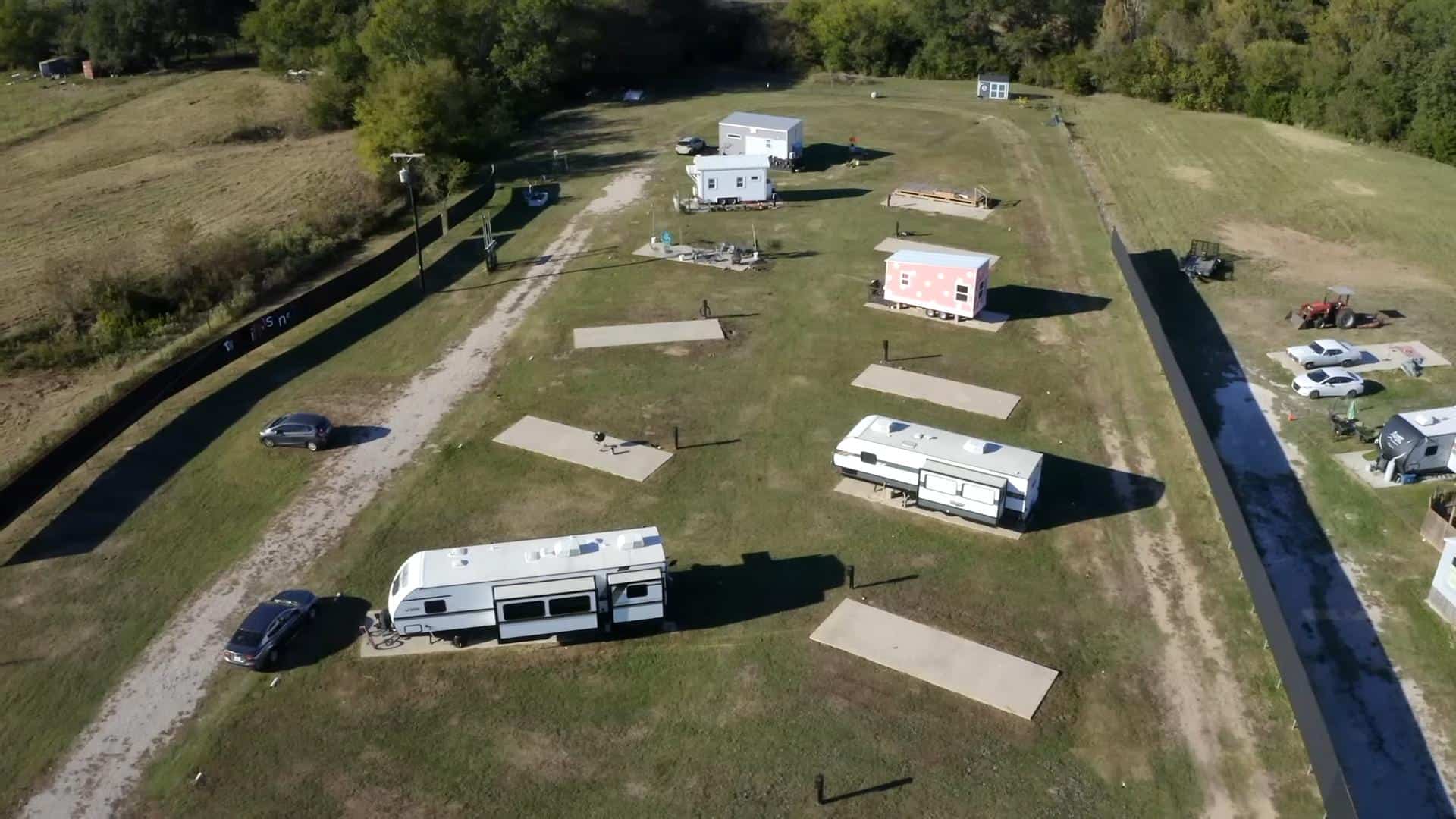
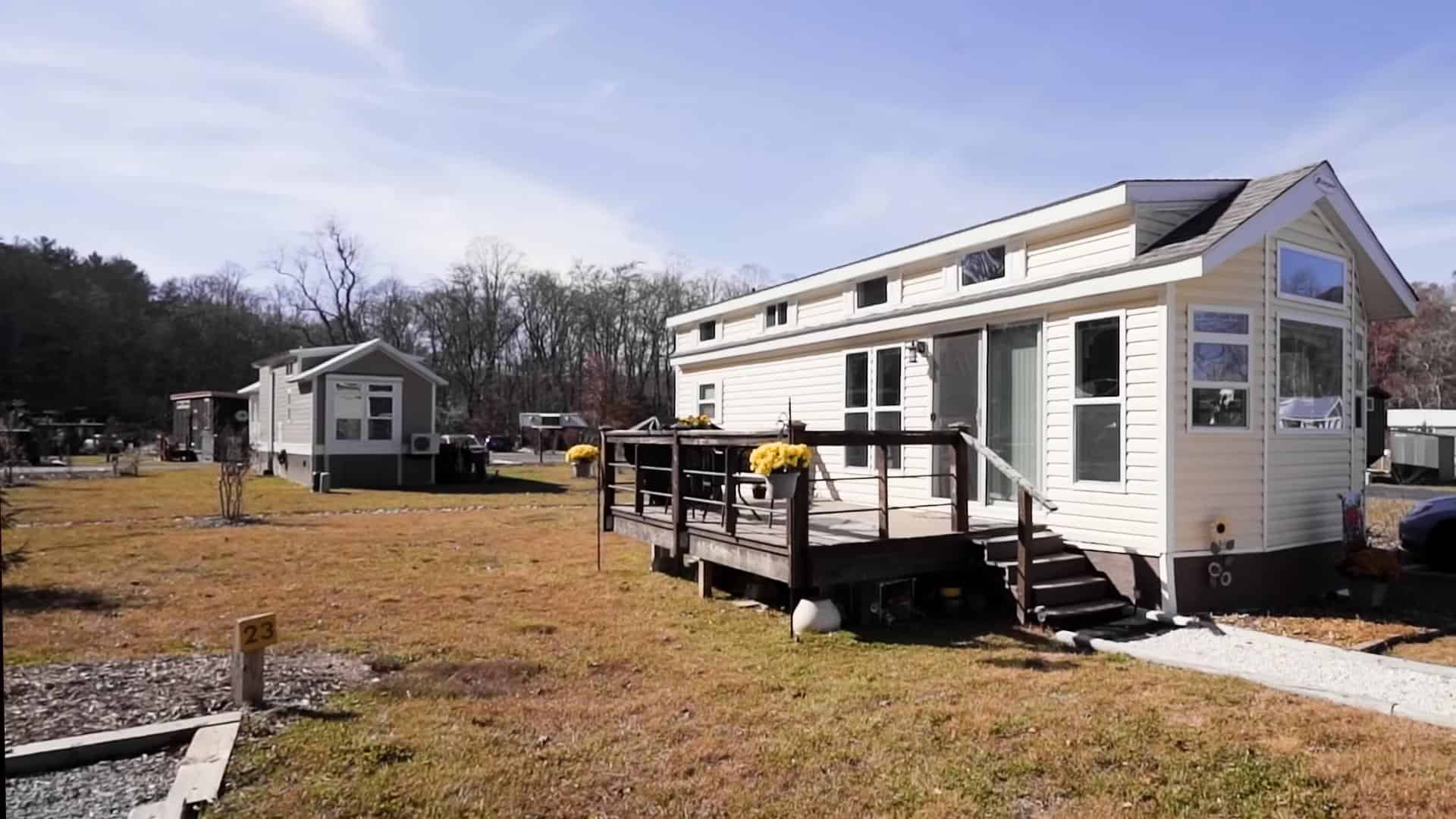
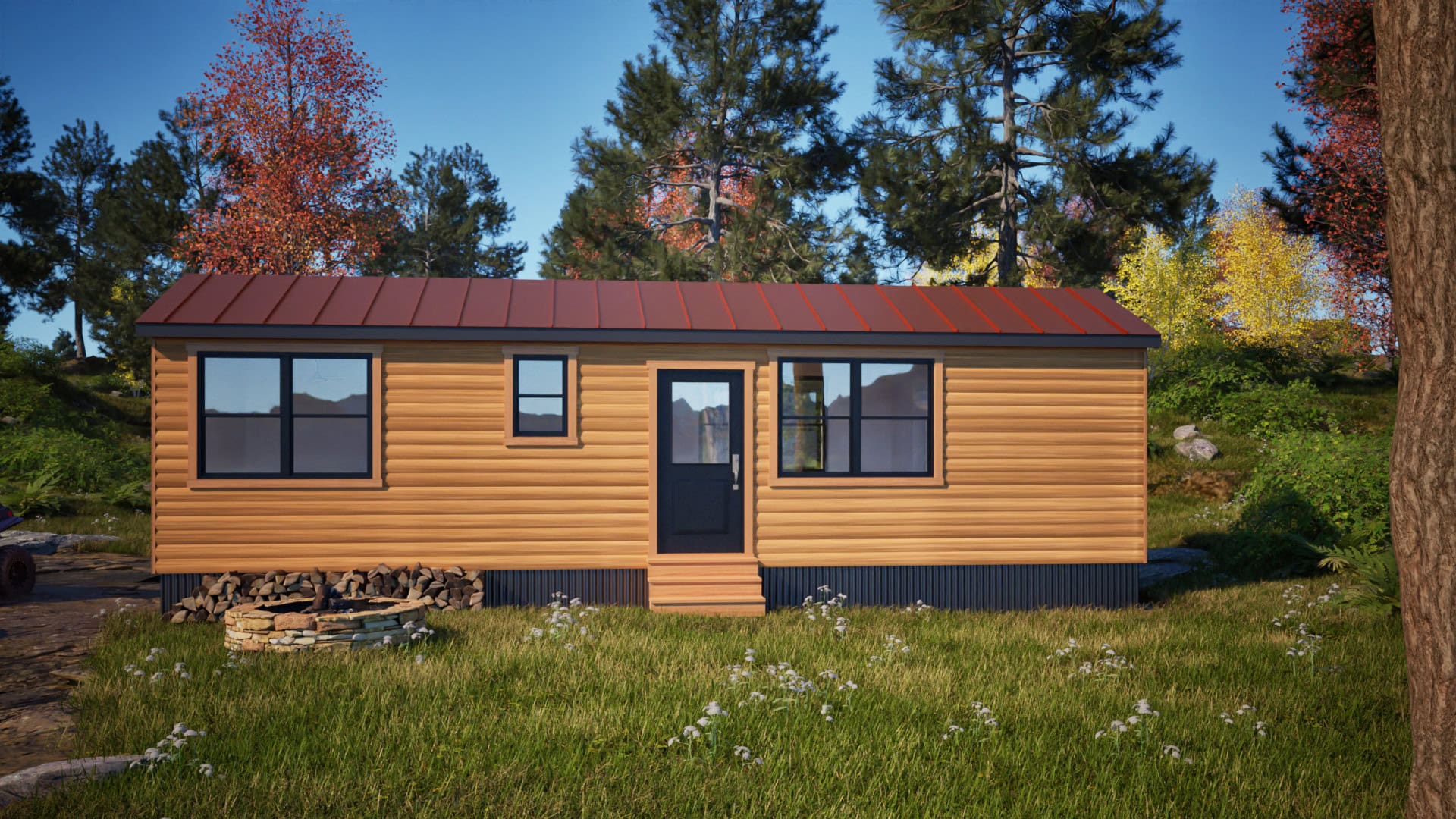
A tiny house village is defined as a clustered community of small-dwelling units—typically under 400 square feet—that share common infrastructure, such as roads, utilities, and often social spaces. In Texas, these villages generally fall into two categories: Tiny Houses on Wheels (THOWs) parked in specialized RV-style communities, and tiny houses on permanent foundations built according to the International Residential Code (IRC).
Navigating Texas Zoning and Legal Frameworks
One of the first hurdles for any prospective resident is understanding where tiny houses are legally permitted. Texas municipal law varies significantly between "Home Rule" cities and unincorporated areas.
Incorporation and ETJ
In large cities like Houston, Dallas, or Austin, zoning is strictly enforced. However, many tiny house villages are situated in the Extraterritorial Jurisdiction (ETJ) of a city or in completely unincorporated county land. In these areas, the primary restrictions are not zoning but rather deed restrictions (HOAs) and septic permits. If a village is located within an ETJ, it may still be subject to certain city safety regulations without being fully bound by density or usage zoning.
Appendix Q and the IRC
For villages featuring permanent structures, Texas has largely adopted the International Residential Code (IRC). Specifically, Appendix Q (formerly Appendix V) provides a set of relaxed standards for tiny houses on foundations, including modified requirements for ceiling heights, loft access (ladders instead of stairs), and emergency escape openings. When vetting a village in 2026, ensure the developer has adhered to these standards to guarantee the home’s resale value and safety.
The "Spur" Model
Spur, Texas, gained national attention as the first "tiny house friendly" town in the United States. By 2026, the "Spur Model" has evolved. While the town initially removed many zoning barriers, it eventually introduced requirements for houses to be tied into the local grid and placed on foundations. This serves as a case study for how Texas towns balance the influx of new residents with long-term infrastructure stability.
Leading Tiny House Villages in Texas
Several established communities have set the standard for tiny living in Texas. Each offers a different lifestyle, from urban agriculture to lakefront luxury.
Village Farm (Austin)
Located in East Austin, Village Farm is an "agri-hood" built around GreenGate Farms, a certified organic farm. This community focuses on sustainable living and social connection.
- Structure: It features tiny homes on foundations and THOWs.
- Amenities: Residents have access to a general store, a bistro, community gardens, and a farmhouse that serves as a community center.
- Target Audience: Urban professionals and families looking for a rural feel without leaving Austin city limits.
Community First! Village (Austin)
A project by Mobile Loaves & Fishes, this is a 51-acre master-planned community designed specifically for the chronically homeless. By 2026, it has expanded significantly, proving that the tiny house village model is a viable solution for social services. It includes micro-homes, RVs, and extensive communal kitchens and workshops.
Constellation Tiny House Village (Near Dallas)
Situated near the DFW metroplex, this village caters more to the "luxury minimalist" and short-term resident. It is often used as a "test drive" location for those considering a full-time move to a tiny house. It emphasizes high-end design and proximity to North Texas employment hubs.
Lakeview Communities (Canyon Lake and Lake Travis)
Several villages have emerged near Central Texas lakes. These often function similarly to high-end RV resorts but are restricted to tiny houses that meet specific aesthetic and construction standards. They offer a vacation-style atmosphere with boat access and hiking trails.
Technical Specifications and Infrastructure
Living in a Texas village requires an understanding of the technical "hookups" that differ from a standard suburban home.
- Electrical Services: Most Texas tiny house villages provide either 30-amp or 50-amp service. While 30-amp may suffice for smaller units, Texas summers usually necessitate 50-amp service to run high-efficiency air conditioning units (mini-splits).
- Water and Sewage: Villages usually provide a centralized water connection. Sewage is handled either through a municipal tie-in or a high-capacity aerobic septic system. Be cautious of villages that require residents to manage their own composting toilets, as this can sometimes conflict with county health department regulations.
- Foundation and Tie-downs: Due to Texas's propensity for high winds and tornadoes, even THOWs in reputable villages are often required to be secured with heavy-duty anchors or "tie-downs" similar to those used for manufactured homes.
Cost Analysis: Renting vs. Owning the Land
The financial structure of a tiny house village in Texas typically involves two separate costs: the mortgage/payment for the home itself and the "lot rent" or HOA fee.
| Feature | Tiny House Village (Lot Lease) | Private Land Ownership |
|---|---|---|
| Initial Cost | Low ($500 - $1,200/month rent) | High (Land purchase + Infrastructure) |
| Infrastructure | Provided (Power, Water, Septic) | Owner-installed ($10k - $30k+) |
| Zoning | Pre-approved | Must be verified/appealed |
| Community | Shared amenities and security | Isolated |
| Resale | Home only (depreciating asset) | Home + Land (appreciating asset) |
In 2026, lot rents in premium locations like Austin or the outskirts of Houston range from $700 to $1,100 per month. This fee usually covers water, trash, sewage, and maintenance of common areas.
Pros and Cons of Village Living in Texas
Advantages
- Immediate Legality: The biggest benefit is moving into a space where the "legal battle" has already been won by the developer.
- Social Connectivity: Tiny house living can be isolating if done on a remote 10-acre plot; villages provide built-in neighbors.
- Simplified Maintenance: Many villages handle lawn care and exterior infrastructure, allowing for a "lock-and-leave" lifestyle.
Disadvantages
- Lack of Equity: In many Texas villages, you do not own the land. If the village owner decides to sell the land for commercial development, you may be forced to move your home.
- Proximity: While the lifestyle is "tiny," the density is often high. Houses may only be 10 to 15 feet apart.
- Financing Challenges: While personal loans are available, traditional 30-year mortgages are rarely applicable to tiny houses, especially those on wheels.
How to Choose a Village in 2026
If you are ready to make the transition, follow these steps to verify a community:
- Verify the Certification: Check if the village requires houses to be NOAH (National Organization of Alternative Housing) or ANSI certified. This ensures the home was built to safety standards.
- Review the Lease Agreement: Look for "relocation clauses." In Texas, tenant rights for lot leases can be different from apartment leases.
- Inspect the Grid: During a Texas summer, the electrical grid is stressed. Ask the village manager about the age of their transformers and if they have experienced brownouts during peak heat (105°F+).
- Visit in Person: Photos can be deceiving regarding the space between units. Walk the grounds to ensure the "community vibe" matches your expectations.
Frequently Asked Questions
Can I park a tiny house on wheels on my own land in Texas?
It depends entirely on the county and city. In most major Texas cities, you cannot live full-time in a THOW on a residential lot. In unincorporated county land, it is often permitted, provided you have a legal way to dispose of waste (septic). Many people choose villages specifically to avoid these legal gray areas.
Do Texas tiny house villages allow pets?
Most villages are pet-friendly, reflecting the general Texas culture. However, because of the close proximity of homes, there are often strict "leash laws" within the community and limits on the number of large animals.
Is financing available for tiny houses in these villages?
Yes, but it is typically handled through specialty lenders like 21st Mortgage or through personal recreational vehicle (RV) loans if the home is on wheels. If the house is on a foundation in a village where you own the lot, traditional modular home financing may be an option.
How do tiny house villages handle Texas weather?
Reputable villages require homes to be anchored. For permanent structures, builders must follow the IRC wind speed requirements, which vary from 115 mph in North Texas to over 140 mph in coastal regions. Most villages also provide a centralized storm shelter for residents.
Are there age-restricted tiny house villages in Texas?
While most are all-age communities, there is a growing trend of 55+ tiny house communities in the Rio Grande Valley and Hill Country, catering to "Winter Texans" who want a permanent base that is easier to maintain than a traditional home.
Final Recommendations
Transitioning to a tiny house village in Texas is a strategic move for those seeking a lower cost of living and a smaller environmental footprint. For the best experience, prioritize communities that offer long-term leases (5+ years) or lot ownership options to protect your investment. Before moving, consult with a specialist to ensure your specific tiny home model meets the wind-load and electrical requirements of the Texas region you intend to call home.
Image Gallery