V.C. Andrews and the Rise of Contemporary Gothic Fiction
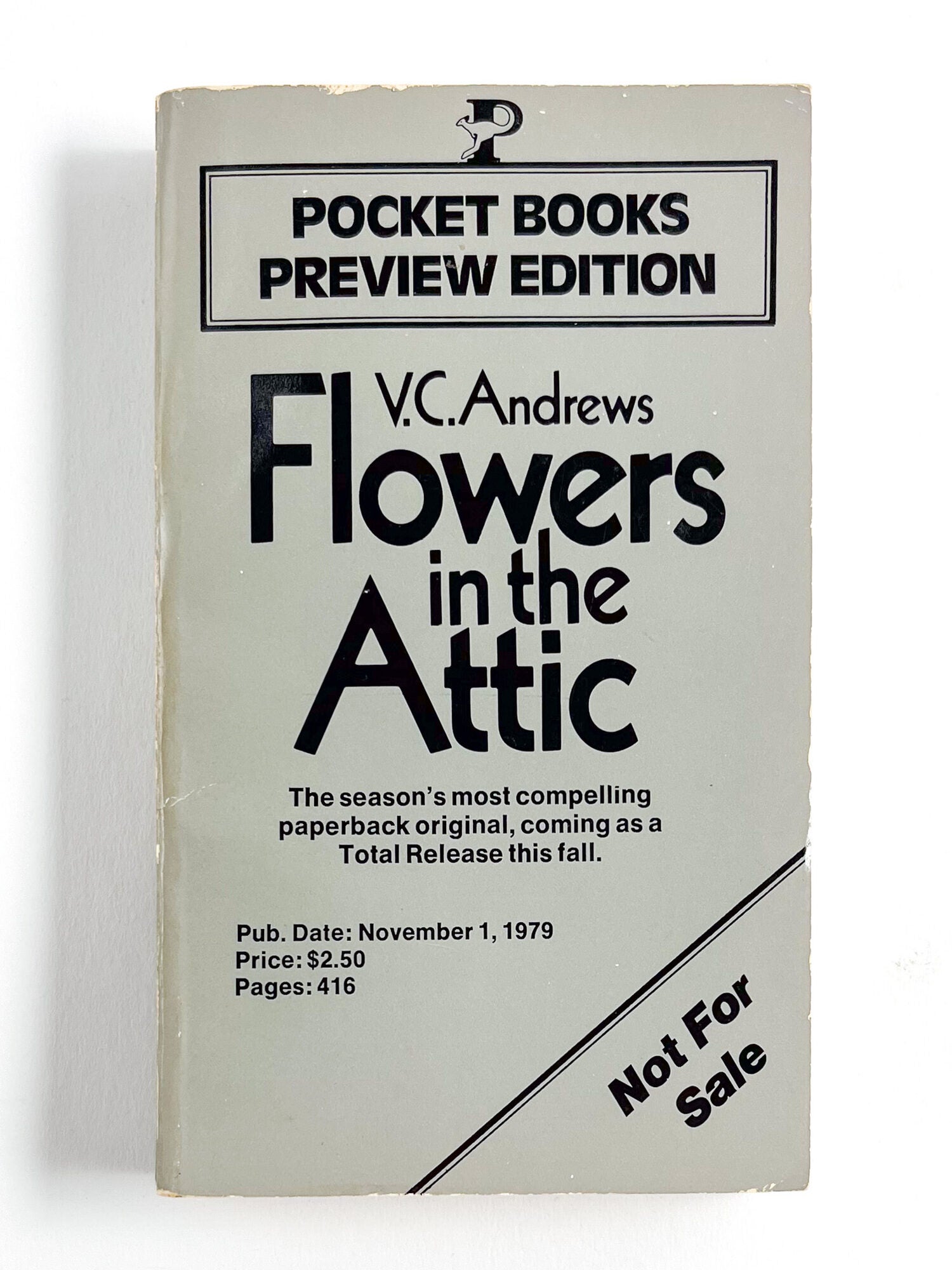
Clea Virginia Andrews (1923–1986), writing as V.C. Andrews, revolutionized gothic literature by transitioning its classic tropes from remote European castles into modern American domestic spaces. Through her groundbreaking 1979 novel F...
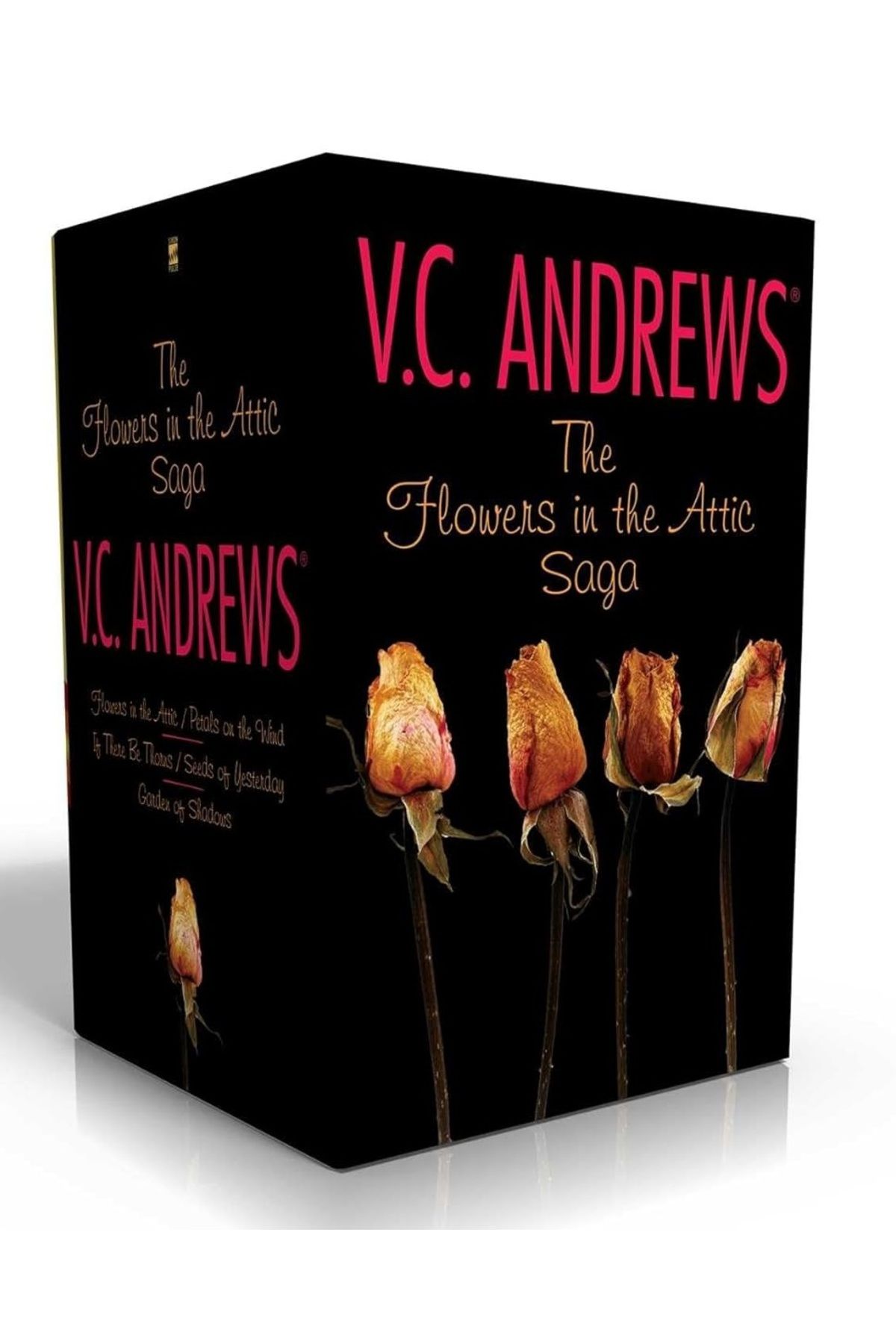
Clea Virginia Andrews (1923–1986), writing as V.C. Andrews, revolutionized gothic literature by transitioning its classic tropes from remote European castles into modern American domestic spaces. Through her groundbreaking 1979 novel Flowers in the Attic and subsequent works, Andrews established contemporary gothic fiction—a subgenre driven by suburban isolation, generational trauma, taboo family secrets, and psychological abuse.
Contents
The Evolution of Gothic Fiction: From Medieval Castles to Suburban Attics
Gothic fiction emerged in the late eighteenth century with Horace Walpole’s The Castle of Otranto (1764) and Ann Radcliffe’s The Mysteries of Udolpho (1794). These early works relied heavily on medieval settings, subterranean dungeons, aristocratic villains, and supernatural occurrences to elicit terror. In the nineteenth century, the Brontë sisters (Jane Eyre, Wuthering Heights) and Edgar Allan Poe shifted the gothic focus toward psychological deterioration and emotional entrapment, though their stories remained rooted in isolated manors and ancestral estates.
By the mid-twentieth century, gothic romance dominated paperback publishing, often featuring young women fleeing sinister mansions. However, these narratives frequently preserved the traditional distance between the reader's everyday reality and the story's heightened melodrama.
Classical Gothic (18th-19th C.) Mid-Century Paperback Gothic Contemporary Gothic (Andrews Era) [Remote Castles / Dungeons] ---> [Isolated Estates / Romances] ---> [Suburban Attics / Family Trauma]
V.C. Andrews shattered this distance in 1979. By placing extreme captivity, betrayal, and claustrophobia inside a sprawling Virginia suburban home, Andrews localized horror within the nuclear family. The attic in Foxworth Hall replaced the dungeon of the feudal castle, demonstrating that the most terrifying monsters were not spectral phantoms, but hypocritical parents and tyrannical grandparents driven by greed and religious extremism.
Anatomy of the V.C. Andrews Formula
The massive commercial success of V.C. Andrews' work stems from a consistent structural framework that redefined contemporary gothic tropes. Understanding this formula clarifies how her novels bridged mid-century melodramas and twenty-first-century domestic noir.
1. Domestic Imprisonment and Spatial Confinement
While traditional gothic protagonists are trapped by external forces or deceptive suitors, Andrews’ protagonists are confined by their own caretakers. In the Dollanganger series (Flowers in the Attic, Petals on the Wind), four children are locked away in a hidden room and connected attic by their mother, Corrine, and grandmother, Olivia Foxworth. The physical space shrinks their world, turning domestic safety into a site of profound physical and psychological captivity.
2. The Perversion of Matriarchal Protection
Classical gothic fiction frequently highlighted absent mothers or evil stepmothers, but Andrews focused intensely on maternal abandonment. Corrine Foxworth chooses personal wealth over the lives of her children, gradually poisoning them with arsenic-laced powdered sugar. This subversion of the protective mother figure creates a unsettling atmosphere where the primary source of nurture becomes the source of lethal threat.
3. Generational Sin and Financial Corruption
Money serves as the primary catalyst in Andrews' plots. Characters are routinely forced to hide their identities, endure abuse, or commit moral compromises to inherit vast fortunes. The narrative arc often hinges on a dark family secret—such as incestuous lineages or hidden births—that taints successive generations, reinforcing the classic gothic theme of the past hunting the present.
4. Taboo and Coming-of-Age Under Trauma
Andrews introduced explicit explorations of taboo subjects, most notably sibling incest between Cathy and Chris Dollanganger. Rather than framing these elements purely for cheap shock value, the narratives present them as psychological coping mechanisms developed under extreme isolation. The protagonists undergo a warped coming-of-age process, forced to mature in secret without exposure to normal social structures.
The Ghostwriting Legacy and Commercialization of the Gothic Brand
When V.C. Andrews died of breast cancer in December 1986, she left behind a powerful literary brand. Recognizing the immense market demand for her distinct style, her estate and publisher, Pocket Books, took an unprecedented step in modern publishing: hiring novelist Andrew Neiderman to act as a ghostwriter under the V.C. Andrews name.
Neiderman completed unfinished manuscripts and went on to write dozens of novels under the Andrews pseudonym for decades. This decision transformed "V.C. Andrews" from a personal authorial name into a perpetual commercial brand.
1979 1986 1987–Present Flowers in the V.C. Andrews Passes Away; Andrew Neiderman Expands Attic Published Estate Preserves Brand Name Brand across New Series
The success of this continuation demonstrated key realities of the contemporary gothic market:
- Structural Loyalty: Readers sought specific emotional rhythms, gothic atmosphere, and recurring tropes rather than a specific prose signature.
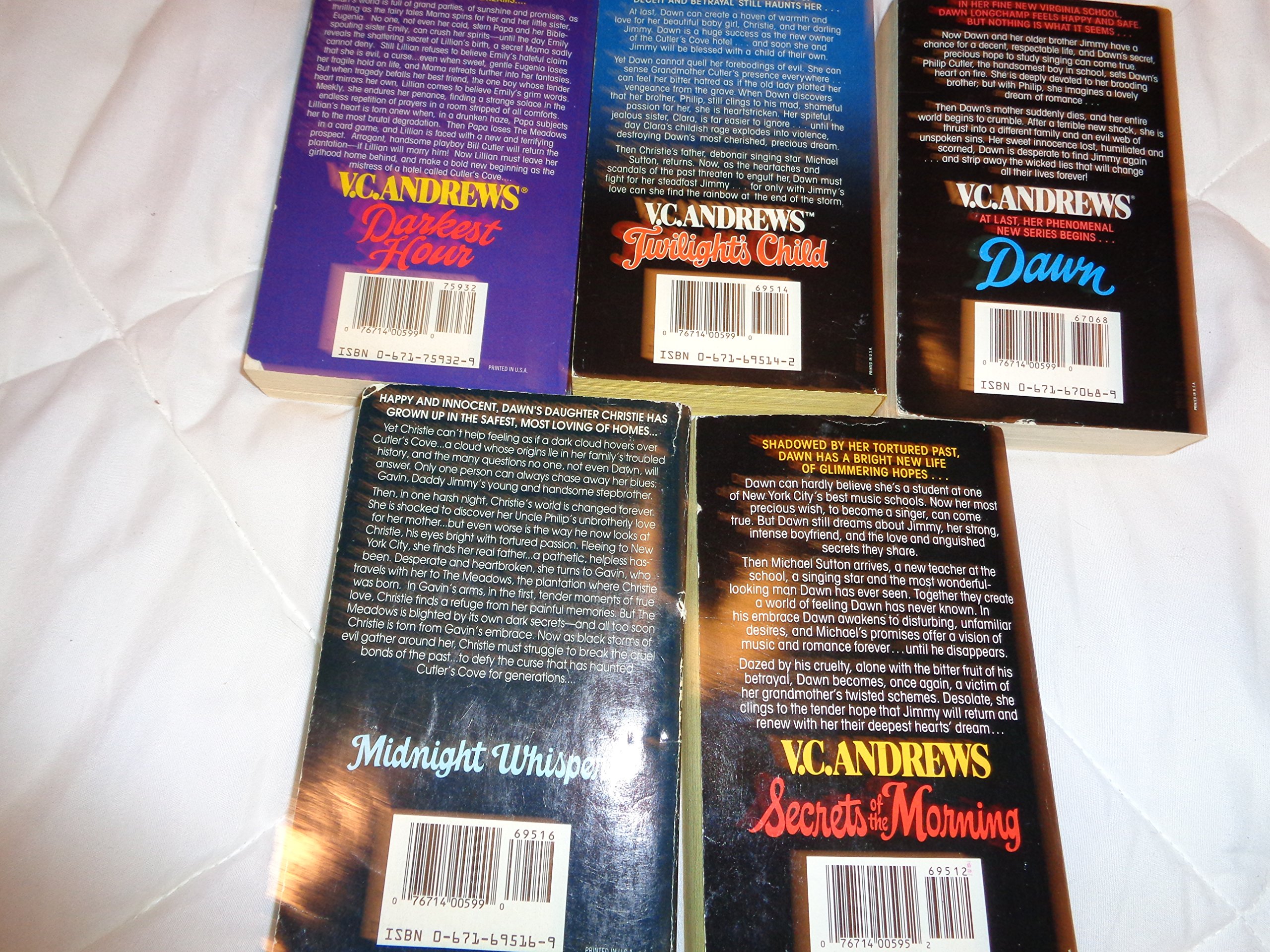
- Series Expansion: The brand systematically explored recurring family sagas (the Casteel series, the Cutler series, the Landry series), proving that contemporary gothic fiction thrived in multi-generational serialized formats.
- Genre Legacy: By continuing the publishing line, the estate ensured that paperback gothic fiction remained prominently displayed in mainstream retail outlets throughout the 1990s and 2000s, influencing subsequent generations of horror and thriller writers.
Comparative Analysis: Gothic Fiction Across Eras
To see how V.C. Andrews reshaped the gothic spectrum, it is useful to compare her structural elements with classical antecedents and modern twenty-first-century descendants.
| Structural Dimension | Classical Gothic (18th–19th Century) | Andrews-Era Contemporary Gothic (1970s–1990s) | 21st-Century Gothic & Domestic Noir |
|---|---|---|---|
| Primary Setting | Feudal castles, ruinous abbeys, isolated moors | Suburban estates, hidden attics, corrupt boarding schools | Suburban homes, isolated modern structures, psychological inner space |
| Antagonist Archetype | Tyrannical aristocrats, mad monks, supernatural beings | Religious matriarchs, abusive parents, greedy guardians | Unreliable spouses, toxic partners, internalized trauma, oppressive systems |
| Heroine Archetype | Persecuted maiden, virtuous governess | Traumatized youth, resilient sister protecting siblings | Flawed survivor, unreliable narrator, vengeance-seeker |
| Central Conflict | Escape from physical capture and supernatural threats | Survival against familial betrayal and secret captivity | Unraveling gaslighting, reclaiming memory, escaping systemic abuse |
| Handling of Taboo | Implied or veiled behind allegory | Explicit, central to character trauma and survival | Explored through psychological complexity and systemic critique |
| Representative Works | The Castle of Otranto, Jane Eyre, Dracula | Flowers in the Attic, My Sweet Audrina, Heaven | Sharp Objects, The Little Stranger, The Death of Jane Lawrence |
Influence on Modern Pop Culture and 21st-Century Authors
The themes popularized by V.C. Andrews directly laid the groundwork for modern subgenres like domestic noir, psychological thrillers, and contemporary young adult horror. Writers and cultural critics recognize her influence across several distinct areas:
The Rise of Domestic Noir
Modern psychological thrillers—such as Gillian Flynn’s Sharp Objects and Gone Girl, or B.A. Paris’s Behind Closed Doors—share Andrews' core thesis: the home is not a sanctuary, but the most dangerous place a person can inhabit. The emphasis on family dysfunctions, hidden physical spaces, and cruel maternal figures in Sharp Objects directly echoes the psychological landscape of Flowers in the Attic.
Feminist Gothic and Body Horror
Andrews examined the physical and emotional vulnerabilities of young women navigating puberty, bodily changes, and sexual maturity while trapped in hostile environments. Contemporary writers like Catriona Ward (The Last House on Needless Street) and Silvia Moreno-Garcia (Mexican Gothic) expand on these themes, using gothic aesthetics to critique gender expectations, bodily autonomy, and intergenerational trauma.
Adaptations and Television Revival
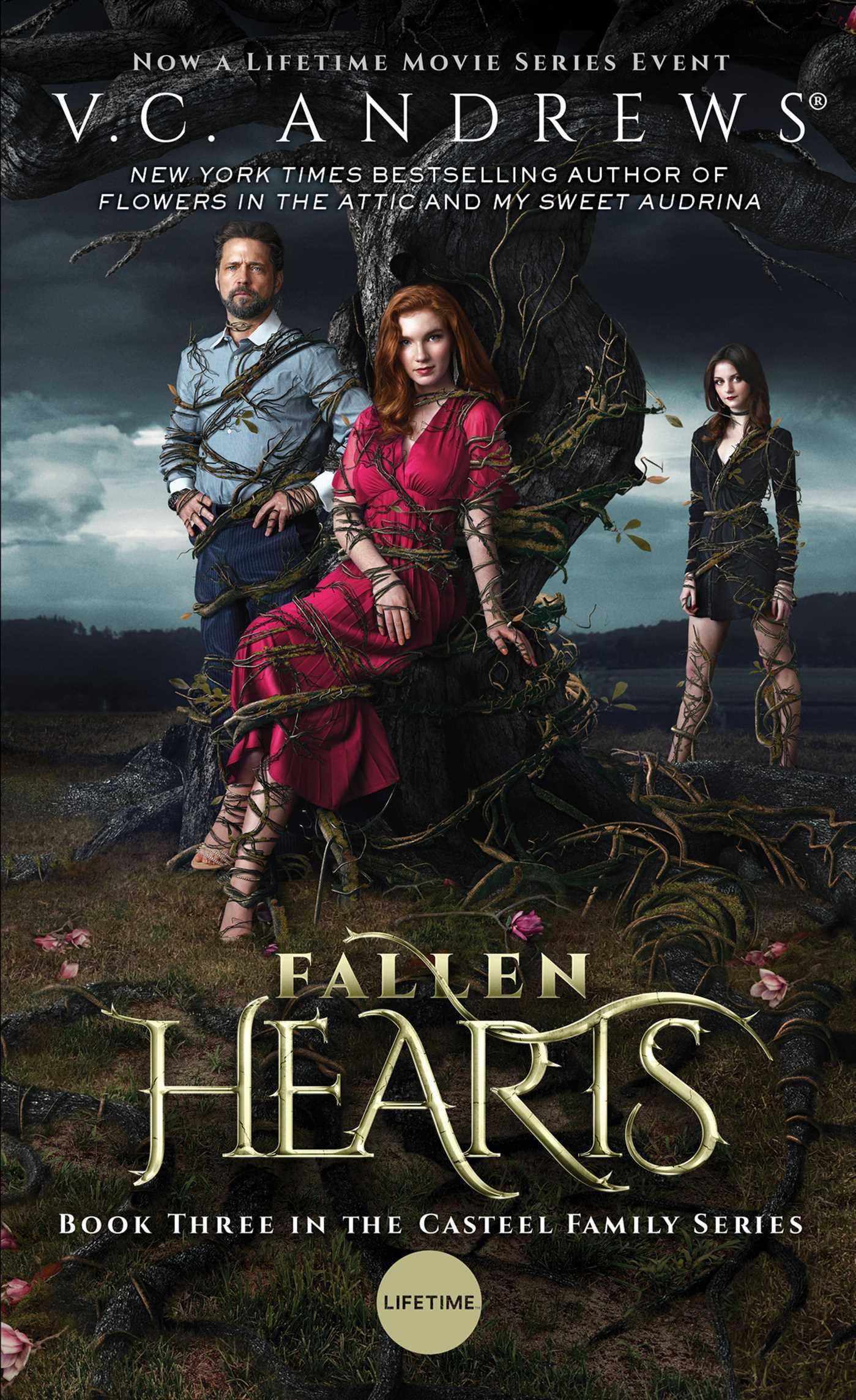
The cultural staying power of Andrews' work is evident in its adaptation history. Following the original 1987 film adaptation of Flowers in the Attic, Lifetime released a series of successful television movie adaptations throughout the 2010s and 2020s, including The Flowers in the Attic: The Origin event series (2022). These adaptations highlight how her themes of secret inheritances, family trauma, and moral compromise continue to resonate with modern audiences.
How to Approach Reading and Analyzing V.C. Andrews’ Work
For readers, scholars, and literary enthusiasts looking to explore the V.C. Andrews canon, a structured approach helps navigate the vast bibliography.
Core Dollanganger Series (1979–1986) ---> Standalone Psychological Classics ---> Expanded Series (Neiderman Era) [Flowers in the Attic to Garden] [My Sweet Audrina] [Casteel / Cutler / Landry]
Essential Reading Sequence
- The Dollanganger Series (Original Quad):
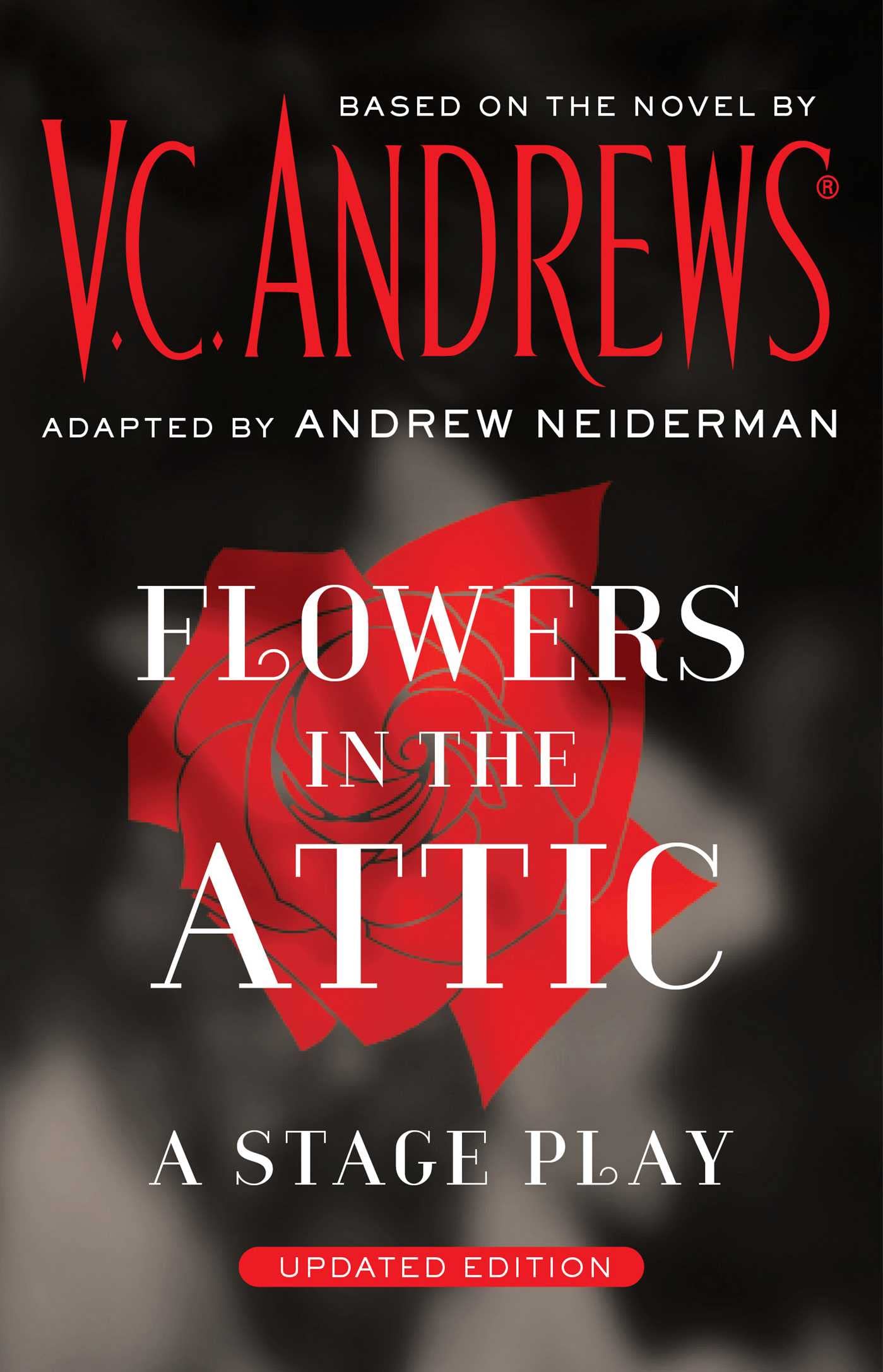
- Flowers in the Attic (1979) – The core text establishing the attic captivity framework.
- Petals on the Wind (1980) – Explores trauma response, escape, and vengeance.
- If There Be Thorns (1981) – Shifts perspective to the next generation, examining the psychological inheritance of trauma.
- Seeds of Yesterday (1984) – Concludes the original story cycle at Foxworth Hall.
- Standalone Masterpiece:
- My Sweet Audrina (1982) – A tight psychological gothic novel focusing on memory loss, replaced identity, and sisterly obsession. It is widely considered Andrews' most psychologically complex single volume.
- The Casteel Series:
- Starting with Heaven (1985), this series traces rural poverty, family separation, and elite exploitation, representing Andrews' transition toward broader multi-generational sagas.
Key Analytical Lenses for Study
- Spatial Analysis: Examine how enclosed architecture (attics, locked rooms, closets) functions as a physical metaphor for psychological repression.
- Socioeconomic Critique: Analyze how the pursuit of wealth, inheritances, and class mobility drives characters to abandon moral and familial duties.
- Feminist Gothic Theory: Evaluate how female protagonists negotiate agency, bodily autonomy, and survival within patriarchal and maternal power structures.
Frequently Asked Questions
Did V.C. Andrews write all the books published under her name?
No. V.C. Andrews wrote the original Dollanganger series (Flowers in the Attic, Petals on the Wind, If There Be Thorns, Seeds of Yesterday), My Sweet Audrina, and the early installments of the Casteel series (Heaven, Dark Angel). Following her death in 1986, ghostwriter Andrew Neiderman was hired by her estate to complete drafts and continue writing novels under her name.
What is the difference between classic gothic and contemporary gothic fiction?
Classic gothic fiction (18th and 19th centuries) typically features medieval castles, supernatural elements, European settings, and aristocratic villains. Contemporary gothic fiction, as pioneered by V.C. Andrews, transplants these atmospheric elements into modern, recognizable settings—such as suburban homes, family estates, and private schools—focusing on psychological horror, domestic abuse, and generational secrets rather than ghosts or monsters.
Why was Flowers in the Attic so controversial upon its release?
Flowers in the Attic generated controversy due to its explicit depiction of severe child abuse, emotional cruelty, poisonings, and consensual sibling incest between teenagers trapped in isolation. Despite attempts to ban the book in various school districts and libraries, its controversial topics propelled it onto bestseller lists worldwide.
How did V.C. Andrews influence the modern "Domestic Noir" thriller genre?
Andrews shifted the focus of suspense fiction away from external threats and placed it inside the household. Her focus on dangerous family dynamics, deceptive parents, hidden rooms, and childhood trauma created the thematic blueprint for modern psychological thrillers that explore darkness beneath suburban normalcy.
Recommended Next Steps
To deepen your understanding of contemporary gothic literature and V.C. Andrews' legacy:
- Read the Anchor Texts: Begin with Flowers in the Attic (1979) and My Sweet Audrina (1982) to analyze Andrews' primary narrative strategies and spatial horror techniques.
- Explore Critical Scholarship: Consult academic surveys on the female gothic, such as Ellen Moers' Literary Women or Sandra Gilbert and Susan Gubar's The Madwoman in the Attic, to contextualize Andrews within the broader history of women's horror writing.
- Trace the Contemporary Lineage: Read modern domestic noir and contemporary gothic titles—such as Gillian Flynn's Sharp Objects or Catriona Ward's Little Eve—to trace how Andrews' focus on family secrets and domestic captivity continues to shape twenty-first-century fiction.
Image Gallery