Navigating Commercial Auto Insurance in Bay City, MI: A Comprehensive Guide for Business Owners
Commercial auto insurance in Bay City, Michigan, provides essential financial protection for vehicles used in business operations, covering liability, property damage, and medical expenses. Given Michigan’s unique "no-fault" insurance...
Commercial auto insurance in Bay City, Michigan, provides essential financial protection for vehicles used in business operations, covering liability, property damage, and medical expenses. Given Michigan’s unique "no-fault" insurance environment and specific regulatory requirements, businesses must balance state-mandated coverage with elective protections to mitigate risks associated with fleet management, deliveries, and employee-driven transport.
Contents
Understanding the Michigan Regulatory Landscape
Michigan is distinct among states due to its mandatory no-fault insurance system. For commercial entities, this means that insurance policies must be structured to comply with the Michigan Insurance Code. When operating a business in Bay City, you are not merely insuring against standard accidents; you are operating within a legal framework that prioritizes personal injury protection (PIP) and property protection insurance (PPI).
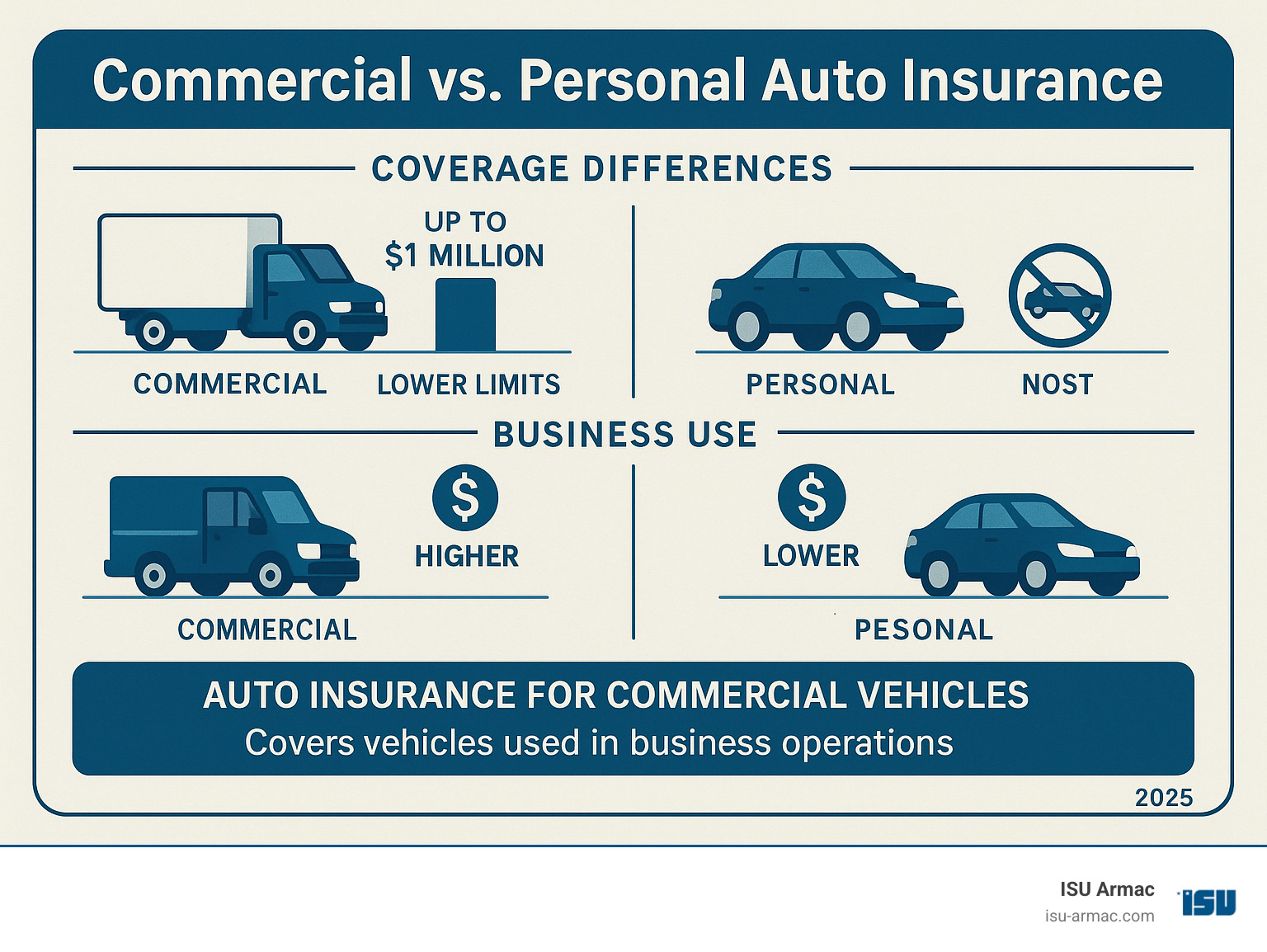
Unlike standard personal auto policies, commercial auto insurance is designed to cover the specialized risks of business use. If an employee uses a personal vehicle for business tasks, or if your company owns a dedicated fleet of trucks, vans, or passenger cars, your standard policy may deny coverage for business-related incidents. Securing a commercial policy ensures that your business assets, such as heavy machinery, specialized equipment, or high-value inventory housed in a vehicle, are protected under a singular, cohesive policy.
Core Components of a Commercial Auto Policy
A robust commercial auto insurance policy in Bay City generally consists of several key layers of protection. Understanding these individual components allows business owners to tailor their coverage to their specific operational risk profile.
- Bodily Injury Liability: This covers the costs if your business vehicle is at fault in an accident that injures another person. In the litigious environment of 2026, adequate limits are essential to protect your business assets from personal injury lawsuits.
- Property Damage Liability: This pays for damages caused by your vehicle to another person’s property, such as another car, a fence, a building, or public infrastructure in Bay City.
- Personal Injury Protection (PIP): Under Michigan law, PIP coverage provides benefits for medical expenses, lost wages, and replacement services resulting from an accident, regardless of who is at fault.
- Comprehensive Coverage: This protects against non-collision events, such as theft, vandalism, fire, or damage caused by weather events—a significant factor in Bay City given the potential for severe winter conditions and lake-effect weather.
- Collision Coverage: This pays for repairs to your company vehicle following an accident, regardless of fault.
- Uninsured/Underinsured Motorist Coverage: This provides a safety net if your business vehicle is struck by a driver who lacks insurance or carries insufficient coverage to pay for the resulting damages.
Determining Coverage Needs for Bay City Businesses
Not every business requires the same level of coverage. Your needs are dictated by the type of work you perform and the assets you maintain. For example, a landscaping business in Bay City using heavy-duty trucks to haul equipment faces significantly different risks than a real estate firm where employees use their personal vehicles to transport clients.
Factors Influencing Insurance Costs
In 2026, insurance premiums are influenced by several variables:
- Vehicle Type and Value: The cost to repair or replace specialized commercial vehicles is higher than standard sedans.
- Driver History: Motor Vehicle Reports (MVRs) for your employees are scrutinized. A history of traffic violations significantly increases premiums.
- Radius of Operation: Insurance companies calculate premiums based on how far your vehicles travel. A local delivery service in Bay City will have a different profile than a company operating regionally across Michigan.
- Coverage Limits and Deductibles: Choosing a higher deductible can lower your premium, but you must ensure your business has the liquid capital to cover that deductible in the event of an emergency.
Comparative Analysis of Coverage Types
| Coverage Type | Primary Purpose | Necessity Level |
|---|---|---|
| Bodily Injury | Legal and medical liability | Mandatory |
| Property Protection | Damage to third-party property | Mandatory |
| Collision | Repairs to company vehicles | Recommended |
| Comprehensive | Weather, theft, vandalism | Highly Recommended |
| Hired/Non-Owned | Coverage for employee-owned cars | Essential for most |
The Importance of Hired and Non-Owned Auto Liability
Many small business owners in Bay City overlook "Hired and Non-Owned Auto Liability." If you ask an employee to run a quick errand in their own car for business purposes, your primary commercial auto policy may not cover the accident. If the employee’s personal insurance is insufficient or denies the claim because the vehicle was being used for business, your company could be held liable. This endorsement is a critical, cost-effective addition to any commercial auto policy that protects the business when employees use their own vehicles for your company's gain.
Steps to Secure Coverage
- Inventory Your Fleet: Create a detailed list of all vehicles, including Vehicle Identification Numbers (VINs), the primary drivers, and the expected daily usage.
- Gather Safety Documentation: Many carriers offer discounts for businesses that have formalized driver safety programs, regular vehicle maintenance schedules, and telematics systems installed to track driving habits.
- Contact Licensed Producers: Work with an independent insurance agent or a direct carrier representative who understands the Michigan-specific mandates. Because commercial policies are customizable, working with a local professional who knows the Bay City area can ensure you aren't paying for unnecessary coverages.
- Review the Quote: Analyze the "Declarations Page." Ensure that the "Business Use" classification is accurate and that all relevant endorsements are included.
- Ongoing Maintenance: Treat insurance as a dynamic document. If you sell a vehicle, hire a new driver, or expand your service area, notify your insurer immediately to avoid coverage gaps.
Frequently Asked Questions
1. Is my personal auto policy sufficient for business use in Bay City? Generally, no. Most personal policies contain "business use" exclusions. If you are involved in an accident while performing business tasks, your personal insurer may deny the claim, leaving your business personally and financially exposed.
2. How does Michigan’s "no-fault" law affect my commercial auto insurance? The law requires that your business maintain specific levels of PIP coverage. You must ensure your policy meets these state-mandated minimums to avoid legal penalties and ensure your employees are protected according to state statutes.
3. Does commercial auto insurance cover cargo or tools inside the vehicle? Typically, standard commercial auto insurance does not cover the tools or goods inside the vehicle. You likely need "Inland Marine" insurance or a commercial property endorsement to protect equipment, inventory, or cargo.
4. Can I get a discount for having multiple vehicles? Yes, most insurance carriers offer fleet discounts. If you have a significant number of vehicles under one policy, you may be eligible for tiered pricing.
5. How often should I review my policy? You should review your policy annually or whenever there is a major operational change. In 2026, rising costs of vehicle parts and labor mean your policy limits should be checked to ensure they keep pace with current repair costs.
Next Steps for Your Business
To protect your commercial operations, start by auditing your current driving procedures. Ensure your employees have valid driver's licenses and clean driving records. Once your risk management practices are in place, contact a commercial insurance broker to request quotes from multiple A-rated carriers. Prioritize policies that provide both comprehensive protection and responsive claims support, as the speed of resolution is as vital as the coverage itself when your business vehicles are out of service.
Image Gallery