What Are the Best Fan Films: Defining Excellence in Independent Media
The best fan films are non-commercial, independent motion pictures created by passionate devotees of established intellectual properties, showcasing exceptional production values, narrative fidelity, and technical craftsmanship that ri...
The best fan films are non-commercial, independent motion pictures created by passionate devotees of established intellectual properties, showcasing exceptional production values, narrative fidelity, and technical craftsmanship that rival official studio releases.
Contents
Understanding the Fan Film Phenomenon
Fan films occupy a unique, highly scrutinized niche within modern media culture. Created by enthusiasts, hobbyists, and emerging filmmakers, these projects draw inspiration from established cinematic universes, comic book franchises, video games, and literary canons. Unlike commercial studio productions, fan films are characterized by a distinct lack of institutional financing. Creators typically rely on crowd-funding platforms like Kickstarter or Indiegogo, out-of-pocket savings, volunteer labor, and donated equipment to bring their visions to life.
The primary motivation behind these projects is artistic expression and community celebration rather than profit. Copyright holders generally tolerate or officially permit fan films provided they remain strictly non-commercial, meaning creators cannot sell tickets, monetize YouTube streams, or secure direct financial backing from the intellectual property owners. This legal reality shapes the landscape, ensuring that every frame produced is a labor of love rather than a corporate calculation.
Criteria for Evaluating Fan Film Excellence
With thousands of fan-made productions circulating across platforms like YouTube and Vimeo, identifying the top tier requires a rigorous analytical framework. A production cannot earn a reputation for excellence merely on the strength of its source material; it must prove its worth through execution.
When critics, film historians, and dedicated communities evaluate fan-made cinema, several core pillars determine quality:
- Production Design and Visual Effects: The ability to replicate or faithfully expand upon a universe's established aesthetic using limited resources, practical sets, and modern CGI.
- Narrative Cohesion: A script that respects established canon while telling an original, compelling story that avoids feeling like a dry exposition dump or a rehashed plotline.
- Performances and Directing: Credible acting, precise pacing, and professional cinematography that elevate the project above a standard amateur home video.
- Audio Engineering: A pristine sound design, clear dialogue mixing, and original or faithfully adapted musical scores that evoke the emotional weight of the official franchise.
Standout Examples Across Major Franchises
Certain franchises have inspired entire sub-industries of amateur and semi-professional filmmaking. Examining the most celebrated titles reveals the high-water mark of what independent creators can achieve.
Sci-Fi and Fantasy Epics
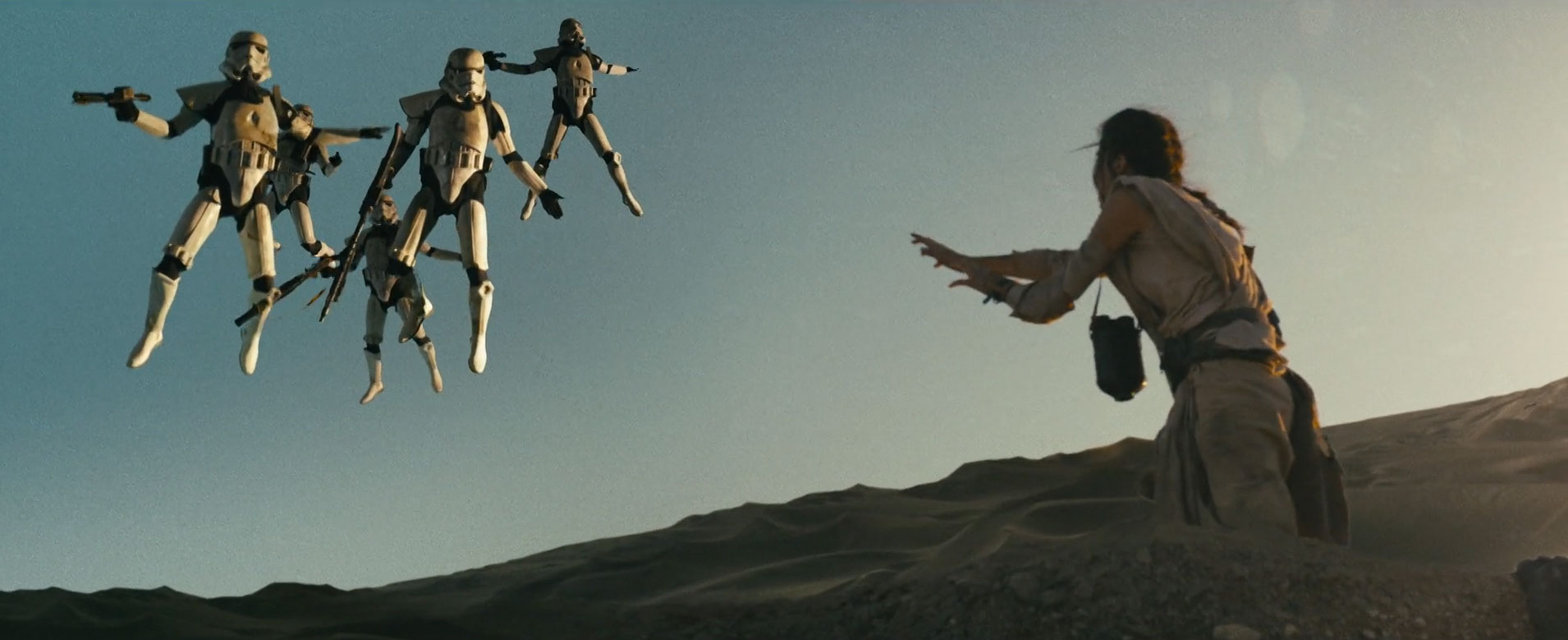
In the realm of science fiction, few properties match the scale of fan productions inspired by Star Wars and Star Trek. Star Wars: Revelations (2005) broke early ground by utilizing digital backlots and complex CGI space battles long before green-screen technology became accessible to everyday creators. Years later, projects like Star Wars: Darth Plagueis and various entries from studios like Star Wars Theory raised the bar further with high-end costume design and visceral lightsaber choreography.
Similarly, Star Trek: Continues set a gold standard for fidelity by meticulously reconstructing the original 1960s USS Enterprise sets, utilizing the exact color palettes, lighting schemes, and Panavision lens ratios of the original television series. By casting veteran actors and welcoming guest stars from the original era, Star Trek: Continues bridged the gap between fan homage and archival restoration.
| Title | Franchise | Notable Achievement | Estimated Budget Tier |
|---|---|---|---|
| Star Trek: Continues | Star Trek | Meticulous set recreation and canonical fidelity | Mid-Range (Crowdfunded) |
| Batman: Dead End | DC Comics | Seamless crossover of iconic villains and gritty tone | Low-Budget / Independent |
| Fallout: Nuka Break | Fallout | High-production-value post-apocalyptic world-building | Crowdfunded Web Series |
| Portal: No Escape | Valve (Portal) | Cinematic short capturing game mechanics and atmosphere | Micro-Budget |
Video Game Adaptations and Action Thrillers
Interactive media offers rich soil for cinematic expansion. Because traditional game adaptations often struggle in Hollywood, independent creators frequently step in to deliver what fans demand. Fallout: Nuka Break successfully translated the gritty, retro-futuristic aesthetic of Bethesda’s wasteland into a multi-episode live-action series complete with practical Vault suits, functional prop weapons, and authentic dark humor.
In the realm of superhero cinema, Batman: Dead End (2003) directed by Pat Mullin stunned comic book fans at San Diego Comic-Con by pitting the Dark Knight against both Alien and Predator creatures in a rain-soaked, atmospheric Gotham City. Shot on a minuscule budget for the era, its practical suit design and uncompromising tone proved that mood and choreography could compensate for Hollywood-scale funding.
Legal Boundaries and Intellectual Property Guidelines
Before exploring or creating independent media, understanding the legal framework governing fan productions is essential. Intellectual property (IP) law fiercely protects characters, trademarks, and copyrighted stories.
Most major media conglomerates operate under a spectrum of tolerance. Lucasfilm, for instance, has historically permitted non-commercial Star Wars fan films provided they do not infringe on copyrights, contain original content rather than copied footage, and remain strictly free of charge. Conversely, other studios maintain zero-tolerance policies, resulting in swift takedown notices or legal challenges if a project utilizes trademarked logos or proprietary character names without authorization.
Creators must navigate these boundaries carefully by:
- Ensuring all funds raised are strictly allocated to production costs, with zero profit margin.
- Avoiding the use of official studio fonts, logos, or audio cues that could mislead viewers into thinking the project is an official release.
- Releasing the completed work exclusively on free-to-watch platforms without monetization.
Common Pitfalls in Fan Filmmaking
Aspiring creators often fall into predictable traps that undermine their projects. Recognizing these missteps helps viewers appreciate the discipline required to produce a genuinely great fan film.
- Over-Reliance on Digital Effects: Many creators substitute story substance with an excess of CGI, resulting in a cluttered visual landscape that strains credulity.
- Exposition Heavy Dialogues: Because fan films often operate in pre-established universes, scripts frequently waste valuable runtime explaining lore to the audience rather than advancing the plot.
- Audio Inconsistencies: Poor microphone placement, unmixed voice tracks, and clipping audio remain the fastest ways an otherwise visually impressive project betrays its amateur origins.
Frequently Asked Questions
Are fan films legal to watch and share?
Yes, watching and sharing non-commercial fan films is generally legal, as hosting platforms like YouTube facilitate user-generated content. However, the legality depends on the copyright holder’s current policies and whether the creators monetize the content.
Can fan film creators make money from their work?
No. To maintain protection under fair use, parody, or studio leniency guidelines, fan films must be entirely non-commercial. Creators cannot sell merchandise, charge admission, or enable ad revenue on platforms hosting the film.
Where can I find the best fan films online?
Dedicated communities on YouTube, Vimeo, and specific Reddit forums like r/fanfilms aggregate top-tier independent productions. Annual film festivals, such as the official Star Wars Fan Film Awards, also showcase vetted, high-quality entries.
How do fan films secure funding without a studio?
Most projects rely on community-driven crowdfunding platforms like Kickstarter, Patreon, and Indiegogo. Creators pitch their concepts using concept art, teaser trailers, and passion statements to secure micro-donations from fellow fans.
Do fan films ever lead to professional filmmaking careers?
Yes. Numerous industry directors, visual effects artists, and writers used early fan films as calling cards to demonstrate their technical competence and storytelling ability to major Hollywood studios.
Moving Forward as a Viewer and Creator
Whether you are an enthusiast seeking to explore high-end alternative narratives or an aspiring director looking to test your technical skills, the world of fan cinema offers boundless creative energy. By appreciating the rigorous craftsmanship, navigating legal boundaries with care, and supporting independent creators, audiences ensure that these passion projects continue to push the boundaries of independent media.
Image Gallery