The Cast of TV's Pride and Prejudice: Key Actors and Ensemble Profiles
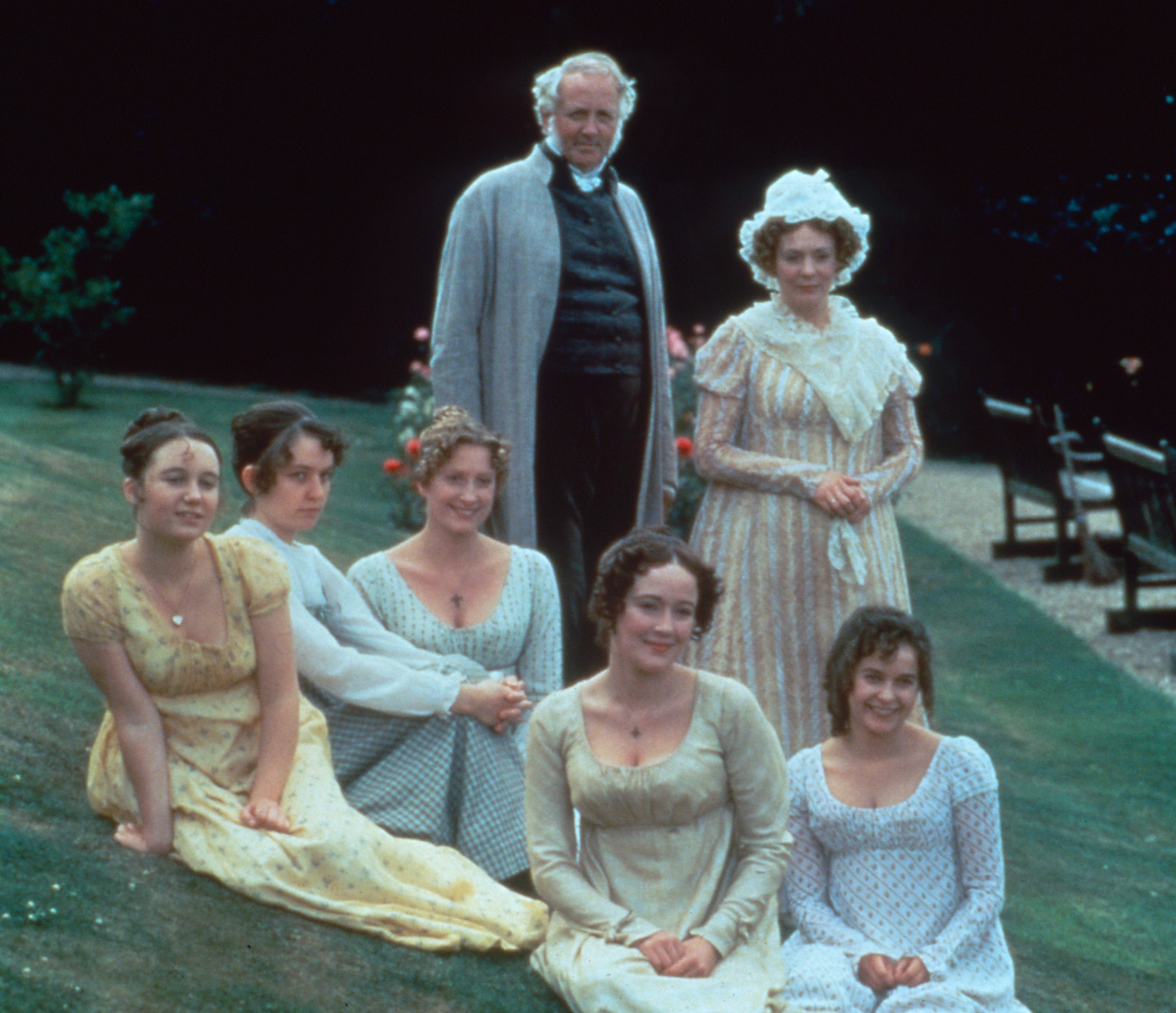
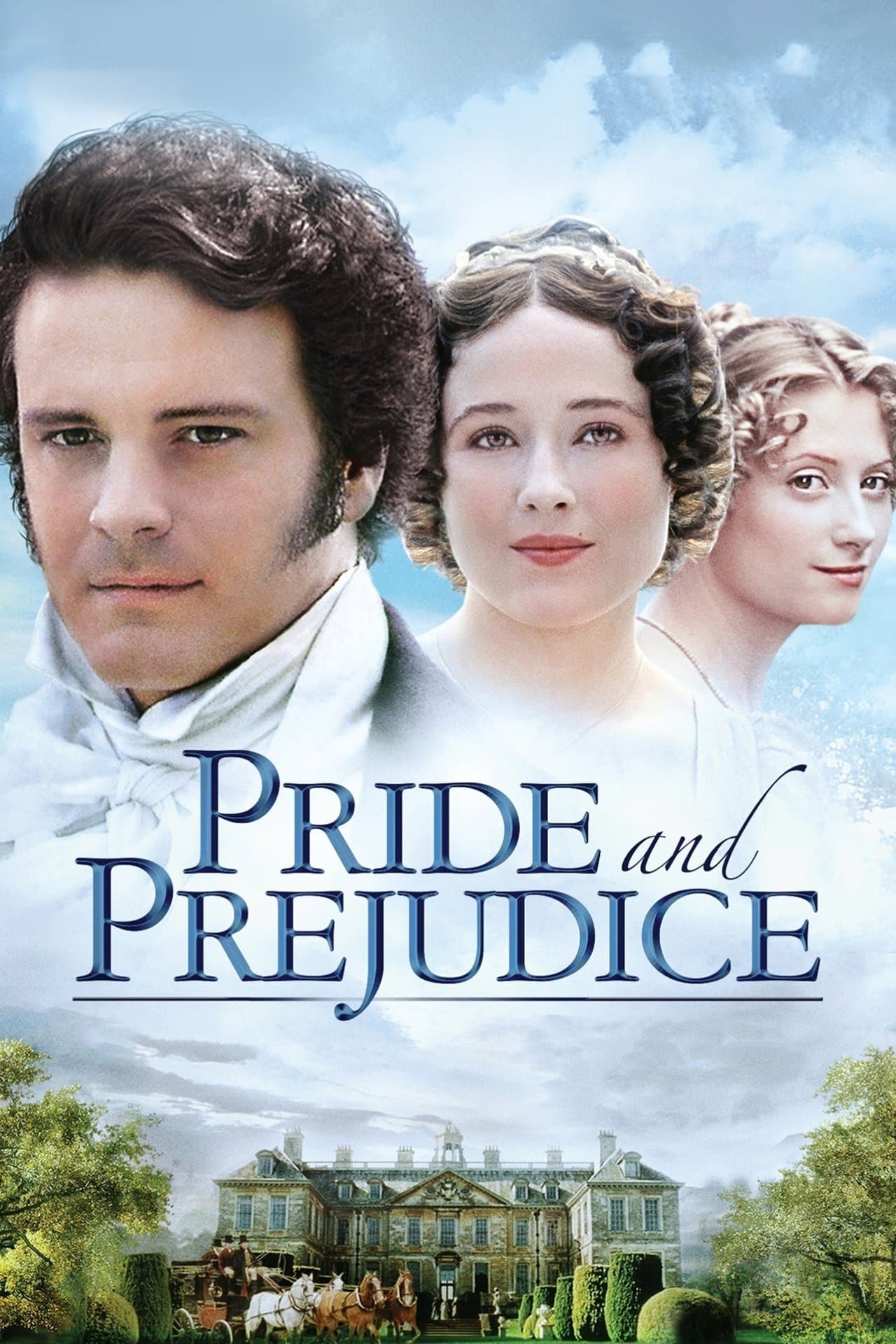
The cast of the definitive 1995 BBC television adaptation of Pride and Prejudice features Jennifer Ehle as Elizabeth Bennet and Colin Firth as Fitzwilliam Darcy. Supported by Alison Steadman, Benjamin Whitrow, David Bamber, Julia Sawal...
The cast of the definitive 1995 BBC television adaptation of Pride and Prejudice features Jennifer Ehle as Elizabeth Bennet and Colin Firth as Fitzwilliam Darcy. Supported by Alison Steadman, Benjamin Whitrow, David Bamber, Julia Sawalha, and Susannah Harker, this celebrated ensemble brought Jane Austen’s 1813 novel to life across six landmark episodes.
Contents
The Legacy of the 1995 Television Ensemble
Jane Austen’s classic narrative has seen multiple screen adaptations, but the 1995 BBC television miniseries—adapted by screenwriter Andrew Davies and directed by Simon Langton—remains the gold standard for television casting. Produced by Sue Birtwistle, the production prioritized narrative fidelity, naturalistic dialogue, and vibrant physical performances that captured both the social satire and romance of Regency England.
The casting process focused on pairing seasoned theatrical performers with vibrant screen talents. Rather than relying solely on established cinematic stars, the production team selected actors who could navigate the subtle social distinctions, ironies, and emotional arcs inherent in Austen’s text. The chemistry between the lead performers, combined with precise character acting across the supporting roles, turned the series into a critical and commercial benchmark for costume drama.
Principal Cast Profiles: The Bennet Household and Key Suitors
- The Bennet Household
- Jane Bennet (Susannah Harker)
- Charles Bingley (Crispin Bonham-Carter)
- Elizabeth Bennet (Jennifer Ehle)
- Fitzwilliam Darcy (Colin Firth)
- Mary Bennet (Lucy Briers)
- Kitty Bennet (Polly Maberly)
- Lydia Bennet (Julia Sawalha)
- George Wickham (Adrian Lukis)
- Jane Bennet (Susannah Harker)
Jennifer Ehle as Elizabeth Bennet
Jennifer Ehle delivered a career-defining performance as Elizabeth Bennet, the witty, independent second daughter of the Bennet family. Ehle embodied Elizabeth’s intellectual sharpness and playful disposition without allowing the character to appear overly modern or detached from her Regency surroundings.
Ehle’s performance earned her the British Academy Television Award (BAFTA) for Best Actress in 1996. Her expressive screen presence—particularly her subtle eye movements and delivered ironies—anchored the narrative tension between Elizabeth's hasty judgments and her growing self-awareness. Following the miniseries, Ehle established a distinguished international career across stage and screen, winning two Tony Awards for her work on Broadway.
Colin Firth as Fitzwilliam Darcy
Colin Firth’s portrayal of Fitzwilliam Darcy transformed the character into an enduring cultural icon. Firth approached Darcy not as a traditional romantic hero, but as a deeply reserved, socially uncomfortable aristocrat whose pride stems from aristocratic duty rather than malice.
Firth’s understated performance relies heavily on unspoken emotion, physical restraint, and internal conflict. The character's famous scene emerging from the lake at Pemberley—conceived by screenwriter Andrew Davies to emphasize Darcy's physical presence—became one of the most recognizable moments in British television history. Firth’s performance launched him into global stardom, leading to acclaimed roles in film, including his Oscar-winning performance in The King's Speech (2010).
Alison Steadman as Mrs. Bennet
Alison Steadman brought high-energy comedic performance to the role of Mrs. Bennet, the anxious mother obsessed with securing financially advantageous marriages for her five daughters. Steadman portrayed Mrs. Bennet’s social desperation and hysterical outbursts with theatrical commitment, serving as the primary driver of domestic chaos within the Bennet home. While some critics initially debated the intensity of her interpretation, her portrayal accurately reflects the genuine financial peril facing un-entailed women of the period.
Benjamin Whitrow as Mr. Bennet
In contrast to Steadman’s frantic energy, Benjamin Whitrow offered a masterclass in dry humor and passive detachment as Mr. Bennet. Whitrow played the family patriarch with weary affection, capturing a father who uses sarcasm to cope with household foolishness while failing to exercise necessary paternal authority over his younger daughters. Whitrow earned a BAFTA nomination for Best Actor for his performance, which remains one of the most praised interpretations of the character.
Susannah Harker and Crispin Bonham-Carter (Jane Bennet and Charles Bingley)
Susannah Harker played Jane Bennet, the gentle, optimistic eldest sister whose unaffected goodness contrasts with Elizabeth's critical eye. Harker projected quiet grace and emotional vulnerability, providing a plausible anchor for Darcy's initial skepticism regarding her affection for Bingley.
Crispin Bonham-Carter portrayed Charles Bingley, Darcy's wealthy, open-hearted friend. Bonham-Carter captured Bingley's enthusiasm, modesty, and susceptibility to the influence of his friend and sisters, making his romance with Jane one of the production's emotional bedrocks.
Julia Sawalha, Lucy Briers, and Polly Maberly (Lydia, Mary, and Kitty Bennet)
- Julia Sawalha (Lydia Bennet): Already widely recognized for her work in Absolutely Fabulous, Sawalha was cast against age expectations to play the reckless, 15-year-old Lydia. Sawalha conveyed Lydia’s self-absorbed energy and total disregard for social propriety, driving the dramatic crisis of the final acts when Lydia elopes with George Wickham.
- Lucy Briers (Mary Bennet): Briers played the pedantic, socially awkward middle sister. She delivered Mary's self-righteous moralizing and awkward musical attempts with comedic precision, emphasizing the character's isolation within the family unit.
- Polly Maberly (Kitty Bennet): Maberly portrayed the impressionable fourth daughter who follows Lydia’s lead in all things, capturing the character's shallow interests and constant giggling before Lydia's departure highlights Kitty's capacity for reform.
Supporting Cast and Key Antagonists
- Key Antagonists & Allies
- Lady Catherine de Bourgh (Barbara Leigh-Hunt)
- Rosings Park Estate
- George Wickham (Adrian Lukis)
- Militia Officer
- Mr. Collins (David Bamber)
- Hunsford Rectory
- Lady Catherine de Bourgh (Barbara Leigh-Hunt)
David Bamber as Mr. Collins
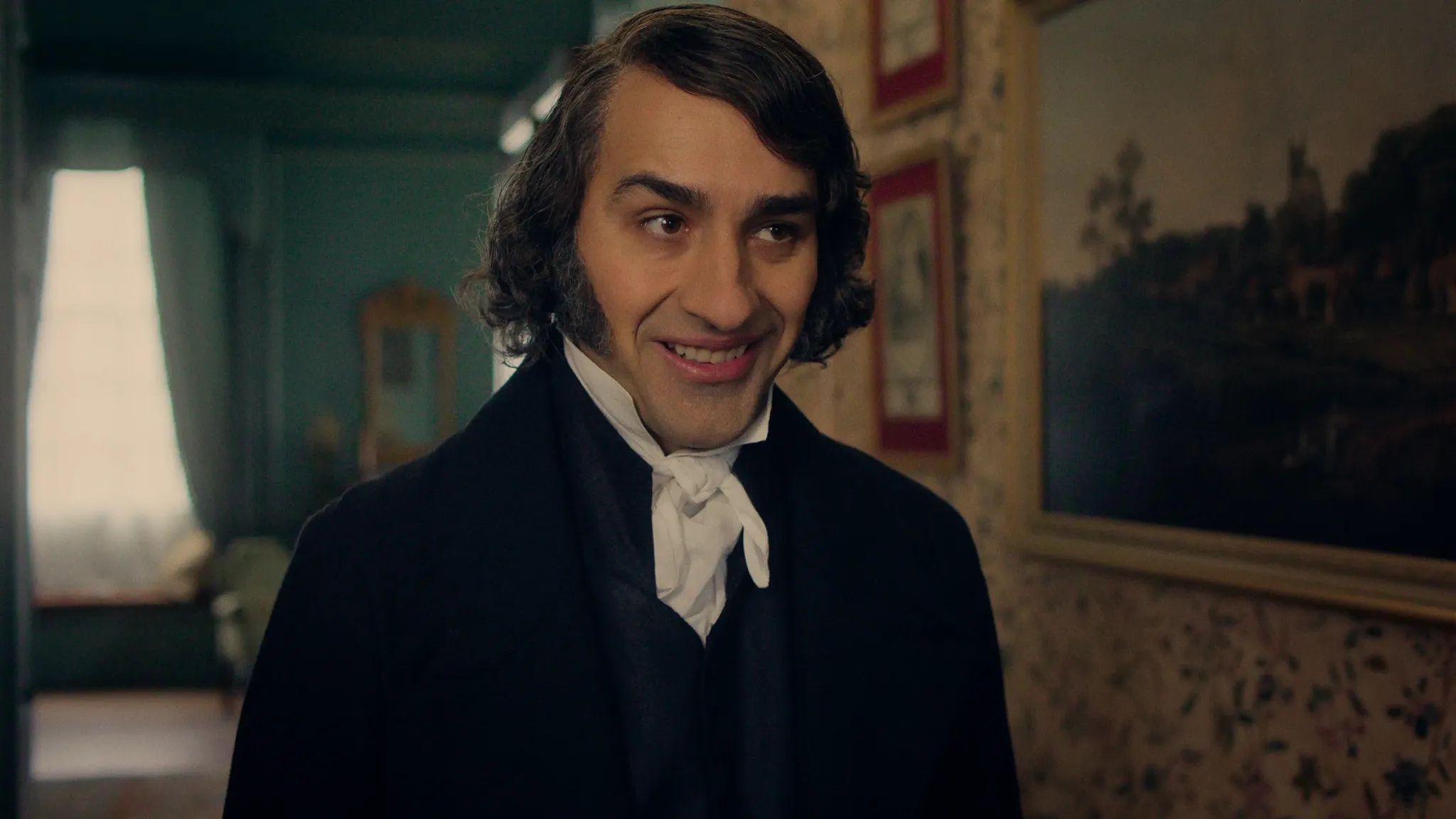
David Bamber’s performance as the obsequious clergyman Mr. Collins is widely regarded as a benchmark character study. Bamber played Collins with greasy pomposity, rigid physical posture, and ridiculous deference to his patroness, Lady Catherine de Bourgh. Rather than reducing Collins to pure caricature, Bamber captured the character's genuine self-importance and utter lack of self-awareness during his failed proposal to Elizabeth.
Adrian Lukis as Mr. George Wickham
Adrian Lukis provided the charm and superficial elegance required for Mr. George Wickham, the militia officer whose plausible lies deceive Elizabeth and the Meryton community. Lukis balanced initial warmth with an underlying moral bankruptcy, ensuring that Wickham's descent into financial opportunism and reckless elopement felt grounded in personality rather than sudden villainy.
Anna Chancellor as Caroline Bingley
Anna Chancellor played Caroline Bingley, Charles Bingley’s condescending sister who harbors ambitions of marrying Mr. Darcy. Chancellor brought aristocratic disdain, razor-sharp social judgment, and passive-aggressive politeness to the role. Interestingly, Chancellor is a direct descendant of Jane Austen’s brother, Edward Austen Knight, adding a historical connection to her performance.
Barbara Leigh-Hunt as Lady Catherine de Bourgh
Barbara Leigh-Hunt portrayed the formidable Lady Catherine de Bourgh, Darcy’s domineering aunt. Leigh-Hunt captured the arrogance of unchecked privilege, delivering Lady Catherine's intrusive inquiries and dictatorial pronouncements with absolute authority. Her confrontation with Elizabeth in the gardens of Longbourn stands as one of the adaptation's dramatic highlights.
Emilia Fox as Georgiana Darcy
Emilia Fox made her professional television debut as Georgiana Darcy, Darcy’s shy, musically talented younger sister. Fox conveyed Georgiana's gentleness and residual trauma from her near-elopement with Wickham. In an interesting casting parallel, Fox is the real-life daughter of actress Joanna David, who played Mrs. Gardiner in the very same production.
Detailed Overview: 1995 Cast Roles and Subsequent Careers
The table below outlines the primary cast members of the 1995 BBC television adaptation, their respective roles, key narrative functions, and notable subsequent achievements.
| Actor | Character | Character Description | Notable Subsequent Roles / Recognition |
|---|---|---|---|
| Jennifer Ehle | Elizabeth Bennet | Intelligent, witty second Bennet daughter | The King's Speech, Contagion, Two-time Tony Award Winner |
| Colin Firth | Fitzwilliam Darcy | Wealthy, reserved master of Pemberley | The King's Speech (Oscar Winner), A Single Man, Kingsman |
| Alison Steadman | Mrs. Bennet | Neurotic, marriage-obsessed Bennet mother | Gavin & Stacey, Life is Sweet, OBE recipient |
| Benjamin Whitrow | Mr. Bennet | Sarcastic, detached Bennet father | Chicken Run, Personal Services, BAFTA nominee |
| Susannah Harker | Jane Bennet | Eldest, gentle Bennet daughter | House of Cards (1990), Ultra, Stage productions |
| Crispin Bonham-Carter | Charles Bingley | Amiable, wealthy suitor of Jane | Bridget Jones's Diary, Educator & Director |
| Julia Sawalha | Lydia Bennet | Wild, headstrong youngest Bennet daughter | Absolutely Fabulous, Lark Rise to Candleford, Chicken Run |
| David Bamber | Mr. Collins | Sycophantic clergyman and Bennet cousin | Valkyrie, Rome, The King's Speech |
| Adrian Lukis | George Wickham | Charming, deceptive militia officer | Toast of London, SAS: Rogue Heroes, Peak Practice |
| Anna Chancellor | Caroline Bingley | Snobbish sister of Charles Bingley | Four Weddings and a Funeral, The Hour, Spooks |
| Lucy Briers | Mary Bennet | Serious, bookish third Bennet daughter | Endeavour, Zack Snyder's Justice League, Stage actress |
| Polly Maberly | Kitty Bennet | Impressionable fourth Bennet daughter | The Bill, Midsomer Murders, Stage productions |
| Barbara Leigh-Hunt | Lady Catherine | Tyrannical aristocrat, Darcy's aunt | Frenzy, Billy Elliot, Olivier Award Winner |
| Joanna David | Mrs. Gardiner | Sensible, affectionate aunt to the Bennets | Bleak House, Inspector Morse, Stage veteran |
| Tim Wylton | Mr. Gardiner | Respectable merchant, uncle to the Bennets | My Hero, Beatrix: The Every Day Story of Beatrix Potter |
| Emilia Fox | Georgiana Darcy | Shy, gentle younger sister of Darcy | Silent Witness, Delicious, The Pianist |
Comparative Analysis: The 1995 Cast vs. The 1980 BBC Adaptation
While the 1995 miniseries is the most widely celebrated television adaptation, the 1980 BBC adaptation—written by Fay Weldon and directed by Cyril Coke—remains an important milestone in television history. Comparing the casting choices between these two productions highlights distinct approaches to bringing Jane Austen's text to the screen.
Casting Approach Comparison
| 1980 BBC Adaptation (Weldon / Coke) | 1995 BBC Adaptation (Davies / Langton) |
|---|---|
| • Studio-bound theatrical staging | • On-location filmic naturalism |
| • Dialogue-heavy, cerebral focus | • Physical chemistry and subtext |
| • David Rintoul: Aloof, aristocratic | • Colin Firth: Internally conflicted |
| • Elizabeth Garvie: Studio-trained wit | • Jennifer Ehle: Expressive, expressive |
Elizabeth Garvie vs. Jennifer Ehle (Elizabeth Bennet)
In the 1980 version, Elizabeth Garvie delivered a highly articulate, poised Elizabeth Bennet. Her delivery was studio-trained and precise, focusing heavily on Weldon's dialogue.
Jennifer Ehle’s 1995 interpretation added physical energy, laughter, and visual reactivity. Ehle’s performance made Elizabeth feel more embedded in nature and daily domestic life, utilizing non-verbal cues to show her internal shift from prejudice to affection.
David Rintoul vs. Colin Firth (Mr. Darcy)
David Rintoul played Mr. Darcy in 1980 with unyielding aristocratic distance. His performance was stiff, formal, and emotionally contained throughout almost the entire series, adhering closely to a traditional period drama aesthetic.
Colin Firth’s 1995 Darcy introduced emotional vulnerability beneath the severe exterior. Firth allowed viewers to see Darcy’s internal struggle, awkwardness, and regret, which made his eventual transformation and warmth toward Elizabeth more dramatic and believable for television audiences.
Production Context and Casting Decisions
The casting success of the 1995 television series resulted from deliberate creative choices made by producer Sue Birtwistle, director Simon Langton, and casting director Jane Frazer.
- Age-Appropriate Ensemble: Unlike earlier theatrical and film versions where actors in their thirties played teenage characters, the 1995 production cast actors who looked and felt appropriate for their roles. Julia Sawalha was cast as Lydia because she possessed the frantic energy needed for a 15-year-old, despite being older at the time of filming.
- Chemistry Reads: The production team prioritized genuine interaction during screen tests. The dynamic between Jennifer Ehle and Colin Firth was evident during early readings, allowing their real-life rapport during production to translate onto screen.
- Theatrical Foundation: The supporting cast was filled with experienced stage actors from the Royal Shakespeare Company and the National Theatre, including David Bamber, Barbara Leigh-Hunt, and Benjamin Whitrow. This background gave the ensemble the vocal precision needed for Austen's complex sentences.
Frequently Asked Questions
Who played Mr. Darcy and Elizabeth Bennet in the 1995 TV series?
Colin Firth played Fitzwilliam Darcy and Jennifer Ehle played Elizabeth Bennet in the 1995 BBC television miniseries. Ehle won a BAFTA TV Award for Best Actress for her performance, while Firth achieved international fame for his portrayal.
How many episodes are in the 1995 TV adaptation of Pride and Prejudice?
The 1995 BBC adaptation consists of six episodes, each running approximately 50 minutes. The extended format allowed screenwriter Andrew Davies to include almost all major characters and subplots from Jane Austen’s original novel.
Are any of the cast members related in real life?
Yes. Emilia Fox, who played Georgiana Darcy, is the real-life daughter of Joanna David, who portrayed Mrs. Gardiner in the same miniseries. Additionally, Anna Chancellor (Caroline Bingley) is a direct descendant of Jane Austen's brother, Edward Austen Knight.
Did Colin Firth perform his own stunts in the famous lake scene?
Colin Firth filmed the sequence where Darcy walks through the grounds of Pemberley in damp clothes, but the actual underwater shot was completed by a stunt double due to infection risks in the lake water at Lyme Park.
Which television adaptions of Pride and Prejudice came before 1995?
The BBC produced several television adaptations prior to 1995, including live broadcasts in 1938 and 1948, miniseries in 1952, 1958, and 1967, and a popular five-part 1980 miniseries starring Elizabeth Garvie and David Rintoul.
Viewing and Study Recommendations
To appreciate the casting and performance nuances of the television adaptations of Pride and Prejudice, viewers and students of screen literature should consider the following steps:
- Watch the 1995 BBC Miniseries sequentially: Pay close attention to how non-verbal acting in episodes 1 through 3 foreshadows the dramatic shifts in episodes 4 through 6, particularly during the Rosings Park proposal scene.
- Compare Performance Styles: Contrast David Bamber’s 1995 performance as Mr. Collins with Malcolm Rennie’s 1980 performance or Tom Hollander’s 2005 film performance to observe how different actors balance satire with realism.
- Analyze Andrew Davies’ Adaptation Decisions: Read Jane Austen’s original text alongside the 1995 screenplay to evaluate how dialogue was distributed across the ensemble to maintain narrative pacing for television.
Image Gallery