Navigating Passenger Rail Lines in the US: The 2026 Comprehensive Infrastructure and Travel Guide
The modern landscape of passenger rail lines in the US in 2026 reflects a transformative era of infrastructure investment, technological modernization, and evolving intercity connectivity. As federal grants from historic legislative pa...
The modern landscape of passenger rail lines in the US in 2026 reflects a transformative era of infrastructure investment, technological modernization, and evolving intercity connectivity. As federal grants from historic legislative packages continue to break ground, travelers, logistics planners, and transit enthusiasts are experiencing a revitalized network. Understanding the distinct classifications of rail service—ranging from federally subsidized national networks to state-supported corridors and privately operated high-speed lines—is essential for efficient navigation across the country.
Contents
The Evolution of American Intercity Rail Networks in 2026
The American passenger rail ecosystem is characterized by a hybrid model of public oversight, state-level partnerships, and private enterprise. Unlike centralized European or Asian rail systems, US passenger rail relies heavily on shared infrastructure where passenger trains frequently operate on freight-owned tracks. This operational reality dictates scheduling dynamics, on-time performance metrics, and infrastructure maintenance schedules.
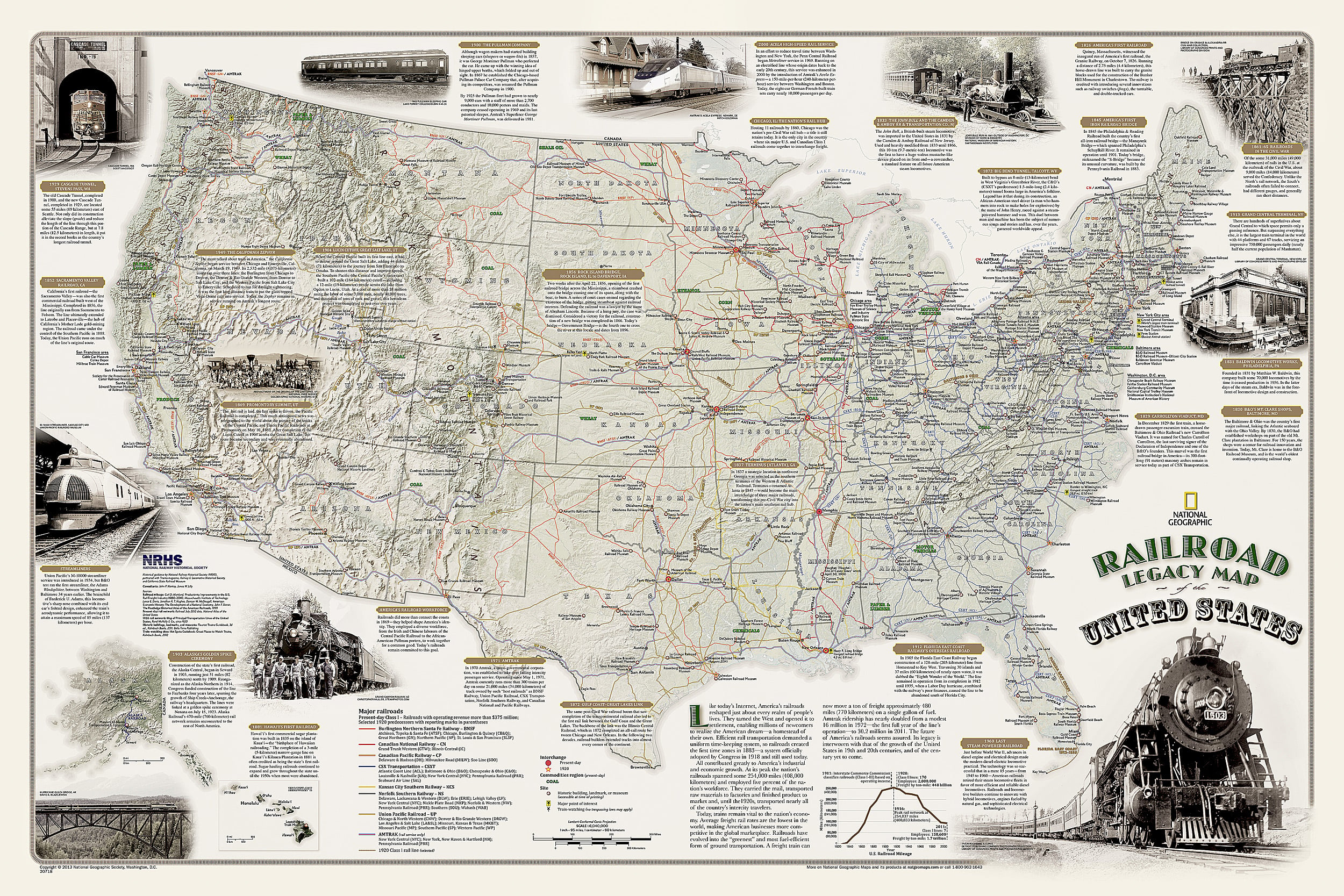
Federal oversight is primarily coordinated through the Federal Railroad Administration (FRA), which sets safety standards, manages capital grants, and oversees long-term corridor development plans. Simultaneously, the National Railroad Passenger Corporation, commonly known as Amtrak, serves as the backbone of intercity transit, connecting over 500 destinations across 46 states and parts of Canada.
- National Network (Long-Distance): Trains operating over hundreds or thousands of miles, providing vital lifelines to rural and remote communities where air service is limited or nonexistent.
- State-Supported Corridors: Shorter routes, typically under 750 miles, heavily subsidized and planned in partnership with individual state departments of transportation to boost regional economies.
- High-Speed and Private Ventures: Emerging regional corridors utilizing dedicated rights-of-way to achieve sustained speeds exceeding 110 to 150 miles per hour, most notably demonstrated by private operations in Florida and ongoing development in the Western United States.
Primary Rail Corridors and Service Categories
Navigating the US rail network requires understanding how different routes are categorized by frequency, onboard amenities, and booking structures. The distinction between a corridor train and a long-distance train dictates everything from ticketing flexibility to seat availability.
Northeast Corridor and High-Density Regional Routes
The Northeast Corridor (NEC), stretching from Washington, D.C., through Philadelphia and New York City to Boston, remains the crown jewel of American passenger rail. Representing the highest ridership density in the country, the NEC features frequent departures, electrified tracks, and premium service tiers.
Operational Standard for High-Density Corridors: Premium services like the Acela operate with reserved seating only, mandatory ticket validation prior to boarding platform entry in major terminals, and specialized business-class amenities designed to cater to corporate commuters and time-sensitive travelers.
State-Supported and Regional Intercity Corridors
Outside the Northeast, state-supported corridors form the engine of regional mobility. Routes such as the Pacific Surfliner in Southern California, the Cascades in the Pacific Northwest, and the Midwest regional network linking Chicago to St. Louis, Detroit, and Minneapolis provide frequent multi-frequency daily runs. These lines emphasize regional integration, often featuring bicycle storage cars, Wi-Fi connectivity, and multimodal connections with local light rail and bus networks.
Long-Distance Transcontinental Routes
Long-distance trains—including the Empire Builder, California Zephyr, and Southwest Chief—prioritize scenic vistas and cross-country connectivity over strict commuter scheduling. These trains feature sleeper cars (Roomettes and Bedrooms) alongside standard Coach seating, a traditional Dining Car, and the iconic Sightseer Lounge car with floor-to-ceiling windows.
Comparative Analysis: US Rail Service Tiers
| Service Tier | Typical Route Length | Primary Rolling Stock | Onboard Amenities | Priority Rights |
|---|---|---|---|---|
| High-Speed / Acela | 100 - 450 miles | Avelia Liberty / Electric Multiple Units | Quiet Cars, First Class, Wi-Fi, Bistro | High (Dedicated & Shared Segments) |
| State-Supported | 50 - 500 miles | Siemens Venture / Horizon / Amfleet | Cafe Car, Bike Racks, Free Wi-Fi | Moderate (Shared with Freight) |
| Long-Distance | 500 - 2,500+ miles | Superliner / Viewliner Bi-levels | Sleeping Cars, Dining Car, Sightseer Lounge | Low (Subject to Freight Delays) |
Operational Realities: Understanding Freight Priority and Scheduling
A defining characteristic of rail travel in the United States is that freight railroads own approximately 97% of the track infrastructure outside of the Northeast Corridor. While federal law theoretically grants passenger trains statutory preference over freight traffic, logistical challenges and freight train lengths often cause cascading delays.
- Host Railroad Interactions: Amtrak and other passenger operators lease track space from Class I freight railroads such as Union Pacific, BSFN, CSX, and Norfolk Southern.
- Performance Metrics: On-time performance (OTP) varies drastically by route. Dedicated state-supported corridors often achieve higher reliability, whereas long-distance routes transiting transcontinental mountain passes are more vulnerable to freight congestion.
- Contingency Planning: Travelers booking multi-leg journeys utilizing long-distance trains should always build generous buffer times into their itineraries, particularly when connecting to regional flights or non-refundable travel bookings.
Step-by-Step Guide: Booking, Boarding, and Maximizing Your Rail Journey
Successfully traveling via US passenger rail requires understanding ticketing mechanics, station protocols, and baggage guidelines that differ significantly from modern commercial aviation.
- Route Selection and Booking Window: Research your route via official carrier portals or authorized aggregators. Booking long-distance sleeper accommodations or peak-season holiday tickets 3 to 6 months in advance secures the lowest fare buckets (Value vs. Flexible tiers).
- Fare Class Selection: Choose between Coach (spacious reclining seats with generous legroom), Business Class (complimentary non-alcoholic beverages and dedicated seating), or Private Rooms (all-inclusive meals in the Dining Car and dedicated sleeping car attendant service).
- Station Arrival Protocols: Arrive at major terminal stations (such as Chicago Union Station, New York Penn Station, or Los Angeles Union Station) at least 45 to 60 minutes prior to departure. Smaller unstaffed platform stops require passengers to be visible on the platform and signal the engineer as the train approaches.
- Baggage Management: Most routes offer generous baggage allowances, allowing up to two carry-on bags and two personal items free of charge, alongside checked baggage services available at major hub stations.
- Boarding and Seating: Listen for gate announcements or monitor digital departure boards. Unlike airlines, boarding is typically conducted by general group or car assignment, and passengers select their specific seats upon entering the coach car unless traveling in a reserved business or sleeper configuration.
Frequently Asked Questions
Are passenger rail lines in the US fully accessible for passengers with disabilities?
Yes, major stations and modern rail equipment comply with Americans with Disabilities Act (ADA) standards, featuring wheelchair lifts, accessible restroom facilities, and designated seating spaces. Passengers requiring specialized boarding assistance or accessible sleeping accommodations should notify customer service at the time of booking to ensure proper station and onboard support.
How do I track my train's real-time status in 2026?
Real-time tracking is available through official carrier mobile applications, interactive website trackers, and third-party transit mapping tools that utilize GPS data transmitted from active locomotives. Checking status updates 2 to 3 hours prior to departure helps mitigate disruptions caused by freight traffic or weather events.
Can I bring bicycles and pets on US passenger trains?
Most state-supported and corridor trains offer dedicated bicycle racks or roll-on bike storage cars for a nominal reservation fee, while long-distance trains require advance box check-ins. Small domesticated pets (dogs and cats under a designated weight limit including the carrier) are permitted on trips up to a specific duration on most routes, subject to prior reservation and vaccination verification.
What happens if my train experiences severe delays?
In the event of major delays exceeding specific thresholds on state-supported routes, operators often provide alternative motorcoach (bus) bridging or vouchers for food and beverage. While statutory passenger compensation models differ from European frameworks, customer relations teams frequently issue travel credits or service adjustments upon formal request following significant disruptions.
Is Wi-Fi consistently available across all US passenger rail lines?
Complimentary or paid Wi-Fi availability varies significantly by route; it is generally reliable and fast on high-density corridors like the Northeast Corridor and select Midwest state-supported services, but highly intermittent or entirely absent on remote long-distance routes traversing mountainous or rural terrain.
Conclusion and Strategic Travel Recommendations
Navigating passenger rail lines in the US requires a blend of preparation, flexibility, and appreciation for the unique operating dynamics of American transportation infrastructure. Whether you are commuting along the bustling Northeast Corridor or embarking on a cross-country journey through the Rocky Mountains aboard a long-distance sleeper car, rail travel offers an unmatched perspective of the continent. Plan your itineraries with realistic time margins, leverage digital tracking tools, and embrace the rhythm of the rails to make the most of your journey across the American landscape.
Image Gallery