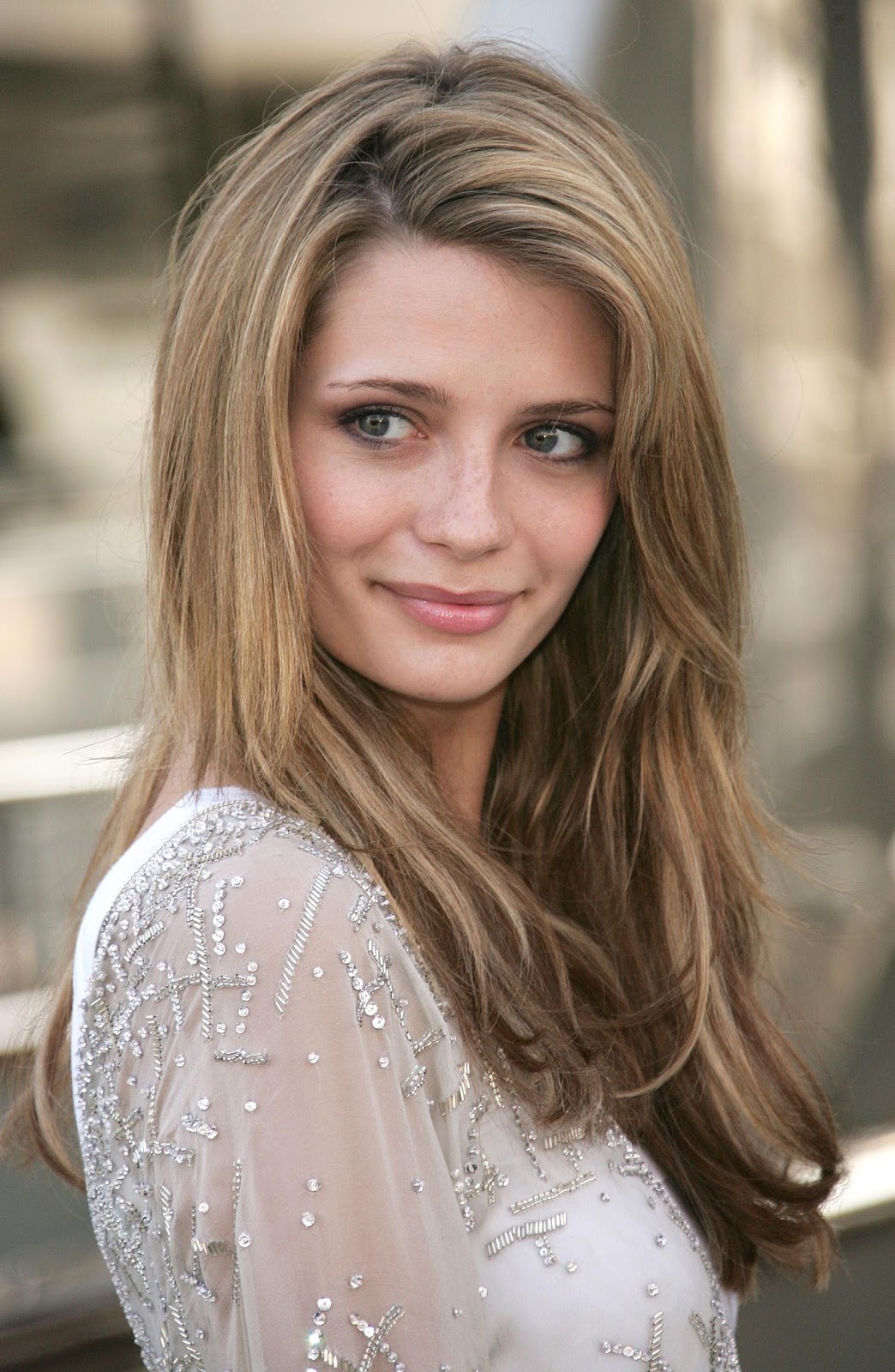
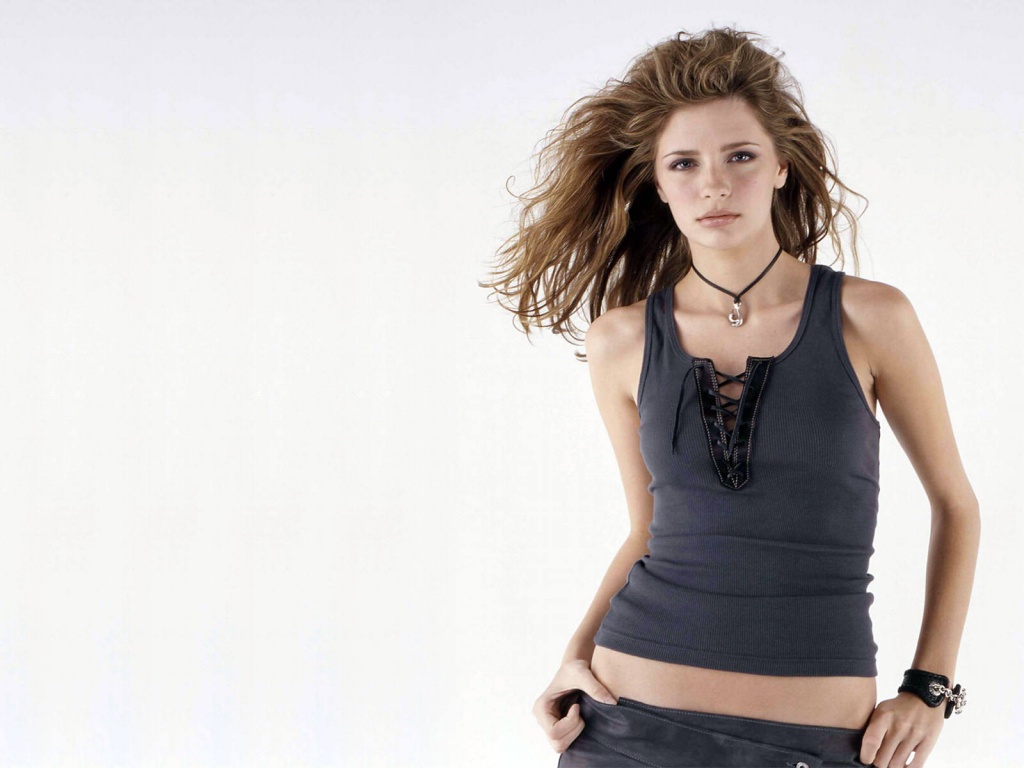
Mischa Barton and the Evolution of a Shifting Public Image
Mischa Barton’s career trajectory serves as a definitive case study in the volatility of celebrity branding during the transition from the mid-2000s tabloid era to the decentralized media landscape of 2026. Often framed by the media th...
Mischa Barton’s career trajectory serves as a definitive case study in the volatility of celebrity branding during the transition from the mid-2000s tabloid era to the decentralized media landscape of 2026. Often framed by the media through intense scrutiny of her personal life and physical appearance, Barton’s public identity has shifted from the archetypal "It Girl" of the early 2000s to a figure navigating mature artistic reinvention, media privacy, and the lasting impact of early-career typecasting.
Contents
The Architecture of Early Fame and Media Objectification
In the mid-2000s, Mischa Barton became the face of the burgeoning "teen drama" revival, primarily through her role as Marissa Cooper on the television series The O.C. During this era, celebrity culture was dictated by print tabloids and early digital gossip blogs that relied heavily on invasive surveillance photography. The public discourse surrounding Barton was frequently reduced to reductive commentary regarding her "hot" status, fashion choices, and shifting physical appearance.
This period was characterized by a lack of digital autonomy for young female stars. The constant scrutiny exerted by the paparazzi, combined with an industry culture that commodified the private lives of young actors, created a stifling environment. The media frequently prioritized narratives of instability over the professional achievements of the actors involved, turning personal challenges into public spectacles. For Barton, this meant her public image was often managed by external narratives rather than her own creative output, creating a disconnect between the person and the public perception.
Shifts in the Digital Media Landscape
As the media industry evolved toward the mid-2020s, the mechanisms governing celebrity image management underwent a systemic transformation. The rise of direct-to-fan communication platforms—primarily through social media—allowed artists to bypass traditional tabloid gatekeepers. For figures like Barton, this shift provided an opportunity to reclaim agency over their public identity.
By 2026, the obsession with a celebrity’s "hot" factor has been partially supplanted by a greater emphasis on professional longevity and the nuances of the acting craft. While the internet remains a hyper-critical space, the decline of the traditional, monolithic tabloid structure has allowed for a more fragmented but potentially more authentic public persona. Barton’s ability to shift her public image has depended on her deliberate move away from the high-pressure environments of the early 2000s and toward projects that align with her artistic interests rather than popular trends.
Analyzing the Impact of Public Scrutiny
Public image is not a static construct; it is a collaborative (and often competitive) negotiation between the subject, the media, and the audience. The "shifting" nature of Barton’s image illustrates how audience perception lags behind personal evolution.
Key Factors in Image Evolution
The following table outlines the contrast between the media environment of the mid-2000s and the current landscape of 2026, and how these factors influence the perception of public figures.
| Factor | Mid-2000s Media Environment | 2026 Media Environment |
|---|---|---|
| Primary Gatekeepers | Print tabloids, gossip columns | Social media, independent creators |
| Image Focus | Physical appearance, "hot" status | Professional portfolio, creative control |
| Narrative Control | External (Media-led) | Hybrid (Subject/Public interaction) |
| Audience Engagement | Passive consumption | Active, platform-based interaction |
| Longevity Metrics | Tabloid circulation/coverage | Sustained work and digital footprint |
Professional Reinvention and Career Trajectory
Barton’s transition beyond the The O.C. era has been marked by a diverse range of work in independent film, theater, and television. By focusing on varied roles, she has challenged the narrow, image-centric labels that defined her early career. This process of reinvention is a common necessity for child and teen stars who seek to shed the limitations of a breakout role.
In 2026, the expectation for a performer to be a multifaceted professional rather than a static "image" is more pronounced. Audiences now more readily accept that an actor's life and professional choices are complex. By consistently engaging with different facets of the entertainment industry, Barton has successfully moved the needle of public perception toward a more grounded, industry-respected professional status.
Addressing the Persistent "Hot" Narrative
A persistent challenge for many actors who rose to fame during their youth is the lingering cultural memory of their initial presentation. The "hot" narrative—a term often used by SEO-driven search traffic to categorize public figures—acts as a relic of a time when beauty was the primary currency for young stars.
To shift this narrative, the subject must demonstrate growth, intellectual engagement with their work, and a boundary-setting approach to the media. While search intent remains focused on these legacy labels, the actual content of the performer's life has moved forward. The resolution to this conflict lies in the performer's autonomy; by choosing to emphasize creative work over public appearances, the actor can slowly dilute the impact of old search intent and replace it with contemporary relevance.
Frequently Asked Questions
1. How has Mischa Barton managed her public image in recent years?
Barton has focused on prioritizing independent creative projects and maintaining a selective presence in the media. By stepping back from the intense spotlight that characterized the mid-2000s, she has effectively decentralized her public identity, allowing her work to speak more loudly than the intrusive tabloid narratives of the past.
2. Is it possible for a performer to completely shed a early-career image?
It is rarely possible to fully delete the collective memory of the public. Instead, most performers "layer" their current identities over the past. By building a diverse professional portfolio and engaging in projects that showcase range, the performer creates a more complex and durable public perception that eventually eclipses the initial, narrow label.
3. Why does the media focus on a celebrity's appearance?
Media outlets historically relied on click-based metrics driven by high-engagement topics, such as physical appearance, to sell advertising space. This focus was a business model choice rather than an assessment of the celebrity's actual value. As the media landscape shifts toward subscription and niche-interest models, this type of superficial coverage is becoming less profitable and less prominent.
4. What is the role of social media in modern image management?
Social media acts as a direct line of communication between the celebrity and the public. It allows figures to present their own updates, showcase their artistic process, and correct misconceptions without relying on third-party reporters. In 2026, this level of access is essential for maintaining an authentic and current public image.
Strategic Next Actions for Image Evolution
For individuals navigating similar public trajectories, the path toward a more accurate and positive public image involves consistent professional output and clear boundary setting. Focusing on long-term career goals rather than immediate public feedback is essential for reclaiming one’s narrative. Audiences eventually align with the authentic version of an artist, provided that artist maintains a steady, work-focused presence in the industry.
Image Gallery