What Is a Regional? Understanding Its Role in Aviation, Finance, and Logistics
A "regional" is a shorthand term used to describe an organization—most commonly an airline, bank, or logistics provider—that operates within a specific geographic territory rather than on a national or global scale. While the scope of...
A "regional" is a shorthand term used to describe an organization—most commonly an airline, bank, or logistics provider—that operates within a specific geographic territory rather than on a national or global scale. While the scope of operations is localized, these entities serve as critical infrastructure, connecting smaller markets to major economic hubs.
Contents
In common usage, the term "regional" most frequently refers to a regional airline or a regional bank. These organizations are not merely smaller versions of their national counterparts; they operate under distinct business models, regulatory requirements, and economic pressures. By focusing on a specific area, they provide specialized services that large-scale corporations often find unprofitable or operationally complex to maintain.
The Regional Airline: The Backbone of Modern Aviation
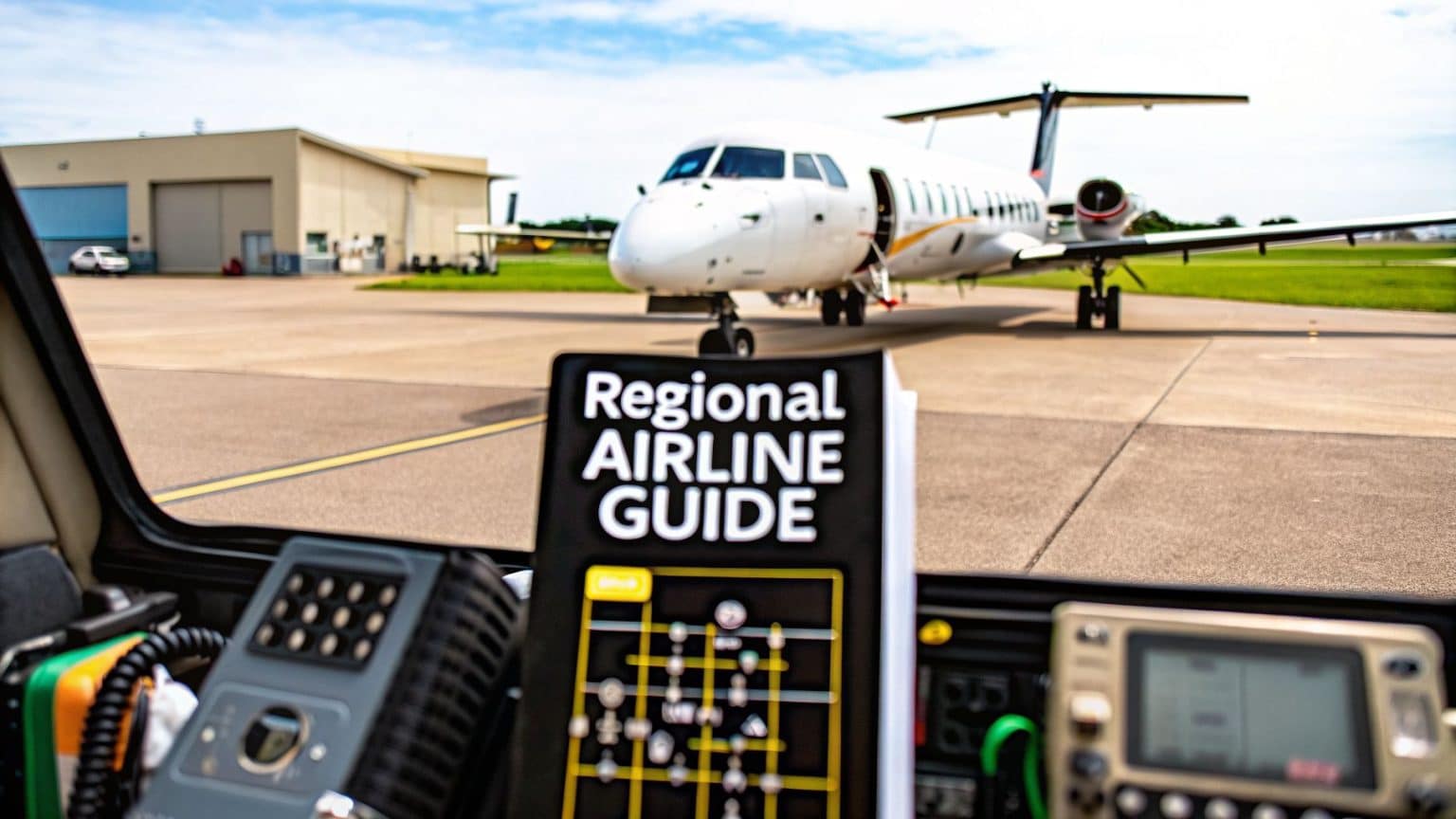
In the aviation industry, a regional is an airline that operates short-haul flights, typically using aircraft with fewer than 100 seats. These carriers primarily function as "feeders" for major network airlines like Delta, United, and American Airlines. They transport passengers from smaller, secondary airports to major hubs, where travelers can then connect to long-haul domestic or international flights.
Business Models: Fee-for-Departure vs. Independent
Most regional airlines in 2026 operate under a "fee-for-departure" model. Under this arrangement, a major carrier (the "legacy" or "mainline" carrier) contracts the regional to fly specific routes. The major carrier handles ticket sales, marketing, and scheduling, while the regional airline provides the aircraft, crew, and maintenance. The major carrier pays the regional a set fee for every flight completed, regardless of how many seats are sold.
A smaller subset of regionals operates independently. These airlines fly under their own brand, set their own prices, and take on the "revenue risk" themselves. While rarer in the United States, independent regionals are common in Europe and Australia, where they serve niche markets or island chains.
The Regional Fleet: Specialized Aircraft
Regional airlines utilize specific types of aircraft designed for efficiency on short routes. As of 2026, the fleet is dominated by two primary manufacturers: Embraer and Bombardier (now largely supported by Mitsubishi and Airbus for specific lines).
- Regional Jets (RJs): The Embraer E175 and E190, along with the Bombardier CRJ series, are the workhorses of the industry. These planes offer a "big jet" feel with 50 to 90 seats but are much cheaper to operate on 300-mile hops.
- Turboprops: For very short routes or airports with shorter runways, turboprops like the De Havilland Dash 8-Q400 or the ATR 72 remain essential. They are significantly more fuel-efficient than jets for distances under 250 miles.
- The 2026 Shift: In 2026, we are seeing the first widespread deployment of hybrid-electric regional aircraft. These 9- to 19-seat planes are beginning to revitalize "puddle jumper" routes that were previously abandoned due to high fuel costs.
The Pilot Pipeline and Career Path
For decades, "the regionals" have been the traditional stepping stone for commercial pilots. After earning their ratings and building the required 1,500 hours of flight time, pilots typically spend several years at a regional airline to gain multi-engine jet experience before applying to a major carrier.
However, the landscape in 2026 reflects a continued high demand for flight crews. Regional airlines now offer significant signing bonuses and "flow-through" agreements, which guarantee a pilot a job at a major carrier after a certain period of service. This has made the regional sector more competitive and improved the quality of life for regional crews compared to previous decades.
Regional Banks: Bridging the Gap in Finance
Outside of aviation, a "regional" refers to a mid-sized bank that operates in a multi-state area but does not have a global footprint. These institutions are larger than local community banks but smaller than "Money Center" banks like JPMorgan Chase or Bank of America.
Classification and Asset Size
In the United States, the Federal Reserve typically classifies banks based on asset size. While the definitions can shift based on regulatory updates, the following general categories apply in 2026:
| Bank Type | Asset Size Range | Primary Focus |
|---|---|---|
| Community Bank | Under $10 Billion | Local personal loans, small business, agriculture. |
| Regional Bank | $10 Billion to $100 Billion | Mid-market business lending, regional commercial real estate. |
| Super-Regional | $100 Billion to $700 Billion | Full-service retail and commercial across multiple time zones. |
| Global Systemically Important (G-SIB) | Over $700 Billion | Global investment banking, massive retail presence, international trade. |
The Value Proposition of Regional Banks
Regional banks are often preferred by mid-sized businesses because they offer more personalized service than "The Big Four" while possessing greater lending capacity than a community bank. They have deep roots in local economies, allowing them to make lending decisions based on regional market knowledge rather than just algorithmic credit scoring.
In 2026, regional banks have invested heavily in digital transformation. To compete with fintech startups and national giants, regionals have modernized their mobile interfaces while maintaining their "high-touch" relationship banking model. This hybrid approach is their primary defense against being swallowed by larger competitors.
Regional Players in Logistics and Sports
The term "regional" also appears frequently in two other distinct contexts: logistics and competitive organized events.
Regional Carriers (Trucking and LTL)
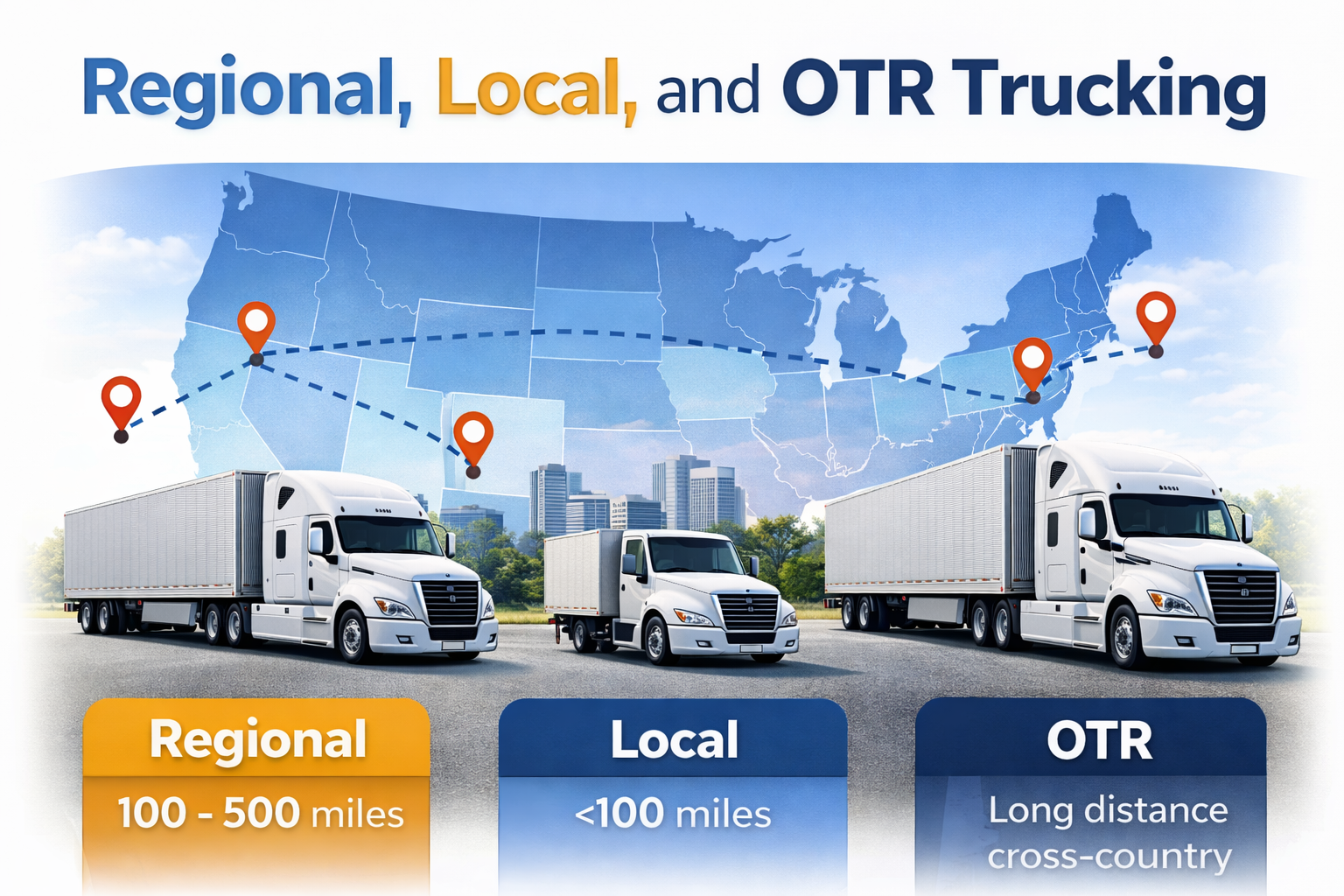
In the shipping industry, a regional carrier focuses on "Less Than Truckload" (LTL) shipments within a specific zone (e.g., the Pacific Northwest or the Southeast). By keeping trucks within a 500-mile radius, these companies can offer overnight delivery that national carriers struggle to match. Regional carriers are vital for "last-mile" delivery and for businesses that rely on "just-in-time" inventory management.
The "Regional" as a Tournament
In sports, academics, and professional certifications, "a regional" is a qualifying competition. Whether it is the NCAA basketball "Regionals" or a regional CrossFit event, these serve as a filter. Participants must win or place highly at the regional level to advance to the national championship. These events are often the highest level of competition most participants will reach, making them prestigious milestones in their own right.
Technical Specifications and Operational Limits
Understanding a regional entity requires looking at the limitations that define them. These limitations are often dictated by law, contract, or economic reality.
Scope Clauses in Aviation
The size and power of regional airlines are strictly limited by "scope clauses." These are agreements between major airlines and their pilot unions. These clauses often dictate that regional partners cannot fly aircraft with more than 76 seats or a maximum takeoff weight (MTOW) above a certain threshold. This is done to prevent major airlines from outsourcing all their flying to lower-paid regional crews. Consequently, the regional airline industry is a masterclass in operating within very tight technical and contractual parameters.
Regulatory Thresholds in Banking
For regional banks, the "magic numbers" for assets (such as $50 billion or $100 billion) trigger significantly higher regulatory scrutiny under laws like the Dodd-Frank Act (and its subsequent 2020s-era modifications). Once a bank crosses into a certain asset tier, it must undergo more rigorous "stress testing" by the Federal Reserve. This often leads to a phenomenon where regional banks will intentionally merge to jump well past the threshold, as the cost of compliance is easier to bear with a larger asset base.
Common Misconceptions About Regionals
Because regionals are "middle-tier" organizations, they are often misunderstood by the general public.
- Safety Records: There is a common myth that regional airlines are less safe than major carriers. In reality, in 2026, regional airlines in the U.S. and Europe operate under the exact same safety regulations (Part 121) as the majors. Their pilots undergo the same rigorous training, and their aircraft are maintained to identical standards.
- Financial Stability: Many assume regional banks are riskier than national banks. While the 2023 banking crisis highlighted specific vulnerabilities in mid-sized institutions, most regionals maintain higher capital ratios and more diversified local loan portfolios than the "too big to fail" giants.
- Customer Service: People often assume "smaller means better service." While true for many regionals, they often face resource constraints. A regional airline may have fewer backup planes during a storm, and a regional bank may have fewer physical branches if you travel out of state.
Frequently Asked Questions
What is the difference between a regional airline and a low-cost carrier (LCC)?
A regional airline primarily serves as a feeder for a major legacy carrier, often flying under the major's brand (e.g., SkyWest flying as "United Express"). A Low-Cost Carrier, like Southwest or Spirit, is an independent airline that sells its own tickets and generally flies larger aircraft point-to-point rather than through a hub-and-spoke system.
Why do major airlines use regionals instead of flying the routes themselves?
It comes down to economics. Regional aircraft are cheaper to fuel, maintain, and staff for low-demand routes. A major airline cannot profitably fly a 180-seat Boeing 737 from a small town to a hub if only 40 people want to go. By using a regional partner with a 50-seat jet, they can provide the service profitably.
Are regional banks FDIC insured?
Yes. Regional banks are subject to the same Federal Deposit Insurance Corporation (FDIC) rules as national banks. Deposits are typically insured up to $250,000 per depositor, per insured bank, for each account ownership category.
How do I know if I am flying on a regional?
When booking your flight, look for the small text that says "Operated by [Airline Name]." For example, your ticket might say "American Airlines," but the fine print reveals it is "Operated by Envoy Air." Additionally, regional planes usually have two seats on each side of the aisle (2-2 configuration) rather than the three seats (3-3) found on larger narrow-body jets.
What are the "Big Three" regional airlines?
While the landscape shifts due to mergers, as of 2026, the dominant players in the U.S. regional market include SkyWest Airlines, Republic Airways, and the wholly-owned subsidiaries of American Airlines (Envoy, Piedmont, and PSA).
Summary and Next Steps
A "regional" is the connective tissue of our modern economy. Whether it is a jet landing in a rural town, a bank funding a local construction project, or a truck delivering parts to a factory, these entities specialize in the "middle mile." They provide the scale necessary to be professional and safe, but the focus necessary to serve markets that national giants overlook.
If you are a traveler, check your flight details to see if you are booked on a regional partner; it may affect your carry-on luggage options due to smaller overhead bins. If you are a business owner, consider comparing the personalized lending terms of a regional bank against those of a national institution to see which better understands your local market dynamics.
Image Gallery