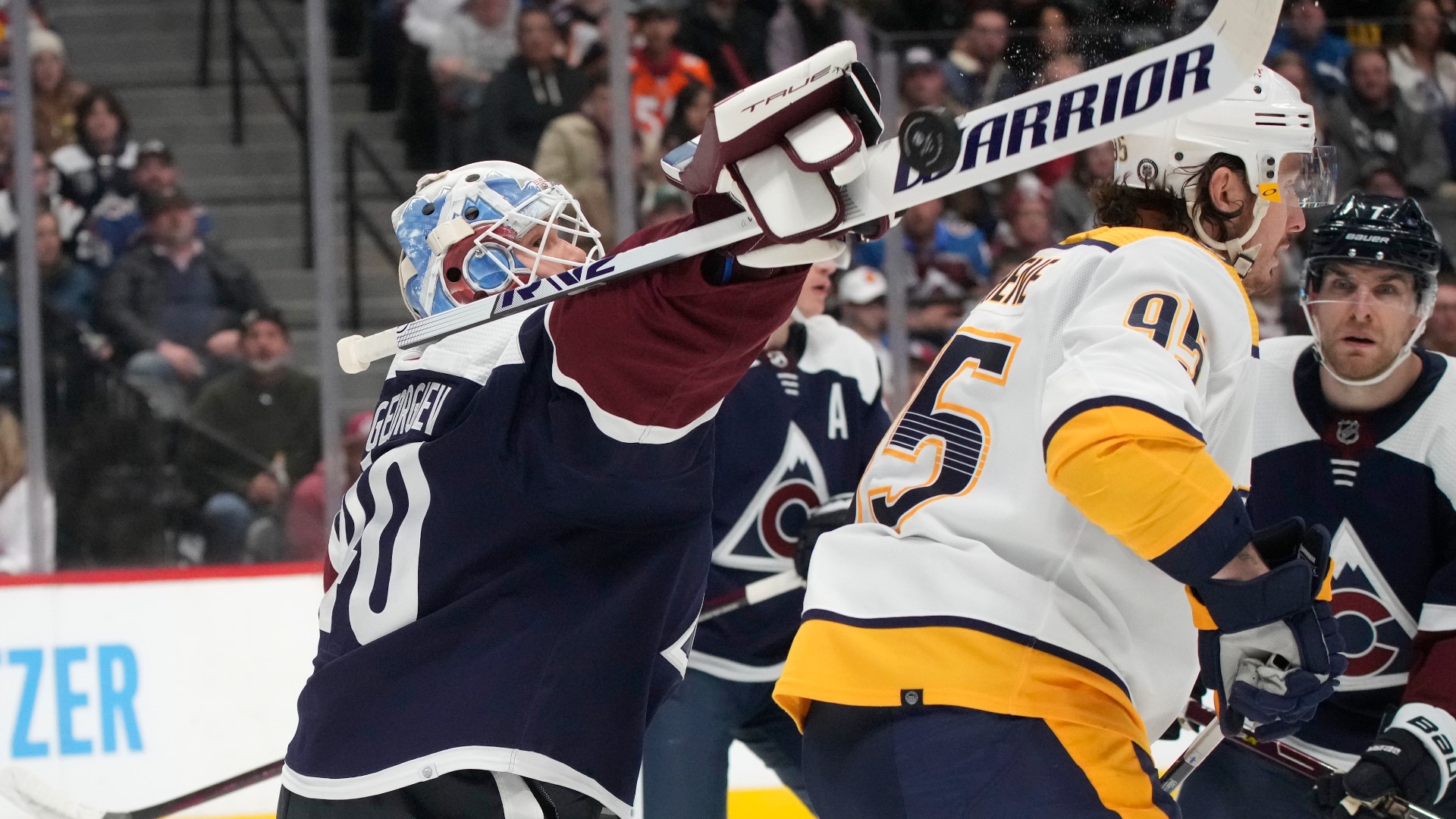
Predators vs Avalanche: Analyzing the Matchup, History, and Strategic Dynamics
When examining the historical and competitive dynamics between the Nashville Predators and the Colorado Avalanche, fans and analysts witness a compelling clash within the National Hockey League's Central Division. This divisional rival...
When examining the historical and competitive dynamics between the Nashville Predators and the Colorado Avalanche, fans and analysts witness a compelling clash within the National Hockey League's Central Division. This divisional rivalry features contrasting styles, star-studded rosters, and a rich history of physical, high-stakes encounters that routinely shape the Western Conference playoff picture.
Contents
Introduction to the Rivalry and Context
Divisional matchups in the National Hockey League (NHL) carry heightened intensity due to frequent regular-season meetings and high postseason stakes. The matchup between the Nashville Predators and the Colorado Avalanche highlights two franchises with distinct organizational identities, geographical footprints, and competitive trajectories. While the Colorado Avalanche are traditionally recognized for an explosive, high-tempo offensive style predicated on speed and transition play, the Nashville Predators have historically anchored their identity in resilient defensive structures, physical forechecking, and elite goaltending. Understanding how these two teams compare requires looking past basic standings to evaluate their structural philosophies, historical playoff battles, and roster composition.
Historical Background and Divisional Alignment
Both franchises operate within the NHL’s Western Conference, specifically occupying the Central Division. This divisional alignment ensures that the Predators and Avalanche face each other multiple times during every 82-game regular season, breeding familiarity and tactical chess matches between coaching staffs.
The historical arc of this pairing includes several distinct eras. During the late 1990s and 2000s, the Avalanche established themselves as a dominant powerhouse in the Western Conference, capturing Stanley Cup titles in 1996 and 2001. Meanwhile, the Nashville Predators entered the league as an expansion franchise in the 1998–99 season, gradually building a competitive foundation under longtime head coach Barry Trotz. As Nashville developed from an expansion squad into a consistent playoff contender—highlighted by their run to the Stanley Cup Final in 2017—the games against Colorado took on greater competitive significance.
The rivalry intensified significantly during the 2022 Stanley Cup Playoffs. In that Western Conference First Round series, the powerhouse Avalanche faced the Predators. Colorado swept the series four games to zero, showcasing an overwhelming offensive display that eventually propelled them toward their third Stanley Cup championship in franchise history. This series served as a benchmark for evaluating the gap between an elite contender and a gritty challenger, prompting subsequent retooling efforts within the Predators organization.
Roster Construction and Tactical Styles
To fully grasp the dynamics of Predators vs Avalanche games, one must analyze the contrasting roster philosophies and tactical approaches employed by each club.
The Colorado Avalanche Philosophy: Speed and Skill
The Avalanche under general manager Chris MacFarland and head coach Jared Bednar emphasize an up-tempo, possession-heavy style of play. Key building blocks include world-class skaters who excel in transition.
- Elite Core: Players like Nathan MacKinnon and Cale Makar dictate the pace of play. MacKinnon’s combination of power and blazing speed makes him nearly impossible to defend in open ice, while Makar revolutionizes the defenseman position with elite offensive instincts and skating ability.
- Transition Offense: Colorado relies heavily on quick defensive-zone exits, utilizing the speed of wingers to turn turnovers into odd-man rushes instantly.
- Depth Scoring: Surrounding their core stars, the Avalanche consistently invest in secondary scoring and complementary forwards who can maintain pressure in the offensive zone.
The Nashville Predators Philosophy: Structure and Physicality
Conversely, the Predators have historically favored a structured, hard-nosed approach. Under management and coaching staffs that prioritize defensive zone responsibility, Nashville aims to limit high-danger scoring chances.
- Defensive Anchor: The franchise has long enjoyed a reputation for elite goaltending, stretching from franchise cornerstone Pekka Rinne to subsequent starters like Juuse Saros. Exceptional goaltending serves as the backbone when facing high-powered attacks like Colorado's.
- Blueline Contributions: Nashville has frequently featured offensively gifted defensemen who contribute heavily to the rush and power play, maintaining a physical presence along the boards.
- Forechecking Pressure: The Predators attempt to neutralize the Avalanche’s speed by clogging the neutral zone, finishing checks aggressively along the wall, and forcing turnovers in deep areas.
Comparative Team Metrics and Statistical Overview
Analyzing team performance across standard metrics highlights how these two opponents attempt to gain tactical advantages during head-to-head fixtures.
| Metric / Category | Colorado Avalanche Style Focus | Nashville Predators Style Focus |
|---|---|---|
| Primary Offensive Driver | Rush transition, east-west puck movement, high shot volume | Cycle game, point shots with traffic, power-play execution |
| Defensive Strategy | Aggressive puck-retrieval, utilizing skater mobility to suppress breakouts | Tight gap control in neutral zone, shot-blocking, crease protection |
| Special Teams Focus | High-velocity power play utilizing elite point distribution | Structured penalty kill focusing on lane denial and rebound control |
| Goaltending Philosophy | Relying on athletic shot-stopping to support a high-risk, high-reward attack | Heavy reliance on positional goaltending to withstand sustained offensive pressure |
Key Matchup Factors and Strategic Battles
When the Predators and Avalanche take the ice, several specific tactical battles often dictate the final outcome of the game.
Neutral Zone Control
The single most important battleground in a Predators-Avalanche matchup is the neutral zone. If the Avalanche successfully slice through the neutral zone with speed, Nashville’s defense is forced backward, opening up high-danger scoring lanes. Conversely, if Nashville's forwards clog the neutral zone and disrupt Colorado's entry passes, the Avalanche are forced into dump-and-chase scenarios that favor Nashville’s physical defensemen.
Special Teams Efficiency
Penalty killing and power-play conversion rates frequently swing these tightly contested divisional games. Colorado possesses dynamic playmakers capable of capitalizing on minor infractions within seconds. For Nashville, staying disciplined and avoiding unnecessary penalties is critical. When the Predators secure power-play opportunities, they must generate sustained offensive zone time to counter Colorado's transition game.
Goaltending Duels
In games featuring high-volume shooters on one side and defensive structure on the other, the goaltender often becomes the deciding factor. Juuse Saros for Nashville has historically faced heavy shot volumes against elite divisional opponents, requiring stellar positioning and rebound control. Colorado's netminding must similarly remain razor-sharp to stave off opportunistic counters from Nashville's forwards.
Frequently Asked Questions
How often do the Nashville Predators and Colorado Avalanche play each other each season?
Due to NHL scheduling formats within the Central Division, teams play divisional opponents three to four times per regular season. This frequency ensures that rivalries remain fresh and standings implications are magnified throughout the winter and spring months.
What was the outcome of their most notable playoff meeting?
The most high-profile postseason meeting occurred during the 2022 Western Conference First Round, where the Colorado Avalanche defeated the Nashville Predators in four straight games (4-0) on their path to winning the Stanley Cup.
Which players typically dominate the scoresheet in this matchup?
Star players such as Nathan MacKinnon and Cale Makar consistently anchor Colorado's offensive production against Nashville. For the Predators, top-line forwards and veteran leaders have historically shouldered the offensive load while relying on strong goaltending performances from Juuse Saros.
How does the altitude at Ball Arena affect the Predators when playing in Denver?
Playing in Denver presents a unique physiological challenge due to the high altitude (approximately 5,280 feet above sea level). Visiting teams, including the Predators, often manage travel schedules and hydration protocols carefully to mitigate fatigue during games played at Ball Arena.
Conclusion and Next Actions
The matchup between the Predators and the Avalanche encapsulates the high-level competition found within the NHL's Central Division. Whether reviewing historical playoff series or analyzing regular-season tactical adjustments, understanding the contrast between Colorado's blazing speed and Nashville's gritty defensive structure provides clear insight into modern hockey strategy. Fans and analysts tracking future games should monitor injury reports, starting goaltender confirmations, and special teams efficiency metrics to evaluate which squad will secure two crucial points in the standings.
Image Gallery