2026 CVS Aetna Benefits Guide: Maximizing Medicare, Pharmacy, and Integrated Healthcare Services
The 2026 healthcare landscape has solidified the integration between CVS Health and Aetna, creating a specialized ecosystem where insurance coverage and retail pharmacy services converge. This guide provides a technical analysis of the...
The 2026 healthcare landscape has solidified the integration between CVS Health and Aetna, creating a specialized ecosystem where insurance coverage and retail pharmacy services converge. This guide provides a technical analysis of the 2026 CVS Aetna benefit structures, focusing on Medicare Advantage, commercial group plans, and the unique retail-based healthcare delivery models that define the current plan year.
Contents
Expert Strategic Insight
Navigating the 2026 Aetna benefit portfolio requires an understanding of "Value-Based Insurance Design" (VBID). For the 2026 plan year, Aetna has shifted significant resources into preventative care incentives and "Zero-Dollar" retail clinic access. Beneficiaries who utilize CVS MinuteClinics as their primary point of entry for non-emergent care typically see a 30% reduction in out-of-pocket costs compared to traditional standalone urgent care facilities.
The Integrated Care Framework: CVS and Aetna in 2026
The synergy between CVS Pharmacy and Aetna insurance reaches its peak in 2026. The core of this benefit structure is the "HealthHub" model, which transforms traditional pharmacy locations into comprehensive care centers. For members, this means that benefits are no longer just financial reimbursements but are tied to physical access points.
In 2026, Aetna’s "Advanced Network" plans prioritize CVS-owned entities. This includes MinuteClinic, CVS HealthHubs, and Oak Street Health (for Medicare members). These facilities are designated as Tier 1 or "Preferred" providers. When a member utilizes these sites, they often encounter $0 copayments for routine screenings, vaccinations, and chronic disease management.
Key Technical Components of 2026 Benefit Design:
- Integrated Formularies: Pharmacy benefits (Part D or commercial) are optimized for CVS Caremark, providing lower cost-sharing for 90-day maintenance supplies.
- Value-Added Retail Services: Members receive exclusive discounts on CVS-brand health products, often ranging from 20% to 30% off, independent of insurance claims.
- Digital Integration: The 2026 Aetna Health app now features real-time "Cost Transparency" tools that sync with CVS inventory, showing exactly what a medication will cost at the pharmacy counter before the prescription is sent.
2026 Medicare Advantage (Part C) Benefit Specifications
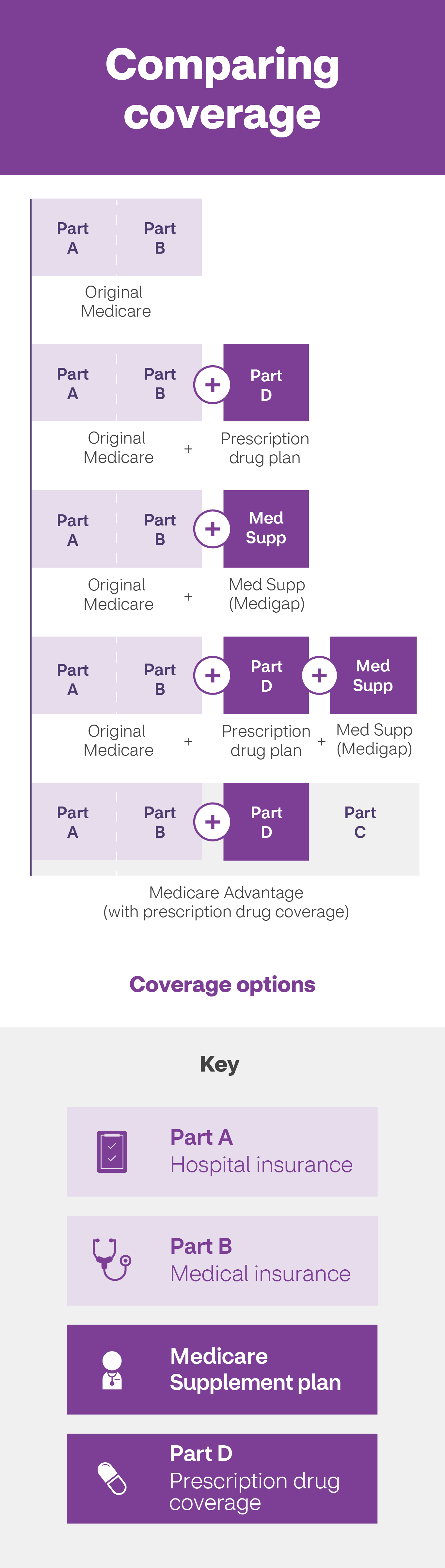
Aetna's 2026 Medicare Advantage plans are built upon the Centers for Medicare & Medicaid Services (CMS) 2026 Star Ratings and the refined V28 Risk Adjustment Model. These plans are designed to provide "Total Cost of Care" (TCOC) management.
Star Ratings and Performance Metrics
For the 2026 plan year, many Aetna Medicare Advantage (MA) and Medicare Advantage Prescription Drug (MAPD) plans have maintained 4-star or higher ratings. These ratings are critical as they influence the quality bonus payments Aetna receives, which are then reinvested into supplemental benefits like dental, vision, and hearing.
Supplemental Benefit Highlights for 2026:
- Over-the-Counter (OTC) Allowance: Most 2026 plans include a quarterly or monthly allowance for health-related items. Unlike previous years, the 2026 "Aetna Wallet" allows for more flexible spending across multiple categories, including healthy foods for eligible members with chronic conditions.
- Dental, Vision, and Hearing (DVH): Aetna has expanded its "Direct Pay" dental network for 2026, reducing the need for reimbursement claims. Members can use their Aetna ID card directly at participating providers for $0 cleanings and subsidized restorative work.
- SilverSneakers and Fitness Integration: The 2026 fitness benefit includes both physical gym memberships and a robust virtual platform for home-based exercise, reflecting the permanent shift toward hybrid wellness models.
Comparison Table: 2026 Aetna Plan Tier Analysis
The following table outlines the technical differences between the primary Aetna plan structures available in 2026.
| Benefit Feature | Aetna Medicare Eagle (HMO-POS) | Aetna Medicare Prime (HMO) | Aetna PPO Choice Plus |
|---|---|---|---|
| Network Type | Hybrid Open Access | Restricted Provider Network | Broad National PPO |
| Primary Care Requirement | Encouraged, not required | Mandatory Designated PCP | No PCP Required |
| MinuteClinic Copay | $0 | $0 | $15 - $25 (Plan Dependent) |
| OTC Quarterly Allowance | $60 - $100 | $100 - $150 | Not Available (Standard) |
| Specialist Referral | Not Required | Required | Not Required |
| Prescription Tier 1 | $0 (Preferred Pharmacy) | $0 (Preferred Pharmacy) | $5 - $10 Copay |
| 2026 Star Rating Target | 4.0 - 4.5 Stars | 4.5 Stars | 4.0 Stars |
Pharmacy Benefits and CVS Caremark Integration
As the Pharmacy Benefit Manager (PBM), CVS Caremark dictates the 2026 formulary for Aetna plans. This integration is designed to reduce "medical spend" by increasing "pharmacy adherence."
Specialty Pharmacy Innovations
In 2026, Aetna members with complex conditions (such as Rheumatoid Arthritis or Multiple Sclerosis) benefit from the "CVS Specialty" white-glove service. This includes digital therapy management and coordinated delivery. For 2026, many specialty medications are moved to "preferred" status if filled through CVS Specialty, significantly lowering the coinsurance percentage for the member.
Maintenance Choice Program
The 2026 Maintenance Choice program requires members on long-term medications to transition to 90-day supplies. Members can choose between receiving these via CVS Caremark Mail Service Pharmacy or picking them up at a local CVS Pharmacy location. In 2026, both options carry the same low-cost "preferred" pricing, providing maximum flexibility for the member.
Technical Requirements for Provider Networks
To maximize CVS Aetna benefits in 2026, understanding the network hierarchy is essential. Aetna utilizes a tiered network system to control costs and ensure quality.
- Tier 1 (Preferred/In-Network): Includes all CVS MinuteClinics, Oak Street Health locations, and Aetna-contracted "Centers of Excellence." Copayments are at their lowest here.
- Tier 2 (Participating/In-Network): Traditional doctors and hospitals that have contracted rates with Aetna but do not have the "Preferred" designation.
- Tier 3 (Out-of-Network): For HMO plans, these services are NOT covered except in emergencies. For PPO plans, these services incur significantly higher coinsurance and separate deductibles.
Mandatory Operational Requirement
For all 2026 Aetna HMO plans, members MUST designate a Primary Care Physician (PCP) on file. Failure to have a designated PCP may result in the denial of specialist claims, even if the specialist is in-network. For 2026, Aetna allows members to change their PCP via the member portal with changes taking effect on the first day of the following month.
Pros and Cons of the 2026 CVS Aetna Ecosystem
Pros
- Seamless Retail Integration: The ability to receive care, fill prescriptions, and use OTC benefits in a single retail location is unmatched in the 2026 market.
- Cost Efficiency: $0 copayments for virtual care and MinuteClinic visits significantly lower the barrier to entry for preventative health.
- Advanced Digital Tools: The Aetna Health app is a top-tier tool in 2026 for tracking spending, finding care, and managing pharmacy refills.
Cons
- Network Restriction: HMO plans are highly restrictive; members who prefer non-CVS affiliated providers may face higher costs.
- Complex Formularies: The push toward CVS-preferred brands can sometimes lead to friction if a member’s specific medication is moved to a non-preferred tier.
- PCP Dependency: The 2026 focus on "managed care" means more administrative hurdles (like referrals) for certain plan types.
Step-by-Step: Maximizing Your 2026 Aetna Benefits
- Register the Aetna Health Account: Access your digital ID card and view your specific 2026 plan documents.
- Identify Tier 1 Facilities: Use the "Find a Provider" tool to locate the nearest CVS HealthHub or MinuteClinic. These should be your first stop for minor illnesses.
- Check the 2026 OTC Catalog: Each plan year, the list of eligible OTC items changes. Ensure you are aware of your quarterly balance and the expiration dates to avoid losing the benefit.
- Sync Pharmacy Rewards: Link your Aetna membership to your CVS ExtraCare card. In 2026, this often unlocks additional "ExtraBucks" rewards for healthy behaviors like getting a flu shot.
- Review the Formuly Yearly: Prescription drug tiers are updated annually on January 1st. Verify your 2026 costs in December of the previous year during the Annual Enrollment Period (AEP).
Frequently Asked Questions (FAQ)
Does Aetna cover CVS MinuteClinic visits for free in 2026?
Most 2026 Aetna Medicare Advantage and many commercial "Gold/Silver" plans offer $0 copays for MinuteClinic visits. However, specific high-deductible health plans (HDHP) may require you to meet your deductible first before the $0 copay applies.
How do I use my 2026 Aetna OTC benefit at CVS?
You can use your Aetna member ID card or a dedicated OTC card at any CVS Pharmacy checkout. Simply select eligible items (marked in the catalog or with blue shelf tags) and swipe your card as the payment method at the register.
Can I see a non-CVS doctor with my 2026 Aetna plan?
Yes, Aetna maintains a vast national network of independent physicians and hospital systems. However, to receive the highest level of coverage, you should ensure the provider is "In-Network." If you have an HMO plan, you must stay in-network for non-emergency care.
What is the 2026 "Aetna Wallet"?
The Aetna Wallet is a consolidated digital platform where members can track their OTC allowances, fitness rewards, and health incentive credits. In 2026, this feature is integrated directly into the Aetna Health mobile app for real-time balance tracking.
Are Oak Street Health clinics included in Aetna 2026 benefits?
Yes, as a CVS Health company, Oak Street Health is a core provider for Aetna Medicare Advantage members in 2026. These clinics specialize in primary care for seniors and often serve as the designated PCP for HMO members.
Does Aetna 2026 cover weight loss medications?
Coverage for GLP-1 and other weight loss medications depends on your specific employer group or Medicare Part D plan. For 2026, Aetna has implemented strict "Step Therapy" requirements, often requiring participation in a wellness program before these medications are approved.
Summary of 2026 Strategic Healthcare Management
The CVS Aetna partnership in 2026 represents a shift toward "Convenient Care." By leveraging the retail footprint of CVS and the actuarial expertise of Aetna, the benefits are structured to reward members for seeking care in lower-cost, high-efficiency settings. To succeed as a member in 2026, one must embrace the digital tools provided and prioritize the "Preferred" network of CVS-affiliated clinics and pharmacies.
If you are currently evaluating your 2026 options, focus on the "Total Out-of-Pocket" potential rather than just the monthly premium. The integration of OTC allowances, $0 retail clinic visits, and 90-day pharmacy savings often makes Aetna the most cost-effective choice for those willing to utilize the CVS ecosystem.
Image Gallery