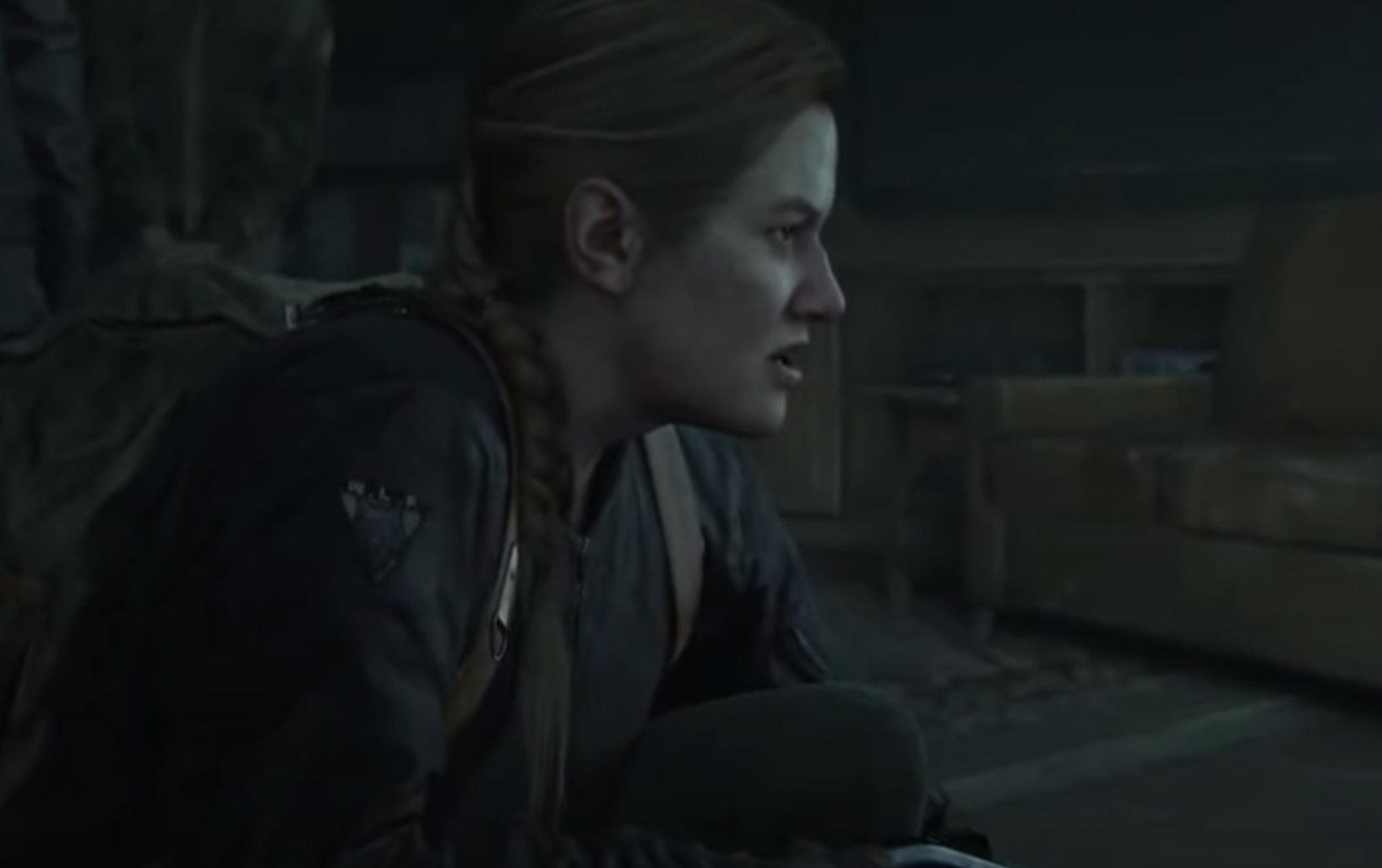
Understanding Why Abby Spared Ellie in The Last of Us Part II
Abby Anderson spares Ellie Williams twice in The Last of Us Part II for two distinct reasons. In Jackson, Abby spares Ellie because her revenge was focused exclusively on Joel; she viewed Ellie as an innocent bystander. In Seattle, Abb...
Abby Anderson spares Ellie Williams twice in The Last of Us Part II for two distinct reasons. In Jackson, Abby spares Ellie because her revenge was focused exclusively on Joel; she viewed Ellie as an innocent bystander. In Seattle, Abby spares Ellie because of the moral influence of Lev, which reminds her of her own humanity and the futility of continued bloodshed.
Contents
The First Encounter: Why Abby Let Ellie Live in Jackson
To understand why Abby let Ellie live during their first encounter in Jackson, one must look at the specific nature of Abby’s quest for vengeance. Abby’s journey to Wyoming was not a generalized war against the people of Jackson or the survivors of the apocalypse; it was a surgical strike against a single individual: Joel Miller.
Abby’s father, Jerry Anderson, was the lead surgeon for the Fireflies. When Joel killed Jerry to save Ellie at the end of the first game, he didn’t just stop a potential cure; he destroyed Abby’s world. For four years, Abby’s entire identity was subsumed by her desire to find and kill the man who took her father. When she finally pins Joel down in the basement of the lodge, her objective is met.
The Specificity of Abby’s Revenge
Unlike the mindless violence often depicted in post-apocalyptic media, Abby’s group—comprised of former Fireflies who joined the Washington Liberation Front (WLF)—operated under a specific code. In their eyes, they were dispensing justice, not committing a massacre. When Ellie bursts into the room, she is a witness and a victim of circumstances, but she is not the person who pulled the trigger in the Salt Lake City hospital.
Abby’s refusal to kill Ellie and Tommy in Jackson stems from a desire to remain "the hero" in her own story. If she were to kill everyone in the room, she would be no better than the monster she believed Joel to be. Owen Moore, Abby’s closest friend and moral compass at the time, reinforces this by explicitly telling the group that killing bystanders would cross a line from which they could never return.
The Role of Owen Moore
Owen’s influence in the Jackson sequence is critical. While other members of the group, like Manny or Jordan, suggest "tying up loose ends" by killing Ellie and Tommy, Owen stands his ground. He recognizes that they achieved what they came for. By sparing Ellie, Abby believes she is maintaining her humanity, unaware that this act of "mercy" is the catalyst for her own future suffering.
The Turning Point: Abby’s Character Arc and Yara and Lev
Between the first encounter in Jackson and the second encounter in the Seattle theater, Abby undergoes a massive psychological shift. This transition is essential to understanding why she spares Ellie a second time. When Abby returns to Seattle, she is plagued by nightmares. Killing Joel did not bring her the peace she expected; instead, it left her feeling hollow and increasingly alienated from the WLF’s brutal war with the Seraphites (Scars).
Her encounter with Yara and Lev, two Seraphite defectors, provides her with a path to redemption. By choosing to help "the enemy," Abby begins to break away from the tribalist "us vs. them" mentality that defined her life for years.
| Aspect of the Decision | Jackson Encounter (The Lodge) | Seattle Encounter (The Theater) |
|---|---|---|
| Primary Motivation | Specific retribution against Joel. | Breaking the cycle of violence. |
| External Influence | Owen Moore (Pragmatism/Morality). | Lev (Innocence/Humanity). |
| Abby's Internal State | Driven by singular, cold rage. | Exhausted by loss and seeking redemption. |
| Outcome for Ellie | Left alive but traumatized. | Sared despite the death of Abby’s friends. |
| Narrative Theme | The beginning of a cycle. | The refusal to continue the cycle. |
The Second Encounter: The Theater Confrontation
The confrontation at the theater is one of the most polarizing and intense moments in The Last of Us Part II. By this point, Ellie has killed almost all of Abby’s friends, including the pregnant Mel and Abby’s soulmate, Owen. Abby arrives at the theater fueled by a fresh wave of grief and rage, intent on making Ellie feel the same pain she has endured.
The Impact of Lev’s Presence
The fight in the theater culminates with Abby gaining the upper hand. She has Ellie beaten and is prepared to slit the throat of a pregnant Dina. When Ellie pleads for Dina’s life, mentioning her pregnancy, Abby’s initial response is a chilling "Good," reflecting how far she has fallen back into her vengeful state.
However, the moment is interrupted by a single word: "Abby."
Lev, standing at the entrance, watches her with a look of horror. In that moment, Abby sees herself through Lev’s eyes. Lev represents the "new Abby"—the one who saves children and seeks a better path. If Abby kills Dina and Ellie here, she loses Lev and effectively kills the part of herself that she worked so hard to redeem over the previous three days.
Breaking the Cycle
By letting Ellie live at the theater, Abby makes a conscious choice to walk away from the violence. She realizes that killing Ellie won't bring Owen back, just as killing Joel didn't bring her father back. Sparing Ellie a second time is a more profound act than the first; it is not born out of a lack of interest in the target, but out of a deliberate rejection of further bloodshed. She tells Ellie, "Don't let me see you again," drawing a hard line and attempting to close the chapter on their shared trauma.
Psychological Analysis: Why Mercy Was the Only Path Forward
From a narrative design perspective, Naughty Dog utilizes Abby’s mercy to highlight the game's core themes: empathy and the "cycle of violence." If Abby had killed Ellie, the story would have reached a dead end of nihilism. By sparing her, the game sets up the final act in Santa Barbara, where the roles are reversed.
The Parallel of Two Protectors
Abby’s relationship with Lev mirrors Joel’s relationship with Ellie. Just as Joel found a reason to live through protecting Ellie, Abby finds her purpose in protecting Lev. When Lev intervenes at the theater, he isn't just saving Ellie; he is saving Abby from herself.
Abby’s decision is influenced by:
- The Weight of Guilt: Abby knows that her actions in Jackson started this. While she blames Ellie for killing her friends, a part of her understands that this is the consequence of her own revenge.
- The Firefly Legacy: Lev reminds Abby of the Fireflies' original goal: to be "the light." Killing a pregnant woman and a broken girl is the antithesis of that goal.
- Exhaustion: By the end of the theater fight, Abby is physically and emotionally spent. The toll of the WLF-Seraphite war, combined with her personal losses, has stripped her of the desire to keep fighting.
Frequently Asked Questions
Did Abby know Ellie was the girl from the hospital?
In Jackson, Abby did not explicitly know that Ellie was the "immune girl" from the Salt Lake City hospital. She only knew Ellie as a girl who was fiercely protective of Joel. It is only later, through the events in Seattle and Ellie’s own admission at the theater ("I'm the one you want... there's no cure because of me"), that Abby fully realizes Ellie’s identity and her connection to the Fireflies’ failure.
Why didn’t Abby kill Ellie after Ellie killed Mel and Owen?
Despite the immense pain of losing Mel and Owen, Abby chose to spare Ellie because of Lev. Lev’s presence acted as a moral anchor. Abby had spent the previous days trying to prove she was a good person by saving Lev and Yara; murdering Ellie in cold blood in front of Lev would have undone all that progress and alienated the only person she had left.
Was Abby’s decision to spare Ellie realistic?
Within the context of the game’s character development, yes. Abby’s journey from a hardened WLF soldier to a protector of Lev is a traditional redemption arc. Her decision reflects a psychological shift common in trauma survivors who realize that "eye for an eye" leaves everyone blind. The decision is meant to be difficult for the player to accept initially, but it aligns with her growth over the Seattle chapters.
Does Abby regret letting Ellie live?
There is no evidence in the game or subsequent lore (as of 2026) that Abby regrets her decision. By the time they meet again in Santa Barbara, Abby is a shadow of her former self, having been tortured and weakened. Her only goal at that point is Lev’s safety, suggesting she has moved entirely past the need for retribution against Ellie.
What did the creators say about this scene?
Creative Director Neil Druckmann and the writing team at Naughty Dog have stated in various interviews and "The Making of" documentaries that the theater scene was designed to test the player’s empathy. Sparing Ellie was essential to show that Abby had completed her arc, whereas Ellie was still stuck in hers.
Final Recommendation for Fans
For those looking to dive deeper into the lore of The Last of Us Part II, it is highly recommended to play through "Abby's Story" (Seattle Days 1-3) with a focus on her dialogue with Lev. Pay close attention to the "Search for the Light" symbolism. Understanding the Firefly philosophy provides the necessary context for why sparing an enemy is the ultimate sign of growth in this brutal world. Exploring official PlayStation resources and developer commentary can also provide additional insight into character motivations.
Image Gallery