Elizabeth Taylor Meets Evelyn Hugo: Exploring the Intersections of Hollywood Icons
When literary enthusiasts and film historians discuss "Elizabeth Taylor meets Evelyn Hugo," they are referencing the striking parallels between the real-life legend Elizabeth Taylor and the fictional protagonist of Taylor Jenkins Reid’...
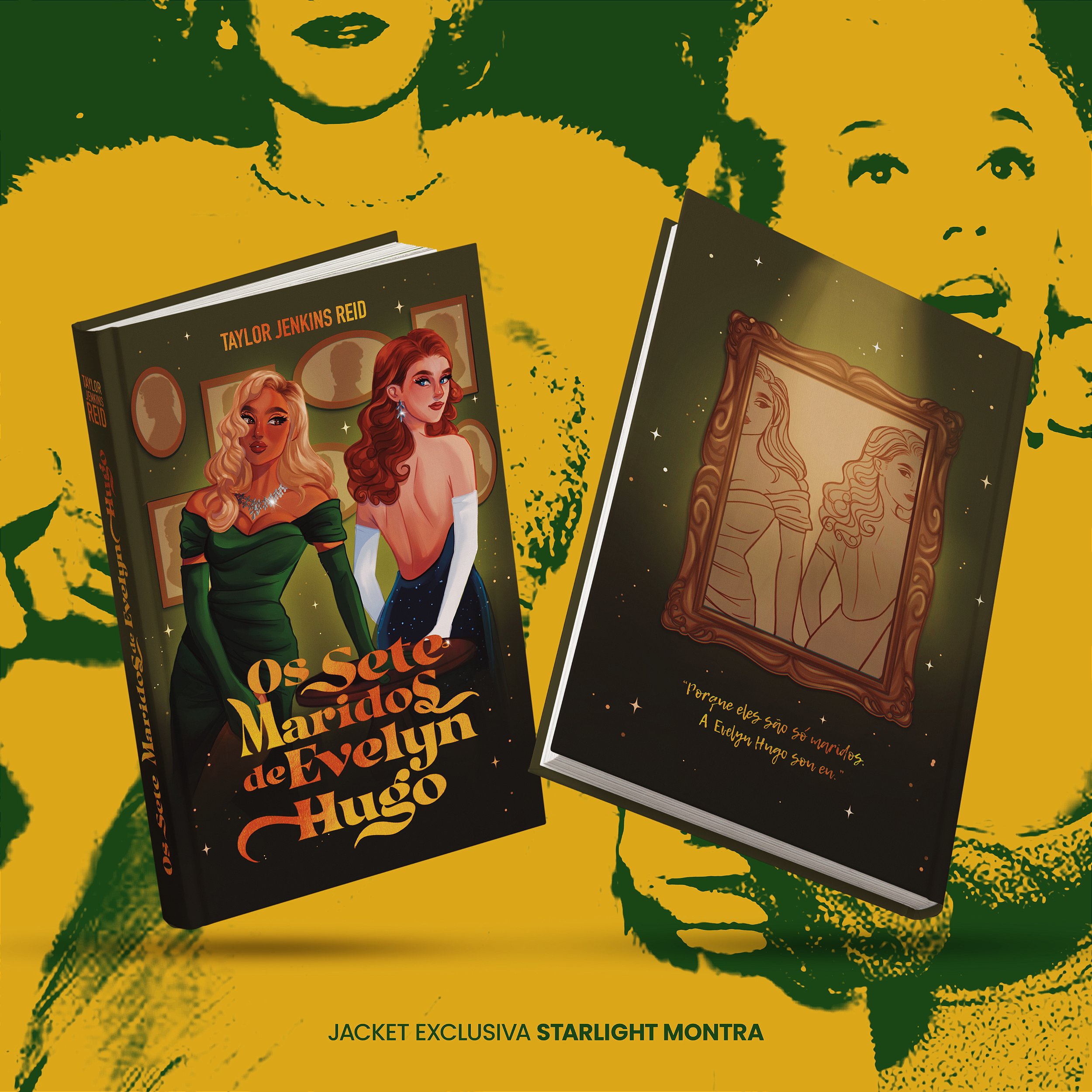
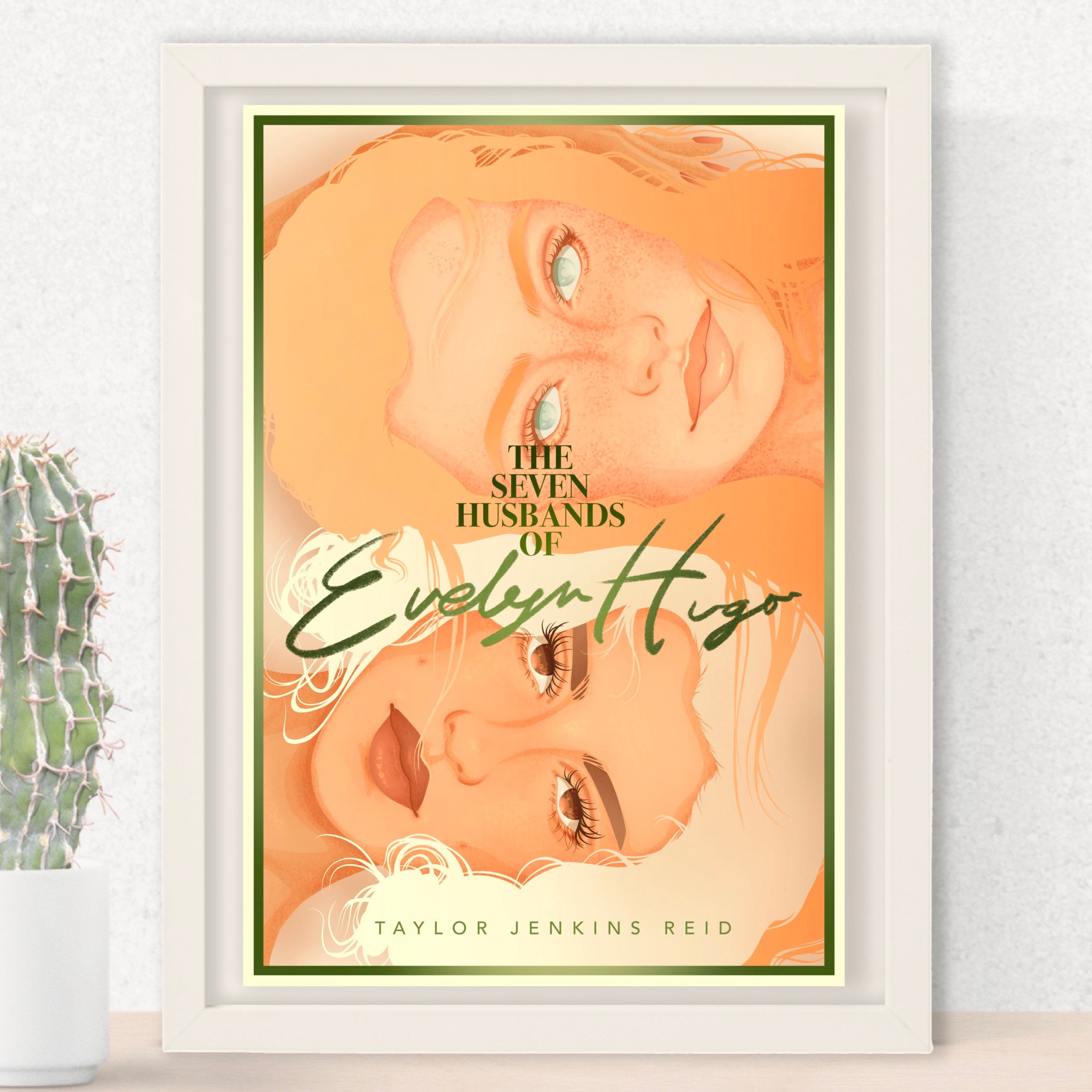
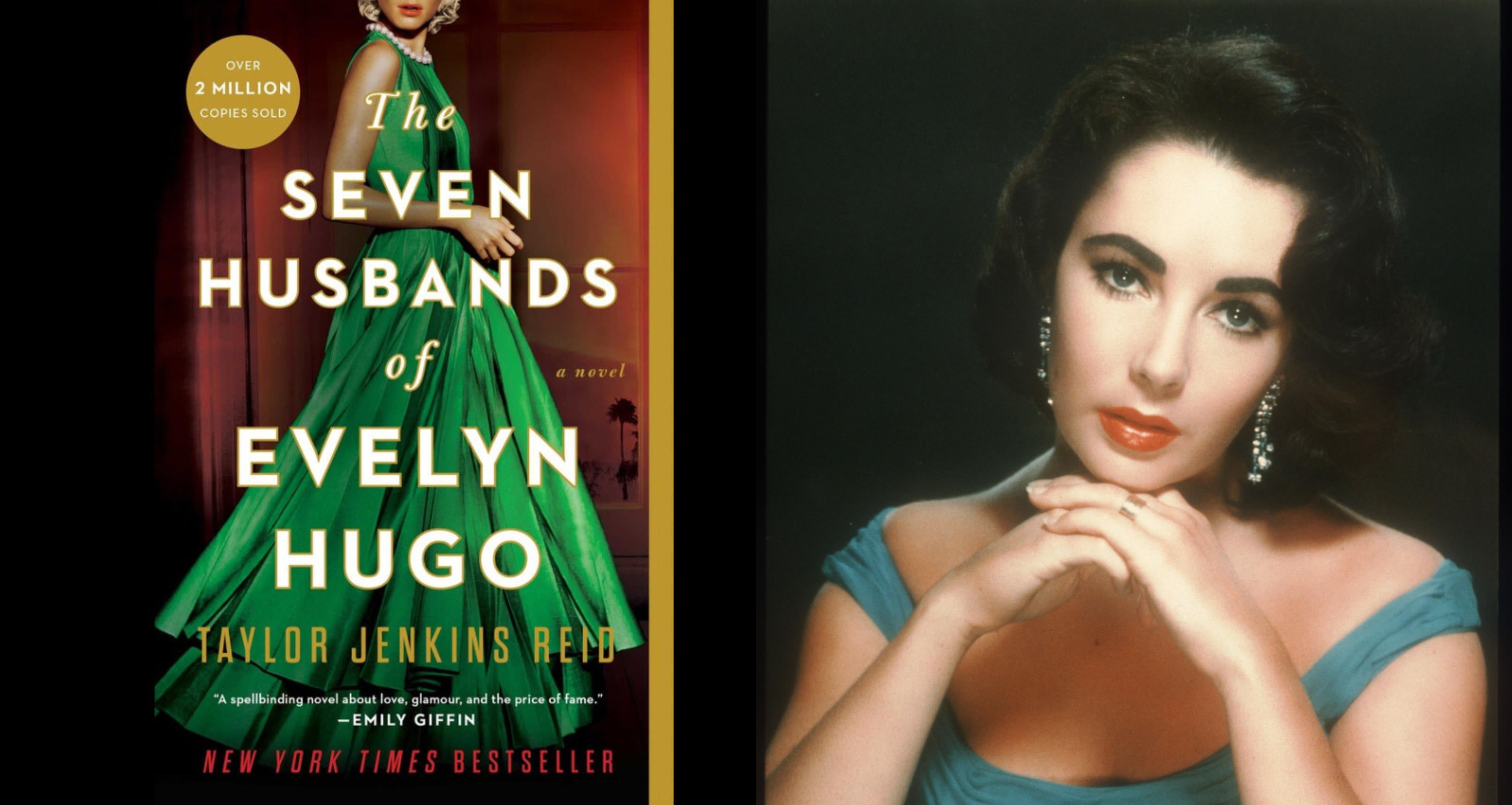
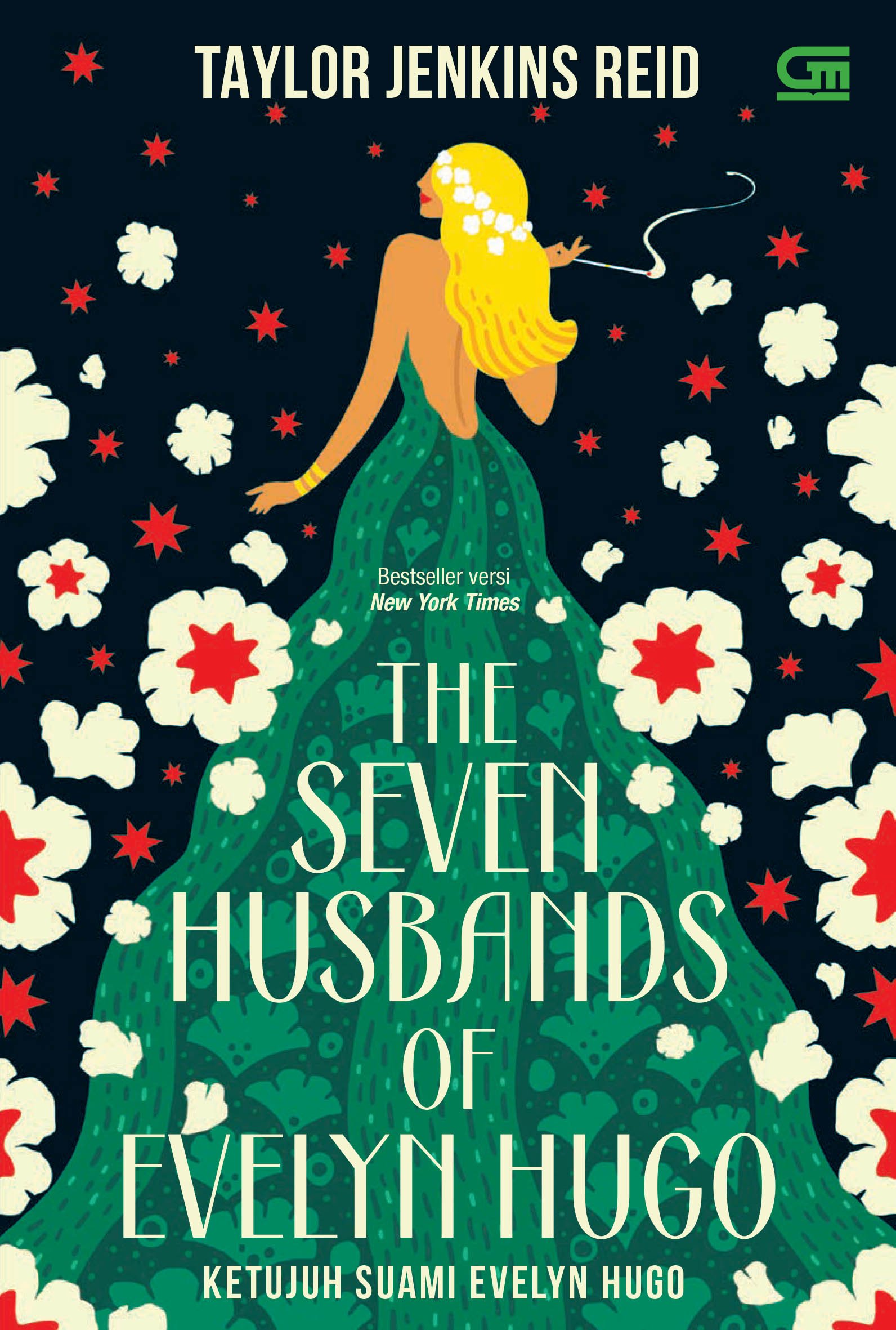
When literary enthusiasts and film historians discuss "Elizabeth Taylor meets Evelyn Hugo," they are referencing the striking parallels between the real-life legend Elizabeth Taylor and the fictional protagonist of Taylor Jenkins Reid’s 2017 novel, The Seven Husbands of Evelyn Hugo. Both figures represent the archetypal mid-century Hollywood screen siren—a woman whose professional ambition, carefully curated public persona, and complex personal life defined the Golden Age of cinema and its evolving tabloid culture.
Contents
The phenomenon of comparing Elizabeth Taylor to Evelyn Hugo is not merely a literary exercise; it is an exploration of the construction of stardom. While Elizabeth Taylor was a living, breathing icon known for her violet eyes, immense talent, and eight high-profile marriages, Evelyn Hugo is a meticulously crafted character who mirrors the structural realities of Hollywood’s mid-century power dynamics. The comparison serves as a lens through which readers and film buffs analyze the trade-offs between fame and privacy, the mechanics of celebrity PR, and the survival strategies required for a woman to hold power in a male-dominated industry during the 1950s, 60s, and 70s.
The Foundations of the Comparison
To understand why audiences constantly map the life of Elizabeth Taylor onto the trajectory of Evelyn Hugo, one must look at the structural similarities in their narratives. Both women rose from obscurity to become the most recognizable faces on the planet. Their careers were characterized by a transition from child-star vulnerability—or in Hugo's case, the struggle of a young immigrant woman—to absolute industry dominance.
Elizabeth Taylor, born in 1932, began her career at MGM, where her beauty and burgeoning talent were managed with ruthless efficiency by the studio system. Evelyn Hugo follows a similar path, navigating the exploitative nature of 1950s production houses. Both women leveraged their marriages as strategic instruments, whether for professional advancement, public relations cover-ups, or personal protection. The recurring motif of "The Seven Husbands" in the novel echoes the tabloid fascination with Taylor’s own marital history, which became a cultural focal point that often overshadowed her work as an Academy Award-winning actress.
Historical Context and Studio Management
The Golden Age of Hollywood, roughly spanning from the late 1920s to the early 1960s, relied on the "Studio System." Under this model, stars were contracted to specific studios that controlled every aspect of their lives—from their diet and wardrobe to the stories released to the press.
Elizabeth Taylor was a product of this system, having started her career under contract with Universal and later moving to MGM. Her life was subject to the "morality clauses" common in star contracts. Evelyn Hugo’s narrative similarly underscores the importance of image control. Both the historical figure and the fictional character demonstrate the high-stakes chess match played against gossip columnists and studio executives to maintain marketability.
Comparative Dynamics: Reality vs. Fiction
While the comparison is potent, it is essential to distinguish between the lived reality of Elizabeth Taylor and the narrative arc of Evelyn Hugo. Taylor was a public figure whose private life was often on display, whereas Hugo’s character is defined by the secrecy she keeps until the end of her life.
| Feature | Elizabeth Taylor (Real-Life) | Evelyn Hugo (Fictional) |
|---|---|---|
| Industry Standing | Renowned child actor turned icon | Struggling starlet to industry titan |
| Marital History | Eight marriages to seven men | Seven marriages to seven men |
| Primary Motivation | Personal fulfillment, love, and advocacy | Ambition, survival, and protecting a secret |
| Cultural Legacy | AIDS activism and jewelry collection | Narrative of hidden identity and agency |
| Studio Relation | MGM star, subject to studio PR | Worked within the studio system’s constraints |
The core difference lies in the "secret." Evelyn Hugo’s life is anchored by a singular, life-altering secret regarding her true love. Elizabeth Taylor, while having a life filled with intense public scrutiny, did not operate behind a singular wall of secrecy in the same way. Taylor’s life was an open book, albeit one where the public and the media frequently wrote the chapters for her.
The Strategy of Marital Alliances
The "seven husbands" trope is perhaps the most significant link between the two. For the fictional Evelyn Hugo, marriage is a transaction. She marries for protection, for professional advancement, or to divert attention from her true life.
Elizabeth Taylor’s marriages were often viewed through a similarly cynical lens by the contemporary press. Her union with Richard Burton, in particular, created a "super-couple" dynamic that dominated the media for decades. The intense obsession with Taylor’s romantic life often obscured her intellectual capacity and her pioneering work as an activist, particularly in the fight against HIV/AIDS later in her life. Both characters illustrate the burden of having one’s romantic life serve as the primary output of one's career.
Navigating Gendered Power Structures
Both the real Elizabeth Taylor and the fictional Evelyn Hugo demonstrate a high degree of agency. In the 1950s, women were often sidelined or treated as commodities by male directors and studio heads.
- Strategic Selection: Both women understood that in a patriarchal industry, the right husband could shield them from predatory behavior.
- Economic Independence: Both characters moved beyond being "assets" of the studio to becoming their own brand managers.
- Control over Narrative: Taylor famously controlled the press by often being more outspoken than they expected; Hugo controls her narrative by waiting until the end of her life to reveal her true story.
Cultural Impact: Why We Still Look Back
The fascination with the "Elizabeth Taylor meets Evelyn Hugo" archetype persists in 2026 because it speaks to current anxieties about celebrity culture. In an era of social media, where the "persona" is a constant product, the mystery of the mid-century star is deeply alluring.
Elizabeth Taylor represents the pinnacle of old-school glamour combined with raw, unvarnished humanity. She was one of the first stars to truly demonstrate how to use fame for social good. Evelyn Hugo, conversely, represents the "behind the curtain" look that contemporary audiences crave. Readers gravitate toward the book because they want to know the real version of the woman on the screen, a desire that was—and remains—a driving force for the fans of Elizabeth Taylor.
Frequently Asked Questions
Is Evelyn Hugo based on Elizabeth Taylor?
Evelyn Hugo is not a direct biography of Elizabeth Taylor. Taylor Jenkins Reid has stated that the character is a composite of various Golden Age Hollywood icons, including Elizabeth Taylor, Ava Gardner, and Rita Hayworth. The "seven husbands" detail is one of the most prominent nods to Taylor’s real-life marital history.
How did the Studio System impact women like Elizabeth Taylor?
The studio system operated through restrictive contracts that gave studios power over a star’s physical appearance, social outings, and even romantic relationships. For a star like Taylor, this meant constant pressure to conform to an idealized, submissive, yet glamorous image, often to the detriment of her mental health and personal autonomy.
Why is the "Seven Husbands" theme relevant?
The trope serves as a shorthand for the loss of personal narrative. When the media focuses on the number of partners a woman has had, it effectively erases her professional achievements and personal growth, reducing her to a series of tabloid headlines rather than a complex human being.
What is the most important lesson from the lives of these two women?
Both the life of Elizabeth Taylor and the story of Evelyn Hugo demonstrate that while a public persona is a necessary tool for success in the entertainment industry, true agency is found in reclaiming one’s own story away from the gaze of the public and the studio PR machines.
Next Steps for the Interested Reader
If you are interested in further exploring the bridge between the real-life icon and the fictionalized narrative, consider the following actions:
- View archival footage: Watch interviews of Elizabeth Taylor from the 1960s to observe how she handled intrusive media questioning compared to how she portrayed herself in her films.
- Analyze the literature: Re-read The Seven Husbands of Evelyn Hugo specifically to track which elements of Hugo’s life are clearly "Hollywood myth-making" versus her private motivations.
- Research production history: Study the history of the studio system through authoritative sources like the Academy of Motion Picture Arts and Sciences archives to understand the legal and professional constraints that defined the era.
By understanding the intersection of these two iconic figures, you gain a clearer picture of the evolution of stardom and the profound psychological work required to remain oneself while living in the global spotlight.
Image Gallery