Navigating a U.S. Bank Payoff Request as a Third Party in 2026
Submitting a U.S. Bank payoff request as a third party requires strict adherence to institutional protocols, privacy laws, and authorization standards. Whether you are a real estate title agent, an escrow officer, a closing attorney, o...
Submitting a U.S. Bank payoff request as a third party requires strict adherence to institutional protocols, privacy laws, and authorization standards. Whether you are a real estate title agent, an escrow officer, a closing attorney, or a borrower's authorized family member, securing an accurate loan payoff demand statement from U.S. Bank demands precision. Financial institutions operate under rigid regulatory frameworks, including the Gramm-Leach-Bliley Act (GLBA) and the Real Estate Settlement Procedures Act (RESPA), meaning unauthorized inquiries are swiftly rejected.
Contents
Understanding how to properly submit, authenticate, and process a third-party payoff request ensures that real estate transactions, refinances, and personal loan settlements proceed without costly delays. This guide breaks down the precise workflows, required documentation, institutional channels, and compliance standards necessary to successfully obtain a U.S. Bank loan payoff statement in 2026.
Decoding the Third-Party Payoff Request Workflow
A payoff statement differs fundamentally from a standard monthly billing statement. While a billing statement shows the minimum monthly payment due, a payoff demand statement calculates the exact figure required to satisfy the loan in full as of a specific date, accounting for daily interest accrual, outstanding fees, escrow balances, and recording fees. When a third party requests this document, the bank introduces additional validation layers to protect the consumer's financial data.
To initiate the process legally and efficiently, third parties must navigate specific verification milestones established by U.S. Bank operations. The workflow generally follows a structured trajectory:
- Authorization Verification: The third party must present verifiable proof that they possess the legal right or direct borrower consent to access sensitive account data.
- Channel Selection: Determining whether to use the automated online portal, fax systems, or direct phone channels based on the loan type (mortgage, auto, personal, or commercial).
- Fee Assessment and Payment: Processing any applicable statement generation fees, which institutions sometimes charge for expedited or third-party requests.
- Statement Delivery: Receiving the official document containing wire instructions, per diem figures, and expiration dates.
Operational Compliance Warning Submitting a payoff request without proper written authorization is the leading cause of rejection. Always ensure that signed borrower consent forms explicitly name the third-party organization and specify the exact loan account number before initiating contact with U.S. Bank operations.
Authorized Documentation and Verification Standards
U.S. Bank enforces rigorous compliance checks before releasing financial payoff figures to entities other than the primary account holder. The validity of a third-party request hinges on the legal relationship between the requester and the borrower.
Depending on the scenario, specific legal instruments must accompany the payoff demand request:
- Real Estate Transactions (Title & Escrow): A fully executed purchase agreement or a preliminary title report listing the escrow company as the settlement agent typically serves as authorization, provided the borrower has signed standard lender authorization clauses or separate release forms.
- Legal Representatives and Power of Attorney (POA): A court-appointed executor, conservator, or an agent acting under a durable Power of Attorney must submit certified copies of the legal appointment documents. U.S. Bank's legal review department must clear these documents before customer service agents can release payoff data.
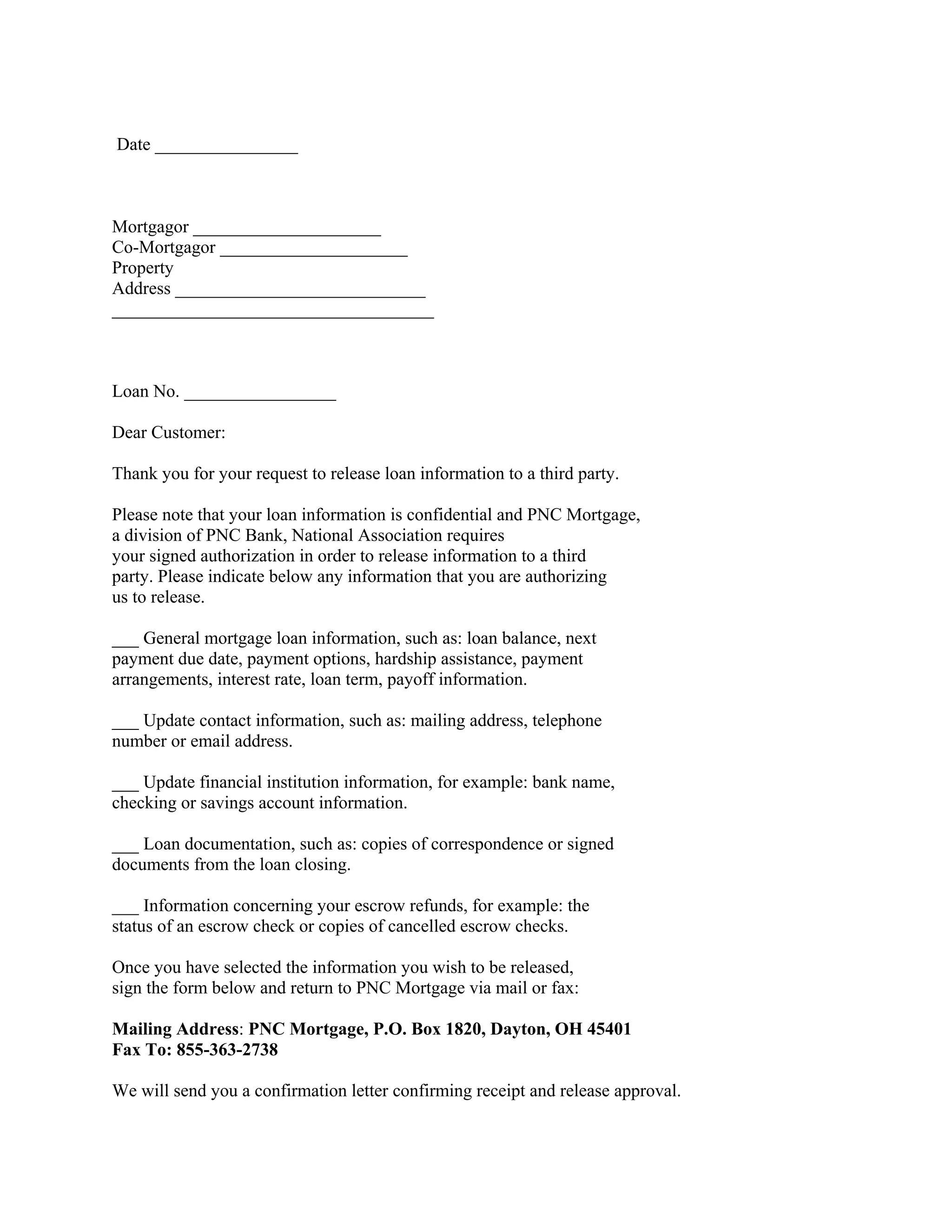
- Borrower-Designated Third Parties: If a family member, financial advisor, or prospective buyer requests the payoff, a signed and notarized Third-Party Authorization Form or Letter of Instruction (LOI) signed by the primary borrower is mandatory.
Primary Channels for Submitting a U.S. Bank Payoff Request
U.S. Bank provides specialized operational channels depending on the portfolio type. Using the incorrect channel will result in processing delays or outright rejection of the request.
Mortgage and Home Equity Loans
For residential mortgages and Home Equity Lines of Credit (HELOCs), U.S. Bank utilizes dedicated servicing portals. Title and escrow agents frequently leverage platforms like Standard Closing portals or specific fax and email queues dedicated to mortgage payoff demands.
- Online Portal Submissions: Recognized settlement agents can often request payoffs via secure institutional partner portals, which validate license numbers and company credentials instantly.
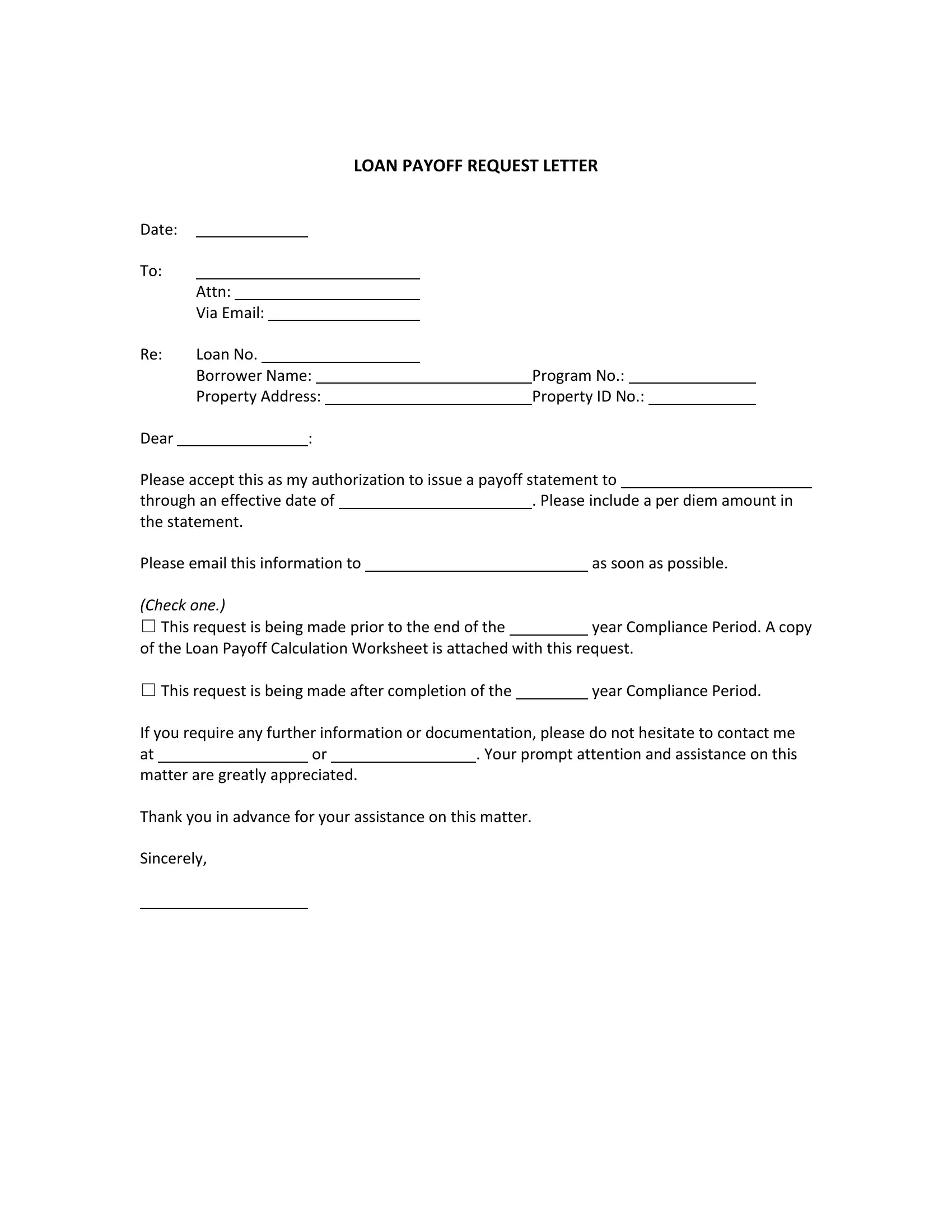
- Written Fax/Email Demands: Requests must be submitted on official company letterhead, detailing the borrower's name, loan account number, anticipated closing or payoff date, and a return fax number or secure email address.
Auto and Consumer Loans
Auto loans and personal installment loans managed by U.S. Bank Consumer Lending require distinct routing. Dealerships and third-party refinance lenders must utilize the dealer services portal or contact the dedicated consumer lending payoff department. For auto lease buyouts, a separate lease maturity department handles residual value calculations, local tax inclusions, and title release processing.
Comparison of Request Channels and Processing Speeds
Choosing the correct method for your specific transaction type accelerates turnaround times and prevents deal stagnation. The following matrix details the operational parameters for various third-party request types at U.S. Bank.
| Loan Portfolio Type | Primary Request Method | Typical Turnaround Time | Required Supporting Documents | Common Failure Points |
|---|---|---|---|---|
| Residential Mortgage | Dedicated Escrow Portal / Fax | 24 to 48 Business Hours | Signed Purchase Agreement / Escrow Instructions | Incorrect per diem date or missing borrower signature |
| HELOC | Mortgage Servicing Fax / Phone | 24 to 72 Business Hours | Loan Account Number + Borrower Authorization | Failure to account for active draw restrictions |
| Auto Loan / Lease | Consumer Lending Portal | Same Day to 24 Hours | Dealer/Lender Payoff Form + Buyer Authorization | Outdated mileage disclosure for lease buyouts |
| Commercial Loans | Relationship Manager / Commercial Ops | 2 to 5 Business Days | Corporate Resolution + Security Agreement | Missing sign-off from authorized corporate officers |
Calculating Per Diem and Understanding Expiration Windows
A critical technical element of any U.S. Bank payoff request is the handling of per diem interest and expiration dates. A payoff statement is never a static document; it carries a strict expiration window—typically ranging from 10 to 30 days depending on the loan product.
- Per Diem Interest: This represents the daily interest charge that accumulates on the principal balance. Because interest accrues daily, if funds are wired even one day past the stated expiration date, the payoff will be short, leaving an open balance on the account.
- Good-Through Date: Every official payoff statement highlights a specific expiration date. If closing is delayed past this date, the third party must request a payoff recalculation or a formal verbal/written per diem update to account for the additional daily interest.
- Escrow Refunds and Overpayments: In mortgage transactions, if an escrow account holds a surplus, U.S. Bank typically issues an escrow refund check directly to the borrower within 30 days following the complete processing of the payoff funds, rather than automatically deducting it from the final wire amount (unless specified otherwise in institutional closing guidelines).
Step-by-Step Guide to Securing a Payoff Statement Successfully
Executing a seamless payoff request requires methodical preparation. Follow this operational checklist to avoid common administrative pitfalls:
- Audit Account Data: Double-check the exact spelling of the borrower's name, Social Security Number (or Tax ID), and the complete U.S. Bank loan account number. A single digit error will halt processing.
- Secure Written Consent: Ensure you possess a current, signed, and where applicable, notarized authorization form granting your entity permission to access the loan details.
- Determine the Target Closing Date: Calculate your exact anticipated disbursement date. Request a payoff good-through date that falls at least two to three business days after your expected wire date to provide a buffer against banking holidays or processing delays.
- Submit via Verified Channels: Route your request through U.S. Bank's authorized third-party fax numbers, secure email portals, or dedicated phone lines. Avoid using unencrypted personal email accounts.
- Confirm Wire Instructions: Upon receipt of the payoff statement, independently verify the wire routing and ABA numbers. Ensure the reference line includes the exact loan number specified in the document to prevent misapplication of funds.
Frequently Asked Questions
Can a third party request a U.S. Bank payoff statement over the phone?
Yes, but customer service representatives will only release verbal payoff figures after successfully verifying caller credentials, company licensing (in the case of title agents), and active borrower authorization on file. For closing purposes, a written payoff demand statement is always recommended over verbal quotes.
What happens if the wire is sent after the payoff statement's expiration date?
If funds arrive after the good-through date, the payoff will be deficient due to uncollected per diem interest. U.S. Bank will apply the funds to the principal and interest, leaving an open balance, which will delay the release of the lien or title and generate automatic late notices.
Does U.S. Bank charge a fee for third-party payoff statements?
Fees vary depending on the loan product and delivery method. While standard online or automated fax requests for mortgages are typically provided without upfront fees, expedited processing, duplicate statements, or specialized commercial demands may incur administrative processing fees.
How are overpayments handled if the wire exceeds the final payoff amount?
If the remitted wire exceeds the exact payoff calculation, U.S. Bank processes the overpayment as a credit balance and issues a refund check to the primary borrower of record within standard institutional processing windows (typically 15 to 30 days).
What specific details must be included in a written payoff demand request?
The request must include the borrower's full name, property address (for real estate loans), the complete loan account number, the requested good-through date, and clear contact information for the requesting third party along with valid authorization documentation.
How long does it take for U.S. Bank to release a lien after receiving the payoff?
Once full funds are verified and applied, U.S. Bank typically initiates the lien release or title satisfaction document recording within the timeframe mandated by state law, which generally ranges from 15 to 45 business days depending on local county recording office procedures.
Image Gallery