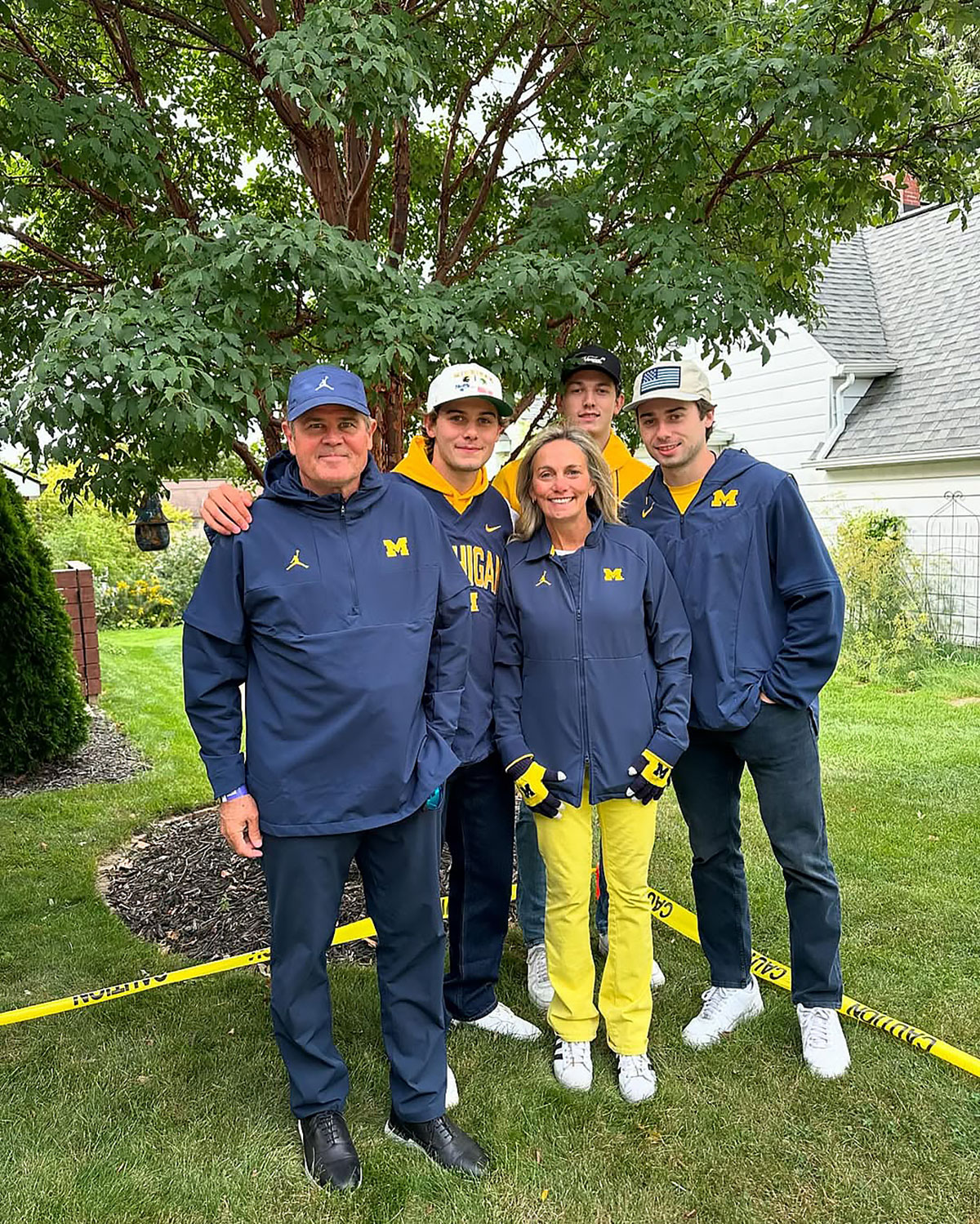
The Architects of a Hockey Dynasty: Exploring the Lives of Jack and Quinn Hughes’ Parents
The extraordinary success of Jack, Quinn, and Luke Hughes in the NHL is rooted in the unique athletic pedigree and professional guidance of their parents, Jim Hughes and Ellen Weinberg-Hughes. Both parents were elite athletes and high-...
The extraordinary success of Jack, Quinn, and Luke Hughes in the NHL is rooted in the unique athletic pedigree and professional guidance of their parents, Jim Hughes and Ellen Weinberg-Hughes. Both parents were elite athletes and high-level coaches who cultivated an environment focused on skating proficiency, hockey intelligence, and a genuine passion for the game, leading to all three sons becoming first-round NHL draft picks.
Contents
In the landscape of professional hockey in 2026, the names Jack and Quinn Hughes represent the pinnacle of modern, puck-moving excellence. While the brothers often command the headlines for their play with the New Jersey Devils and Vancouver Canucks, the foundation of their historic rise was built decades ago by two individuals who understood the rigors of professional sports from the inside. Jim Hughes and Ellen Weinberg-Hughes did more than just provide DNA; they provided a roadmap for navigating the highest levels of competitive athletics.
Ellen Weinberg-Hughes: A Multi-Sport Trailblazer
Long before her sons were hoisting trophies or wearing captain’s "C"s, Ellen Weinberg-Hughes was one of the most versatile athletes in the United States. Her career serves as a testament to the era when multi-sport participation was the standard for elite development. At the University of New Hampshire (UNH), Ellen was a three-sport standout, competing in ice hockey, soccer, and lacrosse.
Collegiate and International Excellence
During her tenure at UNH, Ellen was a force in the late 1980s and early 1990s. In hockey, she was a prolific defenseman who eventually earned a spot on the United States Women’s National Team. Her crowning achievement on the international stage came in 1992, when she won a silver medal at the IIHF Women's World Championship. This experience at the highest level of international competition provided her with a perspective on the mental and physical demands of elite play that she would later pass on to her children.
In 2012, her contributions to UNH athletics were officially recognized when she was inducted into the UNH Athletics Hall of Fame. Her background in multiple sports is often cited by development experts as a primary reason why her sons possess such high levels of "athletic IQ" and spatial awareness on the ice. Rather than specializing in hockey from the age of five, the Hughes brothers were encouraged to be overall athletes, a philosophy Ellen championed.
The Coaching and Mentorship Role
Beyond her playing days, Ellen took on roles in coaching and broadcasting, remaining deeply embedded in the hockey community. Her understanding of the game’s technical aspects—particularly skating—complemented Jim’s tactical knowledge. When observers watch Quinn or Jack pivot or escape pressure in 2026, they are seeing the refined version of the skating techniques Ellen mastered and emphasized during their formative years.
Jim Hughes: The Professional Blueprint
If Ellen provided the athletic foundation and skating prowess, Jim Hughes provided the professional blueprint. Jim’s career has spanned every level of hockey, from playing on the blue line at Providence College to coaching in the NHL and managing player development for one of the league’s most storied franchises.
Playing and Early Coaching Career
Jim Hughes was a defenseman for Providence College from 1985 to 1989, serving as captain during his senior year. While he played professionally for a brief period in the American Hockey League (AHL) and in Europe, his true calling was in the strategic and developmental side of the sport.
Jim’s coaching resume is extensive. He served as an assistant coach for the Boston Bruins in the early 2000s and held the head coaching position for the Manchester Monarchs in the AHL. These roles allowed him to see firsthand what separated "good" players from "elite" ones. He learned the nuances of team systems, the importance of video study, and the psychological resilience required to survive an 82-game NHL season.
Director of Player Development
Perhaps his most influential role regarding his sons' careers was his time as the Director of Player Development for the Toronto Maple Leafs (2009–2015). In this capacity, Jim was responsible for overseeing the growth of the organization's top prospects. He understood the "pathway" to the NHL better than almost any other parent in North America. This professional insight allowed the Hughes family to make informed decisions about their sons' development, including the decision to have them play for the U.S. National Team Development Program (USNTDP).
The Hughes Family Development Philosophy
The success of Jack and Quinn (and youngest brother Luke) was not an accident of nature, but the result of a specific developmental environment created by Jim and Ellen. While many parents in the hockey world focus on "grit" or "size," the Hughes parents focused on two things: skating and fun.
The "Skating First" Approach
Living in Toronto during Jim’s tenure with the Maple Leafs, the boys were frequently on the ice. However, Jim and Ellen avoided the "drill sergeant" mentality. They focused on puck-handling and skating agility. They encouraged their sons to play "up" in age groups to challenge their decision-making speeds. This approach is why Quinn Hughes entered the league as one of the most mobile defensemen in history and why Jack Hughes is able to navigate high-traffic areas with such ease.
Avoiding Burnout
A recurring theme in interviews with the Hughes parents is their insistence that the boys drive the passion for the game. Jim and Ellen provided the resources—ice time, equipment, and expert advice—but the internal motivation came from the brothers' competitive relationship with one another. By maintaining a supportive rather than a high-pressure home environment, they ensured that by the time the boys reached the NHL draft, they were still in love with the game.
Summary of Professional and Athletic Backgrounds
The following table highlights the distinct but complementary paths Jim and Ellen took before and during their sons' rises to NHL stardom.
| Feature | Ellen Weinberg-Hughes | Jim Hughes |
|---|---|---|
| Collegiate Career | UNH (Ice Hockey, Soccer, Lacrosse) | Providence College (Ice Hockey) |
| Elite Achievement | 1992 World Championship Silver Medal | Captain of Providence College Friars |
| Professional Role | Broadcaster & National Team Athlete | NHL Assistant Coach, AHL Head Coach |
| Key Management Role | Hall of Fame Athlete Mentor | Director of Player Development (Leafs) |
| Development Focus | Multi-sport athleticism and skating | Systems, professional pathway, and IQ |
| Inductions | UNH Athletics Hall of Fame | Providence College Hall of Fame (Team) |
The Current Impact (2026 Perspective)
As of 2026, the impact of Jim and Ellen’s upbringing is visible in the trophy cases and stat lines of their sons. Quinn Hughes has solidified himself as a perennial Norris Trophy candidate and a transformational captain for the Vancouver Canucks. Jack Hughes has evolved into one of the league's premier offensive dynamos, a centerpiece for the New Jersey Devils' championship aspirations. Luke Hughes, the youngest, has successfully transitioned from a standout college career at Michigan to a top-pairing role alongside his brother in New Jersey.
The "Hughes Era" of the NHL is characterized by a shift toward smaller, faster, and more skilled players—a shift that Jim and Ellen anticipated and prepared their sons for over a decade ago. They didn't just raise hockey players; they raised the prototypes for the 21st-century NHL athlete.
FAQs
Did both of Jack and Quinn’s parents play professional hockey?
While Ellen Weinberg-Hughes played at the highest international level (Team USA), professional women's leagues were not established in the same way they are in 2026. She was an elite international competitor. Jim Hughes played professionally in the AHL and in Europe before moving into coaching and management.
Where did the Hughes brothers grow up?
The brothers spent a significant portion of their childhood in Toronto, Ontario, while their father worked for the Toronto Maple Leafs. This allowed them access to some of the highest levels of youth hockey in the world. They later moved to Michigan to join the U.S. National Team Development Program.
What is Ellen Weinberg-Hughes' athletic background outside of hockey?
Ellen was a standout athlete in soccer and lacrosse at the University of New Hampshire. Her multi-sport background is often credited with giving her sons the agility and coordination that define their playing styles today.
How did Jim Hughes influence the boys' professional careers?
Jim’s experience as a Director of Player Development meant he knew exactly what NHL scouts were looking for. He guided his sons through the recruitment process and helped them choose the developmental paths (like the USNTDP and University of Michigan) that best suited their skill sets.
Are all three Hughes brothers in the NHL as of 2026?
Yes, as of 2026, Quinn (Vancouver), Jack (New Jersey), and Luke (New Jersey) are all established stars in the NHL. They made history as the first family to have three American-born brothers all drafted in the first round of the NHL Entry Draft.
Practical Takeaway for Hockey Parents
The story of Jim and Ellen Hughes offers a masterclass in talent development. For those looking to emulate their success, the key takeaway is the balance between professional-grade technical instruction and athletic freedom. By prioritizing skating and hockey sense over physical size and specialized "grinding," and by ensuring the passion for the game remained with the players rather than the parents, they created a sustainable path to professional success.
Image Gallery