St Kitts vs St Lucia: Choosing the Right Caribbean Destination
St Kitts and St Lucia are two distinct Caribbean destinations that offer vastly different vacation experiences. St Kitts features dramatic volcanic landscapes, deep British and French colonial history, and a quieter, more understated l...
St Kitts and St Lucia are two distinct Caribbean destinations that offer vastly different vacation experiences. St Kitts features dramatic volcanic landscapes, deep British and French colonial history, and a quieter, more understated luxury atmosphere. Meanwhile, St Lucia is famous for its iconic twin Pitons, lush rainforests, volcanic mud baths, and a vibrant blend of adventure and upscale romance. Deciding between them depends on whether you prefer historic charm and tranquil beaches or dramatic geography and immersive nature.
Contents
Geographical and Landscape Differences
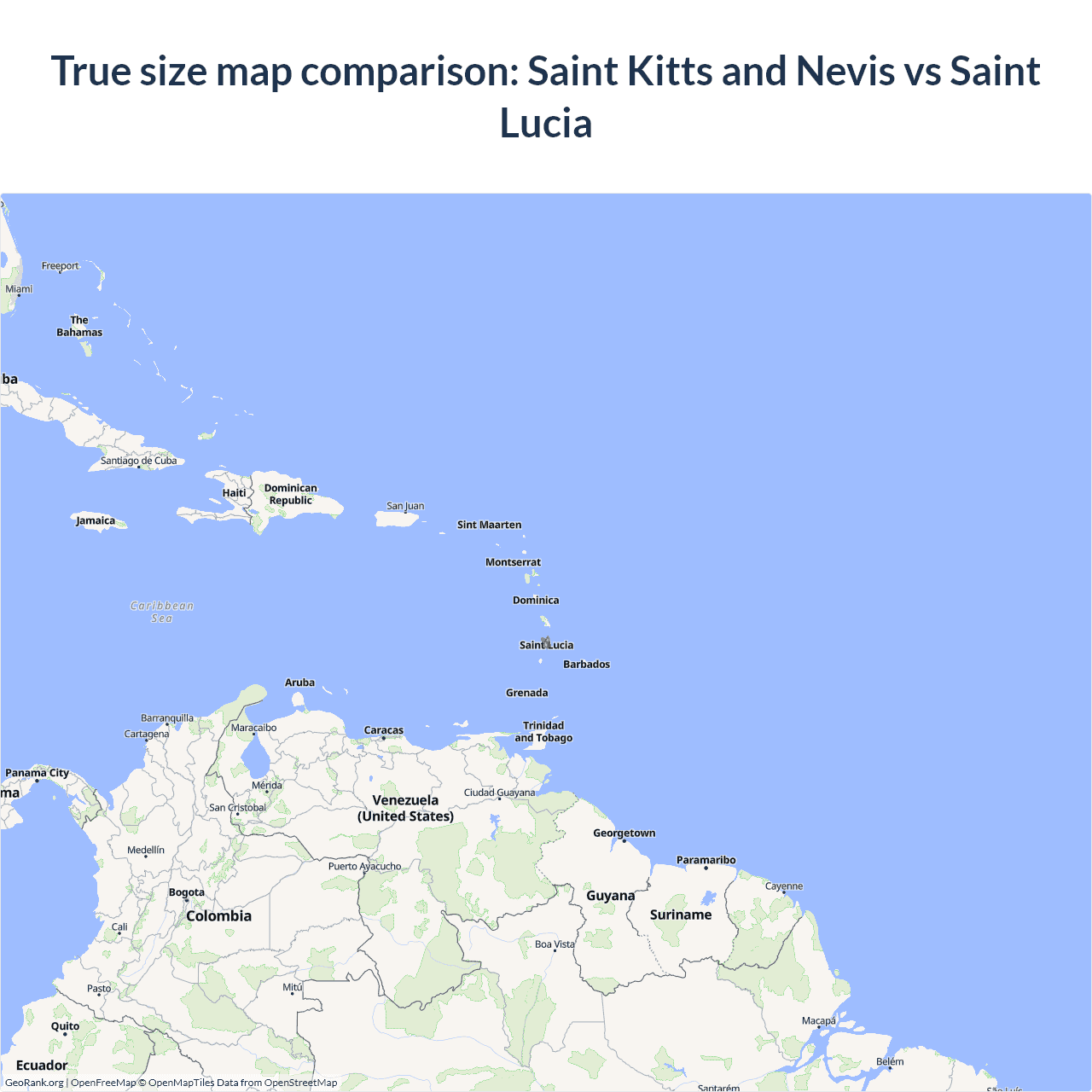
Understanding the geography of each island is essential for planning a trip or evaluating their distinct environments. While both are volcanic islands situated in the Eastern Caribbean's Lesser Antilles chain, their physical manifestations and ecological profiles vary significantly.
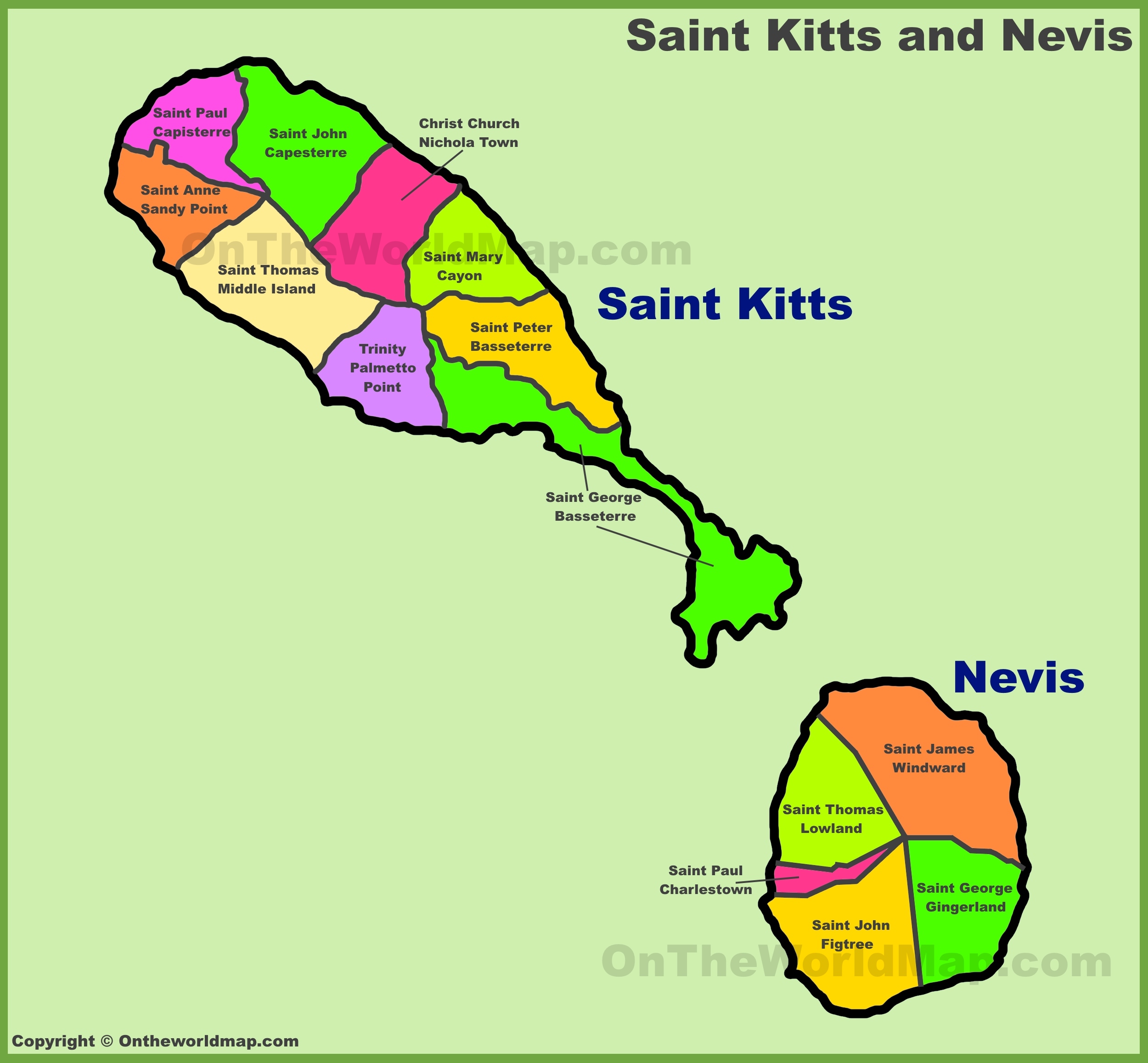
St Kitts (officially known as Saint Christopher) is relatively flat compared to its southern neighbor, dominated by the majestic Mount Liamuiga stratovolcano, which rises 3,792 feet above sea level. The interior features a dense central cordillera, but the island is characterized by wider coastal plains, rolling hills, and expansive green valleys that historically accommodated vast sugarcane plantations. The coastline transitions from black-sand beaches on the rougher Atlantic (windward) side to calm, golden-sand beaches along the Caribbean Sea (leeward) side, particularly around Frigate Bay and the Southeast Peninsula.
St Lucia, by contrast, is much more rugged, dramatic, and topographically extreme. The island is defined by the Pitons—Gros Piton and Petit Piton—two massive volcanic plugs that plunge directly into the sea from the southwestern coast near Soufrière. St Lucia features a vast interior rainforest protected by nature reserves, deep river valleys, and steep volcanic peaks. The beaches vary widely depending on the region: the west coast offers calm waters and dark volcanic sand, while the rougher Atlantic east coast is battered by strong winds and waves, making it ideal for kite-surfing rather than casual swimming.
Accommodation Styles and Resort Landscapes
The hospitality sectors on both islands cater to different traveler profiles, shaping the overall pace and texture of a stay.
St Kitts Resorts and Lodging
St Kitts balances historic boutique charm with modern luxury mega-resorts. In Basseterre and the surrounding countryside, travelers can find restored plantation inns—historic great houses converted into intimate boutique hotels that offer deep historical immersion and quiet seclusion. Conversely, the Frigate Bay and Southeast Peninsula areas host large, internationally branded luxury resorts, championship golf courses, and upscale residential communities. These properties emphasize spaciousness, contemporary amenities, and pristine beach access without feeling overcrowded.
St Lucia Resorts and Lodging
St Lucia is globally renowned for its dramatic cliffside luxury resorts, particularly around Soufrière, where properties are architecturally designed to frame views of the Pitons. Many upscale resorts feature open-air architecture ("three-walled rooms") that invites the rainforest breeze directly into the living space. St Lucia also boasts a robust selection of all-inclusive couples-only resorts, boutique eco-lodges nestled in the jungle, and luxury villas perched high above the coastline.
Cultural Heritage and Historical Attractions
Both islands possess rich, complex histories shaped by indigenous Carib populations, European colonial struggles between the British and French, and the transatlantic slave trade. However, their historical footprints manifest differently today.
St Kitts was home to the first British colony in the West Indies, earning it the moniker "The Mother Colony of the West Indies." Its premier historical attraction is the Brimstone Hill Fortress National Park, a UNESCO World Heritage Site perched atop a steep volcanic hill. Built by enslaved Africans and engineered by the British in the 17th and 18th centuries, this sprawling military fortress offers panoramic views of neighboring islands like Sint Eustatius and Saba. Additionally, the historic capital of Basseterre features well-preserved Georgian architecture, the vibrant Circus (modeled after London's Piccadilly Circus), and scenic rides on the St Kitts Scenic Railway, which loops around the island along the tracks of old sugarcane transport lines.
St Lucia's history is deeply intertwined with the colonial tug-of-war between France and Britain, changing hands fourteen times before remaining British in 1814. This dual heritage is visible in local Creole patois, place names, and culinary traditions. Historical sites include Pigeon Island National Landmark, an islet connected to the mainland by a causeway that houses military ruins, barracks, and lookout points used by British Admiral Rodney to monitor the French fleet. Soufrière, the island's original French capital, retains a distinct 18th-century French colonial atmosphere and serves as the gateway to natural geothermal wonders.
Outdoor Activities and Adventure Tourism
For active travelers, St Kitts and St Lucia offer contrasting itineraries rooted in their respective topographies.
St Kitts Adventure Highlights
- Volcanic Hiking: Trekking to the rim of Mount Liamuiga offers a challenging, muddy hike through dense rainforest canopy, giant ferns, and towering strangler figs, culminating in views down into the crater.
- Water Sports: Snorkeling and scuba diving thrive along the shallow reefs of the Southeast Peninsula, while catamaran sailing trips frequently navigate the channel between St Kitts and Nevis.
- Golfing: The island features world-class golf design, notably the Royal St Kitts Golf Club, which offers holes flanked by both the Atlantic Ocean and the Caribbean Sea.
St Lucia Adventure Highlights
- The Piton Climbs: Scaling Gros Piton is a strenuous half-day hike that rewards climbers with sweeping views of the southern coastline and neighboring St Vincent on clear days.
- Drive-In Volcano and Mud Baths: Located in Soufrière, Sulphur Springs is billed as the Caribbean's only drive-in volcano. Visitors can tour the geothermal sulfur vents and soak in mineral-rich volcanic mud baths known for their therapeutic properties.
- Rainforest Ziplining and Aerial Trams: The dense interior jungles provide ideal terrain for canopy tours, aerial tram rides, and waterfall hikes, such as the trek to Toraille Waterfall or Diamond Falls Botanical Gardens.
Comparison Table: St Kitts vs St Lucia
| Feature | St Kitts | St Lucia |
|---|---|---|
| Topography | Rolling hills, flatter coastal plains, single main volcano (Mount Liamuiga) | Rugged, mountainous, dense rainforests, iconic Pitons |
| Primary Vibe | Quiet, understated, historic, relaxed luxury | Dramatic, adventurous, romantic, lush |
| Top Landmark | Brimstone Hill Fortress (UNESCO World Heritage Site) | The Pitons (Gros Piton and Petit Piton) |
| Beaches | Calm golden sand (leeward), dramatic black sand (windward) | Varied; volcanic dark sand in the south, golden sand in the north |
| Best For | History enthusiasts, golfers, travelers seeking tranquility | Nature lovers, hikers, honeymooners, adventure seekers |
| Geothermal Features | Limited volcanic activity | Active sulphur springs, drive-in volcano, mud baths |
Culinary Scenes and Nightlife
Culinary traditions in the Eastern Caribbean blend African, European, and indigenous influences, yet St Kitts and St Lucia maintain distinct gastronomic identities.
St Kitts offers a relaxed dining scene ranging from upscale beachfront grills serving freshly caught snapper and lobster to historic plantation houses offering refined fusion cuisine. Local staples include salt fish and dumplings, goat water (a rich stew), and spicy conch fritters, all typically washed down with local cane spirits or Ting, a grapefruit soda produced on the island. Nightlife is centered around the Strip in Frigate Bay, an energetic stretch of beach bars, open-air shacks, and reggae clubs that come alive on weekends.
St Lucia's gastronomy heavily reflects its French Creole heritage, utilizing local spices like cocoa, nutmeg, cinnamon, and green bananas. Traditional dishes include bouyon (a hearty meat and vegetable broth) and saltfish and green fig (the national dish). The island is also emerging as a major producer of fine estate chocolate, with bean-to-bar tours available at historic cocoa plantations like Hotel Chocolat's Rabot Estate. Nightlife in St Lucia varies: the northern hub of Rodney Bay offers lively sports bars and nightclubs, while the legendary Friday Night Gros Islet Street Party brings locals and tourists together for open-air street barbecues, rum, and booming sound systems.
Accessibility, Transportation, and Logistics
Navigating and reaching both islands requires an understanding of regional flight paths and internal transit networks.
Robert L. Bradshaw International Airport (SKB) in St Kitts receives direct flights from major US hubs (such as Miami, Charlotte, Atlanta, and New York) and the UK. Getting around the island is straightforward; taxis are widely available, and renting a car is manageable due to well-paved coastal roads (driving is on the left). Ferries and water taxis frequently shuttle travelers between Basseterre and the neighboring sister island of Nevis, making twin-island itineraries exceptionally easy.
Hewanorra International Airport (UVF) in the south and George F.L. Charles Airport (SLU) in the north serve St Lucia. Long-haul international flights typically land at UVF, which can mean a scenic but winding 60-to-90-minute taxi or shuttle ride to resorts located in the northern region of Rodney Bay or Cap Estate. Internal transit relies on regulated minivans (buses) operating along fixed routes, private taxis, and rental cars. For travelers short on time, helicopter transfers between UVF and northern heliports provide a dramatic aerial view of the coastline while bypassing winding mountain roads.
Which Destination Should You Choose?
Selecting between St Kitts and St Lucia ultimately hinges on personal travel priorities, activity levels, and aesthetic preferences.
Choose St Kitts if your ideal vacation involves uncrowded beaches, world-class historical fortifications, championship golf, and a slower, more deliberate pace. It is an exceptional choice for history buffs, families looking for relaxed coastal resorts, and travelers who prefer wide-open spaces over steep mountain terrain.
Choose St Lucia if you crave dramatic landscapes, active outdoor adventures like mountain climbing and rainforest hiking, romantic cliffside dining, and geothermal natural wonders. It suits honeymooners, active explorers, and nature photographers looking for iconic vistas that define the classic Caribbean ideal.
Image Gallery