Netflix Building G: Technical Architectural Evolution and Corporate Real Estate Strategy in 2026
Note: This article focuses exclusively on Netflix Building G, a premier corporate and production infrastructure asset representing the streaming giant's modern workplace engineering standards and facilities management framework in 2026...
Note: This article focuses exclusively on Netflix Building G, a premier corporate and production infrastructure asset representing the streaming giant's modern workplace engineering standards and facilities management framework in 2026.
Contents
The Evolution of Netflix Corporate Real Estate and Studio Infrastructure
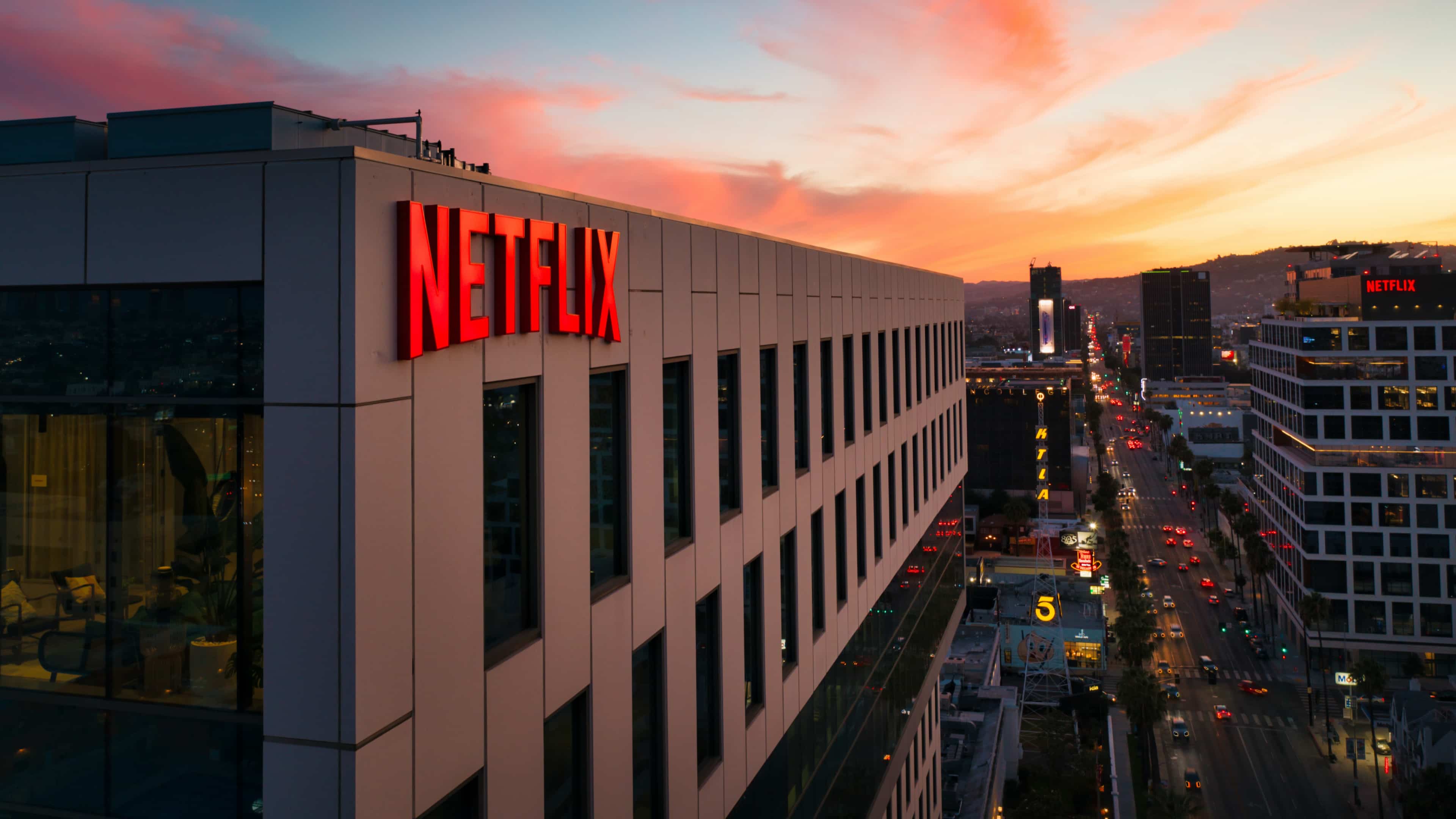
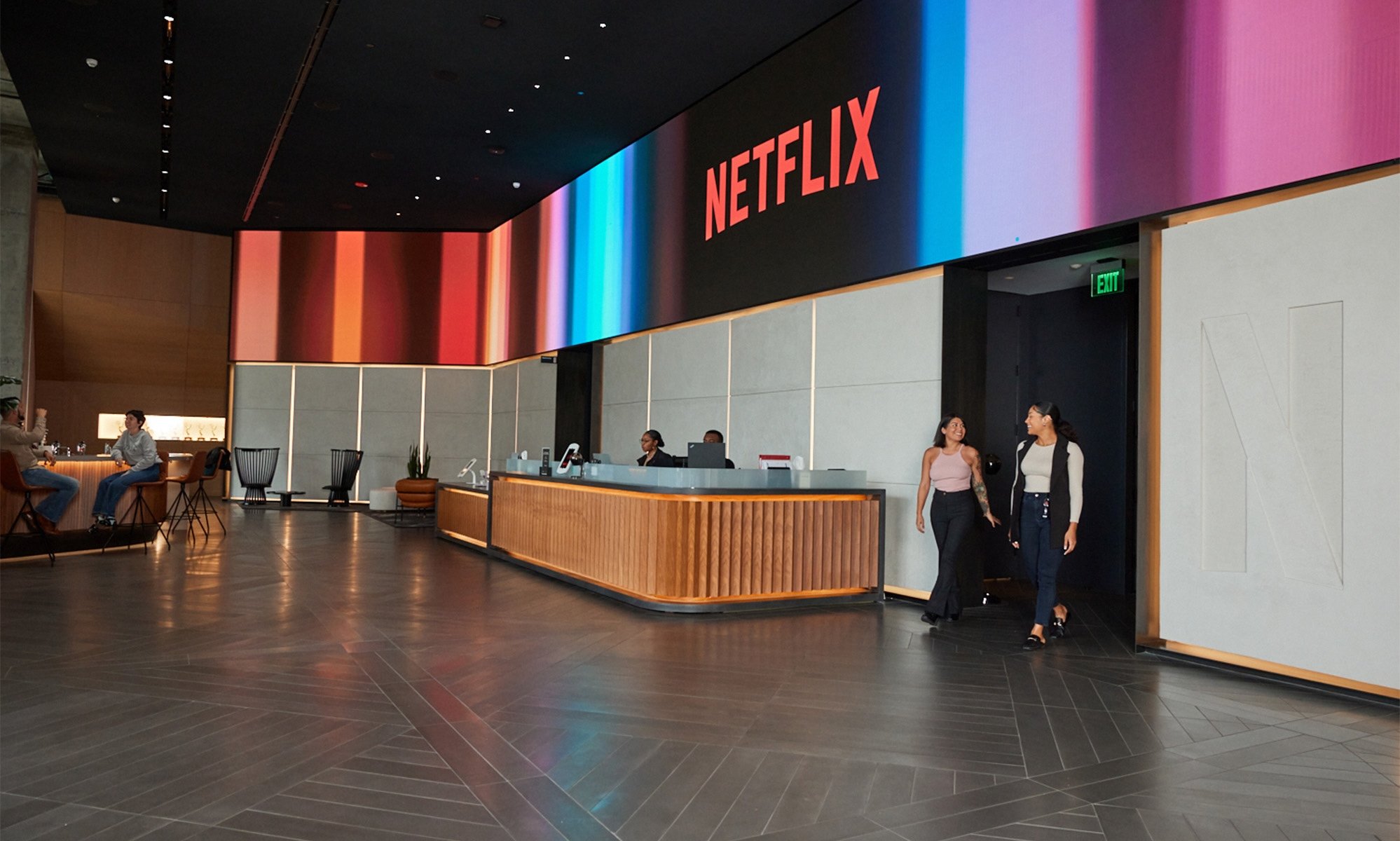
As Netflix solidifies its position as a global entertainment powerhouse, its physical footprint has transitioned from traditional leased office spaces to purpose-built, highly secure, and technologically integrated corporate campuses. Netflix Building G stands as a prime example of this evolutionary leap. Situated within the company's expanding headquarters ecosystem, Building G was conceived to address the rigorous demands of modern post-production workflows, data security mandates, and hybrid workforce collaboration models.
The strategy behind Building G breaks away from conventional corporate architecture. Rather than relying on standard open-plan offices, Netflix has engineered a facility that treats physical space much like its software infrastructure: modular, scalable, and heavily optimized for high-bandwidth media ingestion. In 2026, corporate real estate is no longer just about square footage and ergonomic seating; it is an active component of the production pipeline. Building G bridges the gap between creative storytelling and enterprise-grade technological security, offering an environment where software engineers, data scientists, and creative directors work under one roof.
Architectural Design and Technical Specifications of Building G
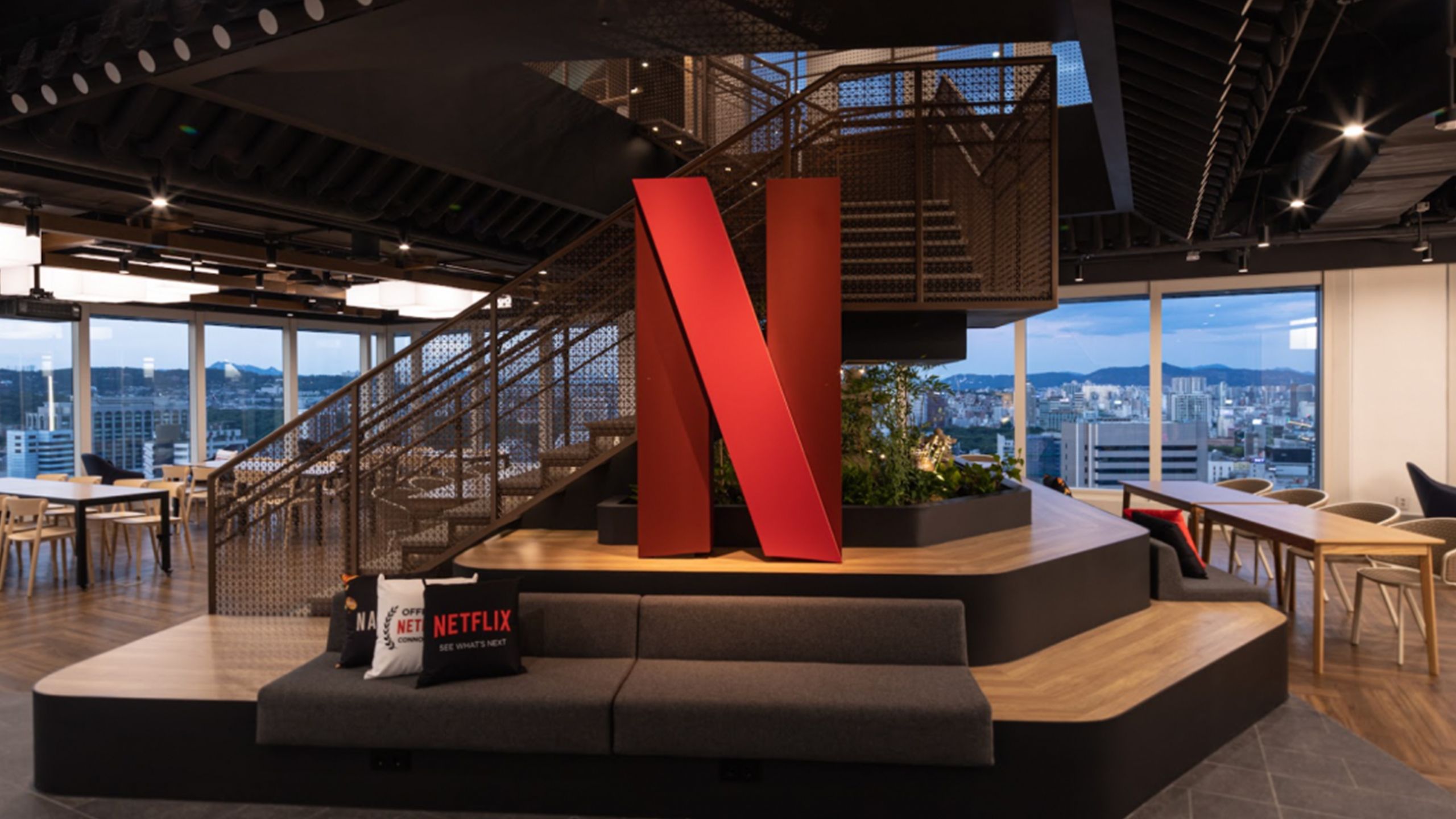
The structural engineering and interior layout of Netflix Building G reflect a deep commitment to sustainability, acoustic isolation, and high-density networking. Designing a modern media facility requires balancing open collaborative zones with ultra-secure, isolated server and screening rooms.
The building incorporates advanced building management systems (BMS) that autonomously regulate energy consumption based on real-time occupancy patterns and equipment heat loads. Given the immense thermal output of render farms and high-end color-grading suites, Building G features an enterprise-tier HVAC architecture with redundant cooling loops to protect critical hardware investments.
| Facility Parameter | Architectural Specification | Operational Benefit |
|---|---|---|
| Network Infrastructure | Multi-terabit redundant fiber backbone | Seamless transfer of uncompressed 8K media assets |
| Power Systems | Dual-feed electrical grid with UPS and diesel backup | Zero downtime for live streaming infrastructure and render farms |
| Acoustic Treatment | NRC 0.95 rated wall panels and floating floors | Studio-grade sound isolation for audio mixing and screening rooms |
| Security Architecture | Multi-factor biometric access control zones | Strict intellectual property protection for unreleased content |
| HVAC & Thermal Control | Precision cooling with N+1 redundancy | Prevents thermal throttling in high-density edit bays |
Integration with Global Content Pipelines and Security Protocols
Security remains the single most critical constraint in entertainment logistics. Netflix Building G implements a zero-trust physical security model. Content isolation is enforced not only through digital rights management (DRM) and virtual private clouds but also through physical architectural zoning.
Employees and external vendors pass through progressive security tiers depending on their clearance level. Production floors housing pre-release cuts of upcoming series and films feature Faraday-shielded screening rooms to prevent unauthorized wireless signal transmission. Furthermore, the building's network architecture is segmented into high-security enclaves that isolate developmental software pipelines from standard corporate communication tools, mitigating the risk of corporate espionage or data exfiltration.
Comparative Analysis: Building G Versus Legacy Corporate Facilities
To fully understand the advancement represented by Building G, it is necessary to compare it against older corporate facilities within the media and technology sectors. Legacy offices typically suffer from bottlenecks in data transfer speeds, inadequate acoustic isolation, and rigid spatial layouts that fail to adapt to rapid technological shifts.
| Feature Comparison | Legacy Corporate Facilities | Netflix Building G (2026 Standard) |
|---|---|---|
| Data Bandwidth | Standard enterprise gigabit ethernet | Dedicated dark fiber and multi-terabit uplinks |
| Workspace Flexibility | Fixed cubicles and permanent conference rooms | Modular, reconfigurable project war rooms |
| Sustainability Rating | Basic LEED certification | Net-zero carbon operations with smart energy grids |
| Content Security | Basic badge readers and security guards | Multi-factor biometrics and signal-shielded zones |
| Acoustic Engineering | Standard drywall and drop ceilings | Floating acoustic floors and professional studio isolation |
Operational Guidelines for Teams Operating Within Building G
Optimizing daily operations within Building G requires strict adherence to corporate protocols designed to safeguard intellectual property and maintain peak technical performance. Teams moving into or collaborating within the facility must follow standardized onboarding procedures.
- Digital Clearance Verification: All personnel must complete annual security awareness training and have their hardware vetted by the internal IT security team before connecting to Building G's secure network segments.
- Workspace Booking and Zoning: Due to the hybrid work policies in effect for 2026, desks and specialized suites must be reserved via the internal workplace management application to ensure proper resource allocation.
- Media Asset Handling: Uncompressed media must never be transferred via consumer-grade external drives; all transfers must utilize approved, encrypted internal staging servers.
- Visitor Escort Protocols: External guests, including talent and agency partners, must be issued temporary visitor credentials and remain escorted by a verified employee at all times within secure zones.
Pros and Cons of Netflix's Modern Workplace Strategy
While Building G offers state-of-the-art capabilities, managing such a technologically dense facility presents distinct challenges alongside its numerous advantages.
Advantages
- Accelerated Post-Production: Direct integration with cloud rendering services reduces delivery times for global releases.
- Talent Attraction: High-end architectural design and cutting-edge workspaces serve as a powerful recruitment tool for top-tier engineering and creative talent.
- Robust Security: Minimizes the risk of leaks through rigorous physical and digital containment strategies.
Challenges
- High Operational Complexity: Maintaining specialized environmental controls and multi-terabit networks requires a dedicated, highly skilled facilities engineering team.
- Adaptation Curve: Creative and technical teams sometimes require extensive training to operate effectively within highly structured, security-dense environments.
- Capital Intensity: The initial build-out and ongoing maintenance costs associated with tier-one media facilities are significantly higher than standard office rentals.
Frequently Asked Questions
What is the primary purpose of Netflix Building G?
Netflix Building G is a specialized corporate and technical facility designed to support high-bandwidth post-production workflows, software engineering, and secure content development. It integrates advanced media infrastructure with enterprise-grade physical security to protect unreleased intellectual property.
How does Building G ensure the security of unreleased content?
The facility utilizes a zero-trust physical and digital security model, including multi-factor biometric access controls, isolated network enclaves, and Faraday-shielded screening rooms that prevent unauthorized wireless signal transmission.
Is Building G open to external production partners and talent?
Yes, external partners and talent frequently utilize the specialized screening rooms and collaborative spaces within Building G, though they are subject to strict visitor escort policies and temporary credentialing.
What kind of network infrastructure is installed in Building G?
Building G features a multi-terabit redundant fiber backbone capable of handling the massive data loads required for uncompressed 8K media asset transfers and cloud-based rendering pipelines.
How does Building G support sustainability goals?
The facility incorporates advanced building management systems that autonomously optimize energy consumption, paired with net-zero carbon operational standards and smart thermal management to reduce its environmental footprint.
Optimizing Your Corporate Infrastructure Strategy
As media production and software engineering continue to converge, facilities like Netflix Building G set a new benchmark for corporate real estate. Organizations looking to upgrade their technical infrastructure must prioritize scalable networking, uncompromising security zoning, and sustainable architectural design to remain competitive. Evaluate your current operational bottlenecks, invest in robust foundational systems, and align your physical workspaces with the demands of modern digital workflows.
Image Gallery