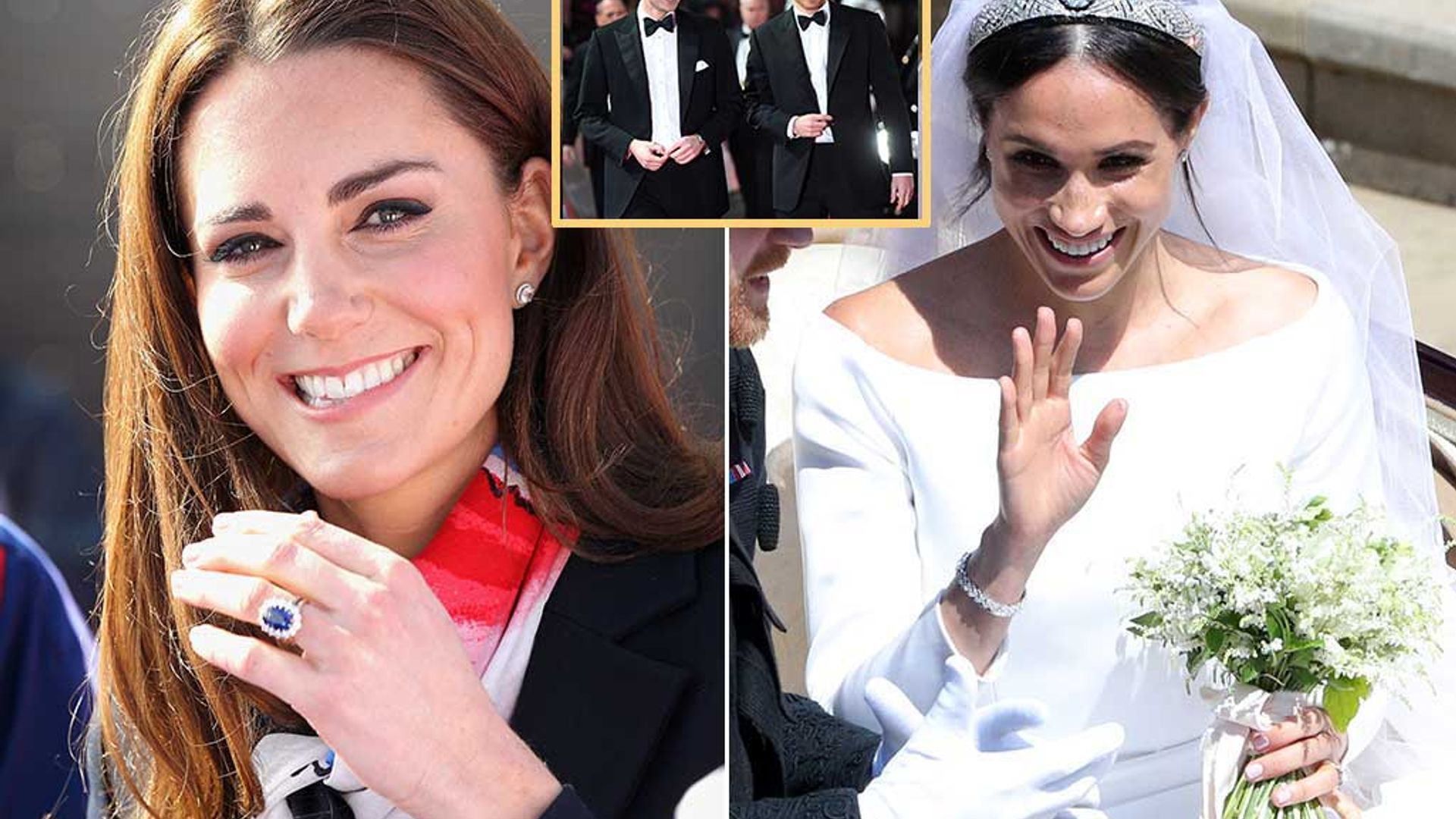
Comparing the Royal Weddings of Kate Middleton and Meghan Markle: A Definitive History
The weddings of Kate Middleton in 2011 and Meghan Markle in 2018 represent two of the most significant cultural events in modern British history. While Catherine’s ceremony at Westminster Abbey followed strict state protocols as a futu...
The weddings of Kate Middleton in 2011 and Meghan Markle in 2018 represent two of the most significant cultural events in modern British history. While Catherine’s ceremony at Westminster Abbey followed strict state protocols as a future Queen Consort, Meghan’s Windsor wedding blended traditional British royalty with modern, multicultural influences, reflecting the differing roles and trajectories of the two couples within the House of Windsor.
Contents
The Evolution of the Modern Royal Wedding
By 2026, we can look back at the weddings of the Princess of Wales and the Duchess of Sussex as the two pillars that defined the British Monarchy’s image in the 21st century. These events were not merely private unions but massive logistical undertakings and global media spectacles that served specific institutional purposes.
Catherine Middleton’s wedding to Prince William on April 29, 2011, was effectively a state occasion. As William is the direct heir to the throne, the event required a level of formality, scale, and traditionalism that reinforced the continuity of the Crown. In contrast, Prince Harry’s wedding to Meghan Markle on May 19, 2018, was a "royal wedding" but not a state occasion. This distinction allowed for greater creative freedom, a different venue, and a guest list that leaned more toward global celebrity than international diplomacy.
Understanding these two weddings requires looking at the logistics, the fashion, the liturgical choices, and the long-term impact each had on the public’s perception of the royal family.
Strategic Comparison: Venues and Capacity
The choice of venue for a royal wedding is never accidental; it is dictated by the rank of the groom and the expected size of the guest list.
Westminster Abbey (2011)
Prince William and Catherine Middleton chose Westminster Abbey in London. This venue has been the site of coronations since 1066 and has a massive capacity. On the wedding day, approximately 1,900 guests attended the ceremony. The Abbey provided a grand, cavernous backdrop that suited the "State-like" nature of the event. The long aisle of the Abbey created the iconic moment of the bride’s procession, which lasted nearly four minutes, emphasizing the gravity of the occasion.
St George’s Chapel (2018)
Prince Harry and Meghan Markle opted for St George’s Chapel at Windsor Castle. While still a historic and prestigious royal venue—serving as the burial place for many monarchs—it is significantly smaller and more intimate than Westminster Abbey. The chapel held roughly 600 guests. Choosing Windsor allowed for a more contained security perimeter and a "country" feel compared to the urban spectacle of London. It also signaled that while the wedding was a major event, Harry was further down the line of succession, allowing for a break from the rigid requirements of a London state ceremony.
Design and Aesthetics: The Iconic Wedding Dresses
The fashion choices of both brides were analyzed by millions and continue to influence bridal trends in 2026. Both women chose British designers at the helm of major fashion houses, but their styles reflected vastly different personalities and messages.
Catherine’s Sarah Burton for Alexander McQueen
Catherine’s dress is widely considered a masterpiece of modern traditionalism. Designed by Sarah Burton for Alexander McQueen, it featured an ivory satin bodice with padded hips (a McQueen signature) and intricate floral lace appliqué. The lace was hand-engineered by the Royal School of Needlework, using the Carrickmacross lace-making technique.
The dress featured a 2.7-meter train and a silhouette that paid homage to Grace Kelly’s 1956 wedding gown. It was designed to look timeless, bridging the gap between the monarchy's storied past and its future. Catherine wore the Cartier Halo Tiara, lent to her by Queen Elizabeth II, which held her silk tulle veil in place.
Meghan’s Clare Waight Keller for Givenchy
Meghan Markle’s dress, designed by Clare Waight Keller for Givenchy, took a completely different approach. It was characterized by "minimalist elegance," featuring a graphic open bateau neckline and three-quarter sleeves. The dress was made of double-bonded silk cady and lacked any lace or embroidery on the gown itself.
The "wow" factor of Meghan’s ensemble was her five-meter-long silk tulle veil. The veil was hand-embroidered with the distinct flora of all 53 Commonwealth countries, a nod to the couple's future roles as Commonwealth ambassadors. Meghan paired this with the Queen Mary Diamond Bandeau Tiara, a stunning piece from 1932 that had not been seen in public for decades.
Liturgical and Cultural Differences
The ceremonies themselves showcased the different ways the royal family interacts with tradition and modernity.
The 2011 Ceremony: Catherine and William’s wedding followed the Church of England’s 1928 Prayer Book service. It was a masterpiece of British choral tradition, featuring the Westminster Abbey Choir and the Chapel Royal Choir. The atmosphere was one of solemnity and British heritage, focusing on the stability and history of the institution.
The 2018 Ceremony: Meghan and Harry’s wedding was a departure from traditional royal norms. While it remained a Church of England service, it incorporated several modern and American elements:
- The Kingdom Choir: A Christian gospel choir performed "Stand by Me," marking a significant cultural shift in the music typically heard at royal weddings.
- Bishop Michael Curry: The Most Reverend Michael Curry, Primate of the Episcopal Church in the US, delivered an energetic 14-minute sermon on the power of love. His passionate delivery was a stark contrast to the typically reserved British homilies.
- Modern Vows: Like Catherine before her, Meghan opted not to use the word "obey" in her vows, a practice that has become standard for modern royal brides since Princess Diana.
Logistics, Budget, and Public Security
Royal weddings are incredibly expensive, primarily due to the massive security requirements needed to protect the Royal Family, visiting heads of state, and the hundreds of thousands of spectators.
| Feature | Kate & William (2011) | Meghan & Harry (2018) |
|---|---|---|
| Date | April 29, 2011 | May 19, 2018 |
| Venue | Westminster Abbey, London | St George's Chapel, Windsor |
| Official Guest Count | ~1,900 | ~600 |
| Estimated TV Viewers | ~162 Million (Global) | ~1.9 Billion (Global Reach) |
| Primary Designer | Sarah Burton (Alexander McQueen) | Clare Waight Keller (Givenchy) |
| Tiara | Cartier Halo Tiara | Queen Mary Diamond Bandeau |
| Estimated Cost | ~£24 Million (mostly security) | ~£32 Million (mostly security) |
| Public Holiday? | Yes (UK-wide) | No (Saturday wedding) |
The funding for both weddings followed a similar pattern: the Royal Family (and the Middletons in 2011) paid for the "private" aspects of the wedding—the flowers, the dresses, the receptions, and the cake. However, the UK taxpayer covered the security costs through the Metropolitan Police and local constabularies. In 2018, the security costs were reportedly higher due to the increased global terror threat level at the time and the logistical challenges of securing the town of Windsor compared to the controlled environment of central London.
The Economic and Cultural Legacy
As we evaluate these events from the perspective of 2026, their economic impact remains a point of study. The 2011 wedding provided a significant boost to the UK tourism industry, with an estimated extra 600,000 people visiting London for the event. The "Kate Effect" was also born, where any brand or style worn by the Princess would sell out instantly, contributing billions to the British fashion economy over the subsequent decade.
The 2018 wedding had a similar cultural impact, particularly in how it repositioned the monarchy as a more inclusive and global institution. The "Meghan Effect" was equally potent, though it moved toward a more international, North American audience. These weddings served as the last great gatherings of the Royal Family before the era of "Megxit" and the passing of Queen Elizabeth II in 2022.
Frequently Asked Questions
Which wedding was more expensive?
Based on reported figures, Prince Harry and Meghan Markle’s wedding in 2018 had a higher total cost, largely attributed to the security requirements of the era and the logistics of securing Windsor. While the private costs (dress, flowers, food) were likely comparable, the policing and security surge drove the 2018 total higher than the 2011 event.
Why did Kate get a public holiday but Meghan did not?
Prince William is a direct heir to the throne (now the Prince of Wales). His wedding was treated as a state-adjacent occasion, and the government declared a bank holiday to mark the importance of the future King’s marriage. Prince Harry, being further down the line of succession, did not require a national holiday. His wedding was held on a Saturday to ensure the public could watch without needing a formal day off.
What happened to the wedding dresses after the ceremonies?
Catherine’s Alexander McQueen gown was displayed at Buckingham Palace during the 2011 summer opening, attracting record-breaking crowds (over 600,000 visitors). Meghan’s Givenchy gown was also displayed at Windsor Castle and Holyroodhouse in 2019. Both dresses are now part of the Royal Collection, though they are rarely on public display due to the fragile nature of the fabrics.
Who paid for the weddings?
The Royal Family and the brides' families covered the core wedding costs. For the 2011 wedding, the Middleton family contributed significantly to the costs. For both weddings, the "public" costs—specifically the massive security operation—were funded by UK taxpayers through the Treasury.
How did the guest lists differ?
The 2011 guest list was heavy on foreign royalty, diplomats, and political figures because it was a "state" event. The 2018 guest list was much more focused on the entertainment industry, including celebrities like Oprah Winfrey, George and Amal Clooney, and the cast of Suits, reflecting Meghan’s background and Harry’s more "private" royal status.
Practical Recommendation for Royal History Enthusiasts
If you are researching the history of the British Monarchy or planning a trip to see these historic sites in 2026, it is highly recommended to visit Westminster Abbey and Windsor Castle in tandem. While the Abbey showcases the sheer scale of the British State, St George's Chapel offers a more intimate look at the religious traditions of the Garter Knights and the private life of the Windsors. For those interested in the fashion, the Royal Collection Trust often features rotating exhibits of royal attire, though you should check their official schedule for any specific garment displays.
Image Gallery