Understanding Robert B. Parker: Estate Valuation and Intellectual Property Assets in 2026
Robert B. Parker, the prolific American author best known for his Spenser, Jesse Stone, and Sunny Randall series, passed away in 2010. By 2026, discussions regarding his "net worth" refer not to liquid personal assets, but to the ongoi...
Robert B. Parker, the prolific American author best known for his Spenser, Jesse Stone, and Sunny Randall series, passed away in 2010. By 2026, discussions regarding his "net worth" refer not to liquid personal assets, but to the ongoing valuation of his literary estate, the residual royalty streams from his vast bibliography, and the licensing rights for his intellectual property across publishing, film, and television industries.
Contents
The Nature of Post-Mortem Literary Estates
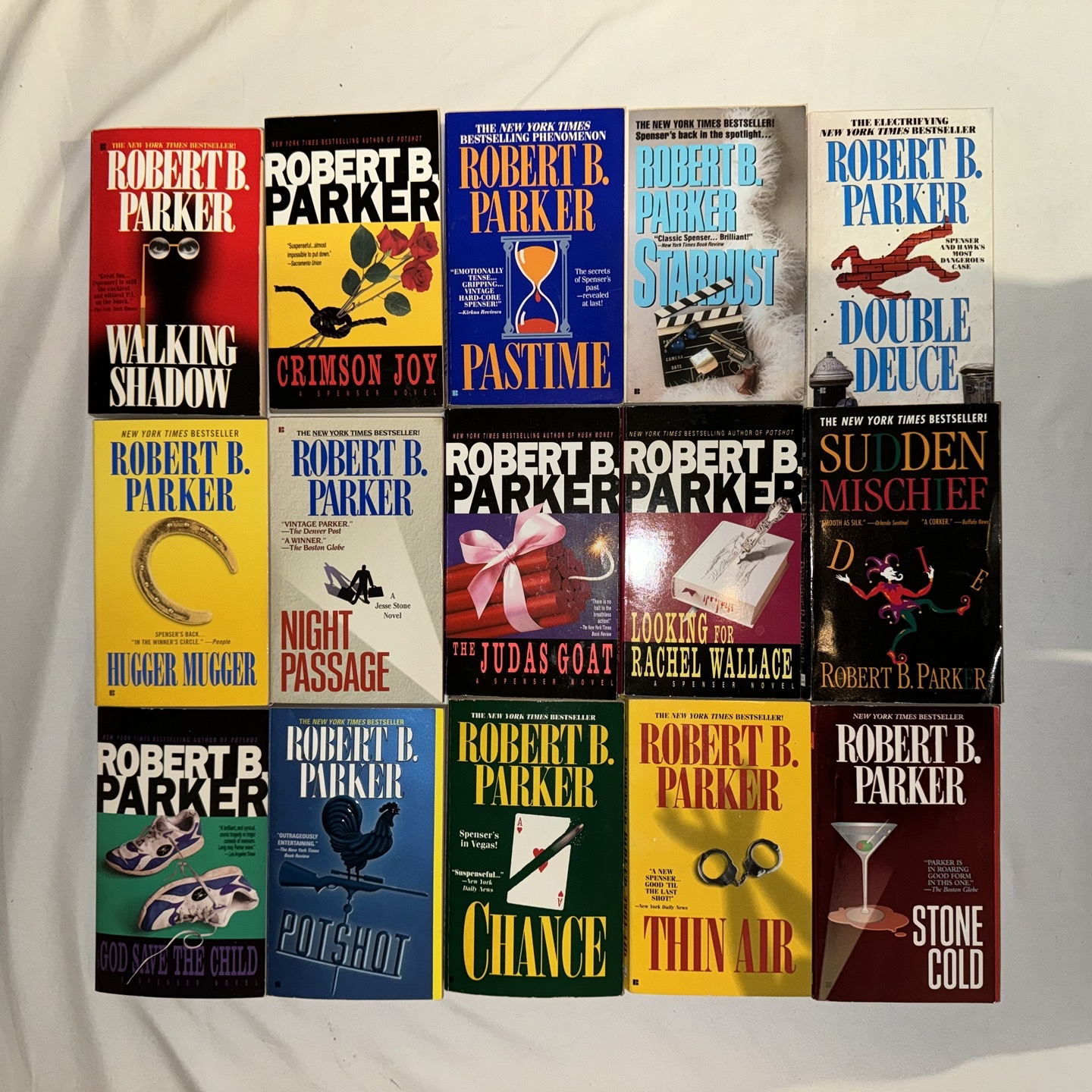
When analyzing the financial standing of a deceased author like Robert B. Parker in 2026, it is essential to distinguish between a personal bank balance and the valuation of an estate. Upon his death, Parker’s assets—including the copyrights to over 70 novels—passed into his estate, managed for the benefit of his heirs.
The "net worth" of an author’s estate in the modern era is primarily calculated based on the net present value (NPV) of future royalty projections. Because Parker was a commercial titan, his estate remains a highly active entity. Unlike estates of authors whose works go out of print, Parker’s primary series have been sustained through authorized continuations. This strategy preserves the market value of the intellectual property (IP), ensuring the estate continues to generate significant annual revenue over a decade and a half after the author's passing.
Revenue Streams and Intellectual Property Licensing
The financial viability of the Robert B. Parker estate is anchored in three distinct but overlapping business channels:
1. Ongoing Book Sales and Royalties
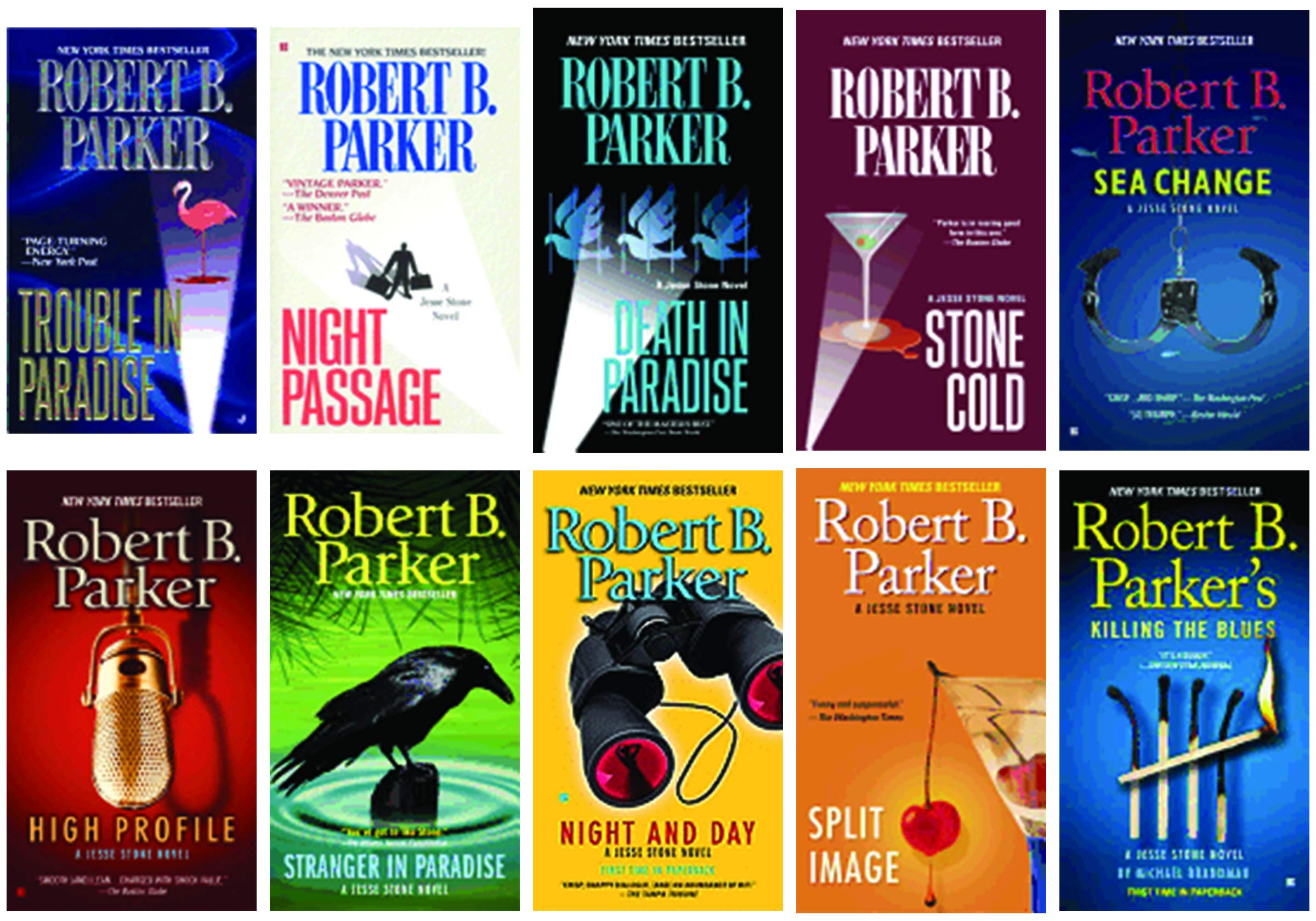
The core of the estate’s value lies in the backlist. Penguin Random House, via its G.P. Putnam’s Sons imprint, continues to publish Parker’s original works. However, the estate’s valuation is bolstered by the "authorized continuation" model. By commissioning esteemed authors to write new novels featuring Spenser or Jesse Stone, the brand remains relevant in bookstores and on digital platforms, preventing the depreciation that often occurs when an author's name fades from the public consciousness.
2. Media Adaptation and Licensing
Parker’s works have been a staple of television and film for decades. The Jesse Stone television movie franchise, which starred Tom Selleck, significantly enhanced the profile of the character and provided the estate with long-term licensing fees. In 2026, the potential for new adaptations, streaming re-releases, and international distribution rights remains a key component of the estate's total assets. The ability to pivot these stories into modern streaming formats ensures that the IP remains a "living" asset rather than a static archive.
3. Rights Management and Publishing Contracts
The estate manages the complex legal framework of domestic and international publishing rights. This includes foreign language translations, audio rights (which have seen massive growth in the 2020s), and large-print editions. Each of these segments contributes to a diversified revenue stream that maintains the estate's solvency and value.
Key Factors Influencing Estate Valuation
| Factor | Impact on Estate Value | Nature of Revenue |
|---|---|---|
| Backlist Sales | Stable | Passive royalties from classic titles |
| Continuation Novels | High | Active royalties and advance payments |
| Media Licensing | Variable | One-time fees and performance royalties |
| Audiobook Growth | Increasing | Licensing fees from streaming platforms |
| Estate Taxes/Legal | Negative | Operational overhead and maintenance |
The "Authorized Continuation" Business Strategy
In 2026, the decision by the Robert B. Parker estate to allow other writers to pen new novels under his name is the most significant factor in maintaining his financial legacy. This is a common practice in the thriller and mystery genre—similar to the estates of Ian Fleming or Robert Ludlum.
From an economic perspective, this model serves as a hedge against inflation and the volatility of the book market. By releasing new content, the estate ensures that Robert B. Parker remains a "current" author in bookstore databases. This keeps his older, original works visible to new readers who might otherwise have discovered his books only through secondhand markets, where the estate earns no royalties. This strategy requires active management, investment in ghostwriters or estate-sanctioned authors, and constant marketing, all of which are funded by the estate's liquid assets.
Financial Management and Legal Considerations
While specific financial filings for private estates are generally not public record, the "net worth" of an authorial estate is subject to standard estate tax laws. In the United States, estates of this size undergo rigorous appraisal for tax purposes shortly after death, but their value fluctuates based on the market's reception of the IP.
For readers interested in the valuation of such properties, it is important to understand that the IRS values intellectual property based on its "Fair Market Value" at the time of death, considering historical earnings and projected growth. By 2026, the valuation of the Robert B. Parker estate would be significantly different from its 2010 appraisal due to the shift toward digital publishing, the explosion of the audiobook market, and the expansion of global streaming services, all of which have created new, unforeseen revenue streams for established literary characters.
Frequently Asked Questions
Does Robert B. Parker’s estate still earn money from his books? Yes. The estate continues to receive royalty payments for the sales of Parker’s original novels as well as the authorized continuation novels written by other authors under the Parker brand.
Are the "new" Spenser books actually written by Robert B. Parker? No. Robert B. Parker passed away in 2010. The novels published under his name since that time are written by other authors commissioned by his estate and publisher to continue the popular series.
How does the estate calculate its value in 2026? The valuation is based on the Net Present Value of anticipated future royalties from book sales, audiobook streaming, and the licensing of film/TV rights for the Spenser, Jesse Stone, and Sunny Randall franchises.
What happens to the rights of a deceased author’s work? Copyrights generally last for the life of the author plus 70 years. During this time, the rights are owned by the heirs or the estate, who collect royalties and control the licensing of the works.
Can fans expect new movie or TV adaptations of Parker’s work? The potential for new media adaptations is always part of the estate's portfolio. Because the intellectual property is well-known, it remains an attractive candidate for development by production companies looking for established brand recognition.
Expert Guidance on Intellectual Property Estates
For those examining the economics of literary legacies, it is clear that the longevity of an author’s brand is tied directly to the estate's willingness to engage with the changing landscape of media consumption. The Robert B. Parker estate represents a successful model of "legacy management." By effectively transitioning from a single-author operation to a branded intellectual property franchise, the estate has successfully avoided the fate of many mid-list authors whose work disappears from the public eye.
If you are investigating the financial details of an author’s estate for research purposes, look to official publisher announcements, trademark filings, and copyright renewals, which are public documents. Always prioritize information from reputable industry sources like Publishers Weekly or official author websites, as these provide the most accurate status updates on the management of literary rights.
Next Action: For the most current list of authorized works and media projects, consult the official Robert B. Parker website or the publisher's catalog for the current year. This will provide the most precise data regarding the active commercial lifecycle of the Parker brand.
Image Gallery