How to Find Reliable Dog Food Recommendations for Your Pet's Health
Finding the right dog food recommendation involves consulting your veterinarian, verifying manufacturer transparency through WSAVA guidelines, and ensuring the product meets AAFCO standards for "complete and balanced" nutrition. Avoid...
Finding the right dog food recommendation involves consulting your veterinarian, verifying manufacturer transparency through WSAVA guidelines, and ensuring the product meets AAFCO standards for "complete and balanced" nutrition. Avoid relying solely on marketing or peer reviews; instead, prioritize scientific evidence and your dog's specific health profile, age, and activity level.
Contents
The landscape of canine nutrition in 2026 is more complex than ever, with an overwhelming array of boutique brands, raw diets, and scientifically formulated kibble competing for your attention. For most pet owners, the "best" food is not a universal constant but a specific solution tailored to an individual dog’s metabolic needs. Navigating this sea of information requires a structured approach that prioritizes professional expertise over anecdotal evidence found on social media or retail sites.
Start with a Veterinary Consultation
The most reliable source for dog food recommendations is your veterinarian or a board-certified veterinary nutritionist. Unlike generic online guides, a veterinarian understands your dog’s specific medical history, including existing conditions like chronic kidney disease, food sensitivities, or joint issues that may require specialized nutrient profiles.
Why Professional Assessment Matters
A physical examination and blood work provide a baseline for your dog’s health. For example, a dog with high calcium levels or early signs of renal failure should not be on a high-protein, high-mineral diet often recommended by generic "premium" brands. In 2026, many veterinary clinics use advanced diagnostic tools to map a dog’s microbiome, allowing for even more precise dietary recommendations that support gut health.
The Role of Board-Certified Veterinary Nutritionists
If your dog has multiple health issues or you are interested in home-cooking, seek a recommendation from the American College of Veterinary Internal Medicine (ACVIM) or the European College of Veterinary Community Health. These specialists undergo years of additional training specifically in animal nutrition. They can provide custom formulations or vet-checked brand recommendations that ensure your dog isn't missing vital micronutrients like taurine or choline.
Utilizing the WSAVA Guidelines
When researching brands independently, the World Small Animal Veterinary Association (WSAVA) provides the industry-standard framework for evaluating pet food manufacturers. Rather than looking at the ingredient list—which can be manipulated through "ingredient splitting"—the WSAVA guidelines focus on the manufacturer’s rigorousness and quality control.
Key Questions to Ask Manufacturers
To find a reliable recommendation, you should verify if a company meets these WSAVA criteria:
- Does the company employ a full-time qualified nutritionist? Ideally, this should be someone with a PhD in animal nutrition or a board-certified DVM nutritionist.
- Who formulates the diets? Recommendations should come from brands that design their food based on nutritional science, not marketing trends.
- Are the diets tested using AAFCO feeding trials? Laboratory analysis is one thing, but seeing how a dog actually processes the food over several months is the gold standard for safety.
- What specific quality control measures are in place? This includes testing for pathogens like Salmonella and ensuring the finished product matches the stated nutrient profile.
Companies that are transparent about these metrics are far more likely to be recommended by the scientific community than those that hide behind "proprietary formulas."
Decoding AAFCO Statements and Labels
To find a valid dog food recommendation, you must learn to read the Association of American Feed Control Officials (AAFCO) statement on the packaging. This statement is legally required in many jurisdictions and tells you if the food is nutritionally complete.
Understanding "Complete and Balanced"
If a food is labeled as "complete and balanced," it means it contains every nutrient required by a dog in the correct proportions. However, you must check the "Life Stage" portion of the statement. A recommendation for a "Growth" diet is appropriate for puppies, while a "Maintenance" diet is for adults. "All Life Stages" food is formulated to meet the highest nutritional demands (usually for puppies or lactating mothers), which may lead to excessive calorie intake or mineral imbalances in sedentary adult dogs.
Formulated vs. Fed
You will notice two types of AAFCO statements:
- "Formulated to meet the nutritional levels established by AAFCO": This means the recipe was designed on paper to meet the standards but hasn't necessarily been tested on real dogs.
- "Animal feeding tests using AAFCO procedures substantiate...": This is a stronger recommendation. It indicates the food was fed to actual dogs in a controlled study to ensure it supports health over time.
Evaluating Online Resources and Independent Reviews
Many pet owners turn to review websites to find recommendations, but these sources must be used with caution. Sites that rank food based on the first five ingredients often ignore the total nutritional synergy and the quality of the manufacturing process.
The Danger of Ingredient-Based Ranking
A common mistake is assuming that "grain-free" or "meat-first" automatically equals a better recommendation. In fact, the FDA's investigation into Diet-Associated Dilated Cardiomyopathy (DCM) highlighted that many boutique, grain-free diets lacked the scientific testing necessary to ensure heart health. In 2026, the consensus remains that unless a dog has a confirmed grain allergy (which is rare), grains provide essential fiber and nutrients.
Reliable Digital Databases
Look for databases that aggregate data on recalls and manufacturer transparency rather than subjective taste tests. The Pet Nutrition Alliance provides a "Manufacturer Report" that helps consumers see which companies actually employ nutritionists and own their own manufacturing plants, which is a key indicator of safety.
Comparison of Dog Food Categories
To help narrow down your search for a recommendation, consider how different categories of food meet various needs:
| Food Category | Primary Benefit | Best For | Potential Drawbacks |
|---|---|---|---|
| Therapeutic/Prescription | Target specific medical issues | Dogs with kidney, liver, or urinary disease | Requires vet prescription; higher cost |
| Science-Backed Commercial | Extensive testing and quality control | Healthy adult dogs and puppies | Often contains grains (a "con" only for rare allergies) |
| Boutique/Exotic (BEG) | Novel ingredients, trendy marketing | Owners seeking "human-grade" | Higher risk of nutritional imbalances; often lack feeding trials |
| Fresh/Gently Cooked | High palatability; minimal processing | Picky eaters; dogs with mild digestion issues | Expensive; short shelf life; requires strict nutrient balancing |
Identifying Your Dog’s Specific Requirements
A recommendation that works for a Greyhound will not be suitable for a Bulldog. To find the right food, you must categorize your dog's needs based on several physical factors.
Age and Developmental Stage
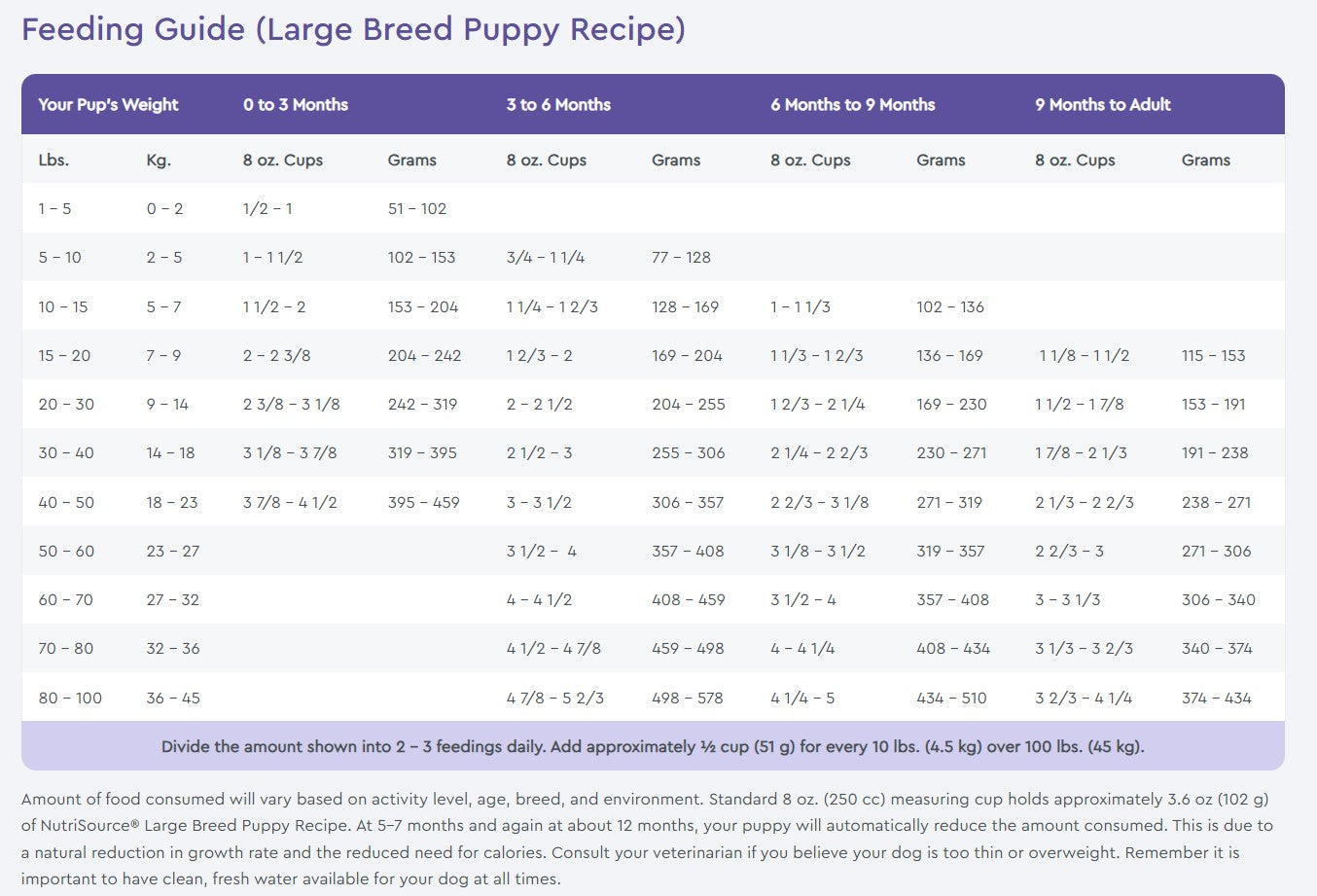
Puppies require higher levels of protein, fat, and specific minerals like calcium and phosphorus for bone development. Large breed puppies are particularly sensitive; if they grow too fast due to an over-caloric diet, they can develop lifelong orthopedic issues. Senior dogs, conversely, often need fewer calories but higher-quality, easily digestible protein to maintain muscle mass.
Activity Level and Body Condition Score (BCS)
Evaluate your dog’s BCS. A dog you can see the ribs of (too thin) requires a different caloric density than a dog with no visible waist (overweight). Most veterinary recommendations in 2026 utilize a 1–9 point scale. Finding a food that allows you to maintain a BCS of 4 or 5 is the goal of any dietary recommendation.
Common Pitfalls to Avoid
When searching for recommendations, it is easy to be swayed by "red flag" marketing terms that have little to no legal definition in the context of pet food.
- "Human-Grade": While this implies the ingredients are handled according to human food safety standards, it does not guarantee the food is nutritionally balanced for a dog.
- "Holistic" or "Premium": These are marketing terms with no legal definition under AAFCO or FDA guidelines. They do not indicate superior nutrition.
- Social Media Influencers: Many "pet influencers" are paid to promote specific brands. Always verify their credentials; if they aren't a veterinarian or a certified nutritionist, their recommendation should be viewed as an advertisement.
Frequently Asked Questions
How do I know if a dog food brand is reputable?
Check the company’s website for a transparency statement. A reputable brand will openly list their nutritionists' qualifications, confirm they own their manufacturing facilities, and provide detailed nutrient analyses (beyond just the guaranteed analysis on the bag) upon request.
Is a grain-free diet a good recommendation for my dog?
For most dogs, no. Unless your veterinarian has diagnosed a specific grain allergy through an elimination diet, grains are a safe and valuable source of energy. Research has linked some grain-free diets—especially those heavy in legumes like lentils and peas—to heart issues in certain breeds.
How often should I re-evaluate my dog's food?
You should discuss your dog’s diet at every annual wellness exam. As dogs age or their activity levels change, their nutritional requirements shift. A food that was a perfect recommendation for a two-year-old dog may be inappropriate once they reach age seven.
Can I trust "Best Dog Food" lists online?
Most of these lists are based on affiliate commissions or subjective ingredient analysis. To find a trustworthy list, look for those published by veterinary universities or professional associations like the American Veterinary Medical Association (AVMA).
What should I do if my dog has an adverse reaction to a recommended food?
Stop feeding the food immediately and contact your vet. You should also report the issue to the manufacturer and the FDA’s Safety Reporting Portal. Keep the packaging, as the lot number is essential for investigating potential contamination or formulation errors.
Next Steps for a Healthy Diet
Once you have gathered recommendations from your veterinarian and verified the brand’s scientific standards, transition your dog to the new food slowly over 7 to 10 days. Mix increasing amounts of the new food with decreasing amounts of the old food to prevent gastrointestinal upset. Monitor your dog's coat quality, energy levels, and stool consistency over the first month. A truly successful recommendation will result in a shiny coat, stable energy, and a healthy weight.
Image Gallery