Why Kanye West's Relationship with Diddy Matters for the Music Industry and Pop Culture
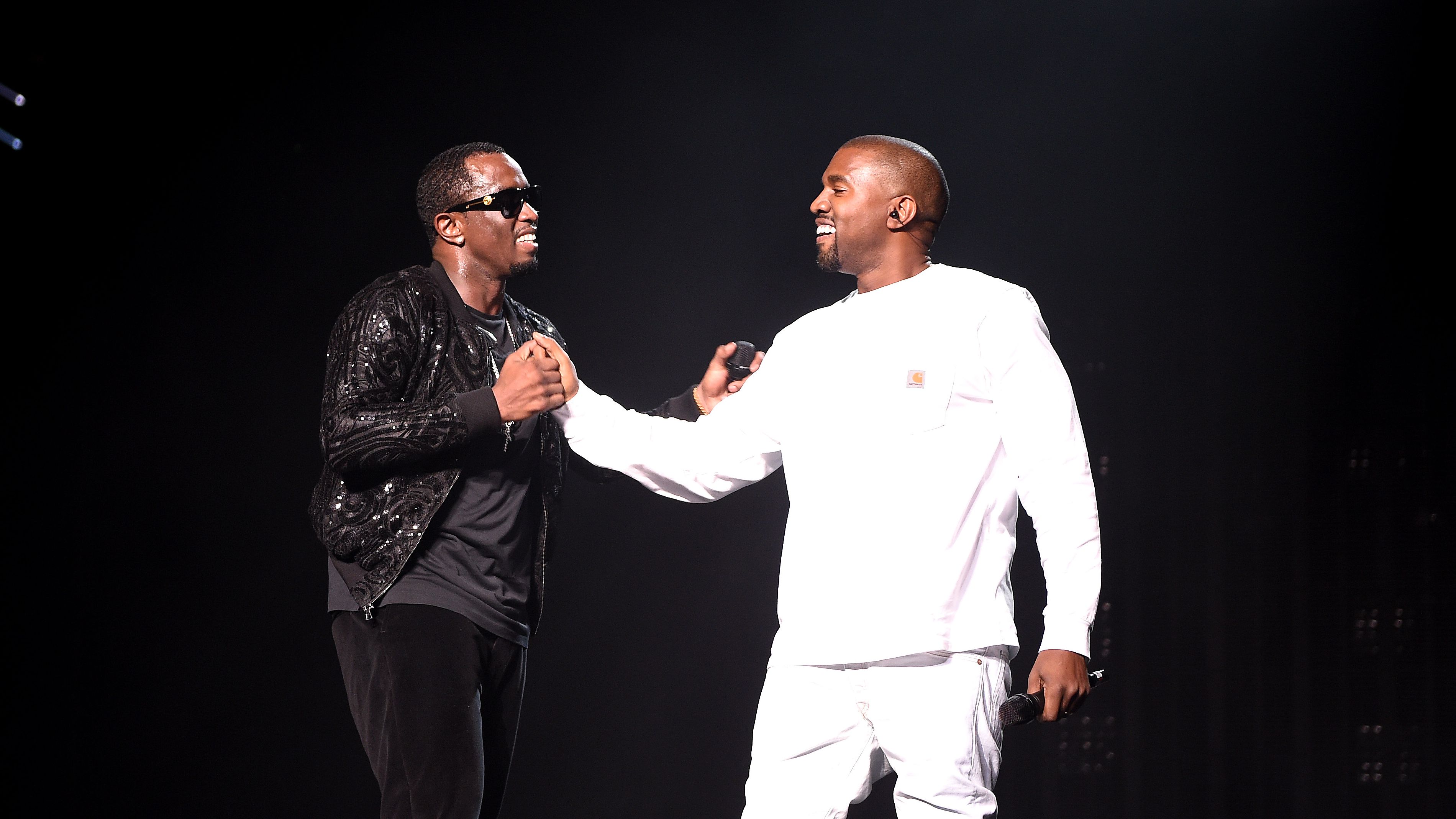
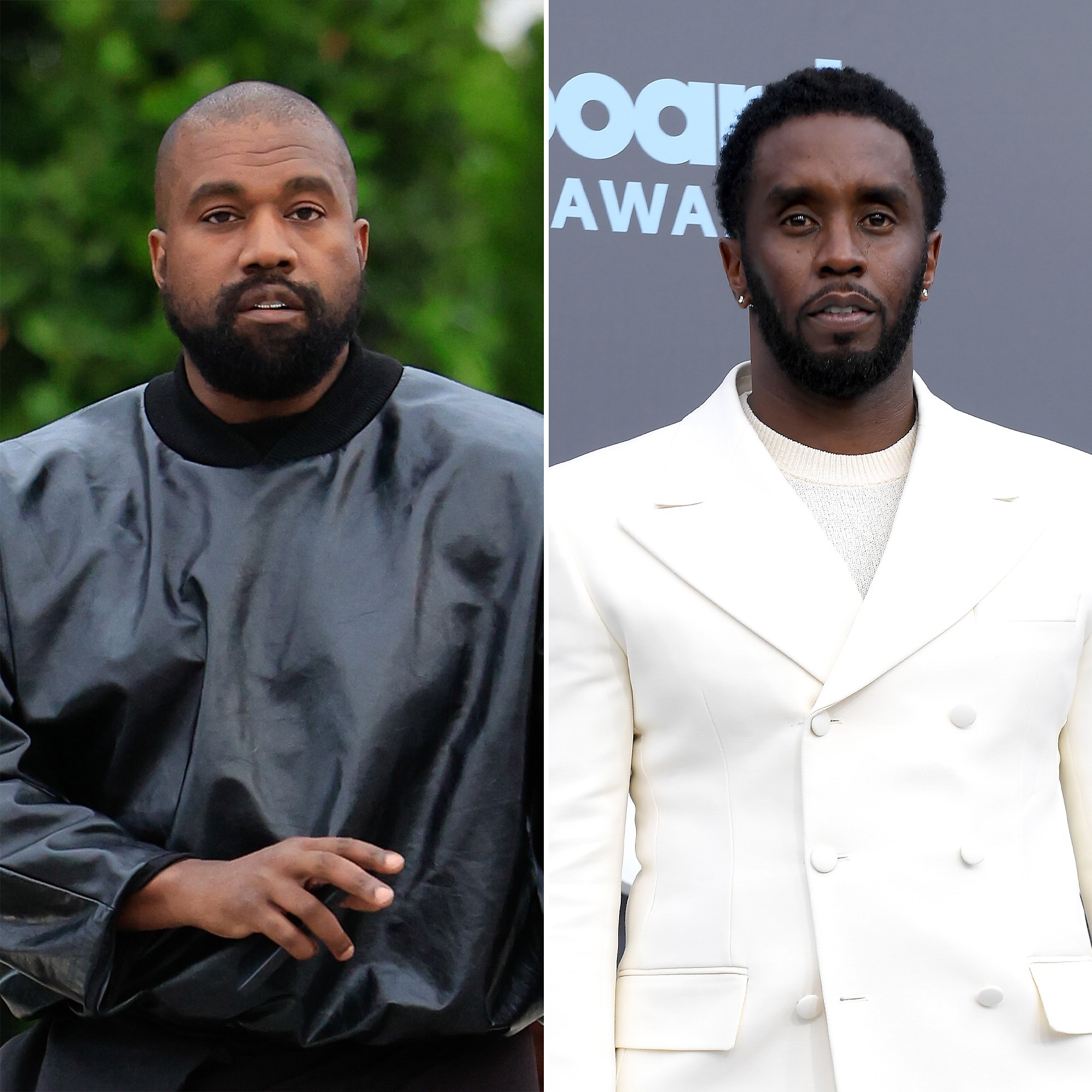
The long-standing relationship between Kanye West (Ye) and Sean "Diddy" Combs matters because it reflects the intersection of music industry power, corporate mogul culture, and high-stakes accountability. As two of hip-hop’s most influ...
The long-standing relationship between Kanye West (Ye) and Sean "Diddy" Combs matters because it reflects the intersection of music industry power, corporate mogul culture, and high-stakes accountability. As two of hip-hop’s most influential figures, their dynamic—spanning public collaborations, fierce feuds, and shared corporate fallout—offers critical insights into executive gatekeeping, public perception, and systemic scrutiny within elite entertainment networks.
Contents
The Historical Evolution of the Kanye West and Diddy Relationship
To understand why the relationship between Ye and Sean Combs holds such cultural and analytical weight, one must examine its decades-long progression. Their interaction began not as equal peers, but through the traditional hierarchy of the hip-hop establishment in the late 1990s and early 2000s.
When Kanye West was breaking into the music industry as a producer, Sean Combs was already an established executive powerhouse through Bad Boy Entertainment. Combs represented the gold standard of hip-hop commercialization, blending music, fashion (Sean John), and spirits branding. West initially sought validation within this executive ecosystem, producing tracks for Bad Boy artists while establishing his own sound at Roc-A-Fella Records alongside Jay-Z.
Over the next two decades, the relationship transitioned into a complex mix of mutual admiration, public mentorship, business competition, and sharp ideological conflict.
- 1990s–2000s: Mogul & Emerging Producer
- 2010s: Peer Collaboration & Fashion Expansion
- 2020s: Public Feuds & Legal Scrutiny
Key milestones defining their dynamic include:
- Early Production Ties: West produced for several Bad Boy projects during the early 2000s, attempting to emulate Combs’ crossover success in corporate fashion and lifestyle branding.
- The Mogul Benchmark: West frequently cited Combs in early interviews as a template for how a hip-hop artist could transform cultural capital into multi-billion-dollar corporate ventures.
- The October 2022 Rift: The relationship broke down publicly in late 2022 following West’s controversial "White Lives Matter" apparel presentation in Paris. When Combs privately and publicly criticized the move, West published private text exchanges between them. In these messages, West accused Combs of being controlled by industry handlers, leading to social media suspensions for West and a formal rift between the two executives.
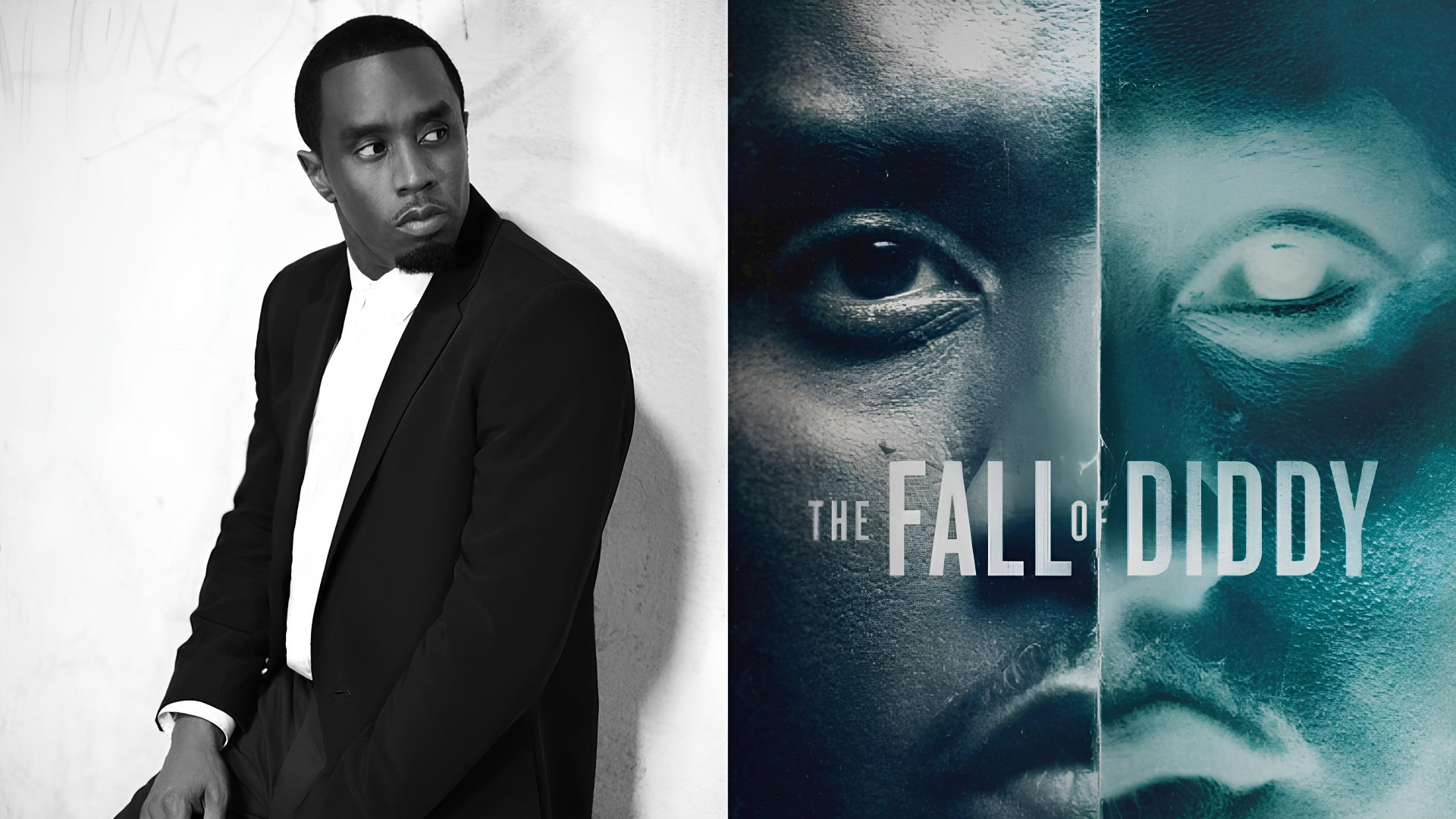
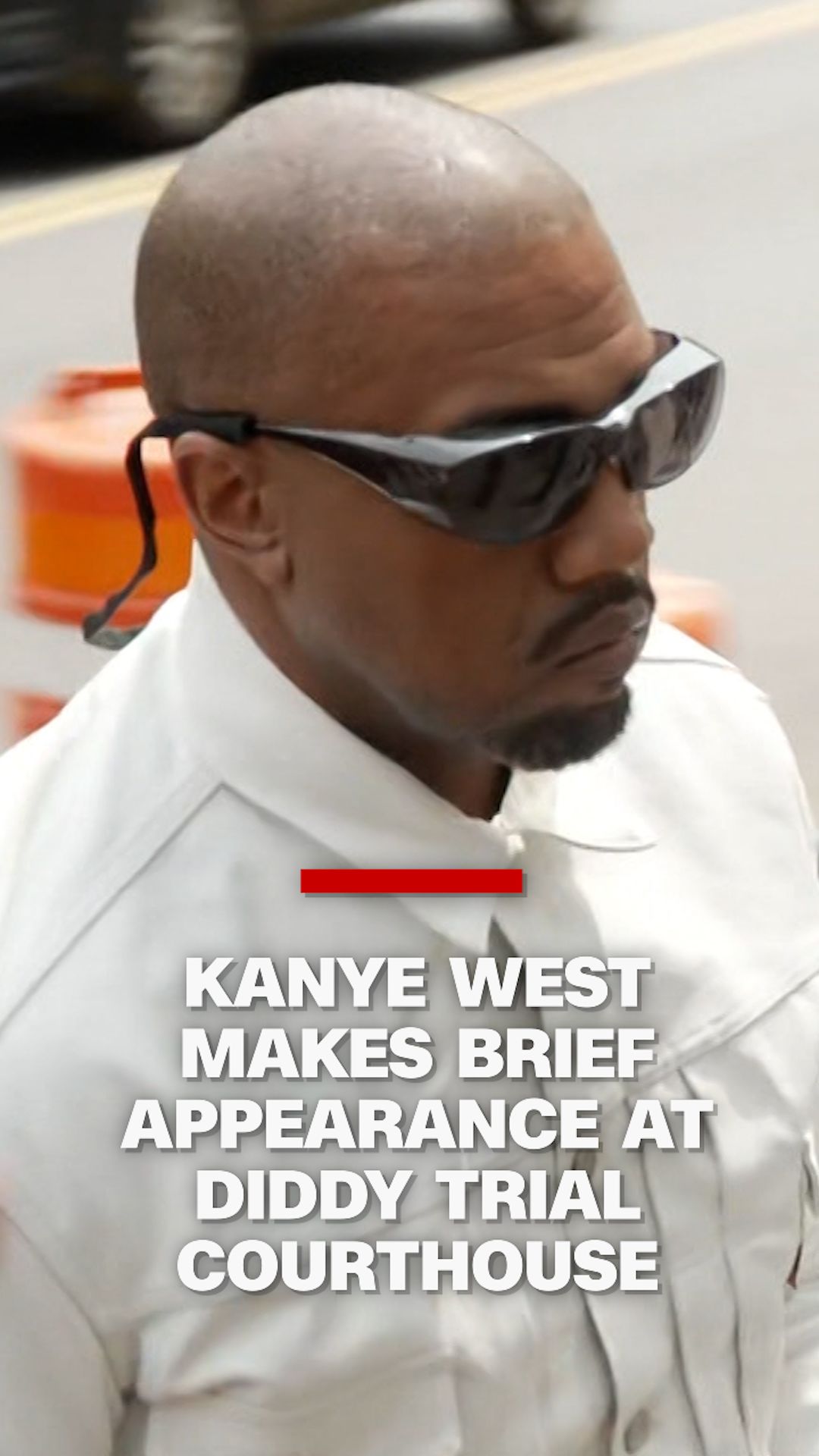
- Post-2024 Retrospective Scrutiny: Following Combs' September 2024 federal indictment in New York on charges of racketeering conspiracy, sex trafficking, and transportation to engage in prostitution, past public commentary made by West regarding Combs, elite industry parties, and institutional control resurfaced in public discourse.
Why the Connection Matters: Four Key Dimensions
The public and professional intersection of Kanye West and Sean Combs extends beyond celebrity gossip. It acts as a case study for several critical issues currently reshaping the entertainment, legal, and corporate landscapes.
1. Unpacking Music Industry Power Structures and Gatekeeping
For decades, hip-hop executives exercised concentrated control over artist mobility, intellectual property, and brand access. Combs represented the classic 1990s executive model: centralized control, heavy promotion, and exclusive management of talent pipelines. West, by contrast, represented an artist-driven revolution that sought direct ownership of creative direction, fashion manufacturing, and distribution.
Understanding their dynamic helps analysts unpack how gatekeeping functioned at the highest levels of entertainment. When West challenged Combs in 2022, he was not merely attacking a former friend; he was challenging the traditional network of legacy hip-hop executives who historically negotiated deals between black cultural creators and major multinational corporations.
2. Re-evaluating Past Conflict in Light of Legal Proceedings
Following Combs' 2024 federal arrest, music historians and legal observers re-examined past public conflicts involving both moguls. For years, West made erratic, highly publicized claims regarding hidden power dynamics, non-disclosure agreements (NDAs), and coercive practices within elite celebrity networks.
While many of West’s public statements were widely criticized for incorporating anti-Semitic tropes and conspiratorial rhetoric, his specific friction with Combs highlighted broader questions regarding what occurred behind closed doors in executive circles. Analysts now study these historical interactions to separate valid critiques of executive coercion from unsupported conspiracy theories.
3. Corporate Risk Management and Brand Disassociation
Both West and Combs reached the pinnacle of corporate partnership—West with Adidas, Balenciaga, and Gap; Combs with Diageo and Hulu. Furthermore, both experienced rapid, multi-million-dollar severances when their actions triggered brand safety clauses.
- Corporate Partnership Model (2010-2020)
- Hip-Hop Artist Equity/Brands (Yeezy, Sean John, DeLeón)
- Global Corporate Partners (Adidas, Diageo, Kering, Gap)
- Moral Turpitude & Default Events (2022-2024)
- Rapid Contractual Termination, Asset Freeze, & Legal Disassociation
The parallel collapse of their corporate empires illustrates a fundamental shift in executive risk assessment:
- Morality Clauses: Corporations updated standard endorsement contracts to include broader moral turpitude triggers, allowing immediate termination without long-term payout obligations.
- Asset Separation: Companies established faster protocols to disassociate core product lines from celebrity namesakes, as demonstrated by Adidas handling unsold Yeezy inventory and Diageo liquidating joint spirit operations.
- Third-Party Vetting: Corporate legal teams instituted rigorous background and behavioral auditing for high-profile talent partnerships to avoid reputational contagion.
4. The Shift in Cultural Accountability and Legacy
The hip-hop industry historically relied on internal resolution of disputes and strong codes of silence regarding executive conduct. The public friction between West and Combs—and the subsequent legal actions surrounding both individuals—marked a turning point in how public audiences evaluate hip-hop legacy figures.
Culture commentators note that the unconditional immunity once afforded to pioneering music moguls has eroded. Audiences increasingly demand transparency regarding labor practices, personal conduct, and business ethics, treating legacy music figures with the same corporate scrutiny applied to Fortune 500 executives.
Comparative Analysis: Industry Trajectories and Fallouts
To analyze how their careers, business models, and public fallouts intersect, the following table compares key operational and legal dimensions of Kanye West and Sean Combs.
| Dimension | Kanye West (Ye) | Sean "Diddy" Combs |
|---|---|---|
| Primary Industry Role | Artist, Producer, Fashion Designer | Executive, Record Label Founder, Brand Developer |
| Peak Business Venture | Yeezy Apparel & Footwear | Bad Boy Records, Sean John, DeLeón Tequila |
| Primary Corporate Partners | Adidas, Balenciaga, Gap (Terminated 2022) | Diageo, Macy's, Hulu (Terminated 2023–2024) |
| Core Public Conflict (2022) | Published private texts accusing Combs of leverage | Criticized West's apparel statement; attempted private mediation |
| Primary Legal & Ethical Scrutiny | Hate speech, workplace misconduct claims, breach of contract suits | Federal indictment (Racketeering, Sex Trafficking), civil lawsuits |
| Impact on Music Catalog | Independent releases, ongoing distribution challenges | Catalog sales, streaming de-prioritization, label severance |
Structural Gatekeeping and the Silence Culture in Entertainment
A central reason the West-Combs dynamic remains significant is its relationship to institutional silence in the entertainment industry. For decades, major record labels, talent agencies, and media outlets relied on high-earning figures to generate revenue, often ignoring internal complaints or risky behavior until legal action made disassociation mandatory.
When West publicly challenged Combs in late 2022, he brought attention to the private negotiations and leverage tactics used by elite figures to suppress internal conflict. While West's delivery was chaotic, the underlying dynamic—where legacy moguls act as brokers between talent and corporate boardrooms—was real.
The subsequent federal charges against Combs in 2024 underscored how non-disclosure agreements, financial dependencies, and social prestige had previously insulated powerful figures from scrutiny. Consequently, the relationship between these two figures is studied by legal analysts and industry union representatives evaluating artist protection mechanisms.
Frequently Asked Questions
Why did Kanye West and Diddy fall out publicly in 2022?
The public fallout occurred in October 2022 after West wore a "White Lives Matter" shirt at Paris Fashion Week. When Combs reached out privately to ask West to stop promoting the apparel, West published screenshots of their text exchange online. West accused Combs of acting on behalf of institutional interests to control him, leading to Instagram restricting West's account and ending their public friendship.
Did Kanye West's past statements predict Diddy's legal issues?
While West made broad, ambiguous claims about industry executives, "handlers," and power structures, he did not publicly detail the specific illegal acts outlined in Combs' 2024 federal indictment. Media commentators frequently re-examine West's past rants for context, but legal experts emphasize distinguishing between generalized industry grievances and formal legal evidence.
How did corporate sponsors react to issues surrounding both figures?
Major corporations acted swiftly once public or legal boundaries were crossed. Adidas, Balenciaga, and Gap severed multi-million-dollar partnerships with West in late 2022 following public anti-Semitic statements. Similarly, Diageo, Hulu, and numerous academic and charitable institutions severed ties with Combs following civil lawsuits in late 2023 and his federal indictment in September 2024.
How does their relationship impact the broader hip-hop legacy?
Their dynamic illustrates the end of an era where hip-hop moguls held unchecked power over culture and business. It highlights a structural transition toward greater corporate accountability, independent distribution channels for emerging artists, and increased scrutiny of executive behavior.
Key Takeaways and Next Steps
The relationship between Kanye West and Sean Combs serves as a primary reference point for understanding modern celebrity infrastructure, corporate risk, and legal accountability in entertainment. For journalists, legal observers, and music industry professionals monitoring these developments, key next actions include:
- Monitor Federal Court Proceedings: Track the legal filings and court dates in the U.S. District Court for the Southern District of New York regarding Sean Combs to distinguish established evidence from public speculation.
- Review Corporate Governance Trends: Examine how major entertainment conglomerates structure moral turpitude and brand protection clauses in modern endorsement contracts.
- Analyze Independent Music Infrastructures: Observe how emerging artists utilize direct-to-consumer distribution to bypass traditional executive gatekeepers historically represented by figures like Combs and legacy labels.
Image Gallery