The Bulls Defeat Jazz in Game 6: A Defining Moment in NBA History
The Chicago Bulls' victory over the Utah Jazz in Game 6 of the 1998 NBA Finals remains one of the most iconic conclusions to a championship series in professional basketball. By securing a 87–86 win at the Delta Center, the Bulls clinc...
The Chicago Bulls' victory over the Utah Jazz in Game 6 of the 1998 NBA Finals remains one of the most iconic conclusions to a championship series in professional basketball. By securing a 87–86 win at the Delta Center, the Bulls clinched their sixth championship of the 1990s, finalizing the legendary "second three-peat" and cementing the era of Michael Jordan as the definitive pinnacle of modern basketball excellence.
Contents
The Stakes of the 1998 NBA Finals
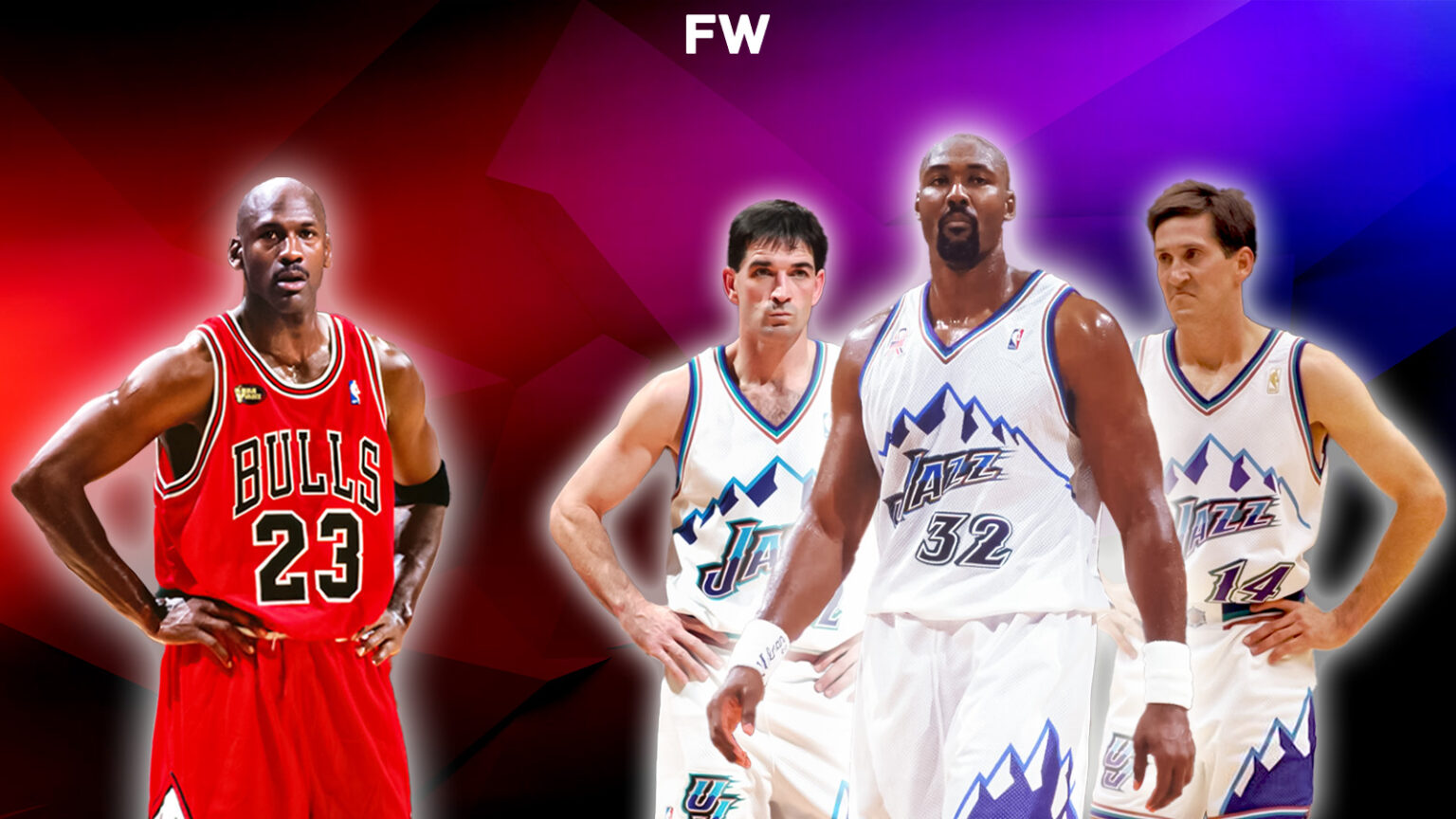
Entering the 1998 NBA Finals, the narrative surrounding the Chicago Bulls was one of exhaustion and uncertainty. The team was aging, internal tensions between front-office management and coaching staff were public, and many pundits speculated that this would be the final run for the core roster consisting of Michael Jordan, Scottie Pippen, and Dennis Rodman.
The Utah Jazz, led by the prolific pick-and-roll duo of Karl Malone and John Stockton, held home-court advantage. They were a disciplined, veteran team that had lost to the Bulls in six games the previous year. For the Jazz, this was an opportunity to avenge the 1997 loss and capture the franchise’s first-ever NBA title. For the Bulls, it was a test of endurance. By the time the series shifted back to Salt Lake City for Game 6, the Bulls held a 3–2 series lead, but faced a hostile environment and the stark reality that Scottie Pippen was struggling with a debilitating back injury.
Tactical Overview of Game 6
Game 6 was characterized by a defensive grind. Neither team shot the ball with high efficiency, which was a hallmark of 1990s NBA basketball. The Jazz entered the final minutes with a lead, buoyed by the raucous crowd and effective playmaking from John Stockton.
The Bulls faced a critical deficit late in the fourth quarter. With Pippen sidelined for much of the second half due to his back injury, the offensive load fell entirely onto Michael Jordan. His performance in the final minute of this game is widely regarded as the greatest individual sequence in NBA history. After scoring to narrow the lead, Jordan famously stripped the ball from Karl Malone in the post, providing the Bulls with one final possession.
The Final Possession: The Shot
With 18.9 seconds remaining, the Bulls trailed 86–85. Head coach Phil Jackson opted not to call a timeout, allowing the defense to set itself. Jordan brought the ball up the court, maneuvered past his defender, Bryon Russell, and executed a crossover dribble that created the necessary space for a jump shot.
Jordan released the ball from the top of the key with 5.2 seconds remaining. The shot swished through the net, giving the Bulls an 87–86 lead. A final desperation three-point attempt by John Stockton fell short, confirming the Bulls' victory. This singular moment effectively ended the series and marked the final points Jordan would score as a member of the Chicago Bulls.
Statistical Breakdown of the Championship Finale
The following table highlights the critical statistical contributions during the deciding game of the 1998 series.
| Statistical Category | Chicago Bulls | Utah Jazz |
|---|---|---|
| Final Score | 87 | 86 |
| Leading Scorer | M. Jordan (45) | K. Malone (31) |
| Field Goal % | 43.1% | 40.0% |
| Turnovers Committed | 10 | 11 |
| Rebounds | 32 | 37 |
The statistics underscore the closeness of the contest. While the Jazz dominated the glass with 37 rebounds, the Bulls' ability to protect the basketball and rely on Jordan’s efficiency proved to be the deciding factors. The turnover margin was razor-thin, highlighting the high-pressure nature of the defensive execution by both organizations.
The Legacy of the 1998 Bulls
The defeat of the Jazz in Game 6 signaled more than just a championship; it marked the end of an organizational dynasty. Following the 1998 season, head coach Phil Jackson departed, and both Michael Jordan and Scottie Pippen moved on from the franchise. The team was effectively dismantled, making the victory in Salt Lake City a poignant "final chapter."
From a technical perspective, this series is studied by coaches and analysts for the mastery of the Triangle Offense and the implementation of sophisticated defensive schemes. The Bulls’ success was built on a foundation of versatility—players were interchangeable, and the defensive rotations were highly complex, designed to neutralize elite post-scorers like Karl Malone.
Frequently Asked Questions
Was the 1998 NBA Finals the final championship for the Chicago Bulls? Yes. The 1998 victory represented the team’s sixth title in eight years. They have not returned to the NBA Finals since that victory in Game 6 against the Utah Jazz.
Why was Scottie Pippen's injury significant in Game 6? Pippen was the team’s primary facilitator and secondary scoring option. His back injury significantly limited his movement and effectiveness throughout the game, which necessitated Michael Jordan to play 44 minutes and shoulder the vast majority of the offensive load.
What was the specific strategy behind the final play? Phil Jackson specifically chose not to call a timeout to prevent the Jazz from subbing in defensive specialists or setting a complex double-team. By letting Jordan isolate against his defender in an open court, the Bulls maximized the probability of a high-percentage shot without defensive interference.
How does this game compare to other classic NBA Finals? Game 6 is frequently cited as the gold standard for dramatic endings. Unlike series that end in blowouts, this game maintained high stakes until the final buzzer, featuring one of the most recognizable game-winning shots in sports history.
Strategic Implications for Today's Game
For modern analysts and basketball enthusiasts, the 1998 series remains a masterclass in situational coaching and star reliance. The ability of the Chicago Bulls to maintain composure in a hostile road environment against a superior rebounding team serves as a benchmark for championship-level mental toughness. Organizations looking to replicate such success often study the defensive discipline shown by the 1998 Bulls, particularly how they managed the pick-and-roll defense against elite players like Stockton and Malone.
To understand the full scope of this historical event, viewers are encouraged to analyze the game footage alongside contemporaneous reports from the Chicago Tribune or the Salt Lake Tribune, which offer in-depth accounts of the atmosphere and tactical adjustments made by both coaches. The victory remains a testament to the fact that, even against overwhelming odds and physical decline, elite execution and individual brilliance can define the history of professional sports.
Image Gallery