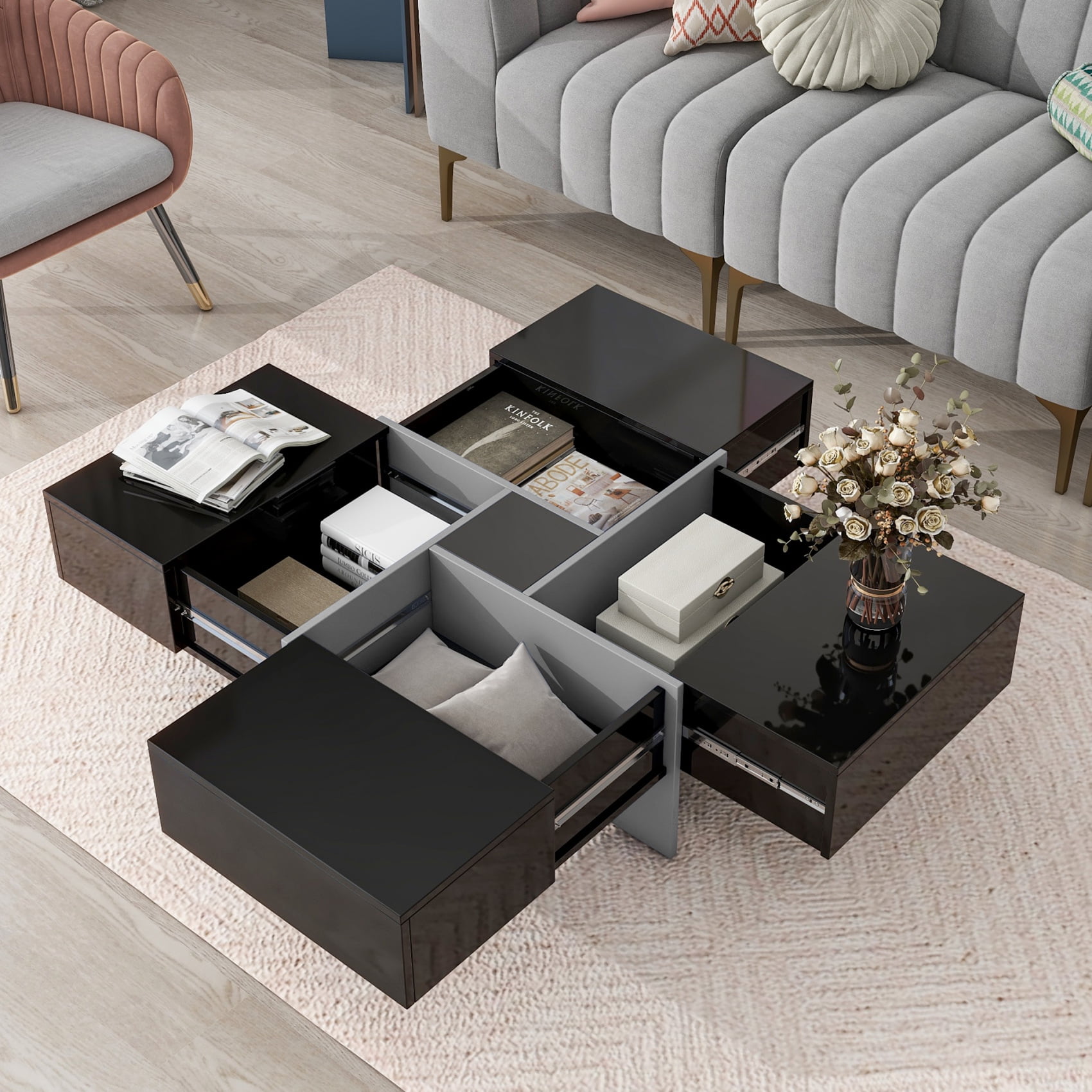
Why the Laguna Coffee Table Matters for Modern Living
The Laguna coffee table represents a crucial intersection of biophilic design, spatial efficiency, and organic minimalism in modern interior architecture. By anchoring open-concept living rooms with low-profile silhouettes and natural...
The Laguna coffee table represents a crucial intersection of biophilic design, spatial efficiency, and organic minimalism in modern interior architecture. By anchoring open-concept living rooms with low-profile silhouettes and natural materials, it softens rigid geometric architecture while maintaining functional utility. It balances visual weight, improves pedestrian circulation, and provides a durable, timeless centerpoint for contemporary homes.
Contents
| Feature | Details |
|---|---|
| Design Language | Organic Minimalism / Coastal Modern / Biophilic Architecture |
| Typical Height | 14 – 16 inches (Low-profile ergonomic standard) |
| Common Materials | FSC-Certified Teak, Quarter-Sawn Oak, Tempered Glass, Stone |
| Optimal Clearance | 18 – 24 inches from surrounding seating |
| Primary Function | Visual grounding, spatial fluidity, tactical surface utility |
The Evolution of Living Spaces and Centerpiece Furniture
Modern residential architecture has fundamentally shifted over recent decades. The transition from segmented, single-purpose rooms to expansive open-concept floor plans altered how furniture must function within a space. In an open-plan layout, sightlines remain unobstructed from the entryway through the kitchen, dining, and living areas. Consequently, bulky, high-profile traditional furniture often creates visual barriers that disrupt the architectural intent of modern homes.
The center of the modern living room no longer serves merely as a holding area for magazines or remote controls. It acts as an anchor—a structural element that unifies soft seating, accent lighting, and surrounding architectural features. The coffee table has transformed from a purely utilitarian item into a central design intervention.
- Traditional Living Room (Segmented, high sightline barriers):
- Enclosed by walls surrounding sofas and chairs
- Centerpiece: Tall Table
- Modern Open-Concept Living (Fluid sightlines, low center of gravity):
- Sequential flow: Kitchen to Dining to Living
- Centerpiece: Low Laguna Table
As urban floor plans optimize available square footage and suburban homes prioritize seamless indoor-outdoor living, the demand for adaptable, low-profile furniture has increased significantly. Within this design climate, the Laguna coffee table has established itself as an essential element for contemporary residential projects.
Architectural and Aesthetic Significance of the Laguna Coffee Table
The prominence of the Laguna coffee table in modern interiors stems from its deliberate response to contemporary spatial challenges. Rather than demanding attention through excessive ornamentation, the design relies on form, material honesty, and spatial harmony.
Softening Architectural Rigor Through Biophilic Curves
Modern architecture heavily emphasizes straight lines, exposed structural columns, floor-to-ceiling rectangular windows, and sharp right angles. While this clean geometry creates airiness, it can also feel sterile or overly rigid if uncountered.
- Rigid Architecture (Result: Harsh visual tension):
- Vertical Window Frames
- Rectangular Sectional Sofa
- Square Sharp-Corner Table
- Biophilic Intervention (Result: Balanced, harmonious movement):
- Vertical Window Frames
- Rectangular Sectional Sofa
- Organic Laguna Curved Table
The Laguna coffee table counteracts structural rigidity by incorporating organic curves, soft radius edges, or fluid, sculpted forms. Drawing from biophilic design principles—which integrate natural shapes and textures into built environments—the table introduces a sense of natural movement into the living room. Soft contours guide the eye smoothly across the room, relieving the eye from constant right angles and making large living areas feel welcoming.
Enhancing Spatial Fluidity and Traffic Flow
In modern residential layouts, traffic lanes frequently intersect living zones. High coffee tables with sharp 90-degree corners create physical hazards and visually fragment smaller rooms.
With a standard height typically ranging between 14 and 16 inches, the Laguna coffee table maintains a low center of gravity. This lower profile preserves uninterrupted sightlines across the room, making spaces feel larger and ceiling heights appear greater. Furthermore, rounded or eased edges facilitate natural pedestrian movement around seating arrangements, preventing awkward navigation in compact or heavily trafficked areas.
Materiality, Craftsmanship, and Structural Integrity
The enduring relevance of the Laguna coffee table depends heavily on its material quality. In an era where mass-produced furniture often uses synthetic composites, high-end modern furniture prioritizes solid natural materials that develop a rich patina over time.
| Material Type | Technical Advantage | Structural Benefit |
|---|---|---|
| Solid Teak / Oak | High natural oils, dense grain | Resists warping & humidity |
| Tempered Glass | Thermal shock resistant (6mm+) | Maximum light pass-through |
| Travertine / Stone | High compressive strength | Heavy grounding ballast |
Premium Hardwood Construction
Many iterations of the Laguna coffee table utilize solid hardwoods such as FSC-certified teak, white oak, or American walnut. These timber varieties offer distinct structural advantages:
- Dimensional Stability: Hardwoods exhibit low shrinkage and expansion rates when properly kiln-dried, ensuring joints remain tight despite seasonal humidity variations.
- Tactile Warmth: Natural grain patterns provide organic texture that contrasts against cold architectural elements like polished concrete floors, steel columns, or glass curtain walls.
- Repairability: Unlike veneer-capped particleboard, solid timber surfaces can be sanded, refinished, or re-oiled over decades of use, offering superior long-term utility.
Glass and Stone Engineering
Variant designs of the Laguna table feature tempered glass tops resting on sculpted timber or cast bases. The use of glass provides specific performance and aesthetic attributes:
- Optical Clarity: Glass surfaces allow light to pass through to floor coverings and base joinery, reducing the visual footprint of large tables in smaller rooms.
- Structural Safety: High-grade tempered float glass undergoes controlled thermal treatments, making it up to four times stronger than standard annealed glass and resistant to impact and thermal stress.
- Hygienic Surface Maintenance: Non-porous stone or glass tops resist liquid absorption, preventing permanent staining from spills.
Comparative Analysis: Laguna Coffee Table vs. Traditional Alternatives
To understand why the Laguna coffee table is suited for modern living, it helps to analyze how its specifications compare with conventional options like traditional carved wood tables or industrial metal-frame units.
| Feature / Metric | Laguna Coffee Table | Traditional Carved Table | Industrial Metal Table |
|---|---|---|---|
| Typical Height | 14 – 16 inches | 18 – 20 inches | 16 – 18 inches |
| Edge Geometry | Soft radius / Organic curves | Sharp 90° or complex moldings | Sharp metallic angles |
| Visual Weight | Medium-low (Airy) | Heavy (Solid mass) | Low to Medium |
| Sightline Impact | Minimal (Preserves open view) | High (Blocks lower sightlines) | Moderate |
| Biophilic Alignment | High (Natural grain/forms) | Low (Formalized/stiff) | Low (Cold, factory aesthetic) |
| Ideal Architectural Style | Coastal, Minimalist, Modern | Colonial, Traditional, Traditional | Loft, Industrial |
| Safety in High-Traffic Areas | High (Rounded, low profile) | Moderate (Sharp corners) | Low (Hard, sharp edges) |
Practical Styling and Ergonomic Placement Guidelines
Integrating a Laguna coffee table into a living space effectively requires precise attention to proportion, spatial clearance, and surrounding furnishings.
- Optimal Room Clearance Layout:
- SECTIONAL SOFA
- 18 - 24 Inches Clearance
- LAGUNA TABLE
- 24 - 30 Inches Clearance
- MEDIA CONSOLE / ACCENT CHAIR
Clearance and Proportional Rules
Achieving an functional and visually pleasing layout depends on meeting key spatial dimensions:
- Distance to Seating: Maintain 18 to 24 inches between the edge of the coffee table and the front of the sofa cushions. This spacing allows ample legroom for sitting and standing while keeping the table surface within comfortable reaching distance.
- Clearance to Secondary Elements: Allow a minimum of 24 to 30 inches between the outer edge of the table and secondary structures, such as TV consoles, fireplaces, or accent chairs, to ensure comfortable walkways.
- Proportional Length: The overall length of the table should measure approximately two-thirds of the total length of the main sofa or sectional seating span. A table that is too small feels disconnected, while an oversized table overwhelms the seating group.
Pairing with Upholstery and Floor Coverings
The lower profile of the Laguna coffee table complements deep-seat modular sectionals and low-slung modern sofas. When pairing materials, consider the following layout strategies:
Textural Contrast: Position a smooth, hard-surfaced Laguna table—such as polished oak or glass—over a high-pile wool or textured jute rug. This layer-by-layer contrast enhances depth without cluttering the room.
Color Balancing: If working with dark leather seating, select a lighter wood finish like natural ash or white oak for the Laguna table to draw the eye downward and balance light within the seating area.
Layering Sequence:
- Flooring Layer: Hardwood / Concrete Floor
- Rug Layer: High-Texture Jute / Wool Rug
- Furniture Center: Smooth Solid Oak Laguna Table
Maintenance, Care, and Longevity
Preserving the aesthetic and structural quality of a Laguna coffee table requires straightforward maintenance routines tailored to its primary material makeup.
Hardwood Care Protocols
Solid wood responsive surfaces require basic maintenance to protect against moisture, UV rays, and ambient humidity fluctuations:
| Frequency | Task |
|---|---|
| Daily | Wipe down with a soft, micro-fiber cloth along the natural grain. |
| Monthly | Apply specialized natural wood soap or pH-neutral cleaner. |
| Bi-Annually | Rub hardwax oil or beeswax polish into dry surfaces to protect seal |
- Moisture Control: Wipe up spills immediately using a micro-fiber cloth. Avoid harsh chemical degreasers, which strip protective hardwax oils or matte lacquer finishes.
- Environmental Protection: Keep solid timber tables away from direct heat sources like radiators or fireplace hearths to prevent localized drying and wood splitting.
- Surface Nourishment: Apply a thin layer of natural beeswax or specialized matte hardwax oil every six to twelve months to maintain water resistance and highlight the wood's deep grain.
Glass Surface Maintenance
For glass-topped models, maintaining optical transparency requires regular cleaning:
- Use alcohol-based glass cleaners paired with lint-free lint cloths to prevent streaking.
- Always use felt pads beneath rough ceramic decor, stoneware, or metallic items to prevent fine surface scratches on tempered glass tops.
Frequently Asked Questions
Why is a low-profile coffee table better for modern living rooms?
Low-profile coffee tables maintain open sightlines across open-concept spaces, making ceilings appear higher and rooms feel larger. They also line up ergonomically with modern, deep-seat modular sofas.
What is the ideal distance between a Laguna coffee table and the sofa?
The ideal clearance distance is between 18 and 24 inches. This leaves sufficient legroom for comfortable movement while ensuring drinks, books, and media devices remain easy to reach from a seated position.
Can a Laguna coffee table work in small living apartments?
Yes. Variants featuring rounded contours or transparent glass tops are especially effective in compact apartments. Round and oval shapes eliminate sharp corners that block walkways, while glass surfaces allow light to pass through, reducing visual clutter.
How do I protect a solid wood Laguna coffee table from water rings and heat damage?
Protect the wood surface by using coasters under hot beverages and cold, condensing glassware. Regularly applying hardwax oil or quality furniture wax preserves the wood's protective barrier against accidental spills.
Is the Laguna coffee table suitable for homes with young children?
Rounded or softened edges make many Laguna coffee table designs safer for households with young children than traditional square options. Choosing solid hardwood over glass adds extra durability against daily impacts.
Final Recommendations for Design-Conscious Homeowners
The Laguna coffee table is more than just a passing home decor trend; it is a practical design solution tailored to modern residential living. Its low profile, smooth geometry, and natural materials address the layout challenges posed by contemporary open-plan spaces.
When choosing a Laguna coffee table for your space, prioritize high-quality natural materials—such as solid hardwoods or heavy tempered glass—and measure your room carefully to ensure proper clearance. By picking a piece with balanced proportions and caring for its surface over time, you can create a comfortable, well-designed focal point that anchors your living area for years to come.
Image Gallery