Why the Brooklyn Park Transfer Station is Worth Using in 2026
The Brooklyn Park Transfer Station, officially known as the Hennepin County Recycling and Disposal Center, is worth using because it provides a cost-effective, environmentally regulated, and centralized location for disposing of items...
The Brooklyn Park Transfer Station, officially known as the Hennepin County Recycling and Disposal Center, is worth using because it provides a cost-effective, environmentally regulated, and centralized location for disposing of items that curbside services refuse. By offering free hazardous waste disposal and subsidized rates for bulky items like mattresses and appliances, it serves as an essential tool for residents to maintain property value and local ecological health.
Contents
Centralized Waste Management for the Modern Homeowner
In 2026, the complexity of household waste has increased alongside technological advancements. Traditional curbside pickup is often limited to standard municipal solid waste (MSW) and basic recyclables. The Brooklyn Park Transfer Station fills the critical gap between daily trash and specialized disposal needs. For residents of Brooklyn Park, Champlin, Maple Grove, and surrounding Hennepin County communities, this facility acts as a one-stop hub for materials that are otherwise difficult or illegal to discard in standard bins.
The primary value proposition of the facility lies in its ability to handle "problem materials." These include items that are too large, too heavy, or too chemically volatile for a standard garbage truck. Instead of scheduling multiple specialized pickups with private haulers—which often incur high "trip fees" and individual item surcharges—residents can consolidate their waste into a single trip. This centralization saves time and reduces the carbon footprint associated with multiple waste-hauling vehicles traversing residential neighborhoods.
Economic Benefits: Comparing County Subsidies to Private Disposal
One of the most compelling reasons the Brooklyn Park Transfer Station is worth using in 2026 is the significant cost savings. Hennepin County subsidizes the operation of this facility through solid waste management taxes, meaning residents have already partially funded these services. Leveraging the center allows individuals to see a direct return on those tax dollars.
Private waste haulers often charge between $30 and $75 for a single bulky item pickup, such as a sofa or a refrigerator. In contrast, the Brooklyn Park facility offers transparent, fixed pricing that is significantly lower than the open-market rate. Furthermore, many items that incur "e-waste" fees at retail locations are accepted here at no additional cost to the resident.
2026 Resident Fee Schedule and Material Guide
The following table outlines the current 2026 fee structure and acceptance criteria for common items at the Brooklyn Park facility. Note that prices are subject to change based on county board adjustments, but these represent the standard rates for the current fiscal year.
| Material Category | Examples | Resident Fee (2026) | Private Hauler Est. |
|---|---|---|---|
| Hazardous Waste | Paint, pesticides, fuel, cleaners | Free | N/A (Often Prohibited) |
| Electronics | TVs, computers, monitors, VCRs | Free | $20–$50 per item |
| Appliances | Fridges, AC units, washers, dryers | $15 per unit | $35–$60 per unit |
| Mattresses | Mattresses and box springs | $25 per unit | $40–$80 per unit |
| Tires | Passenger vehicle tires (off rim) | $3 each | $10–$15 each |
| Scrap Metal | Iron, aluminum, brass, copper | Free | N/A (Variable) |
| Fluorescent Bulbs | Tubes, CFLs, HID lamps | Free (limits apply) | $1–$5 per bulb |
Environmental Stewardship and Regulatory Compliance
Using the Brooklyn Park Transfer Station is not merely a matter of convenience; it is a critical act of environmental responsibility. Many household items contain materials that are hazardous to the local watershed and soil if they reach a standard landfill.
The Hazard of Household Chemicals
When residents toss old containers of pesticides, oil-based paints, or pool chemicals into the trash, those containers eventually rupture under the pressure of landfill compactors. The resulting "leachate" (toxic liquid) can bypass liner systems and contaminate groundwater. The transfer station’s Household Hazardous Waste (HHW) program ensures these chemicals are neutralized, incinerated in high-temp specialized facilities, or recycled into new products.
Electronics and Rare Earth Metal Recovery
Electronics are a major focus in 2026. Beyond the lead and mercury found in older monitors, modern devices contain rare earth metals that are energy-intensive to mine. By bringing electronics to the Brooklyn Park facility, residents ensure these items are sent to certified R2 (Responsible Recycling) processors. These processors recover gold, silver, palladium, and copper, reintroducing them into the manufacturing stream and reducing the demand for new mining operations.
The Unique Value of the "Free Product Room"
A standout feature that makes the Brooklyn Park location particularly worth using is the Free Product Room. This initiative exemplifies the "Reuse" tier of the waste hierarchy. Often, residents drop off household cleaners, automotive fluids, or canisters of paint that are nearly full and perfectly usable.
Instead of processing these items as waste, facility staff inspect them for integrity and safety. If they meet the criteria, they are placed in the Free Product Room. Residents can browse this section and take home items like deck stain, spray paint, or fertilizer at no cost. In 2026, as inflation continues to impact household budgets, this "swap shop" provides a tangible economic benefit to the community while preventing usable products from entering the waste stream prematurely.
Eligibility and Prerequisites for Access
To maintain the efficiency and subsidization of the site, there are strict eligibility requirements. The facility is primarily intended for Hennepin County residents.
- Proof of Residency: You must present a valid Minnesota driver’s license or a government-issued ID with a Hennepin County address. If you have recently moved, a utility bill combined with an ID is usually sufficient.
- No Business Waste: This facility is designed for residential use. Small businesses or "Very Small Quantity Generators" (VSQGs) may be able to use county services, but they typically require pre-registration and a different fee structure through the county’s business waste program.
- Vehicle Limitations: The facility is designed for passenger vehicles, SUVs, and standard pickup trucks. If you arrive in a large commercial box truck or a trailer exceeding specific length limits (typically 8 feet for certain bays), you may be redirected to a commercial landfill or a different transfer station geared toward heavy industrial loads.
Operational Guidelines: Preparing for Your Visit
To ensure the Brooklyn Park Transfer Station remains "worth using," the county has streamlined the drop-off process. However, the efficiency of your visit depends largely on how you pack your vehicle.
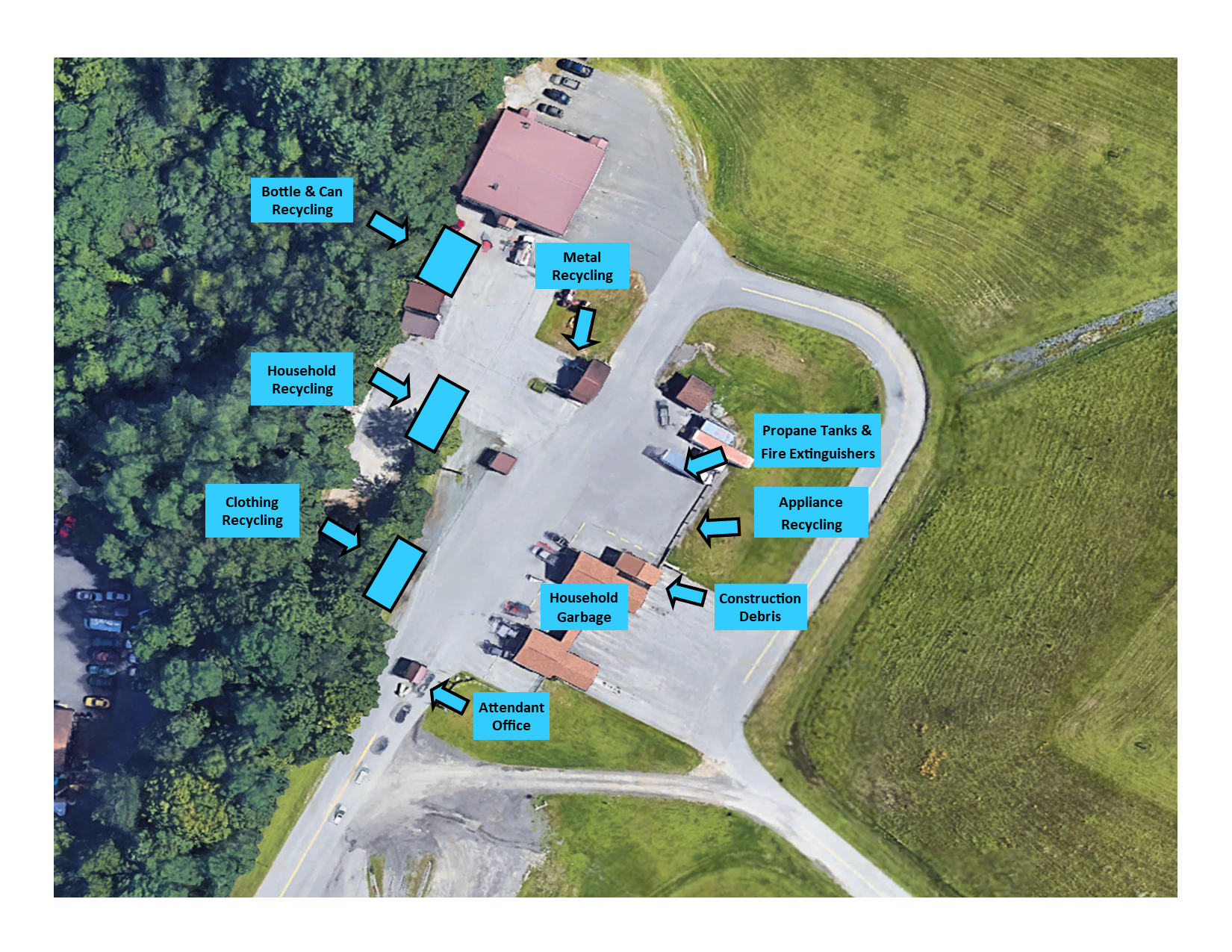
Step 1: Sort by Category The facility is divided into zones: the HHW drop-off area, the bulky items/electronics warehouse, and the outdoor recycling bins. To avoid doubling back, load your vehicle so that the items you need to drop off first are the most accessible. Generally, the HHW drive-through is the first stop for most visitors.
Step 2: Safety Protocols Residents are required to stay in their vehicles in the HHW lane while staff members unload hazardous materials. This prevents accidental exposure to fumes or spills. For the bulky items area, you may be required to assist with unloading depending on the item's weight and the current staffing levels.
Step 3: Secure Your Load Minnesota state law and local ordinances require all loads to be covered or secured. Even if you are only driving a few miles within Brooklyn Park, loose debris can become a road hazard. The facility reserves the right to refuse service to vehicles with unsecured loads to promote public safety.
Prohibited Items and Alternative Disposal Paths
While the Brooklyn Park Transfer Station is comprehensive, it is not a "dump" for every type of debris. Knowing what is excluded will save you a wasted trip.
- Asbestos: Materials containing asbestos require specialized abatement and cannot be accepted at residential transfer stations.
- Explosives and Ammunition: These items pose a severe fire risk. Residents are typically directed to contact local law enforcement or the Hennepin County Sheriff’s Office for proper disposal instructions.
- Radioactive Materials: This includes certain industrial-grade smoke detectors (though residential ones are often accepted) and medical waste.
- Standard Trash (MSW): The facility is not designed for everyday kitchen trash or bagged household garbage. These should be managed through your contracted curbside hauler.
For these items, residents should consult the Hennepin County Green Disposal Guide, which provides a searchable database for virtually any material.
Frequently Asked Questions
Can I use the Brooklyn Park Transfer Station if I live in Ramsey or Anoka County?
No. This facility is funded by Hennepin County taxpayers and is restricted to Hennepin County residents. Residents of other counties should look for their respective municipal hazardous waste sites, such as the Ramsey County facility in Maplewood or the Anoka County site in Blaine.
Is there a limit on how much paint I can bring?
There are typically volume limits for the Household Hazardous Waste program to prevent commercial painters from abusing the residential system. Generally, the limit is 25 gallons or 220 pounds per visit. If you have a massive basement clean-out, you may need to make multiple trips across different days.
What happens to the electronics I drop off?
Hennepin County partners with certified electronics recyclers who adhere to the Sustainable Electronics Recycling International (SERI) standards. They dismantle the units to recover base metals, glass, and plastics, ensuring that no toxic components are exported to developing nations.
Do I need to make an appointment before visiting?
As of 2026, most drop-offs do not require an appointment. However, during high-volume periods like "Spring Cleaning" (April–May) and "Fall Leaf Season," wait times can exceed 30 minutes. The county often provides a live webcam or "wait time" indicator on its official website to help residents plan their trips.
Can I bring a mattress that has bed bugs?
Yes, but specific protocols must be followed. Most facilities require bed-bug-infested mattresses to be fully encased in plastic and sealed with tape to prevent the spread of the insects within the facility and the transport vehicles.
Recommendation for Residents
If you are a Hennepin County resident planning a home renovation, moving, or performing a seasonal clean-out, the Brooklyn Park Transfer Station is your most valuable resource. To maximize your visit, collect all hazardous chemicals, old electronics, and scrap metal into one load to take advantage of the free disposal services. By using this facility instead of illegal dumping or expensive private pickups, you contribute to a cleaner, safer, and more sustainable Minnesota.
Image Gallery