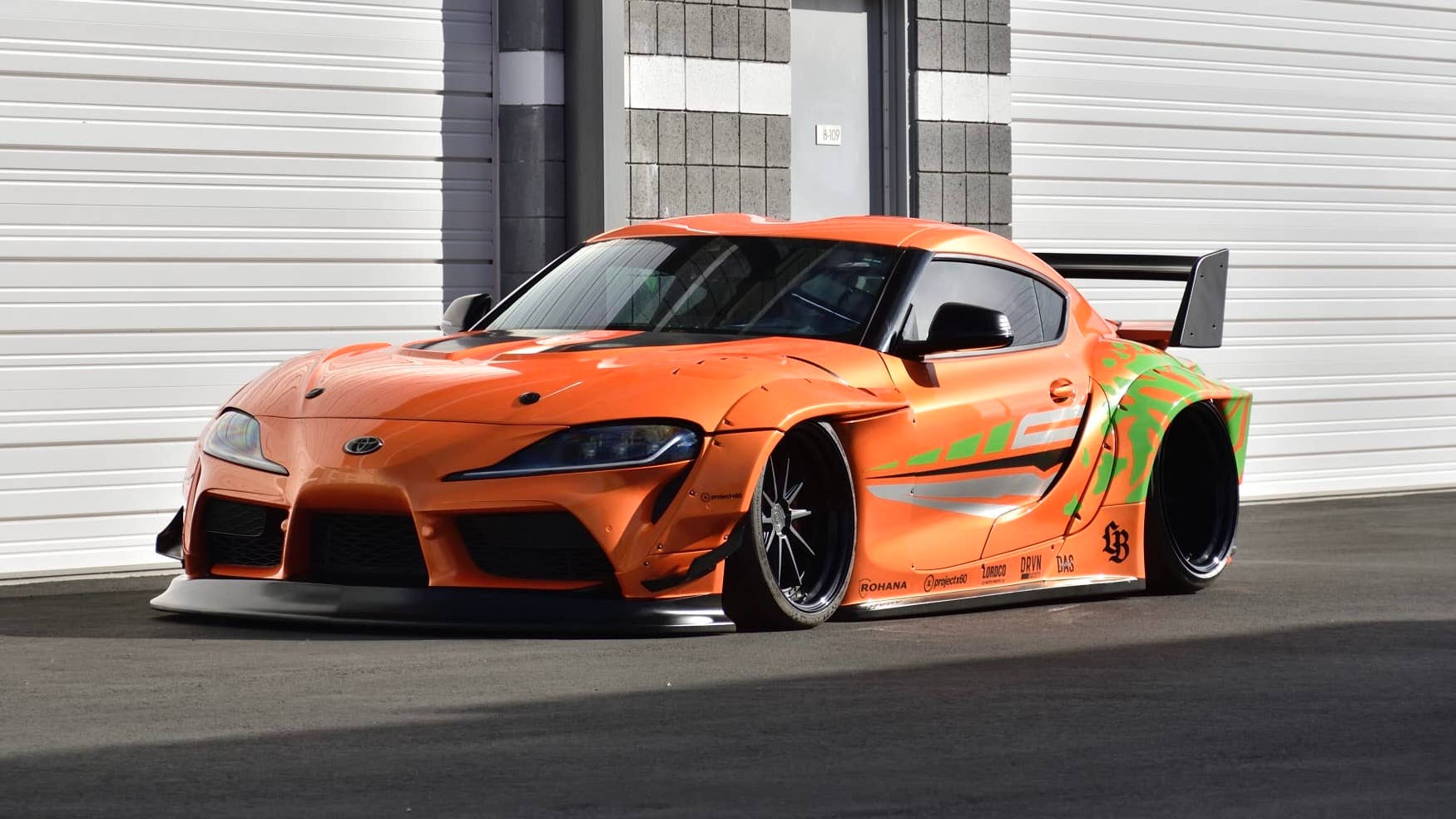
How Fast Is a Supra in Everyday Use?
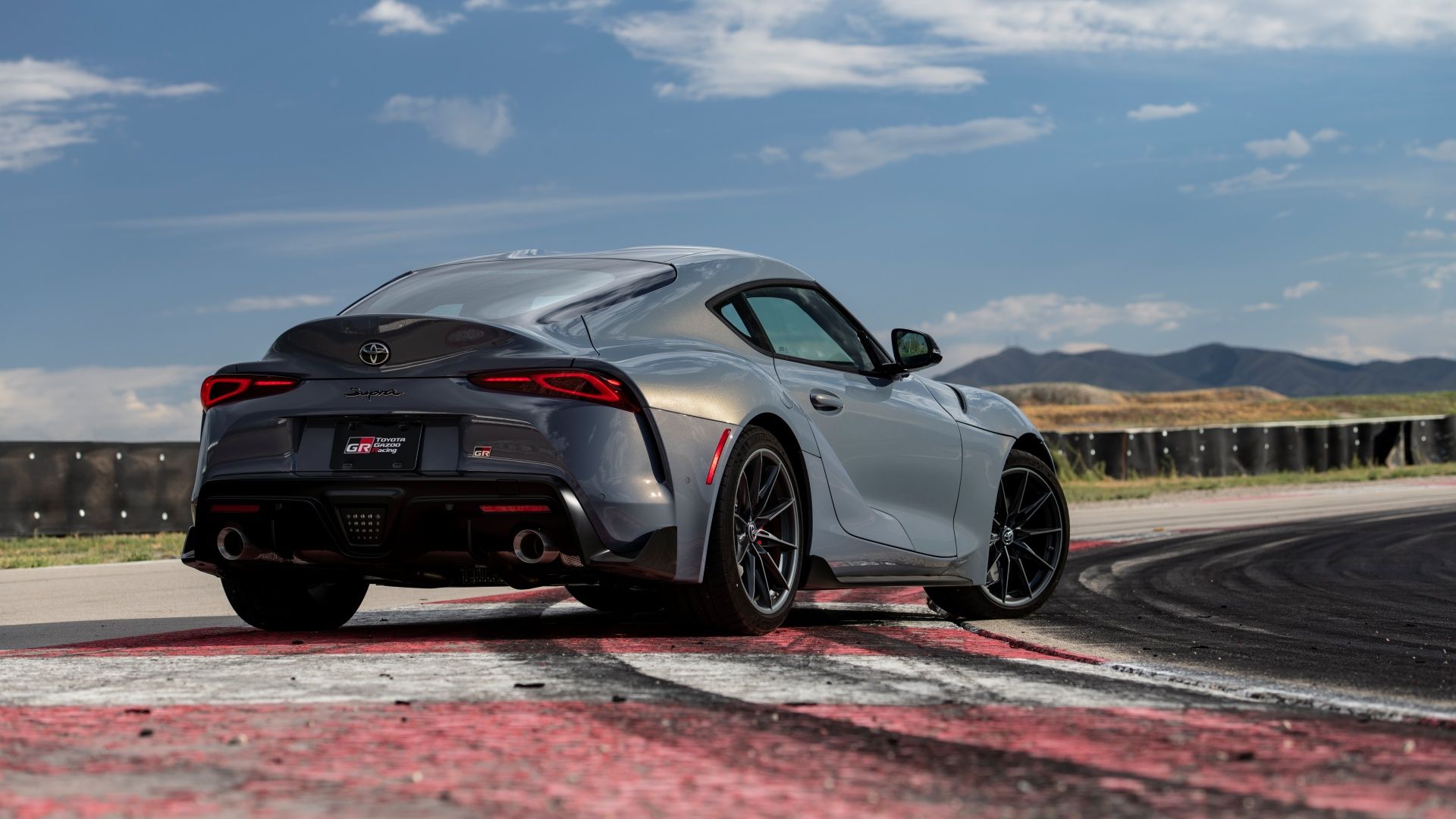
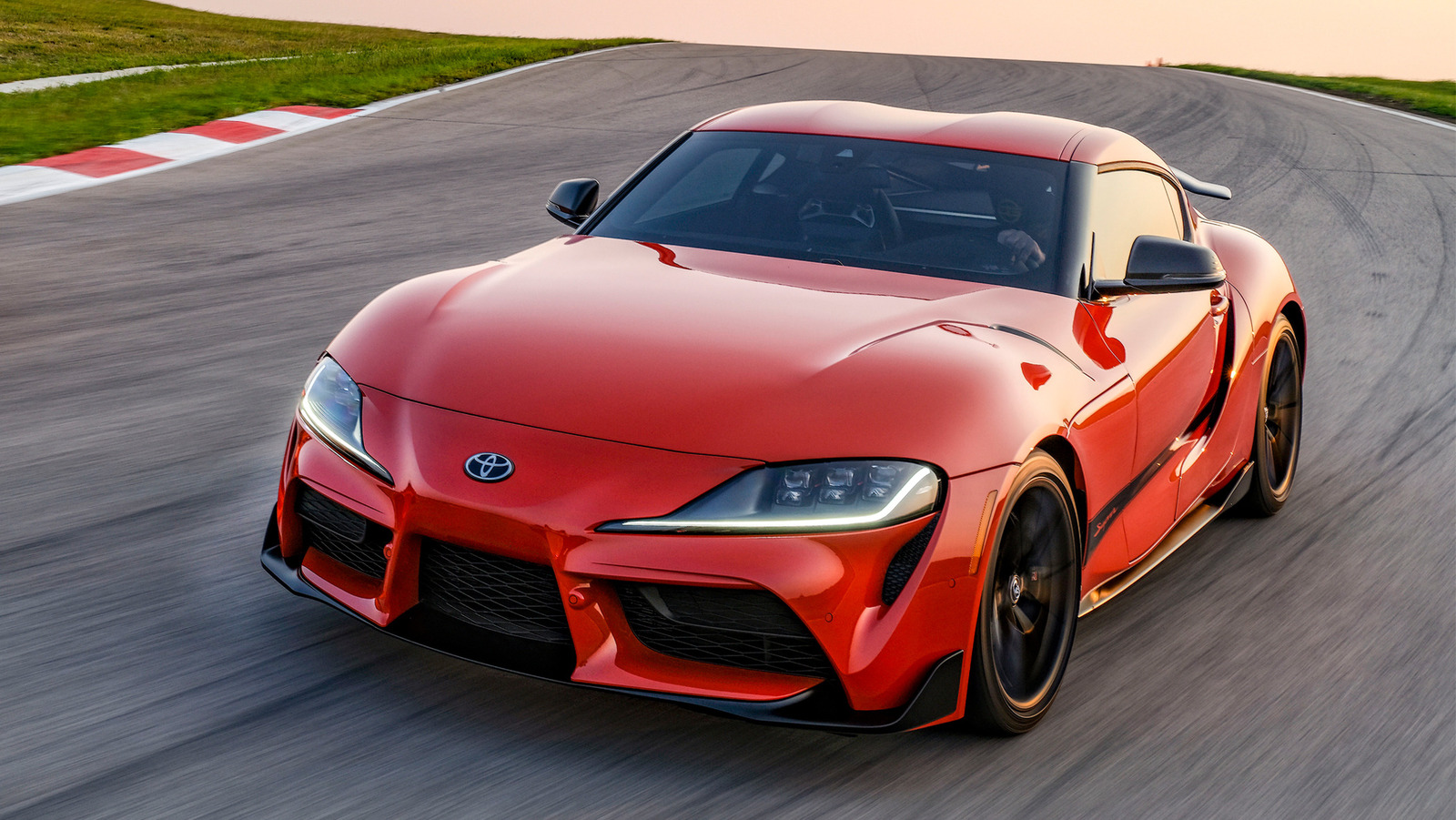
The Toyota Supra, particularly in its latest GR generation, balances high-performance track capabilities with surprisingly refined daily drivability. In everyday scenarios, the Supra offers rapid, accessible acceleration—capable of 0–6...
The Toyota Supra, particularly in its latest GR generation, balances high-performance track capabilities with surprisingly refined daily drivability. In everyday scenarios, the Supra offers rapid, accessible acceleration—capable of 0–60 mph in roughly 3.9 to 4.1 seconds—coupled with adaptive suspension and a sophisticated transmission that make it well-suited for commuting, highway cruising, and spirited weekend driving alike.
Contents
Understanding Supra Performance in Context
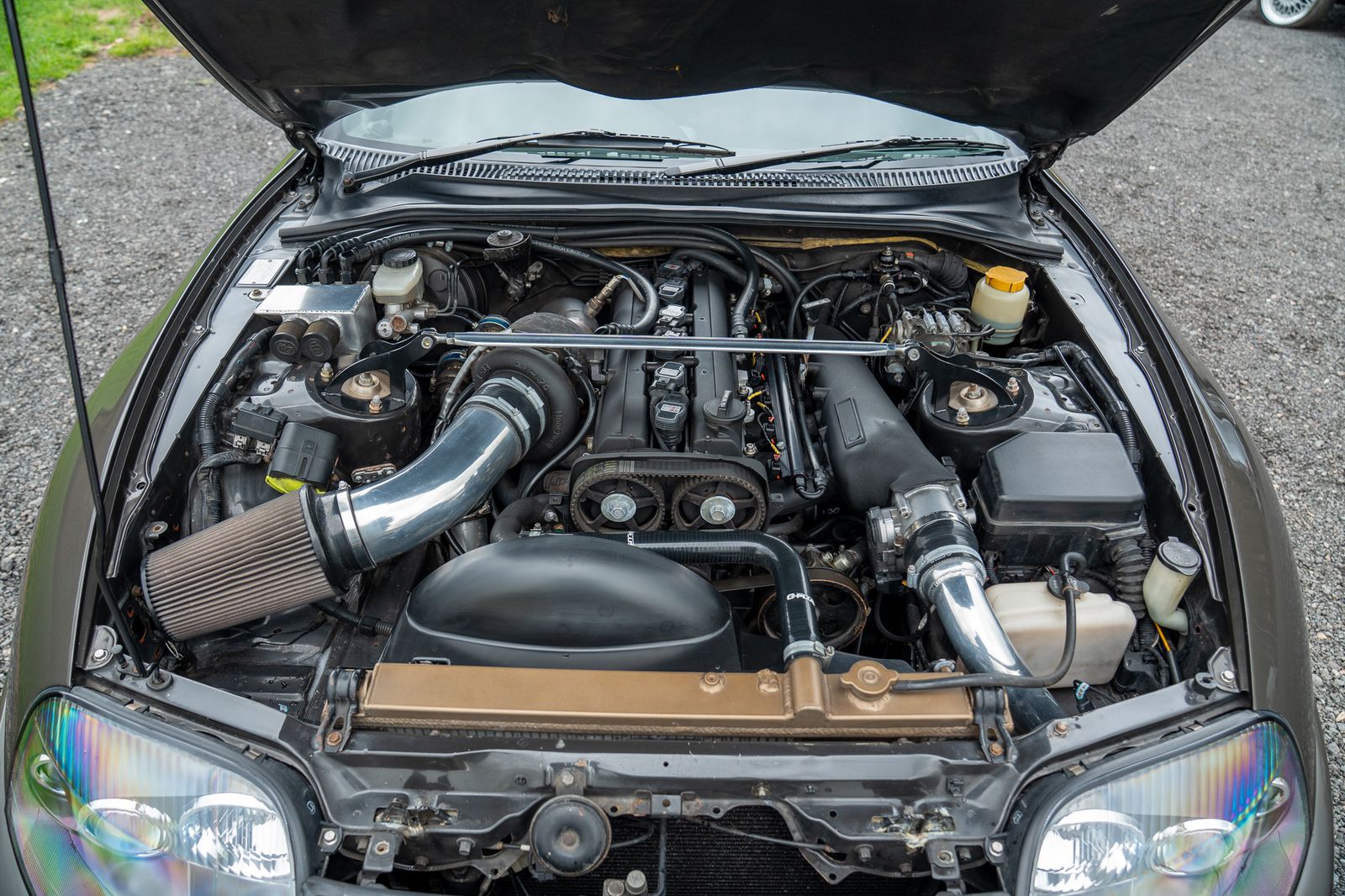
When discussing how "fast" a vehicle is, we often conflate peak track performance with real-world usability. For the Toyota Supra (A90/A91 platform), the experience of speed is dictated by its power-to-weight ratio, torque curve, and transmission logic. Unlike older, peaky turbocharged engines that required high RPMs to reach their power band, the modern B58 engine—a 3.0-liter inline-six—provides a massive plateau of torque starting as low as 1,600 RPM.
In everyday use, this means you do not need to push the engine to its limit to feel "fast." Merging onto a highway or executing a quick lane change requires only a minor dip into the throttle. The car feels punchy and responsive at low speeds, which is often more relevant to the average driver than the theoretical top speed or sub-four-second launch numbers found in enthusiast magazines.
Daily Driving Dynamics: Transmission and Throttle Mapping
The primary factor influencing the perception of speed in daily traffic is how the transmission manages the engine's output. The 8-speed ZF automatic transmission found in the GR Supra is widely regarded as one of the best in the industry. In "Normal" mode, the transmission shifts early and smoothly, keeping the engine quiet and fuel-efficient. However, it remains eager to downshift the moment you request more power.
Because the transmission shifts almost instantaneously, the car maintains a sense of "instant" speed. There is virtually no turbo lag that would hinder a driver during a morning commute. For those who prefer a more tactile experience, the manual transmission variant introduced in later years offers similar power delivery but requires more driver engagement to extract the same level of consistent speed. In city traffic, however, the automatic remains the superior choice for maintaining that effortless, rapid pace.
Suspension and Chassis: Speed Meets Comfort
Speed is not just about engine output; it is about the confidence to carry that speed through real-world obstacles like bumps, potholes, and highway transitions. The GR Supra comes equipped with an Adaptive Variable Suspension (AVS) system that adjusts the damping forces in real-time based on road conditions.
In "Normal" mode, the chassis absorbs road imperfections with a composure that is arguably better than many luxury sedans. This means that even when driving at "fast" speeds on imperfect public roads, the car does not feel jittery or unsettled. It remains planted. This sense of stability is what allows a driver to maintain higher average speeds during a commute without feeling exhausted or overwhelmed by a harsh ride.
Comparing Speed Profiles
To understand how the Supra fits into everyday usage, it is helpful to compare its performance characteristics to other vehicle categories.
| Feature | Toyota GR Supra (3.0L) | Hot Hatchbacks | Sports Sedans |
|---|---|---|---|
| 0–60 MPH | ~3.9 - 4.1s | ~4.7 - 5.2s | ~4.0 - 4.5s |
| Power Delivery | Low-end torque (Instant) | Turbo-dependent (Lag) | Linear/Torquey |
| Daily Comfort | High (Adaptive Damping) | Moderate (Stiffer) | High |
| Visibility | Restricted (Low Roofline) | Excellent | Excellent |
The table above illustrates that while the Supra is faster than most common hot hatchbacks, its main advantage in everyday use is the "instant" nature of its torque. While some sports sedans may match it in a straight line, the Supra’s shorter wheelbase and lower center of gravity make it feel more agile in tighter urban environments.
Practical Limitations in Daily Use
Despite its performance, the Supra is not a traditional daily driver. The "fast" experience is tempered by several ergonomic constraints that potential owners should consider:
- Visibility: The low roofline and relatively small greenhouse mean that lane changes in heavy, multi-lane traffic require more attention than in a standard vehicle. Blind spots are significant, and the "fast" nature of the car can sometimes be obscured by the need to be extra cautious when merging.
- Cabin Access: The low seating position, while excellent for feeling connected to the road, makes ingress and egress difficult in tight parking spaces. If your daily route involves frequent short stops (such as shopping or school drop-offs), this can diminish the enjoyment of the car's speed.
- Ground Clearance: While not exceptionally low, the front splitter can be vulnerable to steep driveways or aggressive speed bumps. Navigating these obstacles at speed is not recommended, which effectively places a limit on how fast you can travel through urban environments.
Efficiency and Maintenance
"Everyday use" also implies considerations for fuel efficiency and maintenance costs. The B58 engine is known for its remarkable efficiency when driven conservatively. On highway commutes, the Supra can achieve over 30 MPG, allowing for a long range between fuel stops. This capability contributes to its identity as a capable daily driver; it doesn't punish the owner with excessive fuel costs just because it has high performance.
However, the cost of maintenance—such as high-performance tires and premium synthetic oil—should be factored into the "speed" equation. Fast acceleration wears tires faster, and the Supra requires specific tire compounds to maintain its performance safely. Neglecting these maintenance items will quickly degrade the car's handling, making it feel less safe at speed.
Frequently Asked Questions
Is the Supra too fast for a beginner driver? While the Supra has impressive acceleration, it is not "too fast" in terms of handling. Its electronic stability control and traction management systems are highly sophisticated. A beginner can manage the car safely if they respect the throttle input, though the learning curve for high-performance rear-wheel-drive vehicles is steeper than for front-wheel-drive cars.
How does the Supra perform in rain or snow? The Supra is a rear-wheel-drive performance car, which makes it less than ideal for heavy snow. With proper winter tires, it is manageable in cold conditions, but it is not designed for deep snow. In rain, the traction control is highly effective, but the high torque output requires smooth throttle application to avoid wheel spin.
Does the engine sound contribute to the feeling of speed? Yes, the engine note is tuned to provide auditory feedback that correlates with the throttle position. This "engine-speed" connection enhances the feeling of performance, making the car feel faster than it might otherwise feel in a muted electric vehicle of similar output.
Can you use the Supra for long road trips? Absolutely. Because the transmission has an overdrive gear, the car is very quiet and stable at highway cruising speeds. The driver-assistance features, such as adaptive cruise control, make it very comfortable for long-distance travel, provided you do not need to carry bulky luggage.
Is the Supra considered a "supercar" in terms of speed? The Supra is a sports car, not a supercar. While its acceleration is fast enough to compete with cars twice its price, its top speed and track-specific capabilities are tiered to be accessible and usable on public roads rather than limited solely to track environments.
Final Recommendation
If you are considering the Toyota Supra as your primary vehicle, prioritize its handling and acceleration capabilities during your test drive, but focus equally on the ergonomics. The Supra is exceptionally fast in everyday use because its power is accessible and its chassis is refined. To maximize the enjoyment of this performance, ensure you live in an area where road conditions allow for a lower-slung vehicle, and be prepared for the minor compromises in visibility that come with its iconic design. If the cabin layout fits your lifestyle, the Supra offers one of the most balanced "daily-speed" experiences currently on the market.
Image Gallery