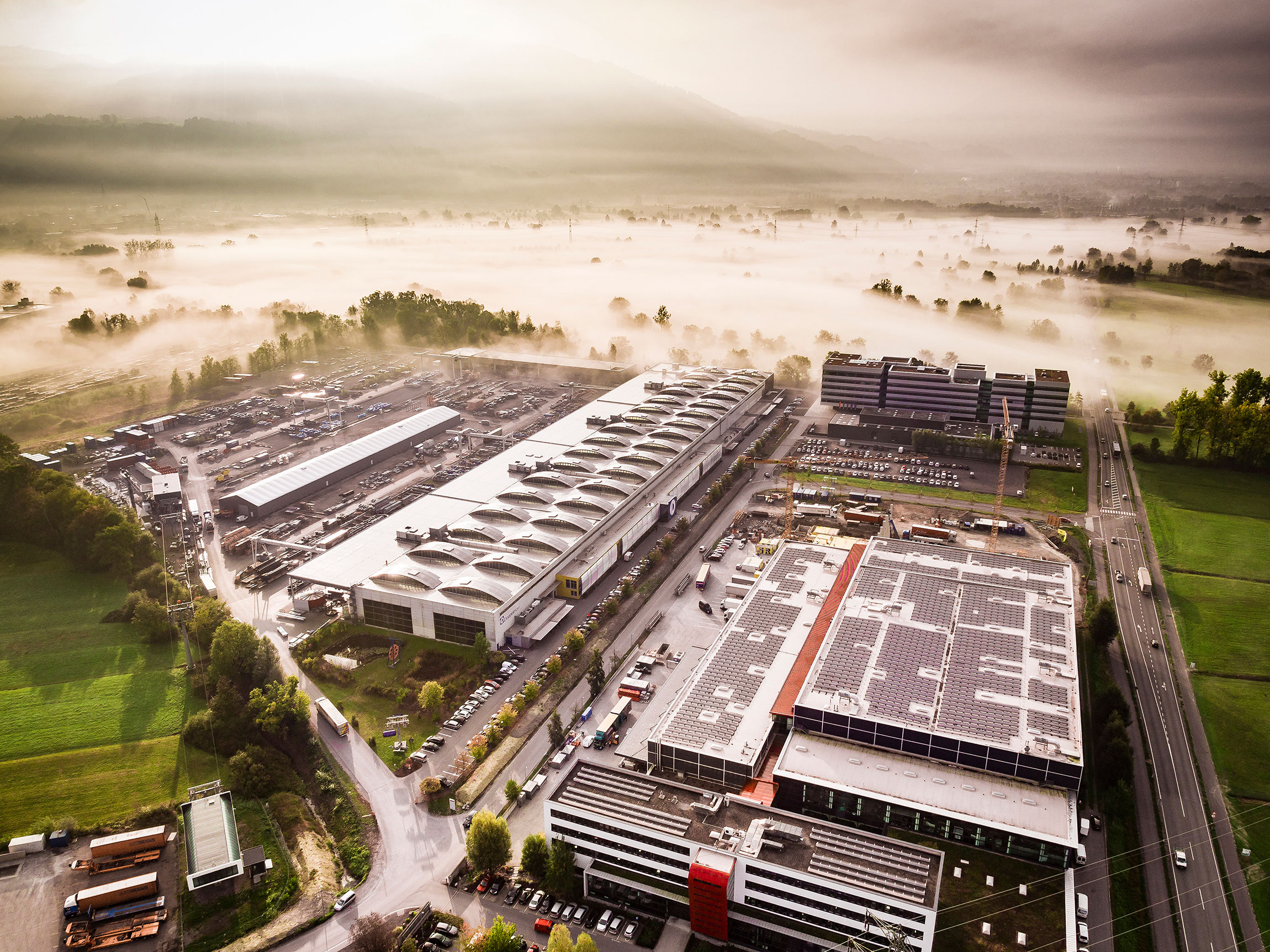
Doppelmayr Worldwide Net Worth: Financial Valuation, Revenues, and Ownership
As a privately held corporate entity, Doppelmayr Garaventa Group does not publish a publicly traded stock market market capitalization. However, based on annual consolidated revenues exceeding €1.05 billion, strong balance sheet equity...
As a privately held corporate entity, Doppelmayr Garaventa Group does not publish a publicly traded stock market market capitalization. However, based on annual consolidated revenues exceeding €1.05 billion, strong balance sheet equity ratios above 45%, and asset holdings, financial analysts estimate the group’s corporate enterprise valuation at €1.2 billion to €1.6 billion.
Contents
Understanding Doppelmayr’s Ownership Structure and Valuation Model
To evaluate the net worth and financial health of Doppelmayr worldwide, one must first distinguish between a public corporation’s market capitalization and the enterprise valuation of a private, family-rooted industrial conglomerate. Headquartered in Wolfurt, Vorarlberg, Austria, the Doppelmayr Garaventa Group operates under the ultimate parent entity Doppelmayr Holding SE.
Because the holding company is not listed on a public stock exchange, its exact net worth is not expressed through a daily stock price. Instead, financial valuation relies on fundamental corporate balance sheet indicators:
- Equity Capitalization (Net Assets): The total asset value minus total liabilities reported in annual audited balance sheets. Doppelmayr historically maintains an equity ratio (Eigenkapitalquote) exceeding 45% to 50%, providing substantial internal capital cushions without relying on excessive debt.
- Enterprise Valuation Multiple: Industrial machinery and transport system manufacturers typically trade at Enterprise Value-to-EBITDA (Earnings Before Interest, Taxes, Depreciation, and Amortization) multiples ranging between 8x and 12x, or Price-to-Sales multiples around 1.1x to 1.5x. Applied to Doppelmayr's trailing sales figures, this places enterprise valuation firmly in the multi-billion Euro tier.
- Family Ownership & Estate Wealth: The Doppelmayr family, led by executive figures such as Michael Doppelmayr, holds controlling interests through private foundations and holding structures. Private wealth estimators place the combined net worth of the controlling family interests aligned with the group at over €1 billion.
This private ownership structure gives Doppelmayr significant strategic advantages over public competitors. Rather than focusing on quarterly shareholder reports, management reinvests heavy operational profits directly into long-term research, automation facilities, and urban transit development.
Annual Turnover and Revenue Performance
Doppelmayr’s financial trajectory has demonstrated notable resilience through global economic cycles, supply chain disruptions, and shifting climate trends in alpine markets. The company's fiscal year runs from April 1 to March 31, reflecting the operational calendar of winter sports infrastructure projects.
| Fiscal Year | Global Revenue | Key Growth Drivers | Equity Ratio Est. |
|---|---|---|---|
| FY 2021/22 | €886 Million | Post-pandemic ski resort updates | ~46% |
| FY 2022/23 | €946 Million | Urban transit expansions, North American alpine | ~48% |
| FY 2023/24 | €1.057 Billion | Major ropeway projects, intra-logistics push | ~50% |
| FY 2024/25 (Est.) | €1.080 Billion | Global urban mobility, resort modernizations | ~50% |
Key Highlights of Financial Performance
- Crossed the Billion-Euro Threshold: Crossing €1 billion in consolidated annual turnover consolidated Doppelmayr’s position as the world leader in ropeway engineering, outpacing its primary global competitor, the HTI Group (Leitner / Poma).
- Capital Expenditure (CapEx): Doppelmayr regularly invests tens of millions of euros annually into infrastructure modernizations. Major capital investments include expansion of automated manufacturing facilities in Wolfurt (Austria), Goldau (Switzerland), and Salt Lake City (USA).
- Global Employee Footprint: The group employs roughly 3,300 to 3,500 specialized engineers, software developers, assembly technicians, and service staff worldwide, maintaining a presence in over 50 countries through sales and service subsidiaries.
Core Business Divisions and Revenue Generators
Doppelmayr’s overall enterprise value is supported by a diversified portfolio of specialized engineering and manufacturing subsidiaries. While cable cars and gondolas for alpine ski resorts remain the primary legacy revenue driver, non-ski segments now represent a critical portion of global turnover.
- Doppelmayr Holding SE
- Alpine Ropeways (Garaventa & Doppel.)
- Urban Aerial Mobility (Mi Teleférico / Cable Liner)
- Material & Intralogistics (RopeCon / LTW Systems)
- Digital Services & Control (Frey AG)
1. Alpine Winter Sports Infrastructure
Winter tourism accounts for approximately 50% to 60% of total group revenues. Doppelmayr produces detached monocable and bicable gondolas, high-speed detachable chairlifts, and large-capacity 3S (tricable) gondolas. High-altitude ski destinations in North America, Austria, Switzerland, France, and Japan regularly engage Doppelmayr for multi-million-dollar fleet upgrades.
2. Urban Aerial Cable Cars and Automated People Movers (APMs)
As municipal transportation authorities look for cost-effective, low-emission urban transit solutions, Doppelmayr’s Urban Transit Solutions division has emerged as a high-growth sector.
- Mi Teleférico (La Paz–El Alto, Bolivia): The largest urban cable car network in the world, spanning over 30 kilometers across multiple interconnected lines, executed almost entirely by Doppelmayr.
- Cable Liner APM: Automated, cable-propelled transit systems installed in airports and urban corridors, such as Oakland Airport Connector (California), Luton Airport DART (UK), and hotel-casino loops in Las Vegas.
3. Material Transport (Doppelmayr Transport Technology)
The group engineers heavy-duty bulk material handling platforms, most notably the RopeCon system. RopeCon combines belt conveyor mechanics with continuous aerial ropeway technology to transport mining ores, gravel, and industrial materials over difficult terrain with minimal environmental footprint.
4. LTW Intralogistics and Frey AG
- LTW Intralogistics: Supplies high-bay warehouse stacker cranes, conveyor lines, and automated warehouse management software.
- Frey AG Stans: Specializes in electrical control systems, automation software, and power safety architecture for complex industrial cable transport systems.
- CWA Constructions: Based in Olten, Switzerland, CWA designs and builds custom cabins and vehicles for gondolas, funiculars, and monorails globally.
Global Market Share vs. HTI Group (Leitner-Poma)
The global ropeway manufacturing industry operates as a high-barrier-to-entry duopoly. Doppelmayr Garaventa Group and the High Technology Industries (HTI) Group—which includes brands like Leitner, Poma, and Demaclenko—collectively control over 80% of the world's cable transport market.
| Metric | Doppelmayr Garaventa Group | HTI Group (Leitner / Poma) |
|---|---|---|
| Estimated Market Share | ~50% - 55% | ~35% - 40% |
| Annual Global Turnover | ~€1.05B - €1.10B | ~€1.00B - €1.30B* |
| Primary Manufacturing Hubs | Austria, Switzerland, USA | Italy, France, USA, China |
| Core Diversification | Material handling, APMs, Intralogistics | Snow groomers (Prinoth), Wind energy (Leitwind) |
*Note: HTI Group figures include revenues from non-ropeway subsidiaries such as Prinoth (snowcats) and Leitwind (wind turbines).
Doppelmayr holds a dominant market share in North America and Central Europe, benefiting from deep customer retention, long-term maintenance contracts, and a reputation for long product lifespans.
Factors Valuation Analysts Use to Assess Doppelmayr’s Equity Value
When institutional valuation firms assess unlisted industrial leaders like Doppelmayr, five key financial indicators are evaluated:
- Recurring Maintenance and After-Sales Revenue: Cable car installations require mandatory safety inspections, replacement haul ropes, specialized gearboxes, software updates, and OEM spare parts throughout their 30-to-50-year operational lifecycle. This installed base generates highly predictable, high-margin secondary revenue.
- Proprietary Patents and R&D Moats: Technologies such as the D-Line cable car generation feature over 200 innovations and patented components, including ultra-quiet direct drives, smart monitoring sensors, and automated cabin loading mechanisms.
- High Capital Barriers to Entry: Establishing a cable transportation manufacturing company requires immense capital outlay, specialized metallurgical testing, rigorous international safety certifications (EU directives, ANSI standards), and decades of liability insurance tracking.
- Decarbonization Trends: Cities seeking zero-emission, electric-powered mass transit solutions are increasingly turning to aerial ropeways. Cable cars offer a significantly lower construction cost per kilometer compared to underground subways or elevated rail systems.
- Geopolitical and Climate Risk Management: Global warming poses a long-term strategic risk to lower-elevation ski resorts. Doppelmayr mitigates this risk by expanding its four-season tourism systems (e.g., mountain biking gondolas, sightseeing lifts) and municipal urban transit installations.
Practical Information for Analysts, Prospective Buyers, and B2B Clients
For municipal planners, resort developers, or business analysts reviewing Doppelmayr Garaventa’s financial stability, consider the following operational steps:
How to Verify Official Doppelmayr Financial Reports
- Austrian Commercial Register (Firmenbuch): As a registered SE (Societas Europaea) headquartered in Wolfurt, Austria (FN 283181 a), Doppelmayr Holding SE lodges annual financial statements directly with the Austrian business register.
- Official Press Releases: Each autumn, the group hosts an annual economic press conference publishing key group sales revenue, headcount, major project milestones, and regional sales distribution.
- Credit Rating & Banking Relations: European commercial credit agencies (such as KSV1870 or Creditreform) maintain high creditworthiness ratings for Doppelmayr due to its low leverage ratio and consistent cash reserves.
Procurement and Capital Budgeting Estimates
For municipal authorities or private developers planning major cable car projects, typical installation cost benchmarks include:
- Detachable Chairlifts (4 to 8 passenger): €5 million to €12 million depending on line length, terrain, and station design.
- Monocable Gondolas (10 passenger): €10 million to €25 million per sector.
- 3S Tricable Systems & Urban Mass Transit Lines: €30 million to €100+ million, including civil engineering, station towers, integrated power systems, and cabin fleets.
Frequently Asked Questions
Is Doppelmayr a publicly traded company on the stock exchange?
No. Doppelmayr Holding SE is a privately held corporation owned by private foundations and members of the founding Doppelmayr family. Its stock is not listed on any public stock exchange.
What is the estimated net worth of the Doppelmayr family?
While exact family bank holdings remain private, the collective wealth of the Doppelmayr family linked to their controlling stake in Doppelmayr Holding SE is estimated to exceed €1 billion, driven by the company’s strong net equity position and global asset ownership.
How much annual revenue does Doppelmayr generate worldwide?
Doppelmayr Garaventa Group generates over €1.05 billion in annual consolidated turnover, making it the world's highest-earning standalone ropeway manufacturing group.
Where are Doppelmayr cable cars manufactured?
The principal manufacturing plants and assembly facilities are located in Wolfurt (Austria) and Goldau (Switzerland), supported by regional fabrication centers in North America, Europe, and Asia.
What is the difference between Doppelmayr and Garaventa?
Doppelmayr (Austrian cable car maker founded in 1893) and Garaventa (Swiss ropeway manufacturer founded in 1928) merged in 2002 to form the Doppelmayr Garaventa Group. Both names are retained across regional markets to maintain brand equity.
Practical Summary and Next Actions
Understanding Doppelmayr worldwide net worth requires looking beyond standard stock market tickers and evaluating enterprise asset value, balance sheet stability, and market leadership:
- For Financial Analysts & Investors: Evaluate Doppelmayr as a multi-billion euro benchmark entity (€1.2B–€1.6B estimated enterprise value) with low debt ratios and strong recurring maintenance cash flow.
- For Municipalities & Urban Planners: Utilize Doppelmayr’s high solvency rating and strong equity base when assessing project risk for long-term municipal transportation tenders.
- For Alpine Resort Operators: Engage directly with regional Doppelmayr sales subsidiaries to review long-term master planning, life-cycle maintenance costs, and modernization finance options.
Image Gallery