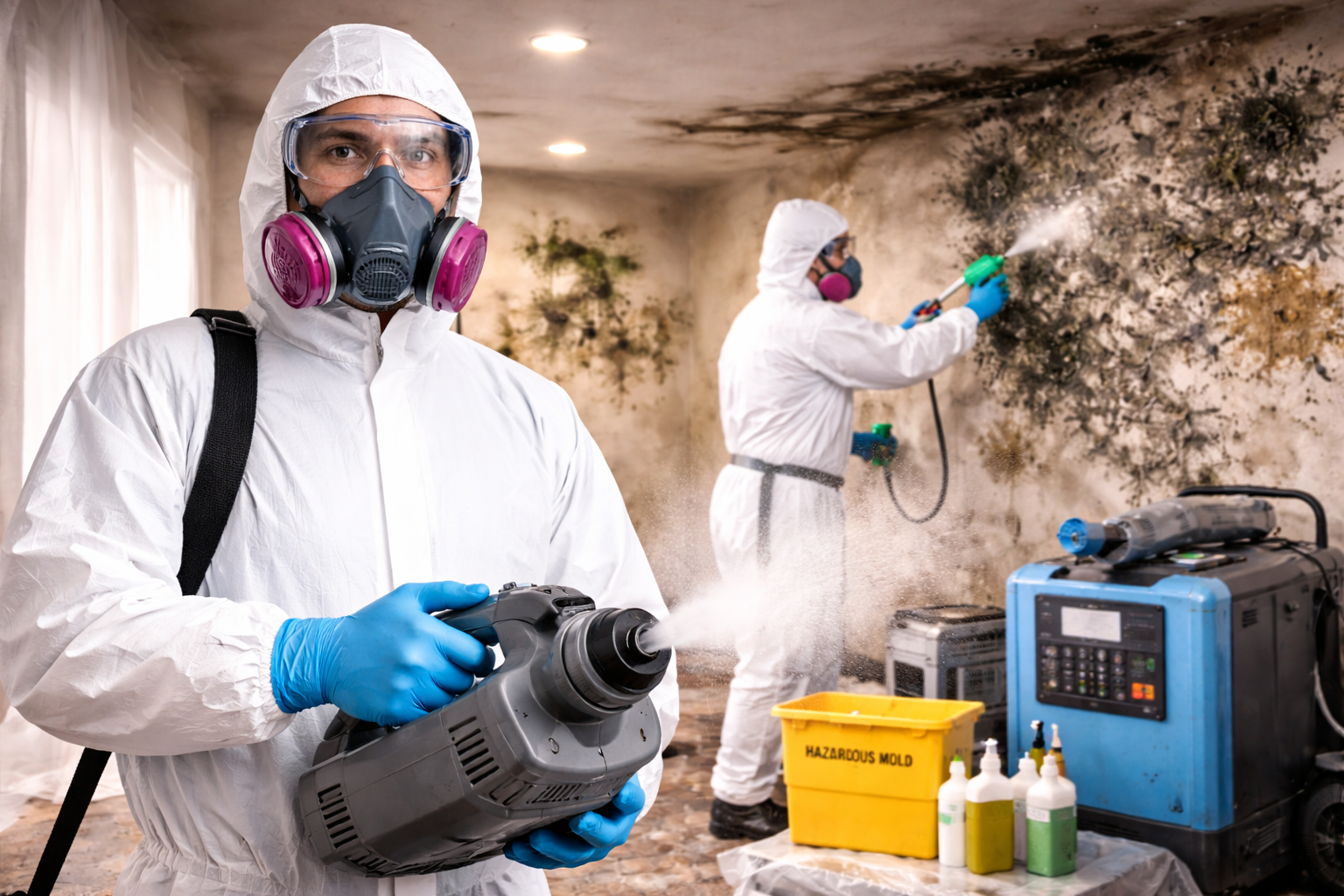
Why Reconstruction Mold Remediation Matters for Safe Rebuilding
Reconstruction mold remediation ensures that the structural integrity and indoor air quality of a building are fully restored before new finishes are installed. By eliminating hidden spores and addressing underlying moisture within the...
Reconstruction mold remediation ensures that the structural integrity and indoor air quality of a building are fully restored before new finishes are installed. By eliminating hidden spores and addressing underlying moisture within the framing, this specialized process prevents the dangerous cycle of secondary mold growth and protects the long-term health of occupants.
Contents
The Intersection of Remediation and Reconstruction
When a property suffers water damage or fungal growth, the instinct is often to clean the visible mess and immediately begin the "build-back." However, as of 2026, the restoration industry has moved toward a more integrated approach known as reconstruction mold remediation. This phase acts as the critical bridge between the initial cleanup and the final cosmetic restoration.
The primary reason this phase matters is the distinction between "surface clean" and "biologically stable." Standard cleaning might remove the fuzzy growth on a 2x4 stud, but reconstruction-grade remediation involves deep-tissue treatment of the substrate, ensuring that fungal hyphae (the "roots" of mold) are neutralized within the porous material. Without this step, sealing a wall with new insulation and drywall essentially creates a "petri dish" environment where trapped moisture and spores can trigger a massive re-infestation within weeks.
For property owners and contractors in 2026, understanding this nuance is the difference between a successful project and a liability nightmare. Safe rebuilding requires a forensic approach to the building envelope, ensuring that every square inch of the exposed structure meets specific microbial clearance standards before it is hidden from view again.
Preventing the "Hidden Growth" Trap
One of the most significant risks in a hasty rebuilding project is the entrapment of moisture and spores behind brand-new materials. When drywall is installed over framing that has not been properly remediated, any residual moisture is locked into a dark, stagnant cavity. This is the ideal habitat for Stachybotrys chartarum (black mold) and Aspergillus/Penicillium species.
The Role of Moisture Content in Structural Stability
A core component of reconstruction remediation is the verification of Wood Moisture Content (WMC). In 2026, industry standards generally dictate that structural lumber must reach a moisture content of 15% or lower before reconstruction can safely commence. Rebuilding on "wet" wood doesn't just invite mold; it leads to structural issues such as:
- Warping and Twisting: As damp studs dry behind finished walls, they can shift, causing drywall cracks and nail pops.
- Dry Rot: Specific fungi can continue to break down cellulose even after the primary leak is fixed if the equilibrium moisture content remains high.
- Adhesive Failure: High moisture levels can prevent modern construction adhesives and paints from bonding correctly to the substrate.
By prioritizing remediation-level drying and microbial treatment, contractors ensure that the foundation of the rebuild is chemically and physically prepared to support new materials for decades.
The Evolution of Remediation Standards in 2026
The landscape of property restoration has evolved significantly. While the IICRC S520 (Standard for Professional Mold Remediation) remains the foundational document, modern 2026 practices have integrated more advanced atmospheric controls and real-time monitoring.
HEPA Filtration and Cross-Contamination Control
During the reconstruction phase, the movement of workers and materials can inadvertently kick up settled spores. Professional reconstruction remediation utilizes high-efficiency particulate air (HEPA) scrubbing throughout the build-back process, not just at the beginning. This prevents the "re-seeding" of cleaned areas as drywall dust and sawdust enter the environment.
Antimicrobial Encapsulation: A Second Line of Defense
While "cleaning" is the priority, the application of EPA-registered antimicrobial sealants has become a standard best practice for safe rebuilding. These coatings are specifically engineered to remain breathable while providing a fungistatic surface that inhibits new growth. This is particularly vital in "high-risk" zones such as basements, crawlspaces, and behind shower surrounds where humidity levels naturally fluctuate.
Health Implications of Substandard Rebuilding
The "why" behind reconstruction mold remediation is ultimately rooted in human health. Safe rebuilding is not just about the aesthetics of the home; it is about the long-term respiratory safety of the people inside.
Chronic Inflammatory Response Syndrome (CIRS)
Modern medical research in 2026 continues to highlight the link between "sick building syndrome" and chronic health conditions. When mold is trapped behind walls, it releases mycotoxins and microbial volatile organic compounds (mVOCs) into the air through wall cavities and electrical outlets. Even if no mold is visible to the occupant, the biological load can trigger:
- Persistent respiratory irritation and asthma exacerbation.
- Cognitive "fog" and neurological symptoms associated with mycotoxin exposure.
- Hypersensitivity pneumonitis.
By ensuring a building is medically "clear" before reconstruction, property owners avoid the catastrophic cost of having to tear out new finishes six months later to address a health crisis.
Financial and Legal Liability in 2026
From a professional standpoint, skipping the remediation phase of reconstruction is a major financial risk. In the current real estate market, mold disclosures and environmental testing are more rigorous than ever.
| Feature | Standard "Clean & Paint" | Reconstruction Mold Remediation |
|---|---|---|
| Microbial Goal | Visible cleanliness only | Condition 1 (Normal Fungal Ecology) |
| Moisture Testing | Visual/Touch check | Digitally logged WMC (<15%) |
| Air Quality | No specific requirement | Post-Remediation Verification (PRV) |
| Warranty | Rarely offered | 5-10 year "no-growth" guarantees |
| Liability Protection | Minimal | High (Documented clearance) |
| Long-term Cost | High (Potential for total redo) | Lower (One-time correct fix) |
Insurance and Documentation
Insurance carriers in 2026 are increasingly requiring "Clearance Certificates" issued by third-party industrial hygienists before they will release final payments for reconstruction. If a homeowner or contractor bypasses the remediation protocols, the carrier may deny future claims related to the same area, citing "failure to maintain" or "incomplete prior repairs." Documentation of the remediation process provides a "paper trail" of safety that protects property value during future sales.
The Technical Steps of Reconstruction Remediation
To understand why this process matters, one must look at the specific technical requirements that distinguish it from a basic cleanup.
- Source Identification and Engineering Controls: Before any work begins, the source of moisture is permanently sealed. Negative pressure environments are established using HEPA-filtered air machines to ensure that no debris or spores escape to unaffected areas.
- Abrasive Cleaning of Structural Members: Rather than just spraying chemicals, technicians use methods like HEPA-vacuuming, wire brushing, or "media blasting" (using dry ice or soda) to physically remove mold from the grains of the wood.
- Sanitization and Deodorization: Use of broad-spectrum disinfectants that are safe for indoor use, often focusing on botanical solutions that do not leave toxic residues for the residents.
- Controlled Drying: Using high-capacity dehumidifiers (LGR or Desiccant) to pull moisture out of deep structural materials, monitored by remote sensors that provide 24/7 data.
- Verification Testing: Before a single sheet of drywall is hung, an independent professional conducts air and surface sampling. This ensures the environment is "Condition 1," meaning the mold levels inside are lower than or equal to the natural environment outside.
Common Mistakes When Bypassing Remediation
Many property owners attempt to save time by skipping the deep remediation of the skeleton of the building. This leads to several preventable failures:
- "Bleach and Cover" Mentality: Using bleach on porous surfaces like wood is ineffective because the water in the bleach penetrates the wood while the chlorine stays on top. This actually feeds the mold roots with moisture.
- Premature Sealing: Painting over mold with standard latex paint is a recipe for disaster. The mold will eventually "eat" through the paint film or cause it to bubble and peel.
- Ignoring the HVAC System: If remediation doesn't include the ductwork during the reconstruction phase, the first time the furnace kicks on, it will distribute spores throughout the newly renovated space.
Frequently Asked Questions
Can I just use "mold-resistant" drywall instead of full remediation?
No. Mold-resistant drywall (often called "purple" or "green" board) is designed to resist moisture on the surface, but it cannot stop mold from growing behind it on the studs or the paper backing. If the underlying structure is contaminated, the mold will eventually find organic dust or debris on the "resistant" board and grow there anyway. Remediation of the framing is always the prerequisite for mold-resistant materials.
How long does the remediation phase add to a reconstruction timeline?
Typically, professional remediation adds 3 to 7 days to a project. This includes the time for specialized cleaning, 48–72 hours of structural drying, and 24 hours for lab results from clearance testing. While it may feel like a delay, it prevents months of potential rework if the mold returns.
Is professional remediation necessary if I don't see any more mold?
Yes. Mold spores are microscopic (2–10 microns) and invisible to the naked eye. Even if the wood looks "clean," it can be covered in thousands of spores per square inch. Furthermore, the moisture in the wood is the more critical invisible factor. Professional tools are required to ensure the wood is dry enough to prevent those invisible spores from germinating once the wall is sealed.
Does reconstruction remediation smell like harsh chemicals?
In 2026, most professional remediation firms use "green" or botanical-based antimicrobials derived from substances like thyme oil (Thymol). These are highly effective at killing mold but have a much lower toxicity profile and a shorter "scent duration" than old-fashioned bleach or ammonia-based products.
Will my homeowner's insurance cover this specific phase?
Coverage depends on the "cause of loss." If the mold resulted from a sudden and accidental water discharge (like a burst pipe), most policies cover the remediation as part of the "mitigation" and "repair" process. However, mold from long-term seepage or high humidity is often subject to sub-limits or exclusions. Always review your policy’s "fungi, wet or dry rot" endorsements.
Final Recommendation for Property Owners
For a safe and lasting rebuild, never compromise on the structural remediation phase. If you are managing a restoration project in 2026, ensure that your contractor provides a written "Clearance Report" from an independent laboratory before allowing any insulation or drywall to be installed. This documentation is your primary defense against health issues, structural failure, and future legal liabilities. Prioritizing biological safety over cosmetic speed ensures that your "new" home stays healthy for as long as it stands.
Image Gallery