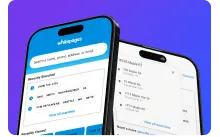
Understanding White Pages Directory Services and Identity Verification in 2026
The term hite pages is a common typographical variation of White Pages, the traditional directory service that has evolved into a comprehensive digital identity and public records verification platform. Digital directory services in 20...
The term hite pages is a common typographical variation of White Pages, the traditional directory service that has evolved into a comprehensive digital identity and public records verification platform.
Contents
Digital directory services in 2026 function as massive data aggregators that bridge the gap between physical addresses and verified digital identities. While the original printed directories were simple lists of names and landline numbers, modern versions serve as essential tools for fraud prevention, background screening, and contact management. Navigating these systems requires an understanding of how public records, social media scraping, and private database acquisition function within current data privacy frameworks.
Evolution of Public Records and Data Aggregation Standards
As of 2026, the landscape of directory services is governed by stricter data privacy regulations compared to previous decades. Platforms now distinguish between basic contact discovery and advanced background checks that fall under the Fair Credit Reporting Act (FCRA). Users must differentiate between information that is public record and private data that is protected under evolving state-level privacy statutes.
Modern directory platforms utilize high-velocity indexing to update contact information in real-time. By connecting various nodes—including historical addresses, current utility registrations, and public property deeds—these systems provide a snapshot of an individual's residential footprint. The primary technical shift in 2026 involves the integration of machine learning algorithms that flag potential identity theft by identifying inconsistencies in an individual's historical location data.
Strategic Utility of Directory Platforms for Consumer Security
Effective use of directory services goes beyond simply finding a phone number. For professionals and individuals managing their digital presence, these platforms act as the first line of defense in auditing one’s public exposure.
Privacy Optimization Protocol
Users should periodically conduct an audit of their own data as it appears on major aggregator sites. By requesting the removal of sensitive information—such as precise floor plans linked to public property records or redundant secondary contact aliases—individuals can reduce their surface area for social engineering attacks. Most platforms provide an opt-out mechanism that requires verifying your identity through a secondary public record match.
Comparative Analysis of Directory Service Features
Selecting the appropriate verification tool depends on the user's specific objective, ranging from simple lookups to comprehensive risk assessment.
| Service Category | Primary Function | Data Depth | Regulatory Compliance |
|---|---|---|---|
| Standard Directory | Contact Information | Low | GDPR/CCPA Compliant |
| Reverse Phone Lookup | Carrier/Identity ID | Medium | Telecom Privacy Laws |
| Background Screening | Criminal/Civil Records | High | FCRA Required |
| Asset Mapping | Real Estate/Ownership | Medium | Public Record Access |
Step-by-Step Methodology for Identity Lookup
If you are performing a search in 2026 to verify a professional contact or research an unknown caller, follow this established workflow to ensure accurate results and maintain compliance with privacy norms.
- Input Verification: Start with a confirmed primary identifier. In 2026, phone numbers are more reliable than names, which are frequently subject to homonymic errors in large databases.
- Cross-Referencing Data Points: Once a primary record is retrieved, cross-reference the city and state. If the directory shows a history of residences, verify if those locations align with the individual's known professional trajectory.
- Screening for Discrepancies: Note any red flags. A record that lists an individual at three separate addresses in three different states within the last six months may indicate a transient status or a potential identity obfuscation attempt.
- Adherence to Permissible Use: If you are using the information for employment or housing decisions, you must utilize a provider that is fully FCRA-compliant. Never use casual directory data for high-stakes screening, as these databases are not updated with the same level of legal verification required by government agencies.
Operational Limitations and Data Accuracy
No directory service is 100% accurate. In 2026, the reliance on digital metadata means that data lags are common. For instance, if an individual moves but fails to update their voter registration or utility billing address, the directory may display outdated information for months.
Technical limitations often stem from the "walled garden" approach taken by major telecommunications carriers, who may restrict access to mobile subscriber data to protect their customers from cold-calling spam. Consequently, while landline numbers remain highly accurate in directories, mobile records are often inferred through indirect data points rather than direct carrier feeds.
Frequently Asked Questions Regarding Directory Services
How do I remove my personal information from public directories? Most platforms provide a removal request portal. You generally need to provide the specific URL of your record and verify your identity using an email address that matches the contact data stored on the profile.
Are these lookup services legal in 2026? Yes, provided the service utilizes legally sourced public records. If the service offers to bypass legal restrictions or access private, non-public data, it is likely engaging in illegal activities and should be avoided to prevent identity theft.
What is the difference between a white pages search and a background check? A white pages search is a general directory lookup, while a background check is a regulated process that reveals criminal history, credit reports, and civil court proceedings. The latter requires legal authorization and adherence to the Fair Credit Reporting Act.
Why does my record show an address where I never lived? This is often caused by data linkage errors where a service incorrectly associates your name with an individual who has a similar name or a shared previous address. Requesting a data correction or removal is the standard method for resolving these errors.
Can these services identify private mobile numbers? Most legitimate directory services struggle to link private mobile numbers to names due to telecommunications privacy laws. If a site claims to have 100% accurate, real-time mobile data for any individual, it is likely using deceptive marketing tactics.
Final Recommendations for Personal Data Management
Managing your presence in the 2026 digital ecosystem requires proactive engagement. If you find inaccurate data, do not wait for the system to auto-correct. File a manual correction request through the service’s administrative interface. Prioritize transparency by maintaining your own professional profile on reputable business networks, which often rank higher in search engines and serve as more reliable sources of truth than third-party data aggregators. Always verify critical contact information through direct communication before updating sensitive personal or professional records.
Image Gallery