Patatas Kitchen Appliances Explained in Detail: Types, Features, and Buying Guide
Patatas kitchen appliances comprise specialized residential and commercial equipment engineered for processing, preparing, and cooking potatoes ("patatas"). These appliances include automated electric potato peelers, precision fry cutt...
Patatas kitchen appliances comprise specialized residential and commercial equipment engineered for processing, preparing, and cooking potatoes ("patatas"). These appliances include automated electric potato peelers, precision fry cutters, high-torque mashers, commercial potato rumblers, and specialized air fryers or steamers designed to reduce manual labor, optimize peel yield, and maintain consistent culinary texture.
Contents
What Are Patatas Kitchen Appliances?
In culinary terminology and food equipment manufacturing, "patatas kitchen appliances" refers to dedicated appliances and heavy-duty machinery designed to handle the unique physical characteristics of potatoes. Potatoes are dense, high-starch, moisture-rich root vegetables that present distinct processing challenges. Processing them manually in high-volume settings requires extensive labor hours, leads to inconsistent cut sizes, and causes higher material waste due to over-peeling.
Specialized potato processing appliances automate every phase of prep and cooking:
- Peeling and washing: Stripping the outer skin while preserving maximum sub-surface flesh.
- Slicing and cutting: Transforming whole tubers into uniform French fries, wedges, chips, or cubes.
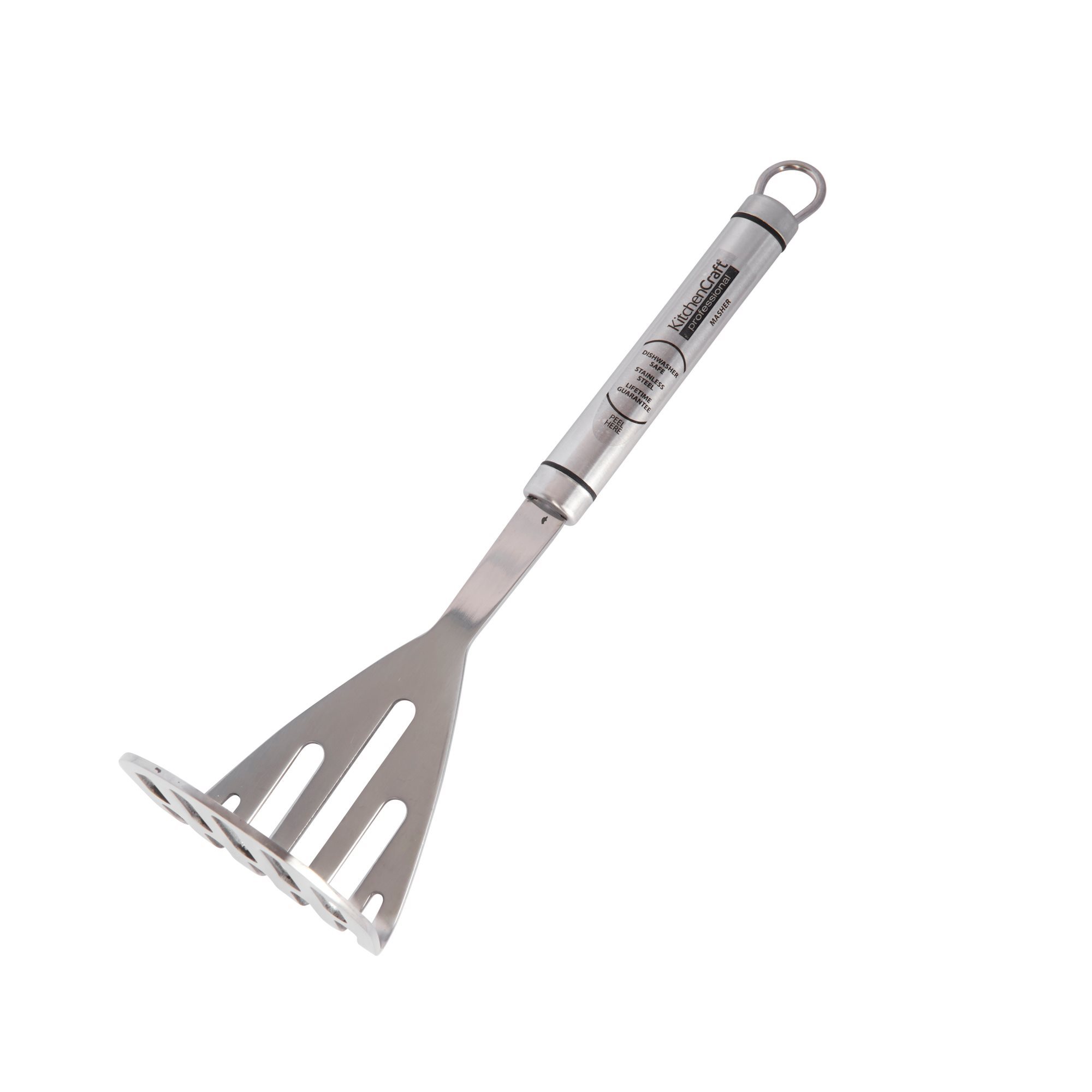
- Mashing and ricing: Extruding cooked potatoes into smooth, lump-free purees without over-working the starch granules.
- Thermal cooking: Rapidly baking, steaming, or frying potatoes to achieve crisp exteriors and fluffy interiors.
Whether deployed in high-throughput commercial kitchens, catering operations, food processing plants, or home prep stations, these appliances integrate food-grade stainless steel construction, specialized cutting grids, and high-torque motors to handle tough root crops reliably.
Core Categories of Potato Preparation and Cooking Appliances
Understanding the distinct categories of potato appliances helps home chefs, facility managers, and restaurant owners select the right machinery for their operational scale.
- Patatas Processing Equipment
- Peeling & Washing Equipment
- Abrasive Rumblers
- Tabletop Peelers
- Micro-blade Peelers
- Precision Cutting Machines
- Manual Fry Cutters
- Rotary Dicing Grids
- Pneumatic Cutters
- Thermal & Mashing Systems
- Electric Mashers
- Commercial Steamers
- Dual-Basket Fryers
- Peeling & Washing Equipment
1. Automated Electric Potato Peelers and Commercial Rumblers
Peeling potatoes manually with handheld swivel peelers is one of the most time-consuming prep tasks in any kitchen. Automated electric potato peelers—often referred to in commercial settings as potato rumblers—automate this process through controlled mechanical abrasion.
Commercial Potato Rumbler Interior
- Water Inlet Ring
- Abrasive Side Wall
- Rotatable Potato Batch (5 - 25 kg)
- Carborundum Base Disc
- Motor Drive
- Waste Water & Peel Outlet
- Starch Trap
Mechanism of Action: A batch of unpeeled potatoes is loaded into a cylindrical chamber lined with silicon carbide or carborundum abrasive grit. As the bottom disc spins at controlled speeds, centrifugal force tumbles the potatoes against the abrasive walls while an internal water spray flushes away loosened skin and starch.
Capacity and Cycle Times: Residential tabletop units typically handle 1 to 2 kilograms per batch in under two minutes. Commercial floor-standing rumblers handle batch sizes ranging from 5 kg (11 lbs) up to 25 kg (55 lbs), achieving complete peel removal within 60 to 180 seconds.
Yield Efficiency: Advanced rumblers feature timer controls and micro-abrasive surfaces that remove only the outer skin layer (the periderm), keeping flesh loss under 10% to 15%, compared to up to 25% waste with inexperienced manual peeling.
2. Precision French Fry Cutters and Dicing Machines
Achieving uniform thickness is essential when preparing French fries or potato wedges. Uneven cuts cook at different rates, resulting in a mix of burnt tips and soggy centers. Precision cutting appliances ensure identical dimensions across every batch.
- Manual Lever-Action Cutters: Constructed from heavy-duty cast aluminum or 304 stainless steel, these units use a long wall-mounted or tabletop lever to push whole potatoes through interchangeable stainless steel blade grids.
- Motorized and Pneumatic Cutters: Designed for high-volume operations, pneumatic and electric cutters use air cylinders or electric pushers to drive potatoes through cutting matrices at rates exceeding 1,000 lbs per hour without operator fatigue.
- Blade Matrix Configurations: Standard interchangeable grids include 1/4-inch (shoestring), 3/8-inch (standard fry), 1/2-inch (steak cut), 8-wedge sectioners, and specialized crinkle-cut blades.
3. Electric Potato Mashers, Ricers, and Extruders
When potatoes are cooked, their cellular walls soften, exposing starch granules (amylose and amylopectin). Traditional high-speed food processors spin sharp blades that rupture these cells, releasing excess free starch and turning mashed potatoes into a gluey, pasty mass. Specialized potato mashers and ricers avoid this by applying compression force rather than high-speed shearing.
- Rotary Extrusion Mashers: Handheld or stand-mounted electric mashers utilize low-RPM rotating plastic blades that press cooked potatoes through perforated screen openings, breaking up lumps gently without overworking the starch.
- Commercial Planetary Mixer Attachments: Heavy-duty wire whips and flat beaters operated at low speeds in temperature-controlled bowls mix boiled potatoes rapidly while incorporating butter, milk, or cream uniformly.
- Pneumatic Potato Ricers: Used in industrial manufacturing, these machines force bulk quantities of steamed potatoes through fine stainless steel plates, creating light, pillowy strands ideal for gnocchi, potato flakes, or gourmet mashes.
4. Specialized Cooking Appliances: Air Fryers, Steamers, and Display Ovens
Cooking potatoes efficiently requires precise heat transfer to break down complex carbohydrates while managing internal moisture levels.
- Rotary-Drum Air Fryers: Designed with rotating wire baskets, these appliances tumble potato fries continuously through a stream of superheated air, ensuring 360-degree heat distribution with minimal oil application.
- Commercial Atmospheric Steamers: Steaming potatoes preserves soluble nutrients and prevents waterlogging compared to traditional boiling. Atmospheric steamers cook bulk sheet pans of potatoes evenly prior to mashing or roasting.
- Jacket Potato Ovens: Popular in quick-service food settings, these multi-tier display ovens utilize localized convection elements to bake potatoes evenly until skins are crisp, featuring heated upper display cabinet zones to hold cooked potatoes at safe serving temperatures (above 140°F / 60°C).
Technical Specifications and Performance Comparison
Selecting the appropriate equipment depends on understanding key technical parameters across appliance categories.
| Appliance Category | Typical Capacity / Throughput | Power / Drive Type | Frame Material | Primary Commercial / Home Use | Key Maintenance Requirement |
|---|---|---|---|---|---|
| Tabletop Electric Peeler | 1.0 – 2.5 kg per batch | 120W – 250W Electric Motor | Food-grade ABS / Stainless | Residential / Small Cafe | Clean abrasive disc & clear drain path after use |
| Commercial Potato Rumbler | 5.0 – 25.0 kg per batch | 0.5 HP – 2.0 HP Induction Motor | 304 Stainless Steel | Restaurants, Hotels, Caterers | Inspect drive belts & clean integrated starch filter |
| Manual Lever Fry Cutter | 10 – 15 potatoes per minute | Manual Mechanical Advantage | Cast Aluminum / Stainless Steel | Prep Kitchens, Food Trucks | Lubricate guide rods & inspect blade grid tension |
| Pneumatic Fry Cutter | Up to 1,500 lbs / hour | Compressed Air (80–100 PSI) | Heavy 304 Stainless Steel | High-Volume Industrial Prep | Check air line filters & blade assembly alignment |
| Rotary Electric Masher | 2.0 – 5.0 kg per batch | 150W – 350W High-Torque Motor | Stainless Steel / BPA-free Polymer | Home Kitchens & Delis | Disassemble rotor blades; hand-wash extrusion grid |
| Rotary-Drum Air Fryer | 1.5 – 3.0 kg per cycle | 1,500W – 2,200W Electric | Stainless Interior / Heat Polymer | Home & Small Commercial | Clean removable basket drum & wipe heating coils |
Key Features to Consider When Selecting Potato Kitchen Equipment
When evaluating potato prep and cooking appliances, prioritize specifications that align with operational demands, sanitation standards, and safety requirements.
- Selection Decision Matrix
- Operational Capacity
- Hourly Volume
- Batch Size Limits
- Continuous Duty
- Sanitary & Construction
- 304 Stainless Steel
- NSF / CE Certification
- Removable Components
- Safety & Electrical
- Interlock Switches
- Thermal Overload
- Waterproofing (IPX5)
- Operational Capacity
Construction Materials and Food Safety Certifications
Potato juice contains natural sugars, starches, and mild organic acids. Equipment coming into direct contact with raw potatoes should feature non-corrosive materials. Look for 304 food-grade stainless steel hoppers, chambers, and blade frames. Plastic components must be BPA-free and resistant to starch staining. Commercial equipment should carry safety and sanitation marks such as NSF International (NSF/ANSI Standard 8 for food equipment) or CE compliance.
Motor Torque and Duty Cycle
Potatoes are dense root vegetables. Electric motors must deliver adequate low-end torque rather than high RPMs alone. Look for induction motors with thermal overload protection. For commercial settings, select continuous-duty rated motors that can operate through long prep shifts without overheating.
Water and Starch Management Systems
Commercial peeling rumblers require dedicated water inlet connections and wastewater outlets. Modern rumblers feature integrated starch interceptors or collection baskets. Collecting starch slurry at the machine prevents rapid clogging of commercial plumbing traps and municipal sewer lines.
Blade Assembly Quality and Modular Design
Cutting blades must be fabricated from hardened stainless steel to retain sharpness when processing high volumes of raw potatoes. Ensure that replacement blade grids (such as changing from a 3/8-inch cut to a 1/2-inch cut) can be swapped quickly without special tools.
Operational Guidelines and Maintenance Best Practices
Proper operation and preventative maintenance extend machine lifespans, preserve blade sharpness, and guarantee food safety.
| Frequency | Preventative Maintenance Task |
|---|---|
| Daily | Flush peeling chamber and clean starch trap |
| Daily | Wash blade assembly grids with hot water |
| Daily | Inspect rubber door seals and safety interlocks |
| Weekly | Check drive belt tension on peeling rumblers |
| Weekly | Inspect cutting grid edges for bent or nicked blades |
| Weekly | Apply food-grade lubricant to cutter guide rods |
| Monthly | Check carborundum lining for surface wear |
| Monthly | Test motor thermal cutoff circuit breaker |
Pre-Processing Preparation
Before loading potatoes into automated peelers or cutters:
- Sort by Size: Group potatoes of similar diameter together to ensure uniform abrasion in rumblers and centered alignment in fry cutters.
- Pre-Wash Large Debris: Remove heavy field dirt, small rocks, or foreign debris before loading. Rocks can break cutter blades or strip abrasive grit from peeler disks.
- Remove Damaged Tubers: Discard potatoes with extensive rot or deep mechanical damage to prevent batch contamination.
Sanitation and Starch Removal
Starch buildup creates a sticky residue that dries into a hard film, clogging drain pipes and jamming mechanical linkages.
- Immediate Rinsing: Rinse all food-contact surfaces with warm water (110°F–120°F / 43°C–49°C) immediately after use. Avoid scalding hot water during initial flushes, as temperatures above 140°F (60°C) gelatinize starch, causing it to adhere tightly to stainless steel surfaces.
- Disassembly: Remove blade grids, abrasive plates, and pusher blocks daily to clean hidden crevices.
- Sanitizing: Apply food-safe sanitizing solutions (e.g., quaternary ammonium compounds or chlorine-based sanitizers according to manufacturer dilution ratios) and allow parts to air dry completely.
Troubleshooting Common Equipment Issues
| Problem | Likely Cause | Corrective Action |
|---|---|---|
| Peeler leaves excessive skin on potatoes | Worn abrasive disc, cycle time too short, or overloaded chamber | Reduce batch weight, extend timer, or replace carborundum abrasive disc. |
| Fry cutter produces jagged or mashed cuts | Dull or bent blades, operator pushing unevenly | Replace damaged blade matrix; ensure potato is centered before applying leverage. |
| Mashed potatoes are gluey/gummy | Over-shearing via high-speed blades; overcooked potatoes | Switch to low-RPM rotary extrusion masher or ricer; control boiling times precisely. |
| Peeler motor stalls mid-cycle | Thermal overload triggered due to overfilling or jammed debris | Disconnect power, clear jam, allow motor to cool, and reset thermal safety switch. |
| Drain hose backs up during peeling | Starch slurry accumulation in drain line or trap | Flush drain hose with warm water; clean integrated starch filter basket daily. |
Commercial ROI and Workflow Integration
Investing in dedicated potato processing appliances provides a measurable return on investment (ROI) through reduced labor costs and improved product yield.
Prep Line Layout Schema:
- Bulk Storage & Wash Bin
- Peeling Rumbler
- Inspection Station
- Precision Fry Cutter
- Soaking & Blanching
Labor Cost Reduction Analysis
Manual prep of 100 lbs (45 kg) of potatoes requires approximately 1.5 to 2.0 man-hours (peeling, trimming, and slicing).
- An electric peeling rumbler processes 100 lbs in approximately 10 to 12 minutes across multiple batches.
- A commercial fry cutter slices 100 lbs of peeled potatoes in under 5 minutes.
- Total labor time drops from up to 120 minutes to under 20 minutes, yielding an estimated 83% reduction in prep labor time.
Maximizing Material Yield
Manual peeling by unpracticed kitchen staff often removes up to 25% of usable potato tissue alongside the skin. Precision abrasive rumblers limit flesh removal to between 10% and 12%, preserving up to 13 lbs of usable potato per 100 lbs processed. Over annual commercial production, these savings reduce raw ingredient costs substantially.
Frequently Asked Questions
How does a commercial potato peeling machine (rumbler) work?
A commercial potato rumbler uses a rotating bottom disc coated with carborundum grit inside a lined cylindrical chamber. Centrifugal force tumbles the potatoes against the abrasive walls while an internal water jet flushes away skin particles and starch into a drainage trap, peeling a full batch in 1 to 3 minutes.
What is the difference between a potato ricer and a high-torque electric masher?
A potato ricer uses manual leverage or pneumatic pressure to extrude cooked potato through small perforated holes, producing fine, uniform strands without releasing excess intracellular starch. An electric masher uses slow-rotating blades or paddles to crush potatoes gently without high-speed shearing, avoiding the sticky, gluey texture caused by standard food processors or blenders.
How do you prevent starch buildup in automated potato appliances?
Rinse all components with warm water (110°F–120°F / 43°C–49°C) immediately after use before starch can dry. Avoid boiling hot water during the initial rinse, as heat above 140°F (60°C) cooks and gelatinizes free starch, causing it to adhere firmly to metal and plastic surfaces.
Can electric potato peelers process sweet potatoes and other root vegetables?
Yes, most heavy-duty electric peelers can process sweet potatoes, carrots, parsnips, and beets. However, because sweet potatoes are firmer and have tougher, irregular skins, batch sizes should be reduced by 20% to 30%, and cycle times may need to be extended slightly.
What grid size is best for commercial french fry cutters?
The ideal grid size depends on the menu application:
- 1/4 inch (6.3 mm): Shoestring or extra-crispy fries.
- 3/8 inch (9.5 mm): Standard quick-service restaurant fries (balancing cook time and moisture retention).
- 1/2 inch (12.7 mm): Thick steak-cut fries or pub-style chips.
Are potato peeling and cutting appliances NSF certified?
Commercial-grade potato processing appliances are frequently certified by organization standards such as NSF International (NSF Standard 8). NSF certification verifies that the equipment is constructed from non-toxic, corrosion-resistant materials and designed for easy disassembly and thorough sanitation. Always check product spec sheets for NSF or equivalent commercial food safety marks.
Summary and Practical Next Steps
Selecting the right patatas kitchen appliances transforms prep efficiency, reduces labor costs, and improves dish consistency.
- For Residential Kitchens: Consider an electric tabletop peeler or compact rotary air fryer to simplify weeknight meal preparation while minimizing food waste.
- For Small Cafes and Food Trucks: Invest in a heavy-duty manual wall-mounted fry cutter with interchangeable 3/8-inch and 1/2-inch stainless steel blades, paired with a compact tabletop peeler.
- For High-Volume Restaurants and Institutions: Install a floor-standing 304 stainless steel peeling rumbler with an integrated starch trap, coupled with a motorized or pneumatic fry cutter to optimize workflow and lower labor overhead.
Evaluate your kitchen's daily processing volume, measure available floor and plumbing connections, and choose certified food-grade machinery that matches your operational scale.
Image Gallery