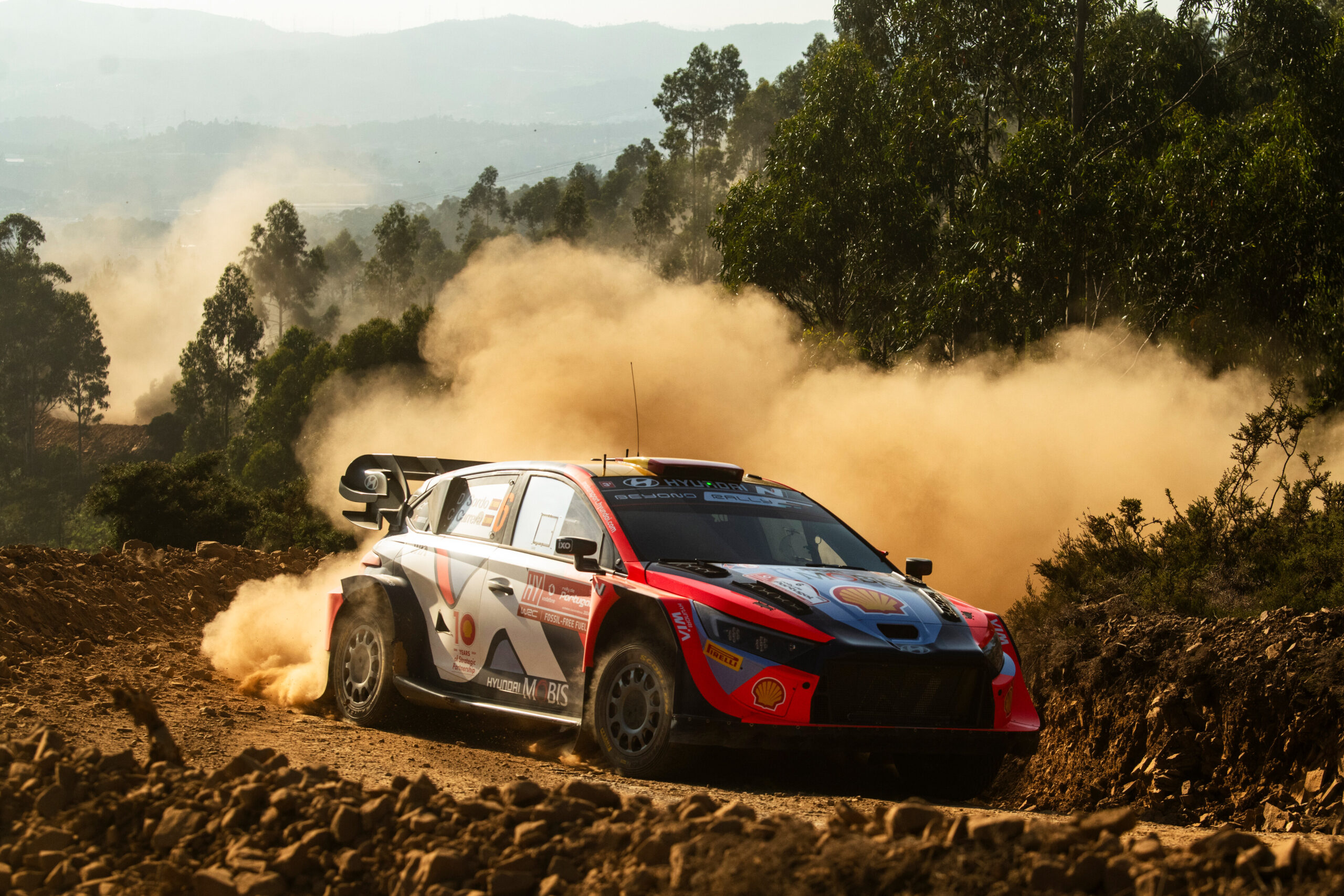
Understanding Dani Sordo’s Net Worth and Career Earnings
Dani Sordo’s net worth is estimated to be between $5 million and $10 million as of 2026, a valuation primarily driven by his two-decade tenure as a professional factory rally driver. His financial standing reflects consistent top-tier...
Dani Sordo’s net worth is estimated to be between $5 million and $10 million as of 2026, a valuation primarily driven by his two-decade tenure as a professional factory rally driver. His financial standing reflects consistent top-tier performance in the World Rally Championship (WRC), sustained multi-year contracts with elite automotive manufacturers, and various personal endorsements throughout his career.
Contents
The Foundation of a Professional Rally Career
Daniel Sordo Castillo, born in Torrelavega, Spain, entered the world of professional motorsport with a focus on precision and technical consistency. Unlike many drivers who rely solely on individual sponsorships, Sordo has spent the vast majority of his career as a "factory driver." In the ecosystem of the World Rally Championship, being a factory driver—or a manufacturer-supported pilot—is the primary driver of wealth. These contracts provide a reliable base salary, performance-based bonuses for podium finishes, and, in many cases, access to comprehensive insurance and travel logistics covered by the team.
Sordo’s career trajectory began in earnest in the early 2000s, but his breakout arrived in 2005 when he won the Junior World Rally Championship (JWRC) title. This achievement acted as a financial and professional catalyst, securing him a seat with the Kronos Citroën team, and subsequently, the powerhouse Citroën Total World Rally Team. His long-term affiliation with Citroën, followed by a significant tenure with Hyundai Motorsport, established him as one of the most reliable and highest-paid drivers in the service park.
Composition of Earnings for Top-Tier WRC Drivers
To understand how a net worth of this magnitude is accumulated, it is necessary to break down the revenue streams available to elite rally drivers in 2026. While exact contractual figures for professional athletes are rarely made public, the industry standard for established WRC factory drivers involves a mix of fixed compensation and variable incentives.
- Base Salary: Manufacturers like Hyundai and Toyota pay their primary drivers annual salaries that reflect their experience, marketability, and ability to score consistent Manufacturers' Championship points. Sordo’s status as a veteran driver, often tasked with "road sweeping" or strategic driving in specific events, commands a premium.
- Performance Bonuses: Contracts in the WRC frequently contain "laddered" bonuses. These payments are triggered by podium finishes, stage wins, and overall rally victories.
- Sponsorship and Personal Branding: While the manufacturer team holds the primary branding rights on the car and race suit, drivers often maintain personal endorsement deals with watchmakers, sportswear brands, or regional Spanish companies. These deals contribute to the overall net worth and long-term financial security of the driver.
- Test and Development Fees: In recent years, Sordo has played a critical role in the development of rally-spec vehicles. This technical labor is typically compensated separately from his racing duties, as it requires a specific skillset involving vehicle telemetry interpretation and mechanical feedback.
Comparative Financial Context in Motorsport
When evaluating Dani Sordo's net worth, it is important to place his earnings in the context of the sport. Rallying generally offers different financial horizons compared to Formula 1.
| Driver Category | Primary Revenue Source | General Financial Outlook |
|---|---|---|
| Factory Driver (WRC) | Manufacturer Salary | High stability; performance bonuses. |
| Privateer/Independent | Personal Sponsors | High volatility; high operational costs. |
| Junior Drivers | Personal/Family Backing | Often net-negative during growth phases. |
| Retired Factory Pros | Consulting/Brand Ambassadorship | Sustainable secondary income streams. |
Sordo occupies the upper echelon of the "Factory Driver" category. His longevity in the sport—spanning over 20 years at the top level—allows for a level of compounding interest on his career earnings that younger drivers have yet to achieve. His ability to maintain a seat in the WRC long after many of his contemporaries retired has provided him with a prolonged window of high-tier earning capacity.
Financial Management and Post-Racing Strategy
Professional rally drivers, particularly those with long careers like Sordo, often transition into roles that leverage their technical expertise. By 2026, a significant portion of a driver's net worth is often moved into diversified investment portfolios. In the world of high-performance motorsport, it is common for drivers to invest in real estate, private business ventures, or motorsport-related logistics firms.
Furthermore, the "veteran" status in the WRC is financially valuable. As manufacturers focus on vehicle development for future hybrid and electric regulations, the institutional knowledge possessed by a driver with two decades of experience becomes an asset that is billed at a higher premium than that of a rookie. This shifts the driver's role from purely competitive to a hybrid of competitive racing and technical consulting.
Common Misconceptions Regarding Rally Earnings
Publicly available net worth estimates often suffer from a lack of transparency regarding the costs associated with professional racing. It is a common mistake to conflate a driver’s "salary" with their "take-home pay."
- Operational Costs: Unlike many individual professions, top-level drivers often have to maintain a staff, including specialized trainers, physiotherapists, and personal managers. These individuals are paid out of the driver’s gross earnings.
- Tax Jurisdictions: Drivers frequently live in jurisdictions that optimize tax burdens for professional athletes. Variations in tax residency significantly impact the net (liquid) worth of a driver, even if their gross earnings are identical to a peer.
- Variable Costs: Rally drivers must maintain a high level of physical fitness and health, often requiring significant investment in private health and safety measures, which are essential for maintaining a career in a high-risk sport.
Frequently Asked Questions
Is Dani Sordo still an active WRC driver? Yes, as of 2026, Dani Sordo remains involved in the World Rally Championship, participating in select events for his manufacturer team. His role has evolved toward specialized performance and development, which continues to support his professional income.
Do rally drivers make as much money as Formula 1 drivers? Generally, no. While top WRC factory drivers earn substantial salaries, they are typically lower than those of the highest-paid F1 drivers. The commercial revenue generated by F1 teams—and consequently the budgets available for driver salaries—is significantly larger than the global rally market.
Does Dani Sordo earn money from YouTube or social media? While Sordo maintains a social media presence to engage with fans and sponsors, his wealth is predominantly derived from his professional racing contracts and professional partnerships, rather than social media monetization.
Are there taxes on prize money for rally drivers? Yes. Like any professional athlete, international rally drivers are subject to complex tax laws. Prize money and appearance fees are typically subject to withholding taxes in the countries where the events take place, in addition to the driver's primary tax residency obligations.
What is the biggest factor in Dani Sordo’s net worth? His long-term, multi-year contracts with factory-backed teams, specifically Citroën and Hyundai, serve as the foundation of his net worth. His ability to remain relevant and valuable to these manufacturers for over 20 years is the single largest contributor to his financial standing.
Strategic Outlook and Next Actions
For those interested in the financial metrics of motorsport, it is essential to distinguish between gross contract value and long-term net worth. A driver's financial health is rarely a result of a single "win" or a single sponsorship deal, but rather the result of decades of consistent performance and strategic contract management.
If you are tracking the net worth of motorsport athletes, focus on the manufacturer's performance, the driver's tenure within that organization, and their involvement in secondary roles like vehicle testing. These factors are more predictive of net worth than public perception or race-day hype. For individual financial planning or investment research, always consult with professionals who understand the specific tax and legal nuances of international athlete contracts.
Image Gallery