The Definitive List of Knuckleball Pitchers in Baseball History
The list of knuckleball pitchers in baseball is a remarkably short and prestigious roster, featuring specialists who rely on a spinless, erratic delivery to deceive hitters. Key figures include Hall of Famers Phil Niekro and Hoyt Wilhe...
The list of knuckleball pitchers in baseball is a remarkably short and prestigious roster, featuring specialists who rely on a spinless, erratic delivery to deceive hitters. Key figures include Hall of Famers Phil Niekro and Hoyt Wilhelm, modern legends Tim Wakefield and R.A. Dickey, and contemporary practitioners like Matt Waldron. These athletes represent a "dying breed" in a sport increasingly dominated by high-velocity fastballs and high-spin sliders.
Contents
The Unique Identity of the Knuckleballer
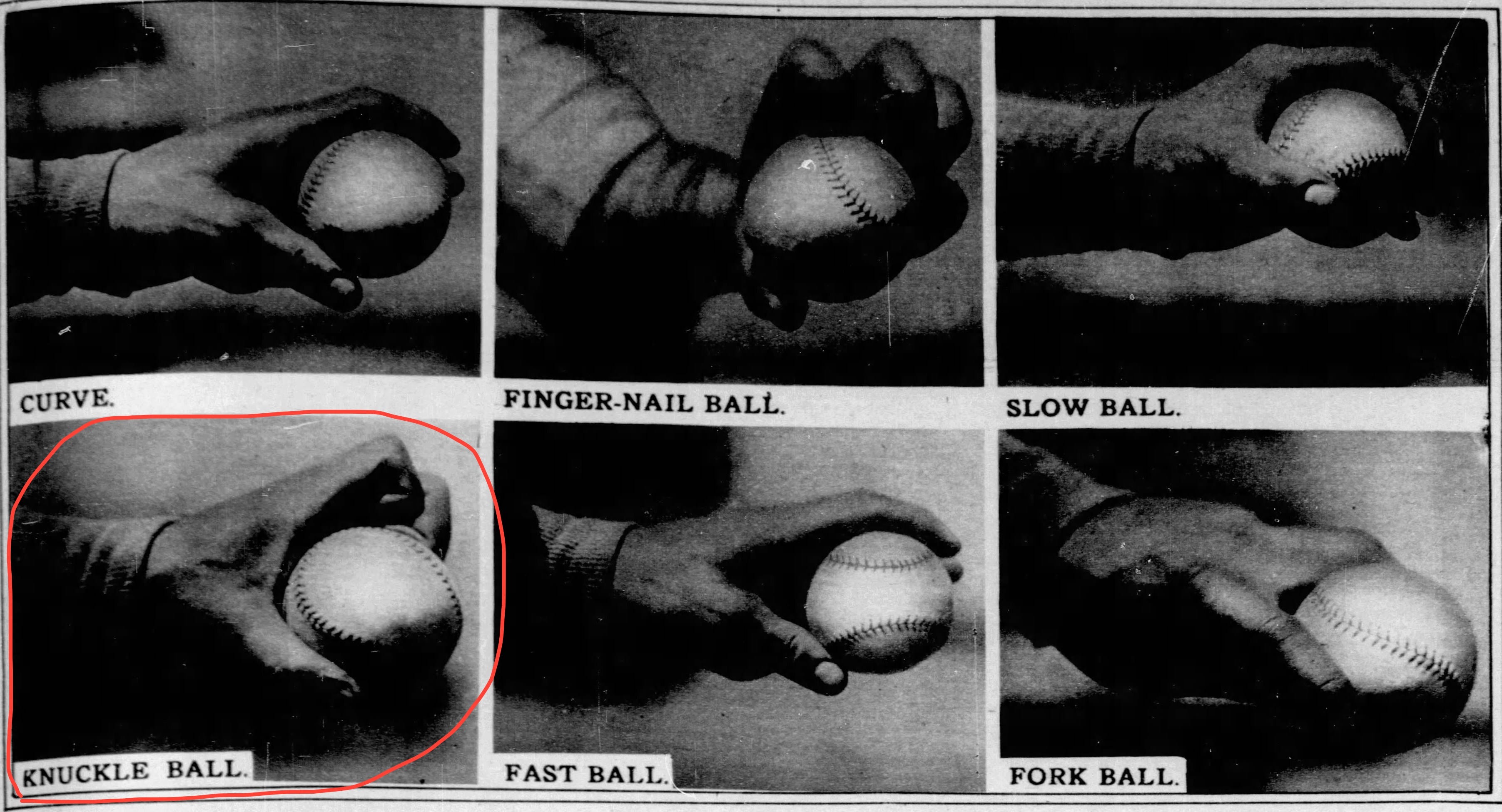
In the landscape of Major League Baseball (MLB), the knuckleballer exists as a technical anomaly. While the modern game is defined by "velocity floors" and "spin rates," the knuckleballer seeks the opposite: a complete lack of spin. By gripping the ball with the fingernails or tips and pushing it toward the plate, the pitcher minimizes the Magnus effect—the force that typically gives a baseball its predictable trajectory.
Instead, the ball is subject to vortex shedding, where air moving over the seams creates unpredictable pressure imbalances. This causes the ball to "flutter" or "dance," moving in directions that neither the pitcher nor the catcher can fully predict. Because the pitch is thrown at much lower speeds (typically 60–80 mph), knuckleballers often enjoy extreme longevity, as the delivery puts significantly less strain on the ulnar collateral ligament (UCL) and rotator cuff compared to traditional power pitching.
Historical Pioneers: The Architects of the Flutterball
The knuckleball was not "invented" by a single person, but it was perfected by a handful of pioneers in the early 20th century. Before it became a specialized craft, many pitchers used it as a "show-me" pitch to disrupt timing.
Hoyt Wilhelm: The First Great Specialist
Hoyt Wilhelm was the first knuckleballer inducted into the National Baseball Hall of Fame. He didn't reach the Major Leagues until he was 29 years old, yet he pitched until he was nearly 50. Wilhelm proved that the knuckleball was not just a trick but a legitimate weapon that could sustain a career for decades. He finished his career with 143 wins, 228 saves, and a 2.52 ERA, setting the template for the "long-relief" and "closer" roles that knuckleballers would occasionally inhabit.
The Niekro Brothers: A Family Legacy
Phil Niekro is perhaps the most famous name associated with the pitch. Known as "Knucksie," Phil Niekro amassed 318 wins over 24 seasons, primarily with the Atlanta Braves. His ability to throw the pitch for strikes—a rare feat—made him a workhorse who regularly eclipsed 300 innings pitched in a single season. His brother, Joe Niekro, also utilized the pitch to win 221 games. Together, they hold the record for the most wins by a pair of brothers in MLB history, largely credited to the durability the knuckleball provided.
Modern Masters: The Renaissance of the 1990s and 2000s
As the 20th century closed, the knuckleball became even rarer. Teams were hesitant to invest in pitchers who required specialized catchers and whose success depended so heavily on atmospheric conditions (wind and humidity). However, two men kept the craft alive in the modern era.
Tim Wakefield: The Fenway Icon
Tim Wakefield's career is a testament to the pitch's ability to resurrect a failing path. After struggling as a conventional pitcher and even a position player in the Pirates' organization, Wakefield mastered the knuckleball and became a cornerstone of the Boston Red Sox rotation for 17 seasons. He played a vital role in the 2004 World Series championship team, proving that a knuckleballer could succeed in the high-pressure environment of the American League East.
R.A. Dickey: The Power Knuckleballer
In 2012, R.A. Dickey did something no other knuckleballer had ever done: he won the Cy Young Award. Dickey's approach was unique because he threw a "hard" knuckleball, often reaching 78–80 mph. Traditional knuckleballs are usually 10–15 mph slower. This increased velocity, combined with the traditional erratic movement, made him nearly unhittable for the New York Mets during his peak. His success sparked a brief resurgence of interest in the pitch within player development circles.
The Complete List of Primary Knuckleball Pitchers
The following table highlights the most significant knuckleballers in MLB history, categorized by their era of dominance and career impact.
| Pitcher | Primary Era | Career Wins | Notable Achievement |
|---|---|---|---|
| Phil Niekro | 1964–1987 | 318 | Hall of Fame, 3,342 Strikeouts |
| Hoyt Wilhelm | 1952–1972 | 143 | First Knuckleballer in Hall of Fame |
| Tim Wakefield | 1992–2011 | 200 | 2x World Series Champion |
| R.A. Dickey | 2001–2017 | 120 | 2012 NL Cy Young Award Winner |
| Charlie Hough | 1970–1994 | 216 | Threw first pitch in Marlins history |
| Joe Niekro | 1967–1988 | 221 | 1979 MLB wins leader (tied) |
| Wilbur Wood | 1961–1978 | 164 | 3-time 20-game winner |
| Dutch Leonard | 1933–1953 | 191 | 4-time All-Star |
| Eddie Cicotte | 1905–1920 | 208 | Early pioneer of the "knuckle-attachment" |
| Matt Waldron | 2023–Current | N/A | Active practitioner (as of 2026) |
The Current State of the Knuckleball in 2026
As of 2026, the knuckleball remains an endangered species in professional baseball. The primary reason is the shift in scouting priorities. Major League organizations now prioritize measurable traits—velocity, vertical break, and horizontal sweep—which are easily tracked by systems like Statcast. The knuckleball is inherently immeasurable in terms of "expected" movement because its success is derived from its unpredictability.
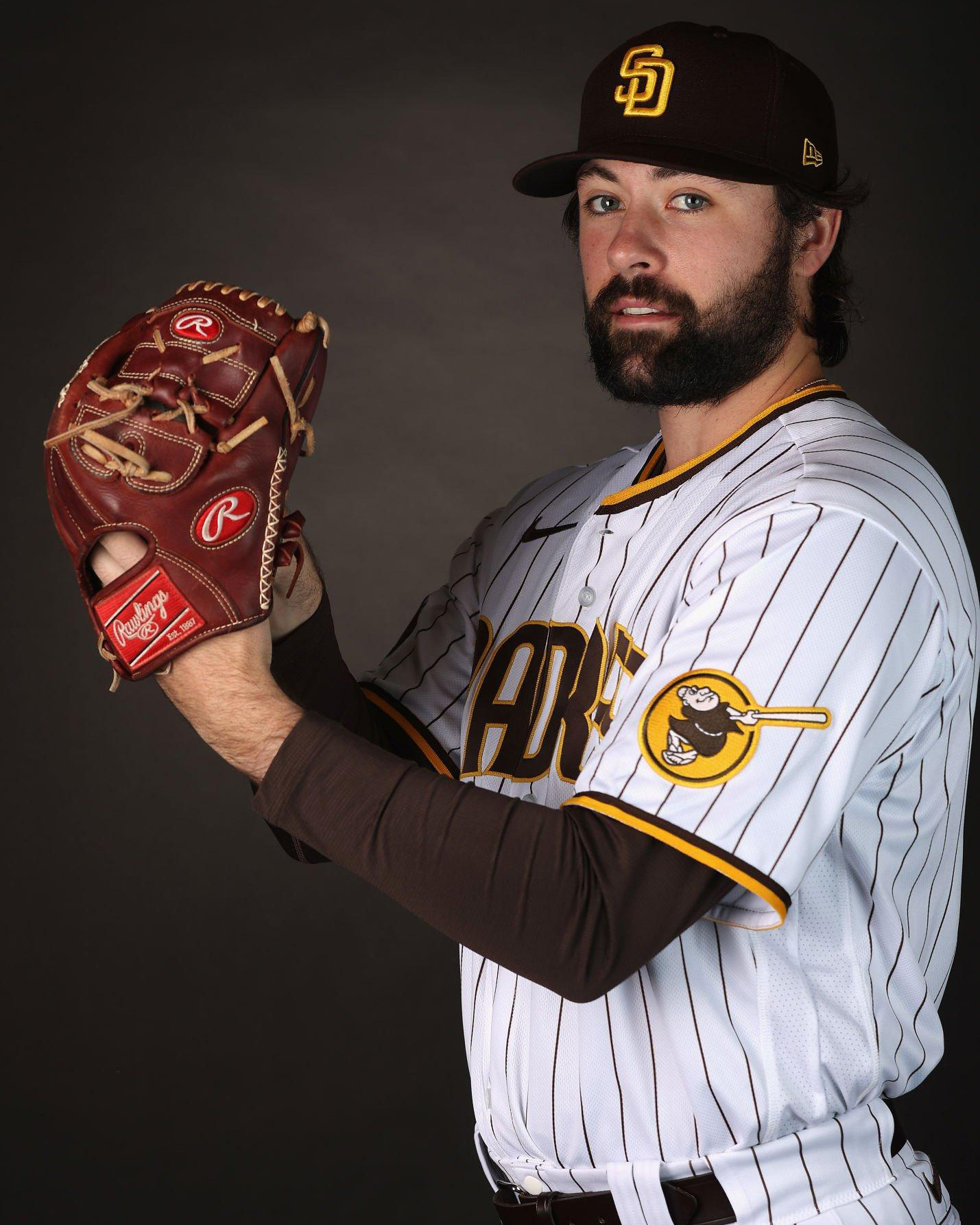
However, the pitch has not vanished. Matt Waldron of the San Diego Padres emerged in the mid-2020s as a "hybrid" knuckleballer. Unlike the pure specialists of the past, Waldron utilizes a conventional 90+ mph fastball alongside a knuckleball. This "hybrid" approach may be the future of the pitch, using the knuckleball as a devastating off-speed weapon rather than a primary delivery. Other minor league prospects continue to experiment with the pitch, often as a "last resort" when their conventional velocity fails to impress scouts.
Technical Requirements and the Catcher’s Dilemma
Throwing the knuckleball is only half the battle; the other half is catching it. Because the ball moves late and randomly, it is notoriously difficult for catchers to track.
Specialized Equipment
Most catchers who work with knuckleballers use a specialized "oversized" mitt. These gloves are significantly larger than standard catcher's mitts, resembling a first baseman's glove but with more padding. This increased surface area is necessary to snag balls that may "dart" six inches in any direction just before reaching the plate.
The Passed Ball Risk
The history of the knuckleball is inextricably linked to passed balls. Bob Uecker, a former catcher for Phil Niekro, famously quipped, "The way to catch a knuckleball is to wait until it stops rolling and then pick it up." Teams often employ a "personal catcher" for knuckleballers—a player who focuses exclusively on mastering the reception of that one pitcher. Notable examples include Doug Mirabelli (for Tim Wakefield) and Josh Thole (for R.A. Dickey).
Why the Knuckleball is Rare: Operational Limitations
Despite the benefits of longevity and deception, several factors prevent the knuckleball from becoming a mainstream pitch again:
- Grip Sensitivity: The pitch requires the pitcher to maintain very specific fingernail lengths and strengths. A broken nail can render the pitch ineffective for a week.
- Atmospheric Sensitivity: In high humidity, the seams on the ball can grip the air differently, often causing the ball to "hang" or fail to move, leading to easy home runs for hitters.
- Low Margin for Error: When a knuckleball doesn't "knuckle" (i.e., it rotates even slightly), it becomes a slow, straight batting-practice fastball that is easily hit.
- Coaching Scarcity: Very few coaches in the modern era understand how to teach or refine the knuckleball. Most current practitioners are self-taught or learn from retired legends like Charlie Hough or Phil Niekro (prior to his passing).
Frequently Asked Questions
Who was the last knuckleballer to win the Cy Young?
R.A. Dickey is the last (and only) knuckleballer to win the Cy Young Award. He achieved this feat in 2012 while playing for the New York Mets. He led the National League in strikeouts and innings pitched that year, proving that the pitch could dominate modern hitters when thrown with higher velocity.
Is anyone currently throwing the knuckleball in MLB in 2026?
Yes, Matt Waldron is the most prominent active pitcher using the knuckleball in 2026. While he is often described as a "hybrid" pitcher because he also throws a standard fastball and slider, his knuckleball is his signature out-pitch and has been instrumental in his rotation security.
Why don't more pitchers learn the knuckleball to save their arms?
While the knuckleball is easier on the arm, it is incredibly difficult to master. It requires a level of "feel" and fingertip control that most athletes cannot achieve. Furthermore, MLB teams are risk-averse; they prefer a pitcher with a 98-mph fastball whose performance is predictable over a knuckleballer whose performance can vary wildly based on the weather or a slight change in grip.
Can you throw a knuckleball without using your fingernails?
It is possible to throw a "fingertip" knuckleball by using the pads of the fingers, but this version usually has more rotation than the "fingernail" grip. The most successful knuckleballers in history have almost exclusively used their fingernails to "dig" into the leather or seams to ensure a clean, push-off release with zero spin.
What is the average speed of a knuckleball?
Historically, the knuckleball sits between 64 and 75 mph. R.A. Dickey was an outlier, often throwing his "hard" knuckleball at 76–80 mph. Matt Waldron’s version typically clocks in the low-to-mid 80s, which is exceptionally fast for the genre and contributes to its effectiveness as a modern change-of-pace pitch.
Final Recommendations for Aspiring Pitchers
For players interested in joining the historical list of knuckleball pitchers, the path is one of extreme patience. The pitch is rarely mastered in a single season; it often takes years of daily "tossing" to understand how the ball reacts to different wind conditions and release points. Aspiring knuckleballers should focus on minimizing rotation above all else. Using a high-speed camera or a modern "smart ball" to track spin rate is essential in 2026. If the spin rate is consistently below 150 RPM, the ball will begin to exhibit the characteristic "flutter" that has defined the careers of Hall of Famers for over a century.
Image Gallery