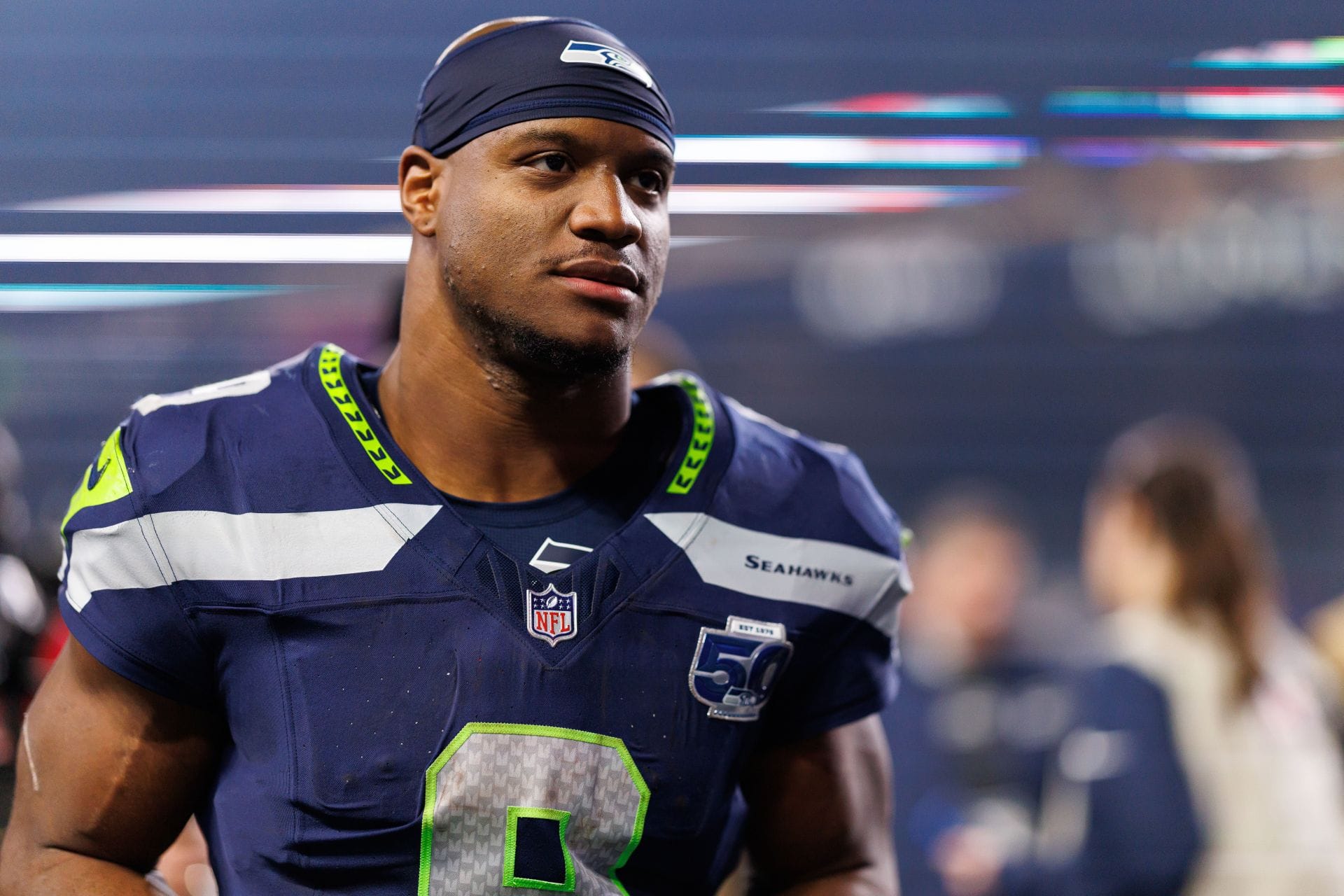
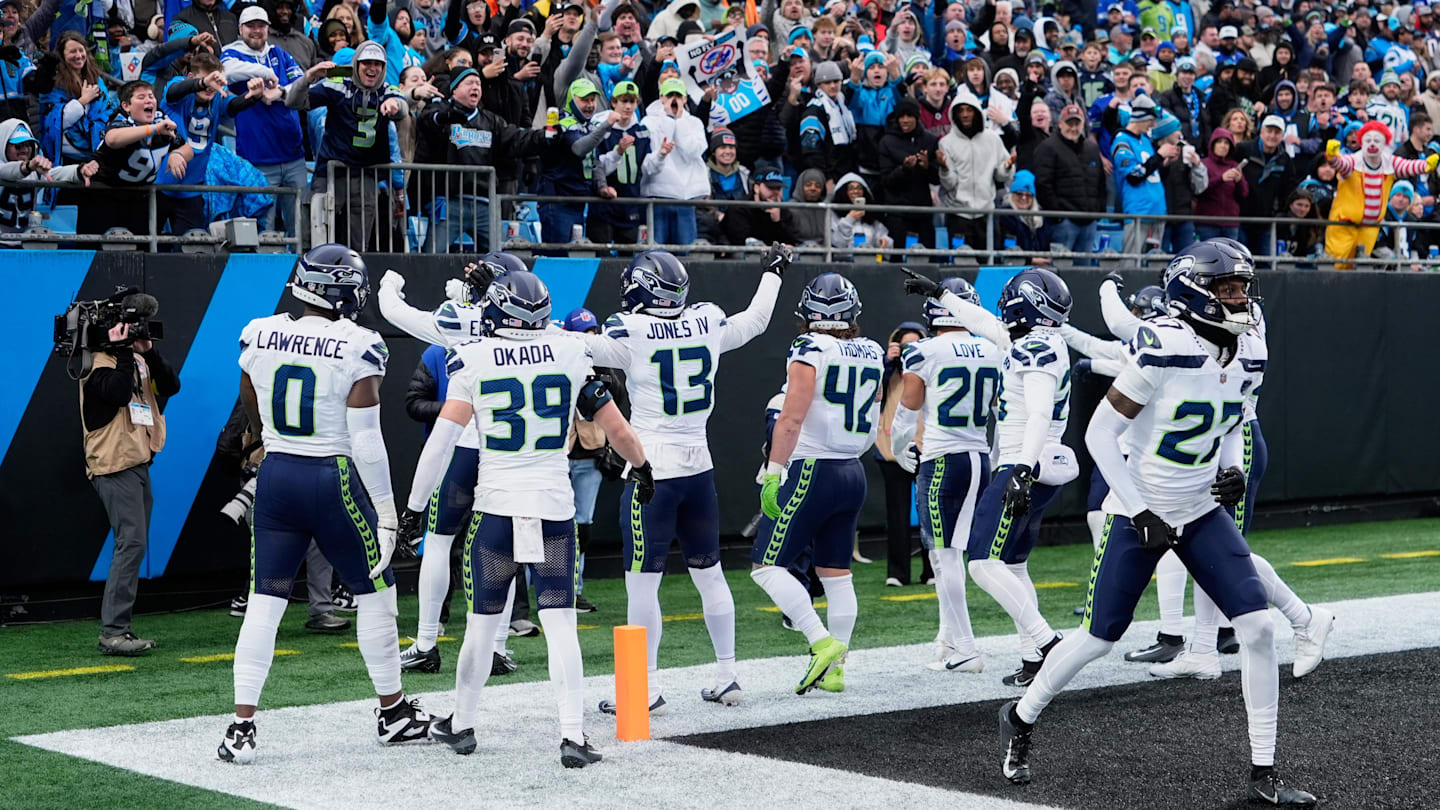
Earl Thomas Stats: A Deep Dive into the Seahawks Star’s Numbers
Earl Thomas stands as one of the most transformative figures in the history of the Seattle Seahawks, anchoring the legendary "Legion of Boom" secondary that defined a generation of defensive football. His statistical profile, spanning...
Earl Thomas stands as one of the most transformative figures in the history of the Seattle Seahawks, anchoring the legendary "Legion of Boom" secondary that defined a generation of defensive football. His statistical profile, spanning his tenure from 2010 to 2017 in Seattle, reveals the impact of a prototypical free safety who combined elite range, high football IQ, and unmatched coverage instincts to anchor the league’s most feared defense.
Contents
The primary function of Earl Thomas within the Seahawks' defensive scheme was to operate as the single-high safety. This tactical assignment allowed him to roam the deep middle of the field, effectively neutralizing the opposition's deep passing game and allowing the rest of the defense to play aggressively at the line of scrimmage. Throughout his time in Seattle, Thomas logged 684 combined tackles, 28 interceptions, and 11 forced fumbles, metrics that capture only a fraction of his total influence on the field. Because his presence often dictated where opposing quarterbacks chose not to throw, his value extended far beyond the box score, manifesting as a psychological deterrent that redefined the safety position in the 2010s.
The Evolution of the Free Safety Position
To understand the statistical significance of Earl Thomas, one must look at the evolution of the safety position in the NFL. Historically, free safeties were often relegated to secondary coverage roles or clean-up duty. Under defensive coordinators Gus Bradley, Dan Quinn, and Kris Richard, the Seahawks utilized a Cover 3 scheme that relied heavily on the middle-of-the-field range of a single safety.
Thomas was the foundational element of this system. His ability to read the quarterback’s eyes while simultaneously tracking the deepest route runner allowed Seattle to play with an extra defender in the box. This tactical flexibility is why, despite varying tackle counts from year to year, his performance remained consistently elite. His 2013 season is often cited as the pinnacle of this role, coinciding with the Seahawks' dominant run to a Super Bowl XLVIII victory, where his statistical contributions were bolstered by a defense that led the league in scoring defense, total defense, and takeaways.
Key Statistical Breakdown
The following data reflects the core contributions Thomas made during his tenure with the Seattle Seahawks. These figures emphasize his dual-threat capacity: the ability to force turnovers while remaining a reliable tackler in the open field.
| Category | Career Total (Seahawks) | Season Average (Approx.) |
|---|---|---|
| Combined Tackles | 684 | 85.5 |
| Interceptions | 28 | 3.5 |
| Forced Fumbles | 11 | 1.4 |
| Pass Deflections | 67 | 8.4 |
| Pro Bowl Selections | 6 | N/A |
Analyzing Defensive Impact Beyond Interceptions
While interceptions are the most common metric for gauging defensive backs, they often fail to capture the "gravity" of a player like Thomas. Throughout his eight seasons in Seattle, Thomas forced quarterbacks to abandon the middle of the field entirely. When reviewing his game film, it becomes clear that his primary contribution was "preventative defense"—the act of stopping a play before it begins through positioning.
His tackle counts suggest a player who was not only a deep-field specialist but also a reliable last line of defense against the run. With a career-high 105 combined tackles in 2011, he proved that his reach was not limited to passing downs. This versatility is what set him apart from other "ball-hawking" safeties of the era who may have had higher interception totals but lacked the requisite physicality to stop running backs at the second and third levels.
Tactical Prerequisites for the Seahawks' Success
For the Seahawks' defensive statistics to flourish, certain conditions had to be met. The success of the Legion of Boom was a symbiotic relationship between the pass rush and the secondary.
- Pass Rush Synergy: The Seahawks utilized a rotation of defensive linemen to apply pressure. A faster, more consistent pass rush forced opposing quarterbacks to make hurried decisions, playing directly into the hands of a deep safety like Thomas.
- Defensive Line Gap Control: By keeping the line of scrimmage disciplined, the defensive front forced running backs to bounce outside, where Thomas could utilize his speed to close lanes.
- Cornerback Physicality: With Richard Sherman and Brandon Browner (or later Byron Maxwell) playing physical press-man coverage on the perimeter, Thomas was afforded the space to gamble on high-risk, high-reward interceptions.
When these components were in sync, Thomas’s statistics spiked. In years where the defensive line suffered injuries or the secondary personnel shifted, Thomas’s raw output often changed, proving that his success was inextricably linked to the total defensive ecosystem of the team.
Comparing Defensive Philosophies
When evaluating Thomas against his contemporaries, it is essential to consider the era. The NFL experienced a shift toward spread offenses and high-tempo passing games during the peak of his career. Despite this, Thomas maintained a high standard of coverage efficiency.
- Longevity: Thomas remained a starter for eight consecutive seasons, rarely missing significant time until his later years in Seattle. This durability is rare for a player who regularly engaged in high-speed, full-contact collisions.
- Turnover Contribution: His 11 forced fumbles are a testament to his "punishing" style of play. Unlike many safeties who play for the interception, Thomas was equally dangerous as a tackler who prioritized jarring the ball loose from ball carriers.
Frequently Asked Questions
What was Earl Thomas's most productive season statistically? His 2013 season is widely considered his most impactful. While his interception total of 5 was not his career high, his influence on the league’s top-ranked defense and his 105 total tackles across various playoff games solidified his status as an elite defensive anchor.
Did Earl Thomas serve as a mentor for younger Seahawks defensive backs? Yes. During his tenure, Thomas was instrumental in the growth of younger players, teaching them the nuances of reading route combinations and the importance of pre-snap alignment in the Cover 3 system.
Why are his interception totals lower than some other Hall of Fame safeties? The "Earl Thomas effect" often resulted in quarterbacks avoiding his side of the field entirely. His statistical production was often suppressed because he was so effective at patrolling the deep middle that he effectively took half the field out of the opposition's playbook.
How does his tackle count compare to box safeties? Thomas maintained a high tackle count despite playing deep. While "box" safeties typically record higher tackle counts due to their proximity to the line of scrimmage, Thomas’s ability to record 80-plus tackles annually from a deep-field position demonstrates exceptional pursuit speed and diagnostic skills.
Is Earl Thomas's impact measurable through advanced analytics? Beyond standard counting stats, advanced metrics from his time in Seattle often highlight his low "target share" against him and his high "pass breakup" rate, confirming that he was rarely beaten in deep coverage.
Recommendations for Further Study
To fully grasp the magnitude of Earl Thomas's career in Seattle, viewers should review the "All-22" coaching film from the 2012–2014 seasons. Watching the defensive coverage from the perspective of the sideline cameras reveals exactly how Thomas adjusted his positioning based on the pre-snap motion of wide receivers and the release of tight ends. These recordings remain the most accurate historical record of his technical proficiency.
Image Gallery