How to Do the Napoleon Dynamite Dance Step by Step
To master the Napoleon Dynamite dance, you must synchronize awkward, high-energy movements with the 128 BPM disco-funk rhythm of Jamiroquai’s "Canned Heat." The routine requires a blend of deadpan facial expressions, loose-limbed "bus...
To master the Napoleon Dynamite dance, you must synchronize awkward, high-energy movements with the 128 BPM disco-funk rhythm of Jamiroquai’s "Canned Heat." The routine requires a blend of deadpan facial expressions, loose-limbed "bus driver" arm swings, and rhythmic side-slides. By breaking the performance into its three core phases—the groove-in, the technical mid-section, and the high-intensity finale—any dancer can replicate this iconic cinematic moment.
Contents
The Cultural Significance and Technical Appeal of the Routine
As of 2026, the climactic dance scene from the 2004 cult classic Napoleon Dynamite remains one of the most recognizable solo performances in film history. What makes the routine technically interesting is its lack of formal structure. Actor Jon Heder improvised much of the choreography, drawing from a variety of influences including Michael Jackson, street dancing, and 1970s disco. For a performer today, the challenge is not just hitting the steps, but capturing the "unintentional" aesthetic—a look of total concentration paired with movements that feel both spontaneous and frantic.
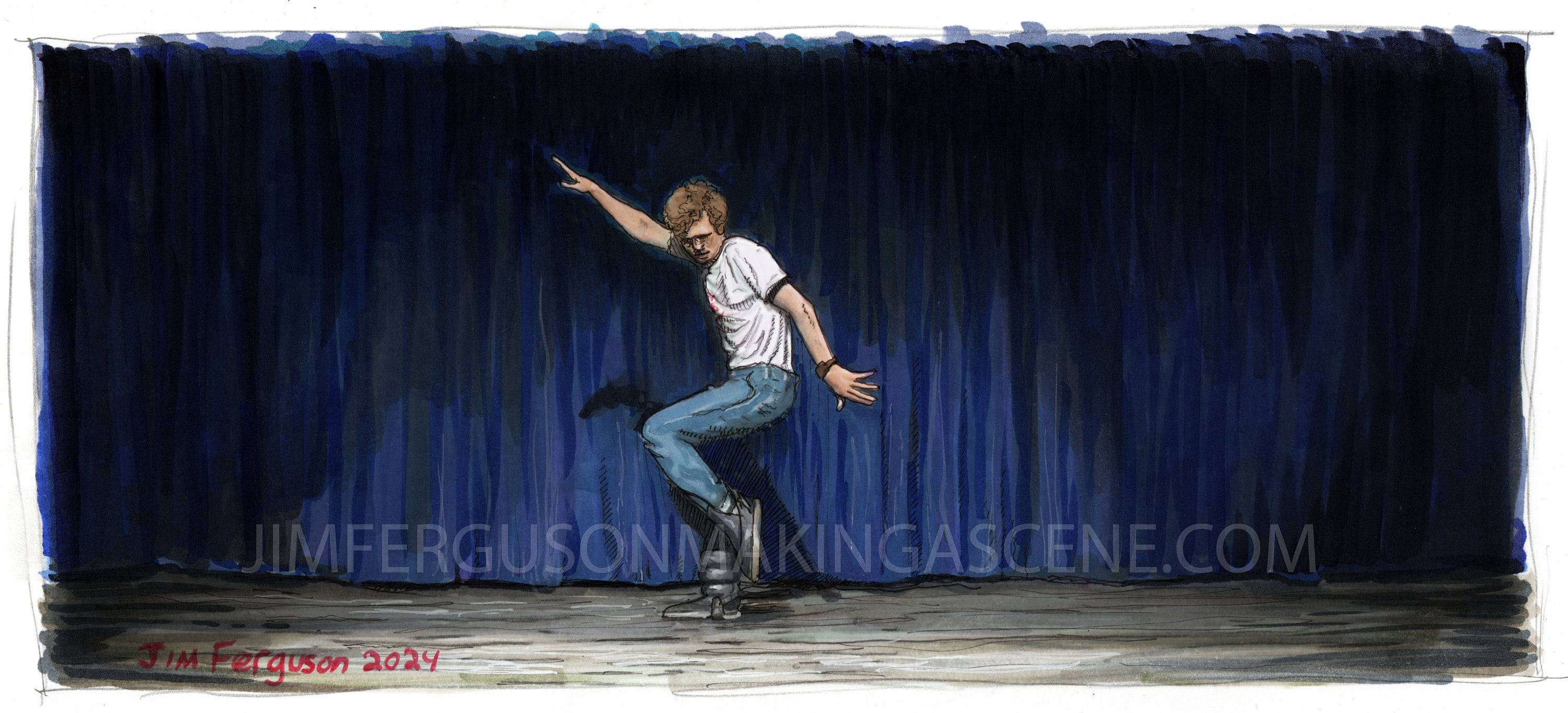
The dance serves as the emotional resolution of the film, where the titular character performs for his school’s talent show to help his friend Pedro win the class presidency. From a technical standpoint, the dance is set to "Canned Heat" by Jamiroquai, a track known for its driving bassline and syncopated percussion. To perform it correctly, you must understand how to move "behind the beat," a style where your movements feel slightly relaxed even when the tempo is fast.
Prerequisites and Preparation
Before attempting the steps, you must prepare your environment and body. While the dance looks casual, it is a high-cardio routine that involves significant lateral movement and shoulder articulation.
Physical Requirements and Space
- Floor Surface: A smooth surface is essential. The routine involves several slides and pivots. Avoid thick carpets; hardwood or laminate flooring is ideal.
- Footwear: Traditionally, Napoleon wears "Moon Boots" or heavy snow boots. While these are iconic, they are difficult to dance in for beginners. For practice, use sneakers with moderate grip or "social dance" shoes that allow for sliding.
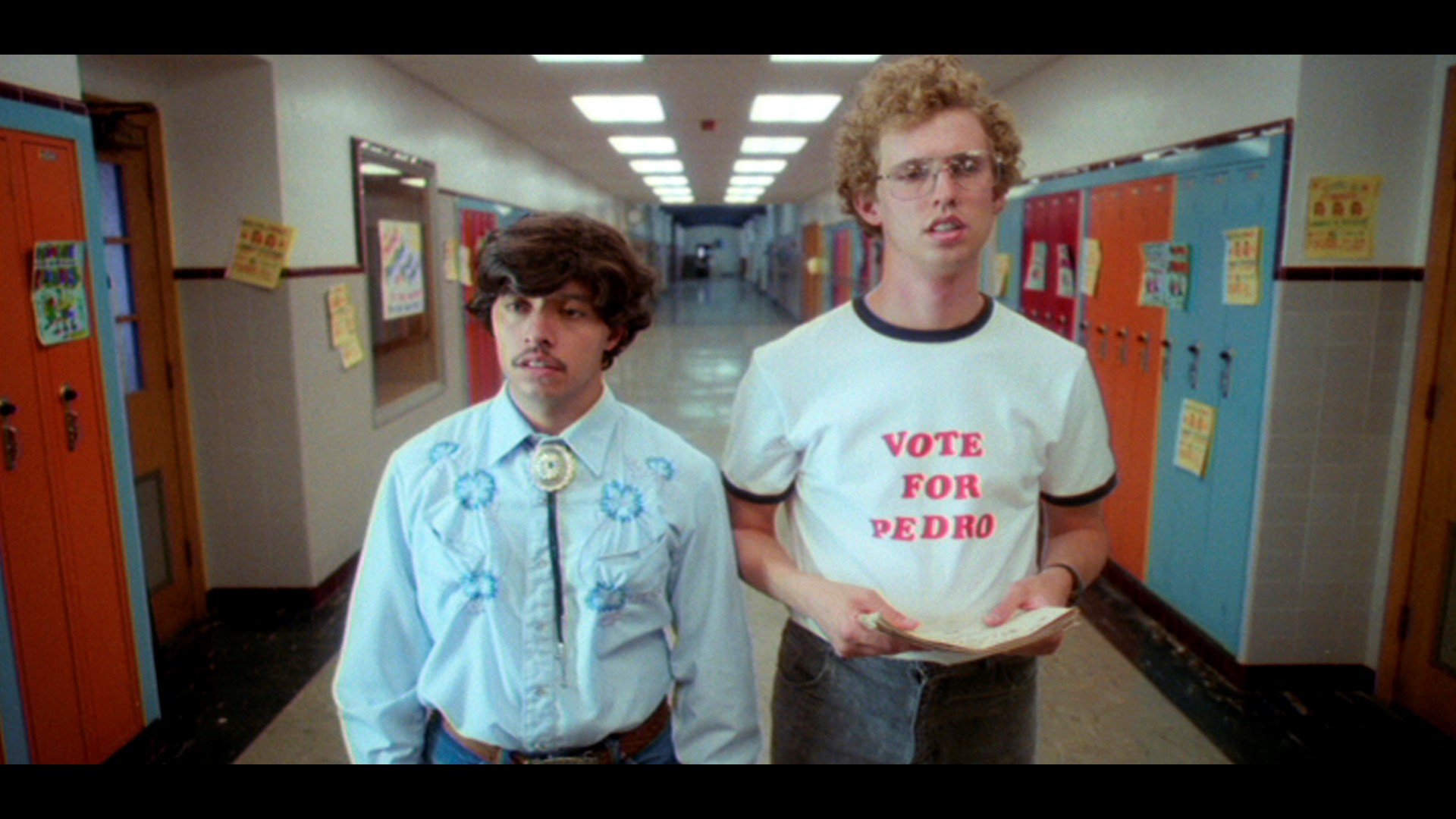
- Attire: The "Vote for Pedro" shirt is the standard costume, but for learning purposes, wear loose-fitting clothing that does not restrict your arm movements. The routine requires a wide range of motion in the shoulders and hips.
Understanding the Music
"Canned Heat" operates at approximately 128 beats per minute (BPM). This is a standard house and disco tempo. When practicing, it is helpful to use a metronome or a slowed-down version of the track (0.75x speed) to memorize the placement of the "Bus Driver" and "Lasso" moves before attempting them at full speed.
Step-by-Step Breakdown of the Dance
The routine can be divided into four distinct segments. Each segment increases in intensity and technical complexity.
Phase 1: The Deadpan Introduction
The routine begins with Napoleon standing center stage. The "Vibe" here is essential: shoulders slumped, arms at your sides, and a completely neutral expression.
- The Head Bob: On the first few bars of the bassline, keep your feet still. Tilt your head slightly to the beat, looking down at the floor rather than at an audience.
- The Side Step: Step your right foot out to the side, then bring your left foot to meet it. Repeat this to the left. These steps should be "lazy" and heavy-footed.
- The Shoulder Roll: As you step, incorporate a subtle backward roll of the shoulders. The goal is to look like you are warming up your muscles rather than performing a rehearsed move.
Phase 2: The Side Slide and Arm Grooves
As the vocals kick in, the movement shifts from static to lateral. This is where the "fluid awkwardness" begins.
- The Lateral Slide: Push off with your left foot and slide your right foot approximately two feet to the right. As you land, your knees should be slightly bent (a "soft knee" stance).
- The "Bus Driver" Arms: This is the most famous move. Extend your arms in front of you as if holding a large steering wheel. Rotate your hands in small, circular motions while moving your torso left and right. Your elbows should remain loose, creating a "floppy" effect.
- The Knee Pops: While performing the arm movements, alternate popping your left and right knees inward toward your centerline. This creates a jittery, energetic silhouette.
Phase 3: The Mid-Routine Technical Sequence
This section requires more coordination as it involves the "Lasso" and the "Side Punch."
- The Lasso: Raise your right arm above your head and swing it in a circular motion, mimicking a cowboy throwing a lasso. Simultaneously, your left hand should be placed on your hip or tucked into your pocket.
- The Side Punch (The "Hitchhiker"): Extend your thumb and "punch" the air toward the side of the room. This is performed with a quick, jerky motion.
- The Crossover Step: Cross your right foot over your left, then quickly step back out. This is a simplified version of a "Grapevine" step, but executed with more vertical bounce.
Phase 4: The High-Energy Finale
The final 30 seconds of the dance are the most physically demanding. The tempo feels faster as the movements become more expansive.
- The Stage Run: Jog in place with high knees, but keep your upper body relatively stiff. Your arms should pump at your sides in a frantic, non-athletic manner.
- The Double Arm Swing: Swing both arms from your left hip to your right shoulder in a diagonal arc. Repeat this rapidly.
- The Final Slide and Run-Off: The routine ends with a long slide across the floor, followed by a sudden, panicked sprint off-stage. This "exit" is as much a part of the choreography as the dance itself.
Technical Summary of Key Moves
| Move Name | Primary Muscle Group | Difficulty (1-10) | Key Technique |
|---|---|---|---|
| The Bus Driver | Shoulders & Forearms | 4 | Keep elbows loose and wrists floppy. |
| The Lateral Slide | Quads & Calves | 6 | Ensure a smooth floor; push off the trailing foot. |
| The Lasso | Rotator Cuff | 3 | Large, circular overhead motions with a stiff torso. |
| The Knee Pop | Knees & Hips | 5 | Inward rotation of the patella on every second beat. |
| The Deadpan Lean | Core | 2 | Maintain a "bored" facial expression throughout. |
Common Mistakes to Avoid
Even experienced dancers often struggle with this routine because they try to make it look "too good." The charm of the Napoleon Dynamite dance is its unpolished nature.
- Over-Extending the Movements: In professional jazz or hip-hop, you are taught to fully extend your limbs. For this routine, keep your movements "tight" and somewhat retracted. You want to look like you are dancing in a small box.
- Making Eye Contact: Napoleon rarely looks at the audience. He is focused on his own feet or a point in the distance. Breaking this "internal focus" ruins the character immersion.
- Proper Timing vs. Perfect Rhythm: If you hit every beat perfectly, the dance looks like a choreographed pop routine. Try to be "micro-seconds" off-beat occasionally to give it that improvised, frantic feel.
- Neglecting the Breathing: By the end of the scene in the film, Napoleon is visibly out of breath. Incorporating "heavy breathing" into the final phase of your practice will help you achieve the correct level of physical exertion.
Troubleshooting Your Performance
If the dance feels "stiff" or unnatural, consider these adjustments:
- Check Your Center of Gravity: Napoleon dances with a high center of gravity. Instead of "sinking" into your hips like a funk dancer, keep your weight in your chest and shoulders. This creates the "top-heavy" look seen in the film.
- Loosen Your Wrists: If your arm movements look like "robot" dancing, your wrists are likely too tense. Imagine your hands are wet and you are trying to shake water off them while you move.
- Film Yourself: This is the most effective way to spot errors. Compare your footage to the original film clip side-by-side. Pay close attention to the angle of his torso—he often leans forward slightly, which adds to the awkward silhouette.
Frequently Asked Questions
What song does Napoleon Dynamite dance to?
Napoleon dances to "Canned Heat" by the British funk/acid-jazz band Jamiroquai. The song was released in 1999 on their album Synkronized. Its fast-paced, disco-influenced rhythm is essential for the "frantic" energy of the scene.
How long is the full dance routine?
The version seen in the movie lasts approximately 90 seconds. However, when learning, most people focus on the central 60-second "highlight reel" that contains the most iconic moves like the Bus Driver and the Lasso.
Is the Napoleon Dynamite dance hard to learn for beginners?
The individual steps are quite simple (Level 3-4 difficulty), but the stamina and coordination required to string them together at full speed are moderate. Most beginners can learn the basic sequence in about two to three hours of focused practice.
What clothes should I wear to practice the dance?
For the best results, wear a pair of jeans that are slightly too short (to show off the footwork) and a t-shirt. Avoid tight athletic gear, as the fabric's resistance can actually help you achieve the "jerky" movement style required for the character.
Did Jon Heder actually do the dancing himself?
Yes, Jon Heder performed the entire routine himself. He did not have a dance double. Much of the routine was improvised over three different takes, and the editors spliced the best moments together to create the final sequence.
Final Recommendation
To truly master the Napoleon Dynamite dance in 2026, focus on rhythm over perfection. Start by listening to "Canned Heat" on repeat until you can anticipate every beat change. Once the music is internalized, practice the lateral slides and the "Bus Driver" arm movements in front of a mirror. Remember: the goal is to look like you are dancing for yourself, not for an audience. Once you can complete the 90-second routine without stopping, you will have mastered one of the most enduring pieces of pop-culture choreography.
Image Gallery