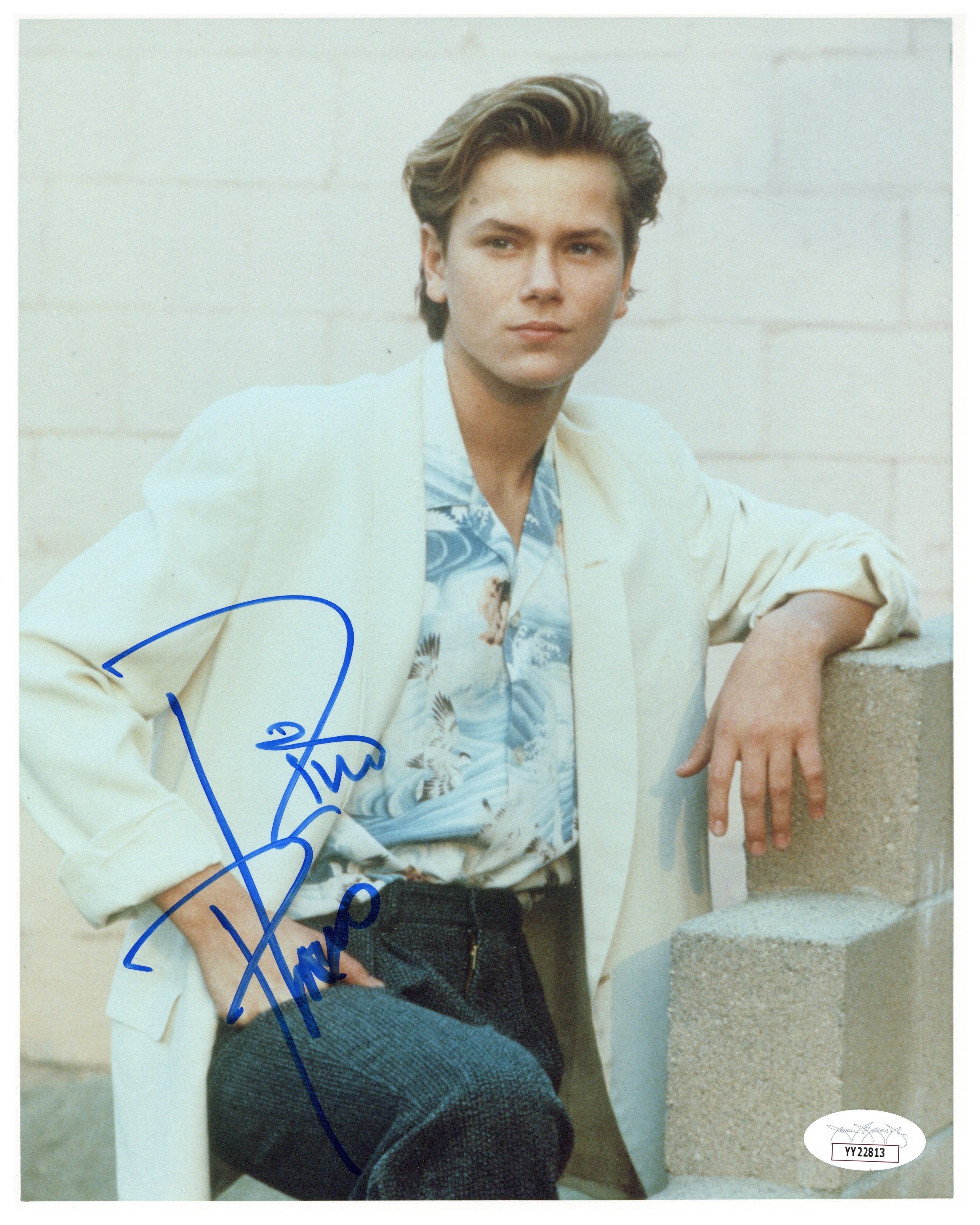
Understanding the Legacy of River Phoenix: A Comprehensive Biographical Overview
River Phoenix remains one of the most compelling figures in American cinema history, representing a generation of raw, naturalistic talent whose premature death in 1993 left an enduring void in the industry. To understand the life of R...
River Phoenix remains one of the most compelling figures in American cinema history, representing a generation of raw, naturalistic talent whose premature death in 1993 left an enduring void in the industry. To understand the life of River Phoenix is to explore the intersection of countercultural upbringing, meteoric professional rise, and the tragic fragility of fame. This biography examines his early life, his pivotal filmography, his commitment to environmental and social advocacy, and the lasting impact his story continues to have on popular culture and the public perception of celebrity.
Contents
Early Life and Countercultural Foundations
Born River Jude Bottom on August 23, 1970, in Madras, Oregon, his early years were defined by a nomadic, unconventional lifestyle. His parents, Arlyn and John Bottom, were members of the Children of God movement, which led the family to travel extensively through South America during his infancy. This formative period, characterized by poverty and a deep connection to nature, provided the foundation for his lifelong dedication to environmentalism and veganism—a rarity in Hollywood at the time.
Upon leaving the movement and settling in Los Angeles in the late 1970s, the family adopted the surname "Phoenix," symbolizing a new beginning. To support the family, the Phoenix children, including Joaquin, Rain, Liberty, and Summer, began appearing in television commercials and bit parts. River’s breakthrough occurred early, but it was his innate ability to internalize complex emotions that set him apart from his peers. Unlike many child actors groomed for commercial appeal, River possessed a haunting vulnerability that directors quickly recognized as a rare artistic asset.
The Professional Trajectory: From Television to A-List Stardom
River Phoenix’s career trajectory is marked by a deliberate shift from mainstream child acting to intellectually demanding adult roles. His transition from television projects, such as Seven Brides for Seven Brothers, to feature films solidified his reputation as a "method-adjacent" actor who prioritized authenticity over stardom.
The Defining Roles
Several films serve as touchstones for his artistic development:
- Stand by Me (1986): His portrayal of Chris Chambers introduced audiences to his capacity for conveying profound internal pain. The film remains a quintessential coming-of-age story, largely anchored by his performance.
- Running on Empty (1988): Earning an Academy Award nomination for Best Supporting Actor, this performance showcased his ability to handle nuanced, mature themes of identity and familial loyalty under pressure.
- My Own Private Idaho (1991): Perhaps his most celebrated performance, this Gus Van Sant film allowed Phoenix to push the boundaries of independent cinema. Playing a narcoleptic street hustler, he delivered a performance that was raw, transgressive, and deeply empathetic.
Performance Evolution Table
The following table outlines the progression of his career through critical film milestones, demonstrating the range of genres he navigated.
| Film Title | Year | Genre | Role Significance |
|---|---|---|---|
| Stand by Me | 1986 | Drama | Breakthrough critical acclaim |
| The Mosquito Coast | 1986 | Drama | High-profile transition to adult-led roles |
| Running on Empty | 1988 | Drama | Academy Award nomination |
| Indiana Jones and the Last Crusade | 1989 | Adventure | Global commercial recognition |
| My Own Private Idaho | 1991 | Independent | Career-defining artistic achievement |
| The Thing Called Love | 1993 | Musical Drama | Final completed film performance |
Advocacy and Personal Values
Beyond his professional life, River Phoenix was an outspoken activist. Long before environmentalism became a mainstream industry priority in Hollywood, Phoenix used his platform to advocate for animal rights and rainforest conservation. He was a dedicated vegan and frequently spoke at protests and fundraisers. His activism was not a secondary interest; it was an extension of his identity. He often chose film projects—or refused lucrative ones—based on his ethical stance, demonstrating a level of agency that was uncommon for an actor of his age and status.
The Tragic Departure and Cultural Aftermath
River Phoenix died on October 31, 1993, outside the Viper Room in West Hollywood, following an accidental drug overdose. His death was a traumatic event for the public and the film industry, effectively ending the career of a generational talent at the age of 23.
The immediate aftermath was characterized by intense media scrutiny. The public narrative surrounding his death often clashed with the private reality of his life, leading to a complex legacy. In the decades since, he has been posthumously recognized as an icon of 90s independent film. His influence is clearly visible in the careers of his siblings—most notably Joaquin Phoenix—and in the way contemporary actors approach roles that require deep emotional vulnerability.
Frequently Asked Questions
1. What is the most significant aspect of River Phoenix’s filmography? The most significant aspect is his commitment to character-driven independent cinema. Unlike many of his contemporaries who favored high-budget blockbusters, Phoenix sought roles that challenged conventional morality and showcased human frailty, effectively bridging the gap between mainstream and indie acting.
2. How did his upbringing influence his acting? His childhood in the Children of God movement and his extensive travels in South America instilled a sense of detachment from standard societal norms. This "outsider" perspective allowed him to bring an authentic, un-rehearsed quality to his roles, as he was less conditioned by traditional industry training.
3. Is there a definitive biography of River Phoenix? While many journalistic accounts and magazine profiles have been written, his family has maintained a protective stance over his personal archives. Readers looking for comprehensive information often rely on a combination of peer-reviewed film studies and well-documented retrospective journalism from reputable sources like The New York Times or the Los Angeles Times.
4. What was his involvement in environmental advocacy? Phoenix was an early adopter of environmental activism, serving as a spokesperson for EarthSave and PETA. He consistently directed his financial resources and public influence toward preserving the Amazon rainforest and promoting sustainable, plant-based living, often at the risk of his commercial reputation.
Recommendation for Further Research
For those interested in exploring the depth of his career, the most effective approach is to view his filmography in chronological order, specifically noting the shift from the ensemble work of Stand by Me to the deeply personal, isolated performances in his later independent films. Supplementing this viewing with contemporary interviews provides the best context for understanding the person behind the screen personas. His legacy remains not just in the roles he played, but in the sincerity he brought to the medium of film.
Image Gallery