Decoding the Nuance: What a Subtle Smile Means in Human Interaction
A subtle smile—often characterized by a slight upturn of the corners of the mouth without the engagement of the eyes—typically signals controlled emotion, polite reservation, or a private thought. Unlike a Duchenne (genuine) smile, whi...
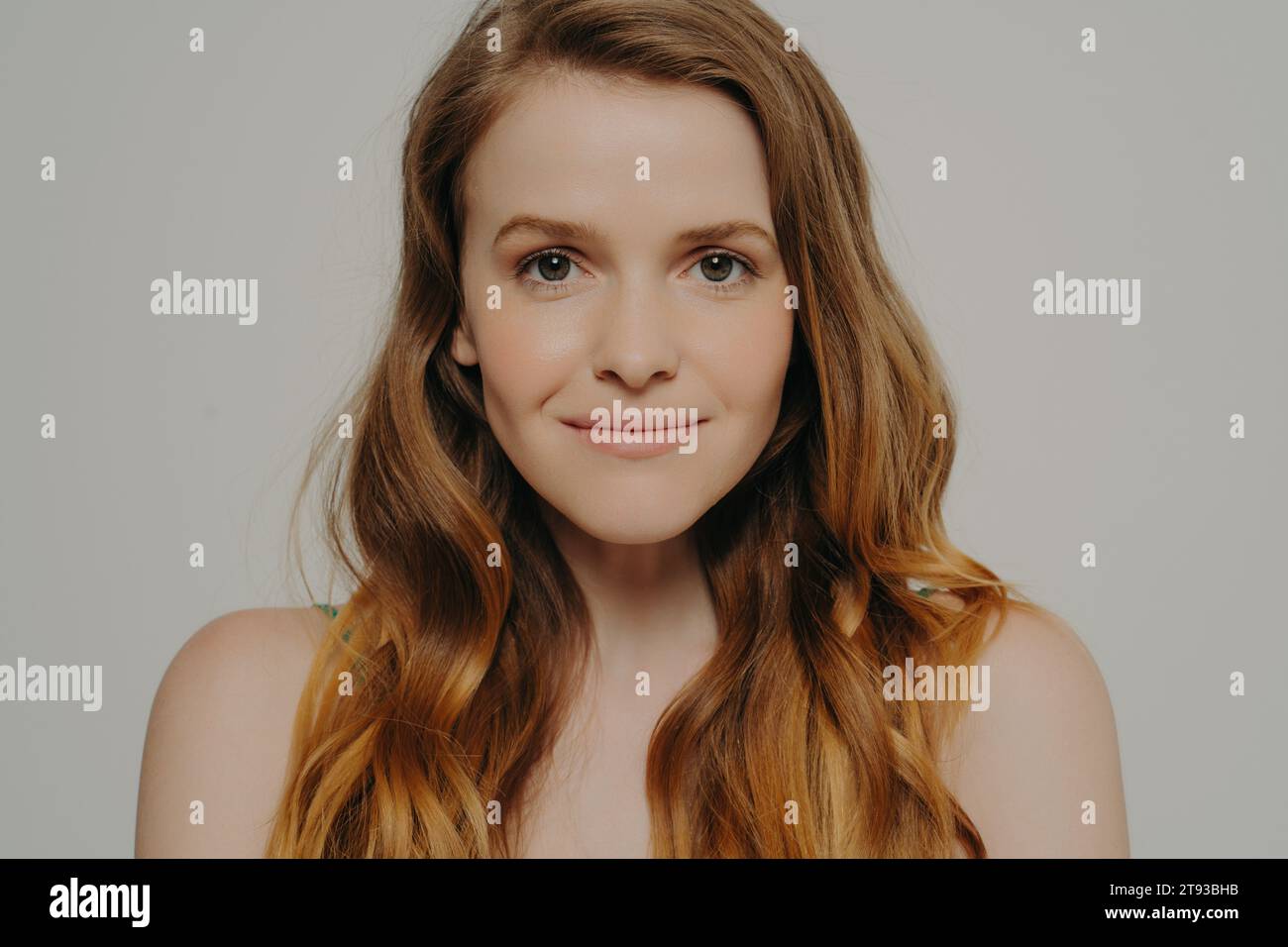
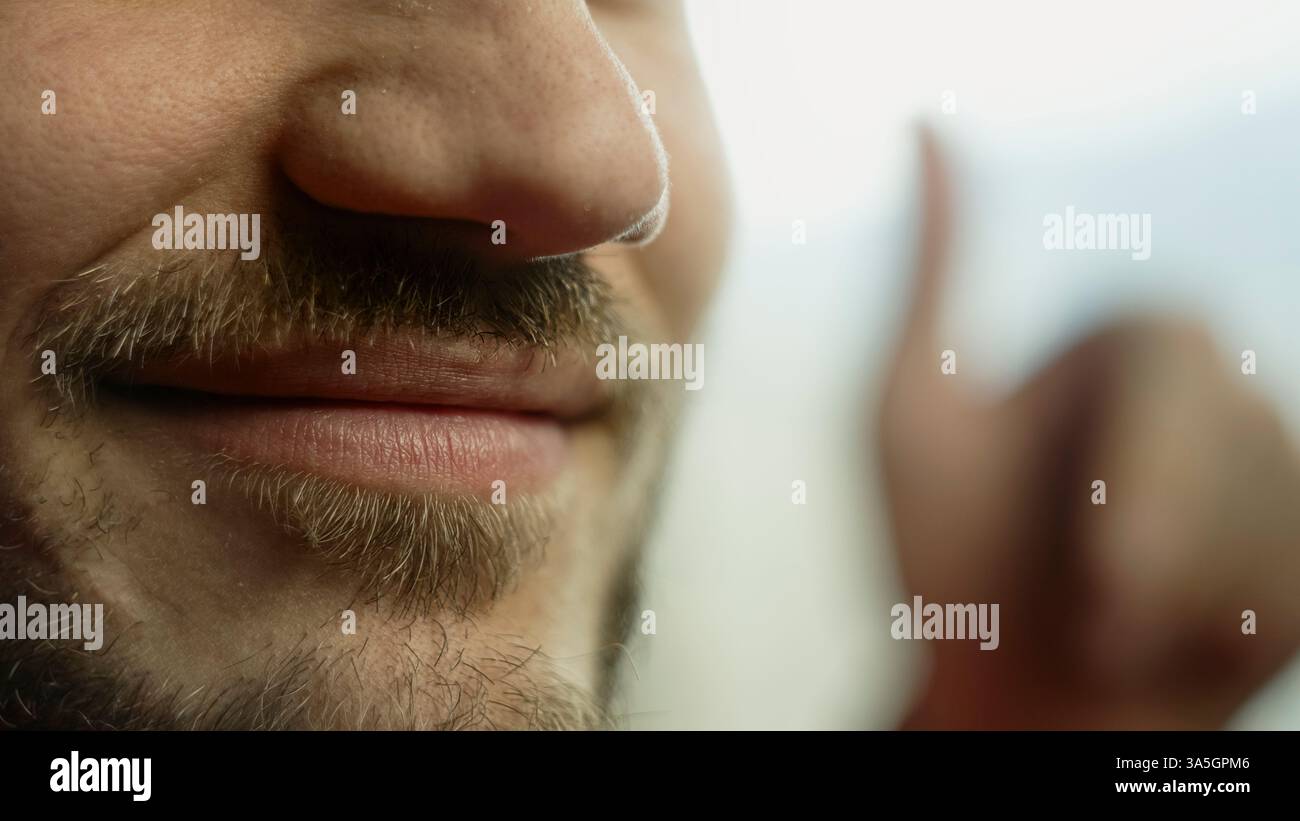
A subtle smile—often characterized by a slight upturn of the corners of the mouth without the engagement of the eyes—typically signals controlled emotion, polite reservation, or a private thought. Unlike a Duchenne (genuine) smile, which involves the orbicularis oculi muscles, a subtle smile is frequently used to maintain social decorum or hide one's true internal state.
Contents
The Anatomy of a Subtle Smile
In the field of nonverbal communication, the subtle smile is categorized as a "low-intensity" expression. Physiologically, it involves the zygomatic major muscle pulling the corners of the mouth upward, but it lacks the secondary "crow’s feet" wrinkles around the eyes that signal an authentic emotional response. Because the eyes remain neutral or unchanged, the expression is ambiguous. It does not carry the immediate, disarming warmth of a full-blown, toothy grin. Instead, it serves as a form of social "micro-expression" that can be deployed intentionally to manage the perception of the observer.
Why Humans Use Subtle Smiles
Understanding the intent behind a subtle smile requires looking at the social context. In many professional and personal environments, it serves a functional purpose rather than an expressive one.
1. Social Masking and Professionalism
In high-stakes professional settings, individuals often use subtle smiles to remain approachable without appearing overly emotional or vulnerable. By keeping the expression minimal, a person can acknowledge a conversation or a greeting while maintaining a professional distance. It is an effective way to say, "I am listening and I am pleasant," while keeping one's actual feelings guarded.
2. The "Private Knowledge" Phenomenon
A common psychological driver for a subtle smile is the feeling of possessing secret or private knowledge. When an individual feels superior, amused by an internal thought, or aware of information the other party lacks, they may flash a brief, thin-lipped smile. This is often described as a "knowing" smile, which signals confidence or a sense of detachment from the immediate surroundings.
3. Politeness and Social Lubrication
In many cultures, a subtle smile is a standard component of "politeness." It is often used to acknowledge someone’s presence when a full social engagement is not possible or appropriate. It functions as a low-energy signal that prevents awkwardness in passing or during formal transitions.
Behavioral Comparisons: Subtle vs. Authentic Expressions
To correctly interpret a subtle smile, it is helpful to compare it against other common facial configurations.
| Expression Type | Primary Muscle Group | Visual Marker | Likely Intent |
|---|---|---|---|
| Subtle Smile | Zygomatic Major | Neutral eyes, thin lips | Reservation, hidden thought, politeness |
| Duchenne Smile | Zygomatic Major + Orbicularis Oculi | Crinkled eye corners, cheeks raised | Genuine joy, warmth, shared bond |
| Contempt Smile | Unilateral Zygomatic Major | One-sided lip lift | Superiority, judgment, disdain |
| Forced/Social Smile | Zygomatic Major | "Plastic" look, blank eyes | Compliance, masking discomfort |
Interpreting Context: Situational Cues
The meaning of a subtle smile shifts based on the environment. If you are negotiating a contract and the other party displays a thin-lipped, subtle smile, it may indicate that they are holding back information or are satisfied with a position you are not yet aware of. In a social gathering, the same expression from an acquaintance might simply signal that they are feeling slightly tired or socially overwhelmed but want to remain polite.
One must look for "clusters"—a series of nonverbal behaviors that occur together. A subtle smile combined with a tilted head and maintained eye contact suggests engagement or hidden curiosity. Conversely, a subtle smile combined with folded arms and a diverted gaze suggests defensiveness or a desire to exit the conversation.
Potential Misinterpretations
A common mistake in social perception is over-interpreting a subtle smile as a sign of dishonesty. While it is true that some people use subtle expressions to mask their true feelings, it is inaccurate to view the expression as inherently deceptive. Many introverted individuals simply have a lower "baseline" of facial expressivity. For them, a subtle smile is their equivalent of another person’s broad, boisterous laugh. Always consider the baseline behavior of the individual before attributing a specific emotional motive to their expression.
Frequently Asked Questions
Is a subtle smile always a sign of hiding something? No. While it can indicate reservation, it is frequently used by people who are naturally reserved, tired, or operating in a professional capacity where high-energy expressions are not appropriate.
How can I tell if a subtle smile is sarcastic? A sarcastic subtle smile often involves a slight asymmetrical movement of the mouth and a momentary sharpening of the gaze. If the expression feels fleeting and is accompanied by a slight head shake or a change in tone of voice, it is likely intended to be mocking rather than polite.
Does gender play a role in how we read subtle smiles? Research in social psychology suggests that observers often expect women to smile more than men. Consequently, a subtle smile from a woman might be misread as "politeness," whereas the same expression from a man might be interpreted as "smugness" or "seriousness." Context is always more reliable than gender-based assumptions.
What should I do if I am unsure what someone’s subtle smile means? The best approach is to focus on the content of the conversation rather than the expression. If you feel the smile carries an unspoken message, ask an open-ended question like, "That's an interesting reaction—what are your thoughts on this?" This shifts the focus from guessing their internal state to inviting them to express it verbally.
Can a subtle smile be improved to appear more genuine? Yes, if you wish for your own subtle smiles to appear warmer, practice "smiling with your eyes." By consciously relaxing your lower eyelids and slightly lifting your cheeks, you engage the orbicularis oculi muscles, which will make even a small smile appear more inviting and authentic to the observer.
Next Steps in Observation
To better understand the nuances of nonverbal communication, observe people in neutral settings—such as a library, a train station, or a cafe—without engaging them. Note how often they display subtle smiles when they are alone versus when they are with others. This will help you establish a baseline for what a "resting" social face looks like in your specific environment. Recognizing that much of human expression is a performance for others will clarify why the subtle smile remains one of the most frequently used, yet most misunderstood, tools in the human repertoire.
Image Gallery