Understanding Why Your Auto Insurance Claim is Taking Forever
When an auto insurance claim takes longer than expected, it is usually due to a combination of high claim volume, complex liability investigations, severe damage assessments, or administrative bottlenecks. While policyholders expect a...
When an auto insurance claim takes longer than expected, it is usually due to a combination of high claim volume, complex liability investigations, severe damage assessments, or administrative bottlenecks. While policyholders expect a swift resolution, insurance adjusters must verify facts, confirm coverage, and estimate repair costs, all of which are governed by state-mandated timelines and specific contractual obligations.
Contents
The Anatomy of an Auto Insurance Claim
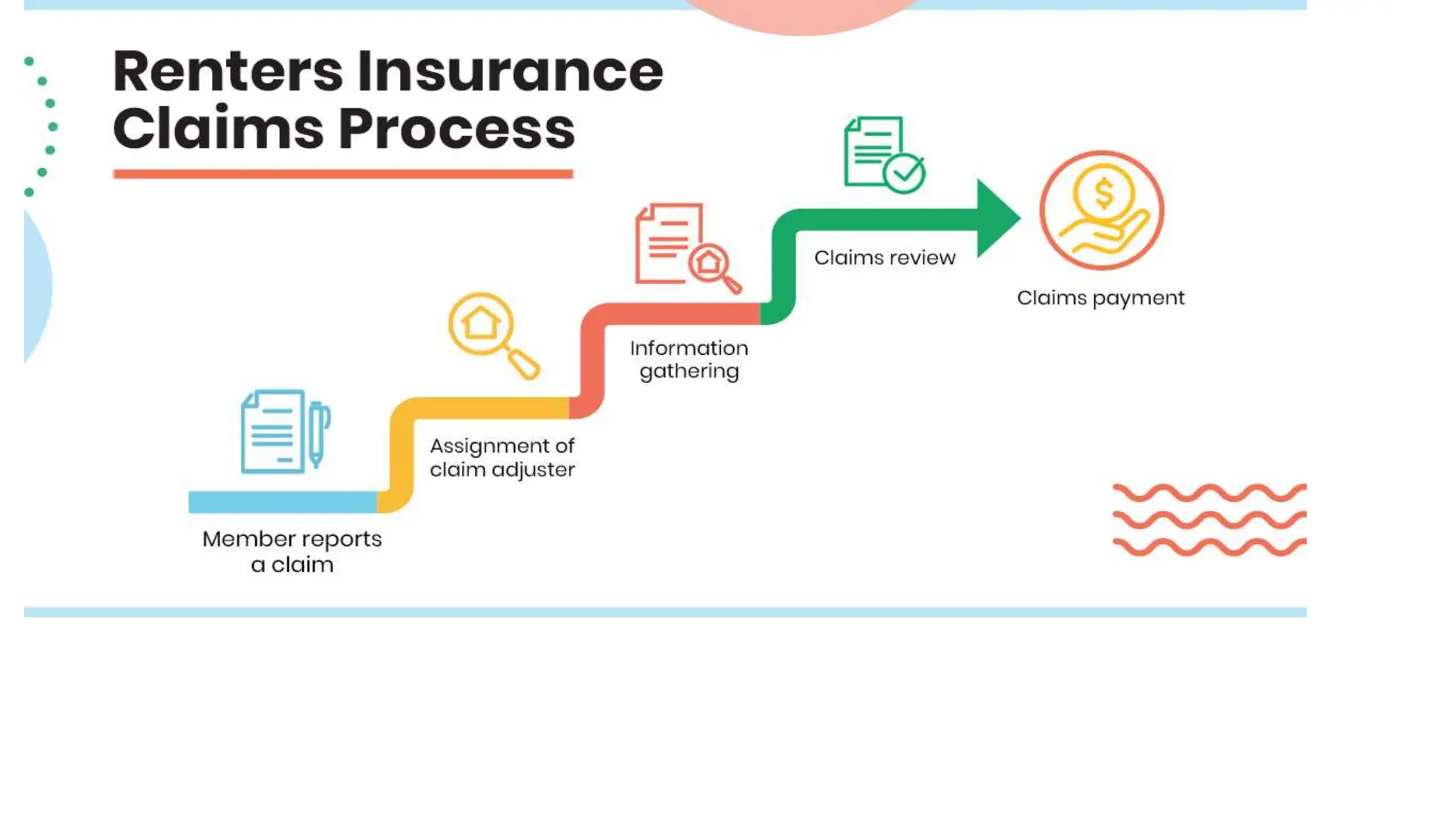
To understand why delays occur, you must first recognize the lifecycle of a standard claim. Once a loss is reported, the insurance company initiates an investigation. This includes verifying the policyholder's coverage status at the time of the incident, reviewing the police report if available, and assessing the damage to the vehicle.
If the accident involves another party, the insurer must perform a liability investigation. This often involves interviewing witnesses, reviewing dashcam footage, or waiting for municipal documents. If the insurer finds ambiguity regarding who was at fault, they may pause the settlement process to avoid paying a claim that might be legally defensible. Each of these steps requires coordination between departments that do not always operate in real-time, leading to gaps in communication.
Common Factors Contributing to Delays
Several structural and operational variables contribute to the frustration of a prolonged claim. Recognizing these factors can help you determine if your claim is genuinely stalled or simply moving through a standard, albeit slow, process.
- Complex Damage Assessment: If your vehicle sustained significant structural or internal damage, standard repair estimates become insufficient. Insurers may require supplemental reports from specialized mechanics or forensic engineers to determine if the car is a total loss or worth repairing.
- Third-Party Liability Disputes: If the other driver’s insurer disagrees with the fault assessment, the two companies may enter into subrogation or arbitration. This is a private process between insurers to settle financial responsibility, which can extend the timeline for your personal reimbursement by weeks or even months.
- High Claim Volume: During periods of severe weather, such as hurricanes or regional hailstorms, insurance companies face a massive influx of claims. This strains the available workforce of independent adjusters, causing a backlog that pushes individual claims further down the queue.
- Administrative Errors: Sometimes, delays are simply the result of human error—a missing document, an incorrectly filed form, or a communication breakdown between your agent and the claims department.
Investigating the Status of Your Claim
If your claim has exceeded the initial timeframe provided by your adjuster, you should take proactive, organized steps. The goal is to move from passive waiting to active documentation.
- Review Your Policy Documents: Your insurance contract dictates the legal framework for how quickly an insurer must respond. While state laws provide a general outer limit for acknowledging claims, your specific policy may have different service level expectations.
- Request a Detailed Timeline: Do not simply ask "why is this taking so long?" Instead, ask for a list of pending items. Specifically, inquire: "What is the specific milestone preventing the next stage of payment?"
- Document All Interactions: Keep a log of every phone call, email, and letter. Record the date, the name of the representative, and a summary of what was discussed. If the claim is ultimately denied or requires legal intervention, this log will be your most valuable piece of evidence.
- Escalate Within the Company: If your primary adjuster is unresponsive, reach out to their supervisor or the company’s "Consumer Advocate" or "Ombudsman" department. Large insurers typically have internal channels to address stalled claims that have moved beyond expected service windows.
Comparison of Claim Processing Timelines
The following table illustrates the typical progression of a claim and where bottlenecks frequently occur.
| Phase | Typical Duration | Potential Delay Causes |
|---|---|---|
| Initial Filing | 24–48 Hours | Missing policy details or incorrect contact info |
| Investigation | 7–14 Days | Police report delays, witness unavailability |
| Repair Estimation | 3–7 Days | Hidden damage, parts availability issues |
| Liability Decision | 14–30 Days | Disputes with other drivers or insurers |
| Settlement/Payout | 5–10 Days | Paperwork errors, lienholder requirements |
Regulatory Protections and Recourse
In the United States, insurance is regulated at the state level by the Department of Insurance (DOI). Each state has an Unfair Claims Settlement Practices Act. These laws prevent insurers from engaging in bad-faith tactics, such as failing to acknowledge communications promptly or failing to provide a reasonable explanation for a delay.
If you have exhausted internal company channels and believe your claim is being delayed in bad faith, you can file a formal complaint with your state’s DOI. This triggers an official inquiry, which often motivates the insurance company to prioritize your file. However, this should generally be viewed as a final step after you have documented the lack of responsiveness from the insurer directly.
Frequently Asked Questions
How long is a "reasonable" time for an insurer to respond? Most states require insurers to acknowledge a claim within 15 days of receiving notice. However, "acknowledgment" does not mean "resolution." A resolution timeline varies based on complexity but typically spans 30 to 60 days for straightforward claims.
Can I hire my own appraiser if the insurer’s estimate is too low? Yes. If you dispute the insurer’s valuation of your vehicle, many policies include an "Appraisal Clause." This allows you to hire an independent appraiser to provide a second opinion, which can then be used to negotiate a fairer settlement.
What happens if the other driver is uninsured? If you have Uninsured Motorist (UM) coverage, your own insurer handles the claim as if they were the other party’s insurer. While this can simplify the liability side, your own company will still be rigorous in verifying the accident details to prevent fraud.
Why does my claim status stay "pending" for weeks? "Pending" often indicates that the insurer is waiting for external information—such as a medical record, a police report, or a response from the other driver's insurance carrier. They are legally restricted from making a final decision until all necessary evidence is verified.
Will I be reimbursed for a rental car during this delay? Reimbursement depends on your policy endorsements. If you have "Rental Reimbursement" coverage, you are entitled to a rental for a specific period. If you do not have this coverage, you may have to pay out-of-pocket and seek reimbursement from the at-fault party's insurance if they accept liability.
Final Next Steps
If you find yourself in a protracted claim process, prioritize obtaining the specific name and direct contact information of your claims adjuster. Avoid relying on general customer service lines. If the delay is significant, send a formal request for an update via email to ensure there is a timestamped paper trail. By maintaining a firm, documented, and professional approach, you ensure that the insurer cannot claim that the silence on the file is the result of your inaction. If you suspect the delay violates state insurance regulations, consult your state's Department of Insurance website to learn how to submit a formal inquiry.
Image Gallery