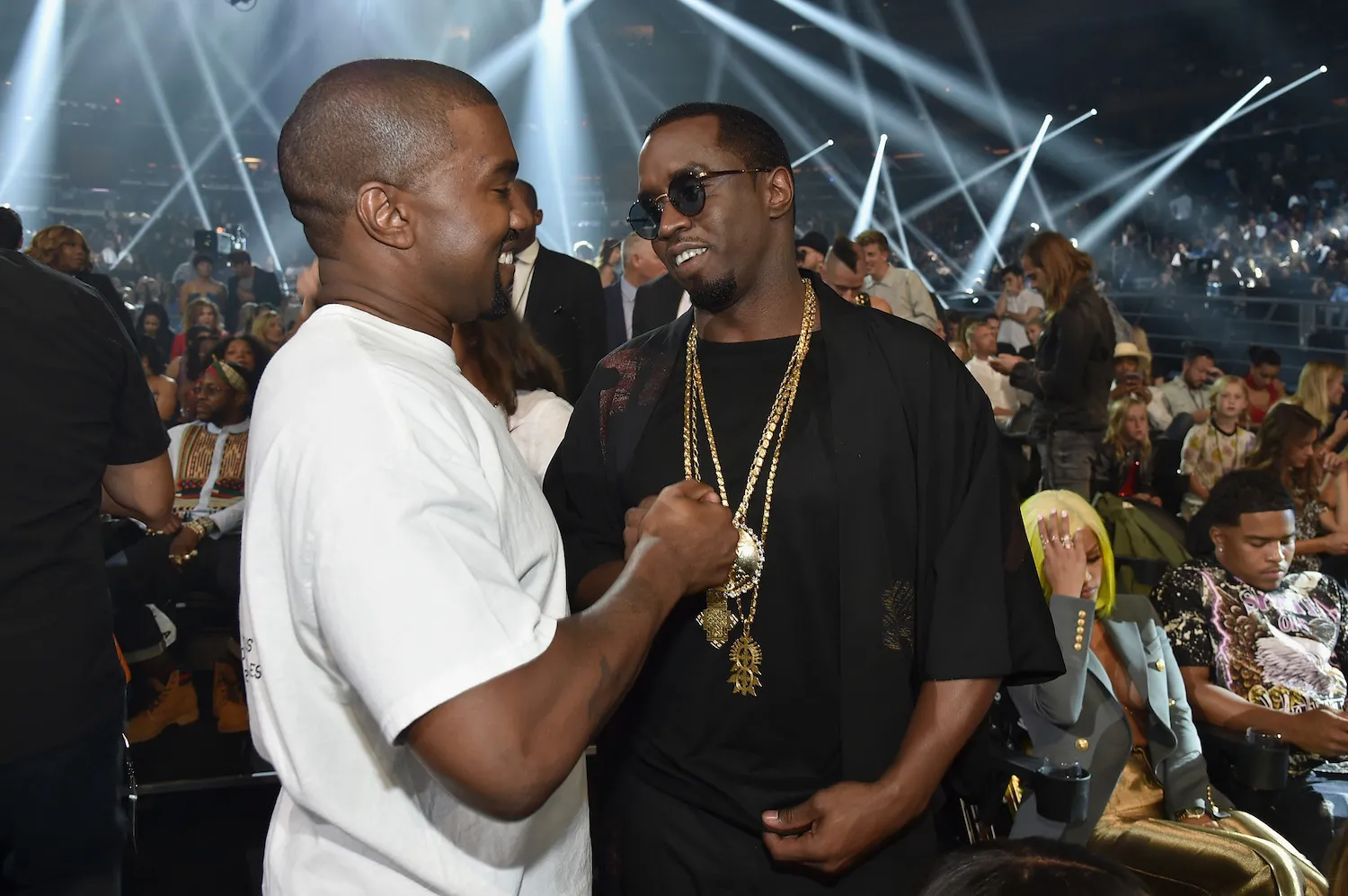
Why Diddy at the VMAs Matters: Cultural Impact, Historical Context, and Industry Significance
Sean "Diddy" Combs' presence, performances, and honors at the MTV Video Music Awards (VMAs) have historically served as a barometer for shifts in the music industry, television production, and celebrity culture. Understanding why Diddy...
Sean "Diddy" Combs' presence, performances, and honors at the MTV Video Music Awards (VMAs) have historically served as a barometer for shifts in the music industry, television production, and celebrity culture. Understanding why Diddy at the VMAs matters requires looking beyond a single red carpet appearance or musical medley to examine how an artist, producer, and mogul leveraged television’s premier youth-culture platform to shape hip-hop history, negotiate industry power, and command public attention over multiple decades.
Contents
The Intersection of Hip-Hop and Mainstream Television
The relationship between hip-hop culture and traditional televised award shows has not always been seamless. Throughout the late 1980s and early 1990s, major networks often marginalized rap music, relegating it to late-night slots or treating it as a transient fad rather than a dominant cultural force. As the founder of Bad Boy Records, Sean Combs recognized early on that visual media was essential for elevating hip-hop artists to global pop-superstar status.
When Diddy and his roster of artists took over the VMAs stage across the 1990s and 2000s, they forced mainstream television executives to accommodate hip-hop’s scale, aesthetic, and production values. These appearances mattered because they validated rap music as arena-filling, high-production entertainment. Diddy utilized the live television format not merely to promote a single track, but to project an empire-building ethos that combined fashion, luxury, and aggressive self-determination.
Transforming the Award Show Medley
Prior to the late 1990s, award show performances typically consisted of an artist singing a single current radio hit with standard backing tracks or a live band. Diddy helped revolutionize the format of the television medley by turning it into a theatrical narrative.
- Multi-Artist Collaborations: Diddy frequently brought out unexpected rosters of guest performers, blending East Coast and West Coast acts or bridging different generations of R&B and hip-hop.
- Cinematic Interludes: Performances were often framed by elaborate pre-taped sketches, custom costume changes, and pyrotechnics that mirrored blockbuster film trailers.
- Tribute Integration: His sets frequently honored fallen peers, such as the landmark 1997 tribute to The Notorious B.I.G., which transformed a standard television slot into an emotional national moment of remembrance.
These production choices set a new industry benchmark. Following these televised masterclasses, networks and competing artists recognized that standard lip-syncing or basic staging was no longer sufficient for the VMAs, permanently raising the creative bar for live television events.
The Evolution of the Bad Boy Records Era on Live Television
To understand the weight of Diddy’s VMA appearances, one must examine the chronological arc of his career and how each era manifested on the MTV stage. The table below outlines key phases of his involvement with the network and their broader industry implications.
| Era / Year Range | Primary Focus at VMAs | Industry & Cultural Significance |
|---|---|---|
| Mid-1990s | Breakthrough performances, launching Bad Boy acts (Faith Evans, 112, Total). | Established the label as a commercial powerhouse capable of dictating pop radio and visual aesthetics. |
| 1997 | The Notorious B.I.G. tribute alongside Sting and 112 ("I'll Be Missing You"). | Cemented hip-hop's emotional depth on mainstream television; demonstrated communal grief and solidarity on a global stage. |
| Early 2000s | Grand entrances, elaborate choreography, rebranding campaigns (P. Diddy, Diddy). | Showcased the plasticity of the hip-hop mogul persona, bridging street credibility with high-society luxury. |
| 2023 | Receiving the Global Icon Award and headlining a career-spanning retrospective. | Represented a retrospective validation of a 30-year career, highlighting endurance, executive longevity, and catalog ownership. |
The Mechanics of the VMA Global Icon Milestone
In 2023, Diddy received the MTV Video Music Awards Global Icon Award and delivered a sprawling, career-spanning performance that brought together various generations of artists he influenced or signed. This milestone mattered for several structural reasons within the modern music business:
- Catalog and Legacy Control: By taking the stage to perform a medley of hits spanning three decades, Diddy reinforced the value of independent catalog ownership and executive longevity in an industry notoriously quick to discard older acts.
- Generational Bridging: The performance featured contemporary artists alongside classic collaborators, providing a live demonstration of how 1990s production styles continue to inform modern trap and R&B production.
- Network Dynamics: Honoring a foundational hip-hop figure with a lifetime achievement award reflects MTV’s ongoing reliance on nostalgic programming to capture fragmented multi-generational audiences in the streaming era.
Critics and media analysts noted that such career retrospectives also serve complex public relations functions, particularly for legacy artists navigating shifting public reputations and evolving legal or professional scrutiny in subsequent years.
Common Misconceptions Regarding VMA Appearances
When examining high-profile celebrity appearances at major award shows, casual observers often misinterpret the motives and mechanics behind these events. Recognizing these nuances prevents oversimplification.
- Misconception: Artists are paid substantial fees by the network to perform their latest singles.
- Reality: Performers typically cover their own production, staging, and rehearsal costs for VMA slots, treating the broadcast as a high-stakes marketing investment to drive album sales, streaming numbers, and tour ticket demand.
- Misconception: Setlists and guest appearances are spontaneous improvisations.
- Reality: Every second of a major VMA medley is subjected to rigorous network standards, legal clearances, safety rehearsals, and corporate sponsorship alignment weeks in advance.
- Misconception: Award show honors guarantee permanent cultural immunity or commercial dominance.
- Reality: Industry accolades reflect a specific snapshot of historical contribution curated by network producers and committee boards, rather than a permanent shield against changing consumer tastes or external controversies.
Frequently Asked Questions
Why are Diddy’s VMA performances considered historical milestones?
Diddy’s performances transformed standard television promotional slots into cinematic, multi-artist narratives. By introducing elaborate production designs, unexpected collaborations, and emotional tributes—such as the 1997 tribute to The Notorious B.I.G.—he set a new standard for live televised entertainment that forced networks to treat hip-hop with prime-time production budgets.
How did Diddy use the VMAs to build the Bad Boy Records brand?
Throughout the 1990s and 2000s, Diddy treated the VMA red carpet and stage as a corporate billboard for Bad Boy Records. By flanking himself with his roster of artists, producers, and fashion designers, he visually communicated an integrated lifestyle empire that extended far beyond recorded music into fashion, lifestyle, and media.
What is the significance of the MTV Global Icon Award?
The Global Icon Award recognizes artists whose careers have had a profound, lasting impact on global music culture and television history. For Diddy, receiving this honor in 2023 marked a formal institutional acknowledgment of his three-decade transition from an A&R executive and producer to a foundational pillar of modern pop culture.
Do artists get compensated for performing at the VMAs?
No. Mainstream television networks typically do not pay performance fees to established artists for award show appearances. Instead, artists view the broadcast as an invaluable marketing platform to premiere new music, boost streaming metrics, and maintain cultural relevance in front of millions of live viewers.
How have industry standards for live television medleys changed since Diddy’s peak performances?
The bar for live award show production rose significantly due to the scale of mid-90s and 2000s hip-hop takeovers. Networks now expect high-concept storytelling, seamless costume changes, and curated guest spots as baseline requirements for major musical segments, reducing the prevalence of simple, unadorned vocal performances.
Conclusion and Next Actions
Examining why Diddy at the VMAs matters requires acknowledging the complex intersection of television production, corporate branding, and hip-hop history. These appearances were never isolated musical interludes; they were calculated exercises in industry positioning that demonstrated how an executive and performer could command the world's largest youth-culture platforms. For students of media studies, music industry executives, and pop-culture historians, analyzing these televised milestones offers a clear view of how television and hip-hop culture mutually shaped one another over the past thirty years. To explore this topic further, review historical broadcast archives of 1990s award shows or examine academic analyses regarding the commercialization of hip-hop on American television.
Image Gallery