Verifying Verizon Fios Area Availability in 2026: Coverage Maps, Infrastructure, and Connection Standards
Navigating broadband availability requires precise geographical verification, especially as fiber-optic networks continue to expand across the Northeastern and Mid-Atlantic United States. For residents and business owners trying to det...
Navigating broadband availability requires precise geographical verification, especially as fiber-optic networks continue to expand across the Northeastern and Mid-Atlantic United States. For residents and business owners trying to determine if Verizon Fios services their specific street address in 2026, standard broad-stroke coverage maps are rarely sufficient. Fiber deployment operates on a block-by-block, premise-by-premise infrastructure model. This comprehensive technical guide analyzes how Fios area availability is determined, the underlying fiber-to-the-premise (FTTP) architecture, and the precise steps required to check service access at your exact location.
Contents
Understanding Fios Infrastructure and Regional Footprint
Verizon Fios relies entirely on a Fiber-to-the-Premise (FTTP) network architecture. Unlike hybrid fiber-coaxial (HFC) systems used by traditional cable providers—which use fiber for the trunk lines and coaxial copper for the final drop into a home—Fios pushes pure glass fiber directly to an Optical Network Terminal (ONT) installed on or inside the subscriber's building.
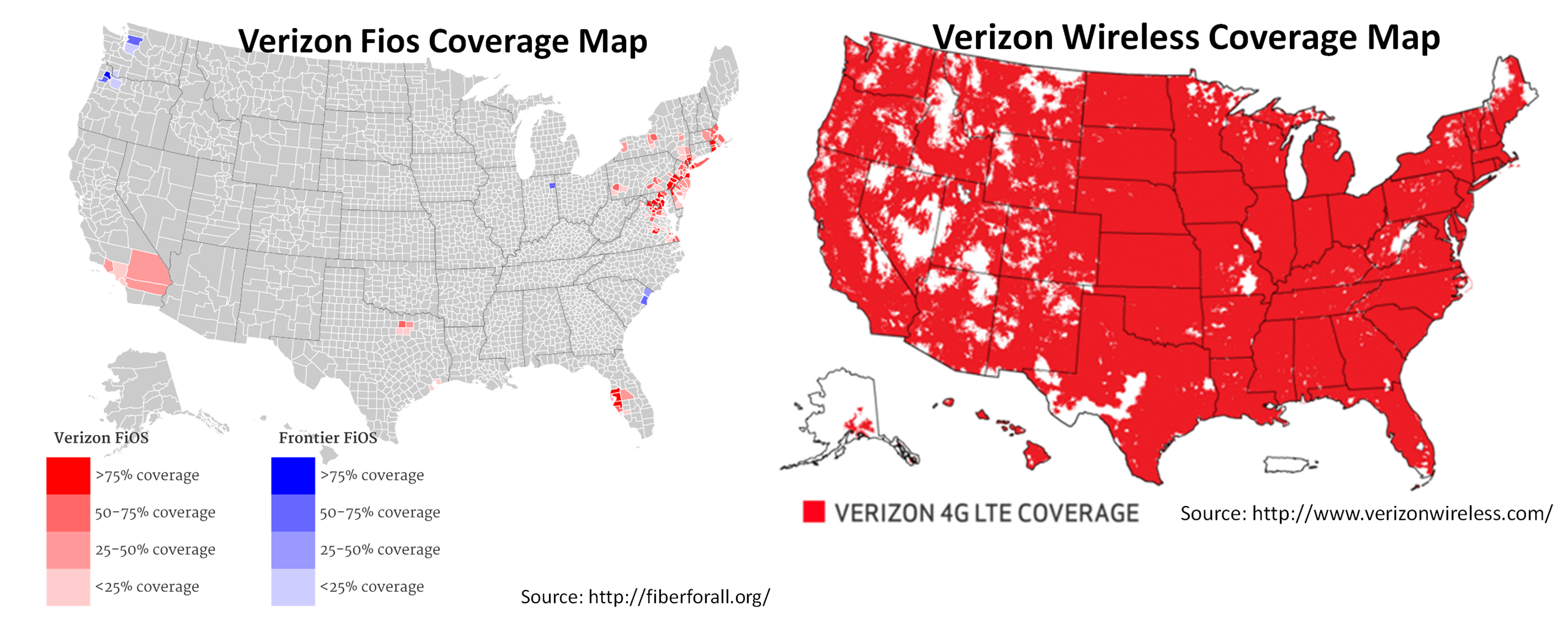
The geographic footprint of Fios remains concentrated primarily in specific urban, suburban, and select rural corridors across nine states and the District of Columbia. Understanding this footprint prevents wasted time searching for coverage outside the designated operational territories.
Core Operating Territories: Verizon Fios infrastructure is exclusively built out within select counties and municipalities across New York, New Jersey, Pennsylvania, Massachusetts, Rhode Island, Maryland, Delaware, Virginia, and Washington, D.C. If your property is located outside these Mid-Atlantic and Northeast states, direct Fios fiber service is unavailable, though Verizon may offer alternative 5G Home Internet solutions.
Because fiber deployment requires municipal franchise agreements, utility pole attachment rights, and heavy capital expenditure for underground or aerial trenching, availability can vary dramatically even within the same zip code or apartment complex. One side of a street may be fully wired with active fiber terminals, while the opposite side falls under a different utility franchise or unbuilt territory.
Technical Requirements for Fios Fiber Connectivity
Before confirming availability, property owners and tenants must understand the physical infrastructure prerequisites that dictate whether a building can successfully receive a Fios connection.
- Aerial vs. Underground Drops: Depending on local zoning and utility engineering, the fiber optic cable must run either from an aerial utility pole to your roofline or through underground conduits directly into the utility room.
- Optical Network Terminal (ONT) Placement: Fios requires an active electrical power source near the entry point of the fiber line to power the ONT, which converts incoming light pulses into Ethernet signals. Properties lacking accessible electrical outlets near the utility entry point may require preliminary electrical work.
- Multi-Dwelling Unit (MDU) Wiring: For apartment buildings, condominiums, and commercial high-rises, availability depends entirely on whether the property management has executed a Right-of-Entry (ROE) agreement and allowed Verizon technicians to wire the vertical risers and distribution panels throughout the building.
Step-by-Step Guide to Verifying Address Availability
Checking your precise geographic availability requires systematic validation through official channels rather than reliance on third-party aggregator sites. Follow this procedure to verify your service eligibility accurately:
- Gather Exact Property Metadata: Ensure you have the exact, USPS-verified street address, including unit, apartment, or suite numbers. Minor discrepancies in street suffixes (such as "Road" versus "Lane") can cause automated database errors.
- Utilize the Official Carrier Portal: Navigate directly to the official Verizon Fios availability checker tool. Avoid generic telecom comparison portals, as their databases often lag behind real-time infrastructure updates by several months.
- Execute a Premise-Specific Address Lookup: Input your complete street address and zip code into the portal. The system queries a live Geographic Information System (GIS) database mapped directly to fiber distribution terminals (FDTs) and splitter cabinets in your neighborhood.
- Evaluate Service Tier Eligibility: Review the results page. If fiber is available, the system will display specific symmetrical multi-gigabit speeds (such as 300 Mbps, 500 Mbps, 1 Gig, or 2 Gig plans). If only lower tiers or 5G home internet appear, your exact address may be outside the direct FTTP footprint.
- Submit a Construction Ticket for Unserved Premises: If your neighbors have Fios but your specific newly constructed home or subdivided unit returns an unavailable status, request a manual engineering review through Verizon customer support to trigger a plant extension survey.
Comparative Breakdown: Fios vs. Alternative Broadband Technologies
When evaluating your internet options based on area availability, it is vital to contrast fiber optics with alternative infrastructure models commonly found in Verizon territories.
| Broadband Technology | Infrastructure Medium | Symmetrical Speeds | Latency Benchmark | Weather/Electrical Susceptibility |
|---|---|---|---|---|
| Verizon Fios (FTTP) | 100% Pure Fiber-Optic Glass | Yes (e.g., 940 Mbps Up / 940 Mbps Down) | Ultra-Low (Under 5ms) | Immune to electromagnetic interference; requires local power at ONT. |
| Traditional Cable (HFC) | Coaxial Copper + Fiber Trunk | No (Asymmetrical, e.g., 1000 Mbps Down / 35 Mbps Up) | Low (10ms - 20ms) | Susceptible to signal degradation from aging copper splitters and node congestion. |
| Verizon 5G Home Internet | Cellular Millimeter Wave / C-Band | No (Asymmetrical, variable by tower distance) | Moderate (15ms - 35ms) | Subject to environmental blockage (trees, heavy rain) and tower traffic load. |
| DSL / Copper Wire | Legacy Telephone Twisted-Pair | Extremely Limited (Usually under 15 Mbps) | High (40ms+) | Highly sensitive to line distance from central office and weather corrosion. |
Addressing Edge Cases: New Construction and MDU Challenges
Property developers, new homeowners, and tenants in multi-family complexes frequently encounter unique availability roadblocks. Addressing these requires targeted technical troubleshooting:
- New Developments and Subdivisions: If a housing development was built after the initial regional fiber rollout, developers must coordinate with Verizon’s Real Estate department during the blueprint phase. Without pre-trenching agreements, getting fiber extended can take months.
- Apartment Complex Lock-ins: Landlords may sign exclusive marketing or wiring agreements with competing cable providers (such as Optimum, Spectrum, or Comcast Xfinity). If your building lacks a Verizon ROE agreement, individual tenants cannot independently order Fios, regardless of whether a fiber line runs directly past the sidewalk outside.
- Split-Lot and ADU Properties: Accessory Dwelling Units (ADUs) or carriage houses built on an existing residential lot often fail automated online availability checks because they share a primary parcel tax ID. These properties require manual dispatch of a Verizon network technician to establish a secondary drop terminal.
Frequently Asked Questions Regarding Fios Availability
How can I check if Fios is available at my specific address?
You can verify live availability by visiting the official Verizon website and entering your complete, USPS-validated street address into their fiber availability tool. This queries live local network maps tied directly to neighborhood optical splitters.
What should I do if my neighbors have Fios, but my address shows unavailable?
Contact Verizon customer support to request a manual premise audit or engineering ticket. This discrepancy often occurs with newly subdivided properties, new construction, or database entry errors regarding apartment unit numbers.
Is Verizon Fios available in rural areas?
Verizon Fios availability is primarily concentrated in densely populated urban and suburban markets across the Northeast and Mid-Atlantic. Rural deployments are rare, though Verizon often services those regions with alternative 5G Home Internet or LTE broadband solutions.
Can I get Fios if I live in an apartment building?
Fios availability in apartment buildings depends entirely on whether the property management has granted Verizon a Right-of-Entry agreement and permitted the installation of internal fiber distribution wiring. Check with your landlord or building superintendent before ordering.
Does Verizon Fios require a landline phone connection?
No. Verizon Fios is delivered over standalone fiber-optic infrastructure that operates independently of traditional copper telephone lines. You can purchase internet-only plans without bundling home phone or television services.
Optimizing Your Broadband Selection
Verifying Fios area availability is the foundational step toward securing high-performance, symmetrical broadband connectivity. Because fiber architecture provides unmatched reliability, zero data caps, and identical upload and download speeds, confirming your exact premise eligibility pays immediate dividends in network performance. Verify your address through official portals today, and if fiber is live at your location, transition your home network to gigabit-class optical infrastructure to future-proof your digital operations.
Image Gallery