Why Michael Madsen’s Portrayal of Budd in Kill Bill Remains Essential Cinema
Michael Madsen’s performance as Budd in Kill Bill: Vol. 2 is essential because he serves as the emotional and thematic anchor of the duology, providing a grounded, tragic contrast to the stylized hyper-violence of the first volume. As...
Michael Madsen’s performance as Budd in Kill Bill: Vol. 2 is essential because he serves as the emotional and thematic anchor of the duology, providing a grounded, tragic contrast to the stylized hyper-violence of the first volume. As the only antagonist to truly defeat Beatrix Kiddo through pragmatism and grit, Madsen’s Budd deconstructs the "assassin" archetype, replacing cinematic glamour with the sobering reality of regret and professional decline.
Contents
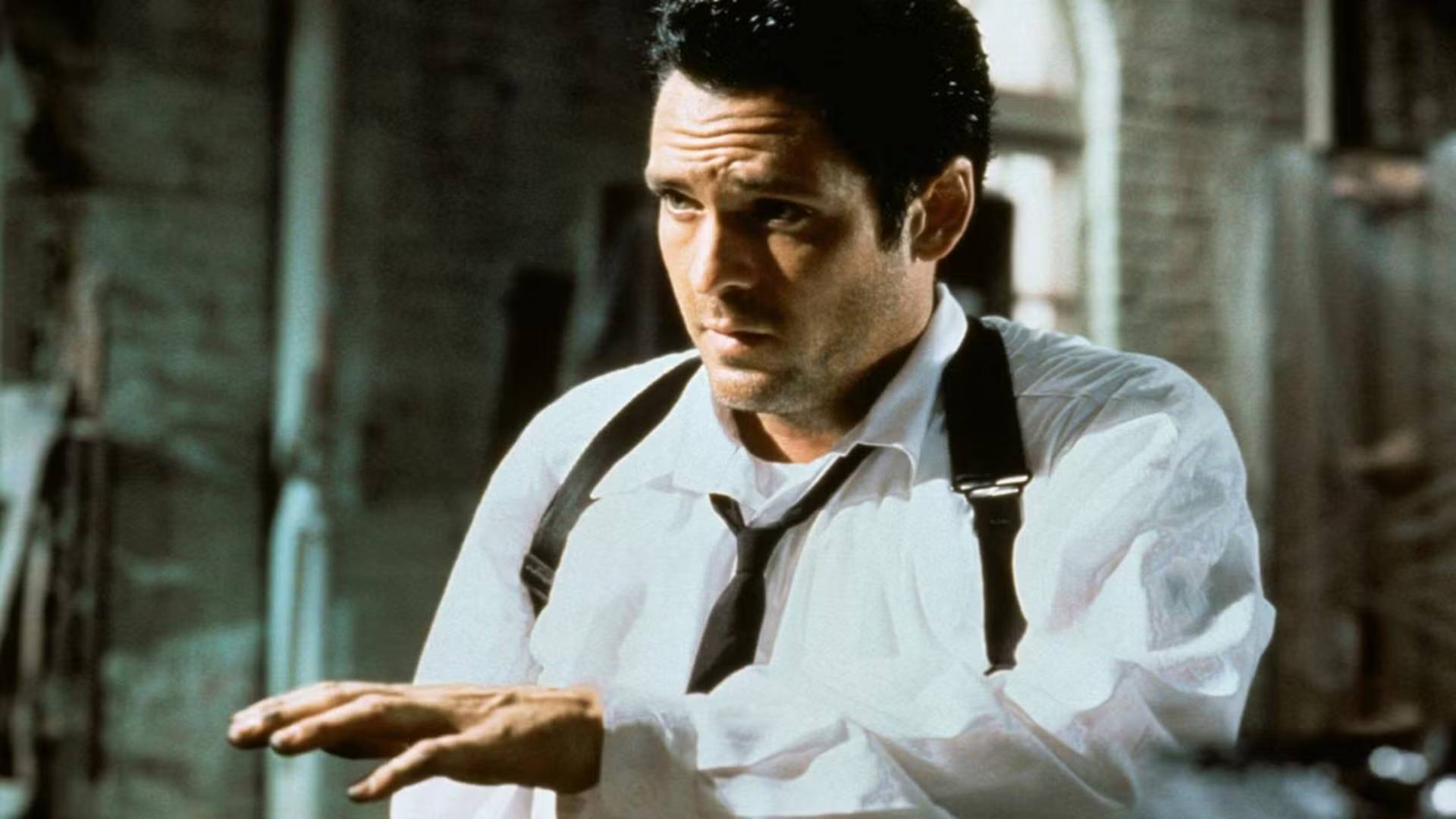
In the landscape of 21st-century cinema, few character arcs carry the weight of Michael Madsen’s portrayal of Budd, the younger brother of the titular Bill. While Kill Bill: Vol. 1 is an operatic explosion of color, martial arts, and high-octane revenge, Vol. 2 shifts the lens toward the psychological and the mundane. Central to this shift is Madsen, whose performance remains a masterclass in the "laconic cool" that Quentin Tarantino frequently utilizes, yet here it is infused with a unique sense of mid-life rot and moral exhaustion.
As we look back from 2026, over two decades since the film's release, the character of Budd stands out not just as a villain, but as a critical narrative pivot point that elevates the entire Kill Bill saga from a mere genre exercise into a profound exploration of consequence.
The Re-emergence of the Tarantino-Madsen Alchemy
To understand why Madsen matters in Kill Bill, one must first acknowledge his history with Quentin Tarantino. Madsen first became a cinematic icon as Mr. Blonde (Vic Vega) in Reservoir Dogs (1992). That role established him as a terrifyingly calm, sadistic presence. When Tarantino cast him as Budd, he was playing with the audience's expectations.
Unlike the sharp-suited, razor-wielding psychopath of Reservoir Dogs, Budd is introduced as a broken man living in a dilapidated trailer in the middle of the desert. This meta-textual connection is vital; Madsen’s presence reminds the audience of the "cool" killer archetype, only to show them the logical, depressing end of that lifestyle. By casting Madsen, Tarantino wasn’t just hiring an actor; he was utilizing a specific cinematic shorthand for a certain type of American masculinity that is both dangerous and deeply damaged.
The Pragmatic Antagonist: Defeating the Bride
One of the most significant reasons Michael Madsen’s role is so impactful is that he is the only member of the Deadly Viper Assassination Squad (DiVAS) who successfully "defeats" the Bride in a direct confrontation. O-Ren Ishii met her in a grand, snowy garden with swords; Vernita Green fought her in a suburban kitchen. Both relied on the aesthetics of the "warrior."
Budd, conversely, ignores the theatricality. He anticipates her arrival, waits in the dark with a shotgun loaded with rock salt, and blasts her the moment she enters his trailer. This moment is crucial because it strips away the "superhero" invincibility of Beatrix Kiddo. Madsen plays this scene not with the glee of a victor, but with the weary efficiency of a man clearing a pest. His refusal to engage in a sword fight—claiming he pawned his Hatori Hanzo blade for $250—is the ultimate insult to the martial arts genre tropes the film otherwise celebrates. It emphasizes that in the "real world" of the film’s second half, survival beats style.
The Humanization of Evil
While the other villains in Kill Bill are often defined by their skill sets or their aesthetic flair, Budd is defined by his misery. Madsen’s performance captures the "blue-collar" reality of being a retired high-level assassin. We see him being berated by a cruel boss at a strip club, cleaning out clogged toilets, and being told he is "worthless."
This humanization is what makes the character matter. He isn't a cartoonish evil; he is a man who knows his "party" is over. His line to Bill, "That woman deserves her revenge... and we deserve to die," is perhaps the most honest sentence spoken in the entire four-hour epic. Madsen delivers it with a gravelly resignation that validates the Bride's quest while acknowledging his own complicity. He provides the moral clarity that Bill avoids through philosophical rambling.
Comparison of the Deadly Viper Assassination Squad (DiVAS)
The following table illustrates how Budd differs from his contemporaries in the DiVAS, highlighting why Madsen's character provides a necessary narrative contrast.
| Character | Primary Motivation | Setting/Vibe | Manner of Confrontation | Significance to Theme |
|---|---|---|---|---|
| O-Ren Ishii | Power/Legacy | Grand Japanese Estate | Formal Katana Duel | Represents the peak of martial arts hierarchy. |
| Vernita Green | Domesticity/Fear | Suburban Home | Scrambled Kitchen Fight | Represents the attempt to hide from the past. |
| Elle Driver | Envy/Cruelty | High-End Trailer/Hospital | Vicious Brawling | Represents the pure, unredeemable malice of the craft. |
| Budd | Regret/Survival | Desert Trailer/Strip Club | Pragmatic Ambush | Represents the rot and moral consequence of a life of violence. |
| Bill | Paternalism/Control | Mexican Villa | Philosophical Duel | Represents the source and ultimate end of the cycle. |
The Technicality of Madsen's Performance
From a technical acting perspective, Madsen’s work in Kill Bill: Vol. 2 is a study in stillness. In an era (the early 2000s) where villains were often loud or eccentric, Madsen went the other way. He uses his voice—a low, whiskey-soaked rumble—to convey a lifetime of cigarettes and secrets.
His physical presence is also a key factor. Madsen is a large man, but as Budd, he carries his weight with a slumping defeat. The way he handles the Hanzo sword later in the film—not with reverence, but as a tool—shows a deep understanding of the character’s internal world. He doesn't care about the "legend" of the sword; he cares about the fact that he is still alive while his friends are dead. This "lived-in" quality is what makes the scenes in the desert trailer so claustrophobic and effective.
The "Black Mamba" Irony: A Tragic Exit
The death of Budd is one of the most ironic moments in the film. After surviving the Bride's onslaught through sheer pragmatism, he is killed by a snake hidden in a suitcase of money by Elle Driver. This matters because it highlights that Budd's downfall wasn't a lack of skill, but a misplaced trust in the "old code" of his peers.
Madsen’s reaction to the snake bite—the twitching, the gasping, the slow realization that he has been betrayed by the very world he tried to leave behind—is visceral. It serves as a reminder that in Tarantino’s universe, no one gets a "clean" exit. Even the man who was smart enough to shoot the Bride with rock salt wasn't cynical enough to check the money for a venomous reptile.
Impact on the Audience and the Genre
Michael Madsen’s Budd matters because he forces the audience to sit with the discomfort of the villains' humanity. When Beatrix is buried alive by Budd, the terror isn't just the physical situation; it's the fact that she was bested by a man who looks like he hasn't showered in a week and hates his life. It removes the "fun" from the revenge for a significant portion of the movie, making the eventual climax with Bill feel more earned and somber.
Furthermore, Madsen’s performance influenced a generation of "grungy" antagonists in neo-Westerns and crime dramas. He proved that a villain could be both a loser and a threat, a combination that adds layers of tension that a traditional "boss fight" lacks.
Frequently Asked Questions
Why didn't Budd just kill the Bride when he had the chance?
Budd chose to bury her alive rather than shooting her in the head because he wanted her to suffer, but more importantly, he didn't want to be the one to "finish" it. By burying her, he could pass the responsibility to the earth itself, a reflection of his desire to wash his hands of the entire affair. His conversation with Bill suggests he felt the weight of their past sins and perhaps felt that a quick death was too good—or perhaps he simply wanted the $1 million from Elle without the mess of a corpse in his trailer.
Was the sword Budd pawned actually his Hanzo sword?
While Budd tells Bill he pawned the Hatori Hanzo sword for $250, it is later revealed during the fight between Beatrix and Elle that he had kept it. He had "Budd" inscribed on the blade. This lie to Bill is a crucial character detail—it shows that Budd was trying to distance himself from his brother and their shared history, even while he couldn't bring himself to actually part with the ultimate symbol of his former life.
What does the "rock salt" scene signify?
The use of rock salt is a highly pragmatic, non-lethal (at least initially) way to incapacitate an opponent. It signifies Budd’s rejection of the "warrior's code." He isn't interested in a fair fight or the "way of the samurai"; he is interested in winning. This scene sets the tone for Vol. 2 as a deconstruction of the myths established in Vol. 1.
How does Michael Madsen’s performance differ from his role in Reservoir Dogs?
In Reservoir Dogs, Madsen plays Mr. Blonde as a man who enjoys violence—it’s a performance of psychopathic joy. In Kill Bill, his portrayal of Budd is the opposite; violence is a chore, a burden, and a source of misery. It is the evolution of a killer from a young, arrogant sadist to a tired, aging man who sees his past catching up to him.
Recommendations for Further Viewing
To fully appreciate the depth Madsen brings to Kill Bill, viewers should consider the following steps to contextualize his performance:
- Watch Reservoir Dogs (1992): Observe the "origin" of the Madsen/Tarantino persona to see how Budd is a deliberate subversion of Mr. Blonde.
- Analyze the "Hat Scene" in Vol. 2: Pay close attention to the scene where Budd’s boss, Larry, makes him take off his hat. It is a masterclass in showing a powerful man being humiliated, which fuels the "nothing to lose" energy of his later scenes.
- Read "Quentin Tarantino: The Iconic Filmmaker and His Work" by Ian Nathan: This provides deeper insight into how Tarantino writes specifically for Madsen’s unique cadence and physical presence.
Michael Madsen’s contribution to Kill Bill is the "soul" of the second volume. Without his weary, grounded presence, the film might have remained a stylistic exercise. Because of him, it became a tragedy about the high cost of a life lived by the sword.
Image Gallery