The Reality Behind Ryan Dunn Autopsy Photos and Public Digital Morbid Curiosity in 2026
The search query surrounding Ryan Dunn autopsy photos represents a classic intersection of celebrity tragedy, digital morbid curiosity, and modern internet archiving practices. As we navigate the information landscape of 2026, the trag...
The search query surrounding Ryan Dunn autopsy photos represents a classic intersection of celebrity tragedy, digital morbid curiosity, and modern internet archiving practices. As we navigate the information landscape of 2026, the tragic June 2011 death of the beloved Jackass star remains a subject of occasional online inquiry, driven largely by misinformation, algorithmic recycling, and rumors regarding leaked law enforcement imagery.
Contents
Understanding the factual reality of these searches requires separating verified public records from the pervasive mythologies of the dark web and social media fabrication. This comprehensive review examines the actual public documentation surrounding the accident, the legal and ethical frameworks governing celebrity post-mortem privacy, and the psychological drivers behind the ongoing search for graphic media.
The Tragic 2011 Incident: Fact vs. Fiction
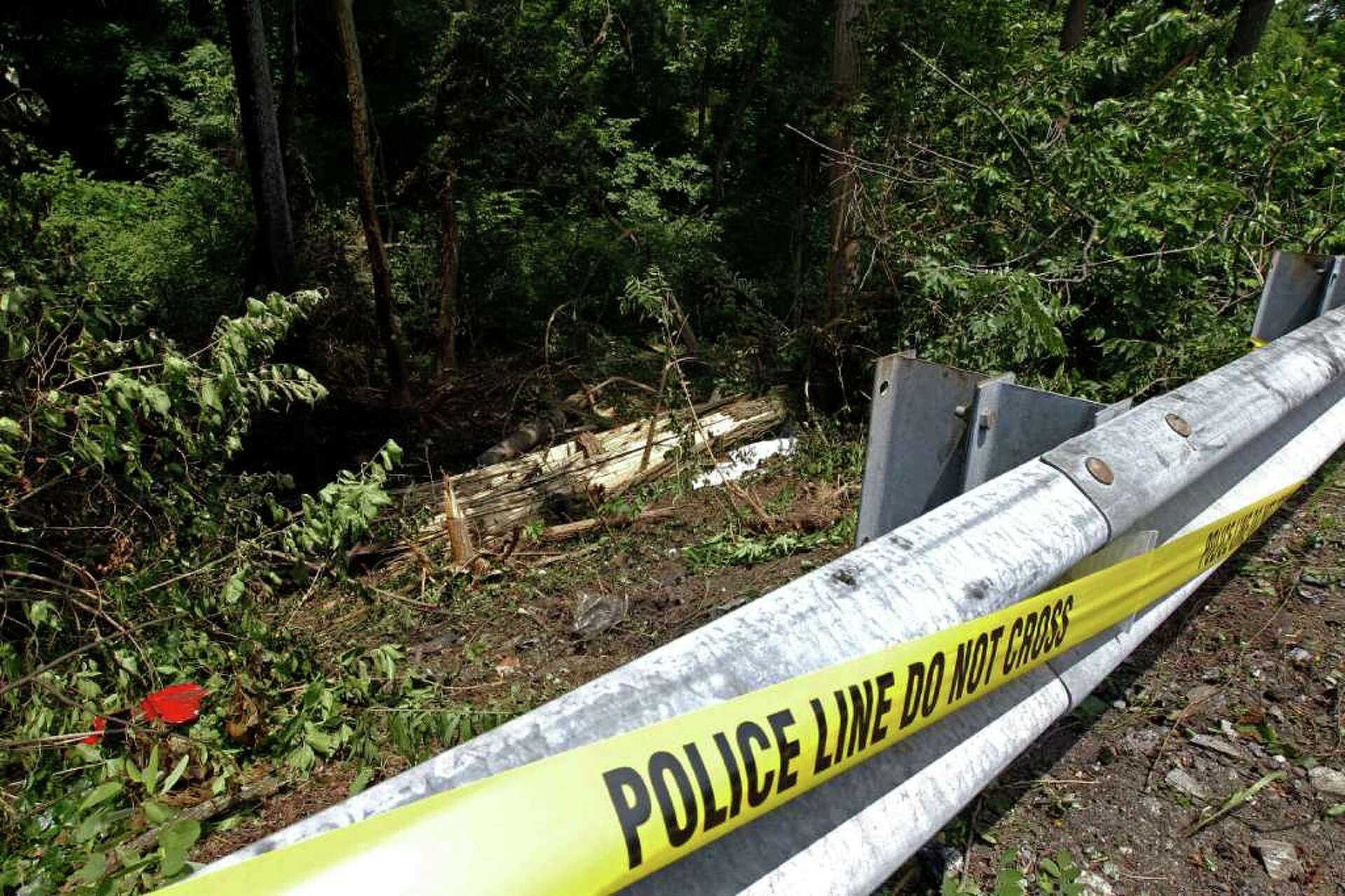
On June 20, 2011, Ryan Dunn and production assistant Zachary Hartwell lost their lives in a high-speed single-vehicle crash in West Goshen Township, Pennsylvania. The incident sent shockwaves through the entertainment industry and legions of fans worldwide. In the immediate aftermath and the years following, rumors persistently circulated regarding the existence and alleged online availability of autopsy or crash scene photographs.
To clarify the factual record, official policy and jurisdictional protocols strictly govern post-mortem records in Pennsylvania. The Chester County Coroner's Office and local law enforcement handled the investigation. Publicly released documents consisted solely of official investigative reports, toxicology findings, and the official accident reconstruction summary.
| Record Type | Official Status | Public Accessibility |
|---|---|---|
| Accident Reconstruction Report | Released by West Goshen Police Department | Fully Public / Freedom of Information Act Compliant |
| Toxicology Report | Completed by Chester County Coroner | Public Summary Released (Blood Alcohol Concentration noted at 0.196%) |
| Autopsy Report | Performed by Forensic Pathologist | Restricted / Confidential under Pennsylvania Law |
| Autopsy / Crime Scene Photos | Law Enforcement / Medical Examiner Files | Strictly Confidential / Protected from Public Release |
Official autopsy photographs of Ryan Dunn have never been legally released to the public. Any imagery purporting to show Dunn's physical remains post-accident falls into one of two categories: entirely fabricated digital manipulations, or graphic images stolen from unrelated traffic fatalities and falsely labeled to exploit high search volumes for clickbait and ad revenue.
Digital Archiving, Scams, and the Malware Threat
The persistent demand for illicit celebrity imagery creates a lucrative environment for malicious actors. In 2026, search engines and cybersecurity firms continue to flag queries related to celebrity post-mortem media as high-risk vectors for malware, phishing scams, and digital exploitation.
When users search for restricted terms, they frequently encounter deceptive landing pages designed to harvest personal data or inject malicious payloads. Understanding the anatomy of these online traps helps safeguard digital literacy:
- Clickbait Phishing Links: Sites promising "exclusive leaked photos" frequently redirect users to fake verification portals demanding credit card details or personal identification under the guise of age-verification.
- Malvertising Networks: Unverified forums and video-sharing platforms host fake download links that install spyware, ransomware, or adware onto consumer devices.
- Deepfakes and AI-Generated Hoaxes: Advanced generative tools allow bad actors to fabricate realistic-looking imagery or video simulations, capitalizing on historical events to drive traffic to monetized blogs.
Security Advisory: Law enforcement agencies and digital safety advocates emphasize that clicking on unverified links promising graphic celebrity content exposes users to severe cybersecurity vulnerabilities. Authentic investigative files of this nature remain strictly within secure government archives and are legally shielded from public distribution.
The Ethics of Post-Mortem Privacy and Celebrity Status
The desire to view graphic imagery of a deceased public figure raises significant ethical and legal questions. Unlike historical figures whose likenesses enter the public domain after centuries, contemporary celebrities and private citizens retain rights regarding their dignity and post-mortem privacy, governed by state statutes and family consent.
In Pennsylvania and across the United States, privacy laws generally protect the immediate family from the non-consensual dissemination of graphic autopsy records. The publication of such material violates ethical journalistic standards and inflicts secondary trauma upon surviving family members and friends.
Legal Protections Governing Autopsy Images
- Statutory Restrictions: State laws classify medical examiner and coroner photographs as confidential investigative records, prohibiting their release to unauthorized individuals.
- Common Law Privacy: Families retain a protected privacy interest in the physical remains and death images of their deceased relatives, shielding them from sensationalist exploitation.
- Platform Trust and Safety Policies: Major search engines and social media networks actively de-index and penalize websites that host or promote non-consensual graphic death imagery, classifying it as harmful or abusive content.
Psychological Drivers of Morbid Curiosity
From a psychological perspective, the impulse to search for tragic documentation is a well-documented phenomenon. Psychologists and media scholars note that morbid curiosity often spikes around sudden, high-profile accidental deaths.
Several factors contribute to this behavior:
- The Search for Closure: Fans struggling to reconcile the sudden loss of a vibrant personality sometimes seek definitive proof to process the finality of the event.
- Denial and Conspiracy: The abruptness of high-speed transit tragedies can fuel irrational skepticism, driving individuals to look for alternative narratives or hidden evidence.
- Algorithmic Reinforcement: Recommendation engines and search autocomplete features frequently resurface historic queries, keeping decades-old tragedies visible to younger generations discovering the content for the first time.
Frequently Asked Questions
Are real autopsy photos of Ryan Dunn available online?
No. Official autopsy photographs of Ryan Dunn are strictly confidential government records and have never been legally released to the public. Any images claiming to be authentic are either fabrications, AI-generated hoaxes, or unrelated accident photos used for clickbait.
What did the official toxicology report reveal about the crash?
The Chester County Coroner's Office released a toxicology report indicating that Ryan Dunn had a blood alcohol concentration (BAC) of 0.196% at the time of the crash, well above the legal driving limit in Pennsylvania.
Why do search results still suggest queries for graphic content?
Search autocomplete algorithms capture historical aggregate user behavior. Because millions of people searched for information following the 2011 accident, the terms remain indexed, prompting algorithms to suggest them despite the lack of new or legitimate content.
Is it illegal to view or share leaked celebrity death photos?
While viewing certain online content may not always carry direct legal penalties for the end user, distributing non-consensual graphic imagery, copyrighted medical records, or stolen police files violates state privacy laws and platform terms of service.
How can users avoid malware when researching historical celebrity accidents?
Users should rely strictly on verified, reputable news outlets, official government statements, and established biographical archives while avoiding unverified forums, social media links promising "leaked" media, and suspicious third-party video sites.
Conclusion
The enduring public interest in Ryan Dunn reflects the lasting impact of his work on television and film, balanced against the unfortunate reality of a fatal preventable accident. While digital curiosity remains a natural human response to sudden tragedy, distinguishing between verified public journalism and exploitative online scams is essential. Respecting the privacy of the deceased and their surviving loved ones aligns with both ethical standards and digital safety best practices in 2026.
Image Gallery