Essential Framework and Sample Cloud Computing Security Policy for 2026
A comprehensive cloud computing security policy is a formalized set of rules, procedures, and technical requirements designed to protect an organization’s data and infrastructure within cloud environments. It defines the shared respons...
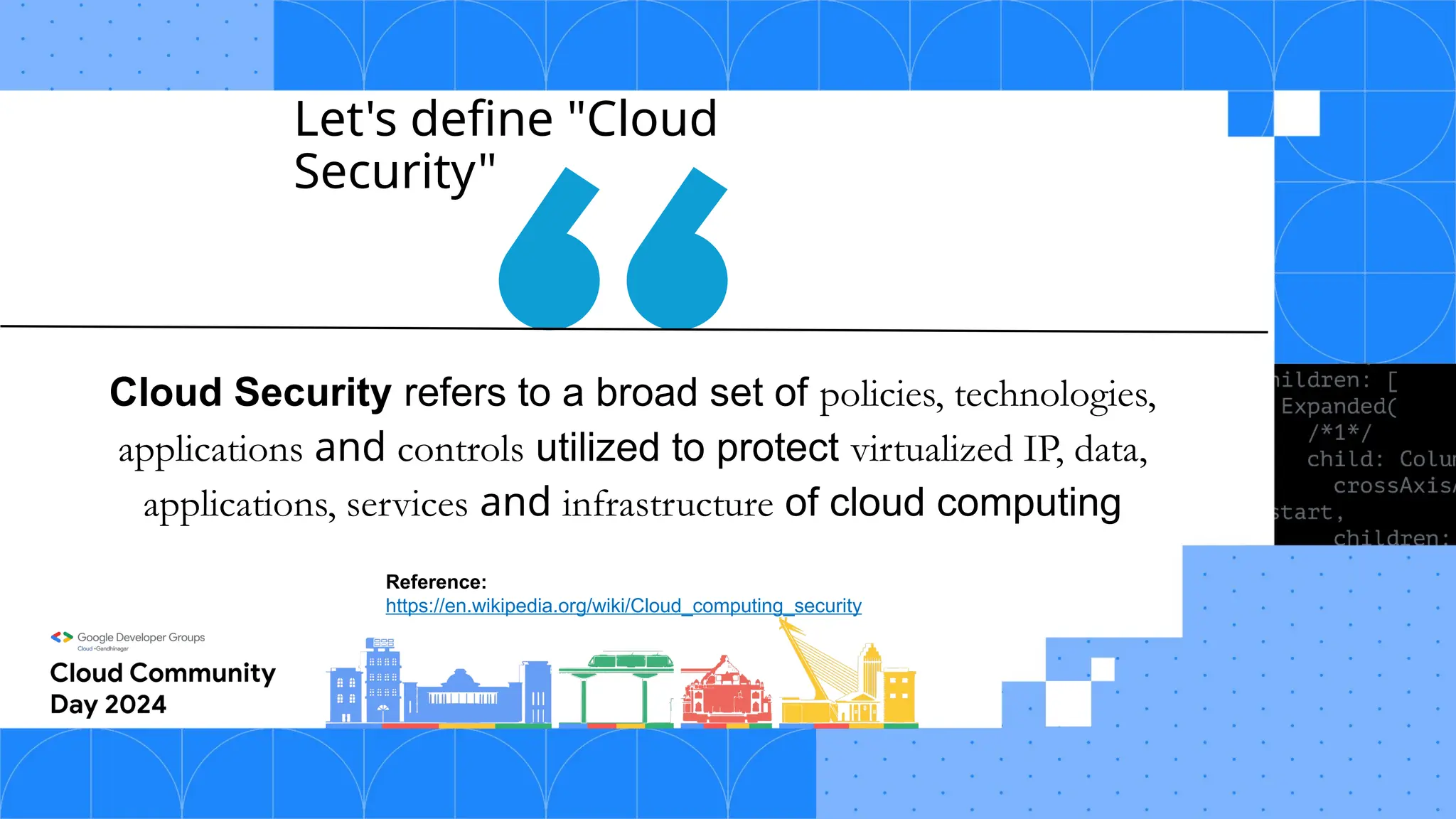
A comprehensive cloud computing security policy is a formalized set of rules, procedures, and technical requirements designed to protect an organization’s data and infrastructure within cloud environments. It defines the shared responsibility between the user and the provider, establishing mandatory controls for access management, data encryption, and incident response to ensure continuous regulatory compliance and risk mitigation.
Contents
The Strategic Importance of Cloud Governance in 2026
As of 2026, the reliance on decentralized cloud architectures—ranging from hyperscale public clouds to specialized edge computing nodes—has made a static security approach obsolete. Organizations no longer view the cloud as a mere extension of the on-premises data center; it is the primary operating environment. Consequently, a cloud computing security policy is not just a compliance checkbox but a foundational document for operational resilience.
The modern threat landscape features sophisticated AI-driven attacks and automated vulnerability scanning. Without a clear policy, organizations face fragmented security postures where shadow IT flourishes and misconfigurations become the primary vector for data breaches. A well-drafted policy provides a unified framework that governs how developers, IT operations, and end-users interact with cloud resources. It ensures that security is "shifted left" into the development lifecycle and maintained through continuous monitoring.
Understanding the Shared Responsibility Model
Before implementing a sample policy, organizations must internalize the Shared Responsibility Model. This framework determines which security tasks are handled by the Cloud Service Provider (CSP) and which remain the customer's obligation. In 2026, misinterpretation of this model remains a leading cause of preventable security incidents.
- Provider Responsibility: The CSP (e.g., AWS, Azure, Google Cloud) is responsible for the security of the cloud. This includes the physical hardware, power, cooling, and the virtualization layer that hosts the services.
- Customer Responsibility: The organization is responsible for security in the cloud. This encompasses the guest operating system, application code, identity management, and, most critically, the data itself.
The level of customer responsibility fluctuates based on the service model. In Infrastructure as a Service (IaaS), the customer manages almost everything except the hardware. In Software as a Service (SaaS), the customer’s responsibility is largely limited to data management and identity/access configuration.
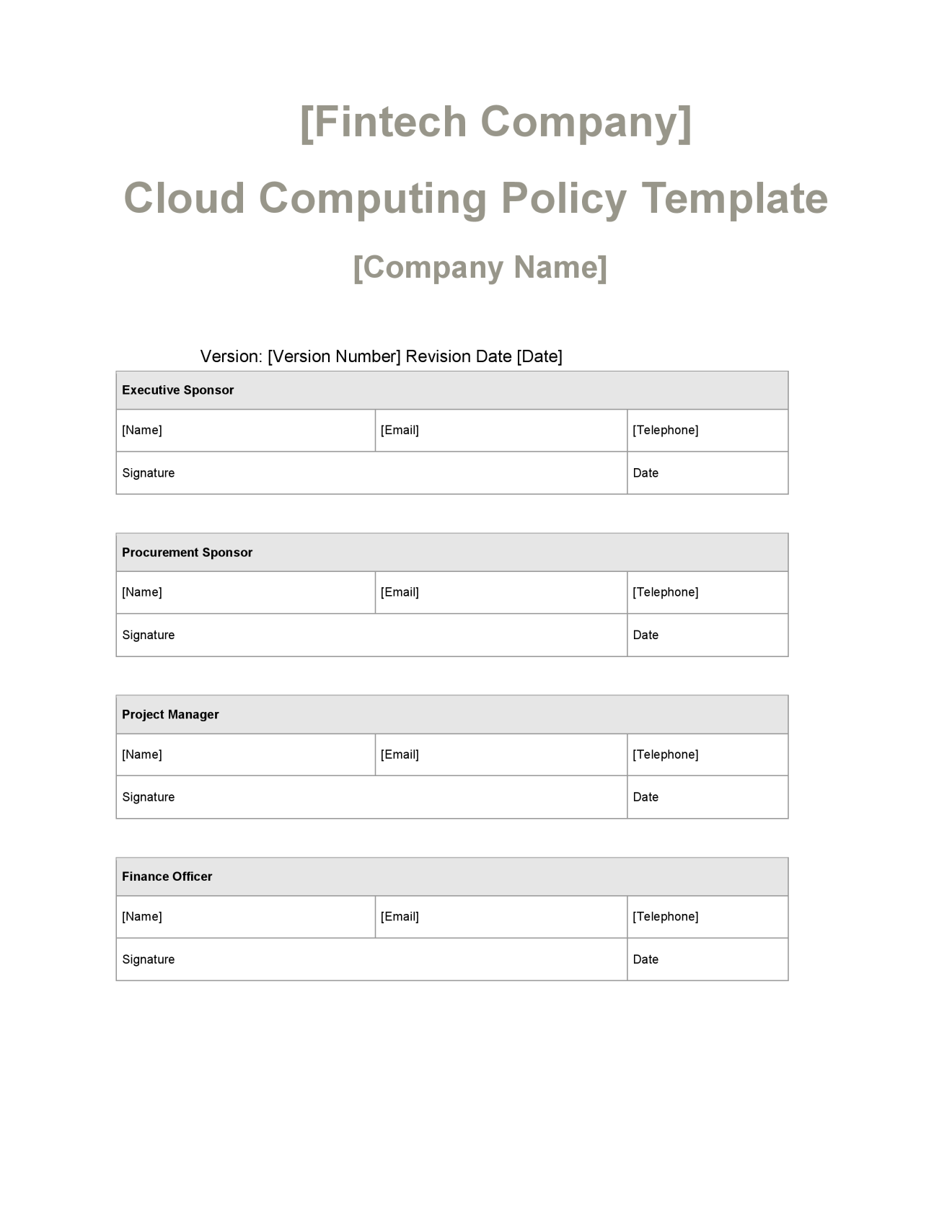
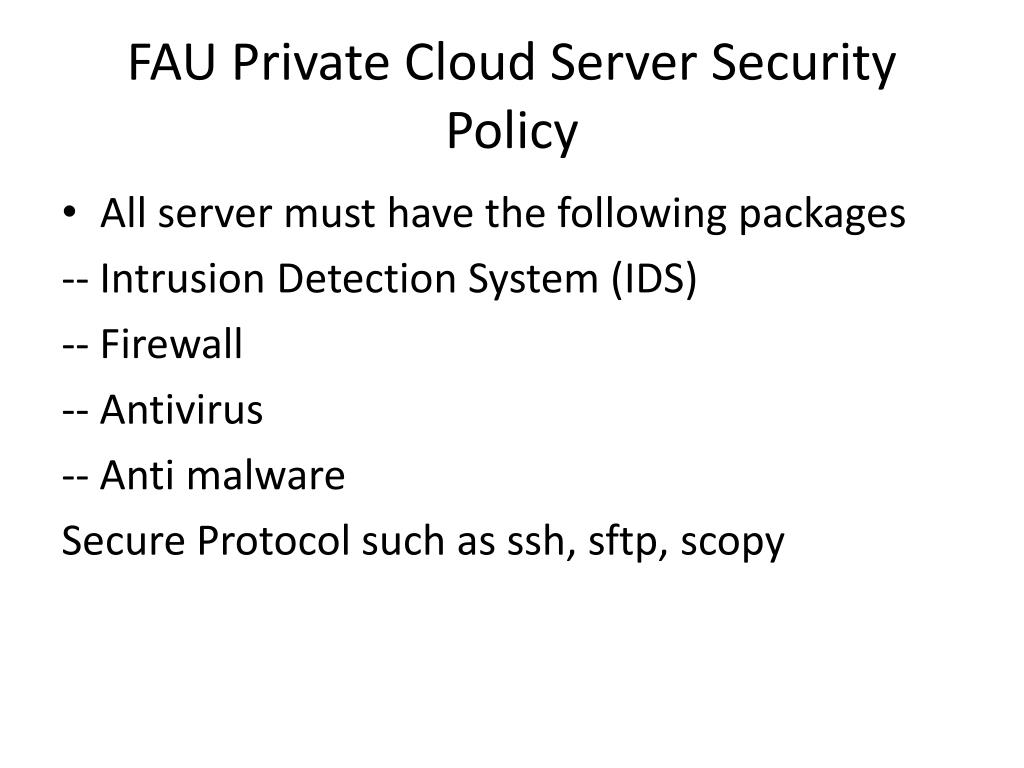
Comprehensive Sample Cloud Computing Security Policy Template
This sample policy serves as a baseline. It should be customized to meet specific jurisdictional requirements, such as the General Data Protection Regulation (GDPR) or the Health Insurance Portability and Accountability Act (HIPAA), depending on the industry and location.
1. Purpose and Scope
The purpose of this policy is to establish the security requirements for all cloud-based services used by the organization. This policy applies to all employees, contractors, and third-party partners who access the organization’s cloud environments, including public, private, and hybrid configurations.
2. Identity and Access Management (IAM)
Identity is the new perimeter in 2026. This section mandates how users are authenticated and authorized.
- Zero Trust Architecture: No user or system, whether inside or outside the network, is trusted by default. Verification is required for every access request.
- Multi-Factor Authentication (MFA): Phishing-resistant hardware security keys or biometric authentication are mandatory for all cloud administrative accounts.
- Principle of Least Privilege (PoLP): Users shall only be granted the minimum permissions necessary to perform their job functions.
- Provisioning and Deprovisioning: Access must be revoked within 24 hours of an individual’s termination or change in job role.
3. Data Protection and Encryption
Data must be protected throughout its entire lifecycle.
- Encryption at Rest: All sensitive data stored in cloud volumes, databases, and object storage must be encrypted using AES-256 or higher.
- Encryption in Transit: All data moving between the user and the cloud, or between cloud services, must be encrypted using TLS 1.3 or higher.
- Key Management: Cryptographic keys must be stored in a dedicated Hardware Security Module (HSM) or a cloud-native Key Management Service (KMS), with strict rotation schedules.
4. Network Security and Configuration
- Micro-segmentation: Organizations must use Virtual Private Clouds (VPCs) and security groups to isolate workloads and limit lateral movement.
- Infrastructure as Code (IaC) Scanning: All cloud infrastructure must be deployed via code. Security scanning tools must audit IaC templates for misconfigurations (e.g., open S3 buckets) before deployment.
- No Public Egress/Ingress: Direct public internet access to internal databases or administrative ports (e.g., SSH, RDP) is strictly prohibited.
5. Vulnerability Management and Monitoring
- Continuous Monitoring: Real-time logging of all API calls and network traffic must be enabled. Logs must be forwarded to a centralized SIEM (Security Information and Event Management) system.
- Automated Patching: Where possible, automated patching schedules must be implemented for guest operating systems and containers.
- Penetration Testing: Annual third-party penetration tests must be conducted against all production cloud environments.
Comparison of Security Responsibilities by Service Type
The following table outlines how security tasks are distributed across the different cloud delivery models common in 2026.
| Security Control | On-Premises | IaaS | PaaS | SaaS |
|---|---|---|---|---|
| Physical Security | Customer | Provider | Provider | Provider |
| Host Infrastructure | Customer | Provider | Provider | Provider |
| Operating System | Customer | Customer | Provider | Provider |
| Network Controls | Customer | Customer | Customer/Provider | Provider |
| Applications | Customer | Customer | Customer | Provider |
| Identity & Directory | Customer | Customer | Customer | Customer |
| Data Governance | Customer | Customer | Customer | Customer |
Key Regulatory Frameworks for Cloud Compliance
In 2026, a cloud security policy must align with international standards to remain valid for audits and insurance purposes. The ISO/IEC 27017:2015 provides specific guidelines for information security controls applicable to the provision and use of cloud services. Additionally, the Cloud Security Alliance (CSA) maintains the Cloud Controls Matrix (CCM), which is a cybersecurity control framework specifically tailored to cloud computing.
For organizations operating in the United States, adherence to the NIST Special Publication 800-144 (Guidelines on Security and Privacy in Public Cloud Computing) is often a requirement for government contracts and highly regulated sectors. These frameworks provide the technical depth needed to transform a general policy into an enforceable set of technical controls.
Common Mistakes in Cloud Policy Implementation
Despite the availability of templates, many organizations fail during the execution phase. One primary mistake is the "lift and shift" of on-premises policies to the cloud. Traditional policies often rely on physical hardware boundaries that do not exist in a software-defined cloud environment.
Another frequent error is the neglect of Shadow IT. Employees often subscribe to unauthorized SaaS products to solve immediate workflow issues. A robust policy must include a clear "Cloud Service Approval Process" that evaluates the security posture of any new provider before it is used for corporate data.
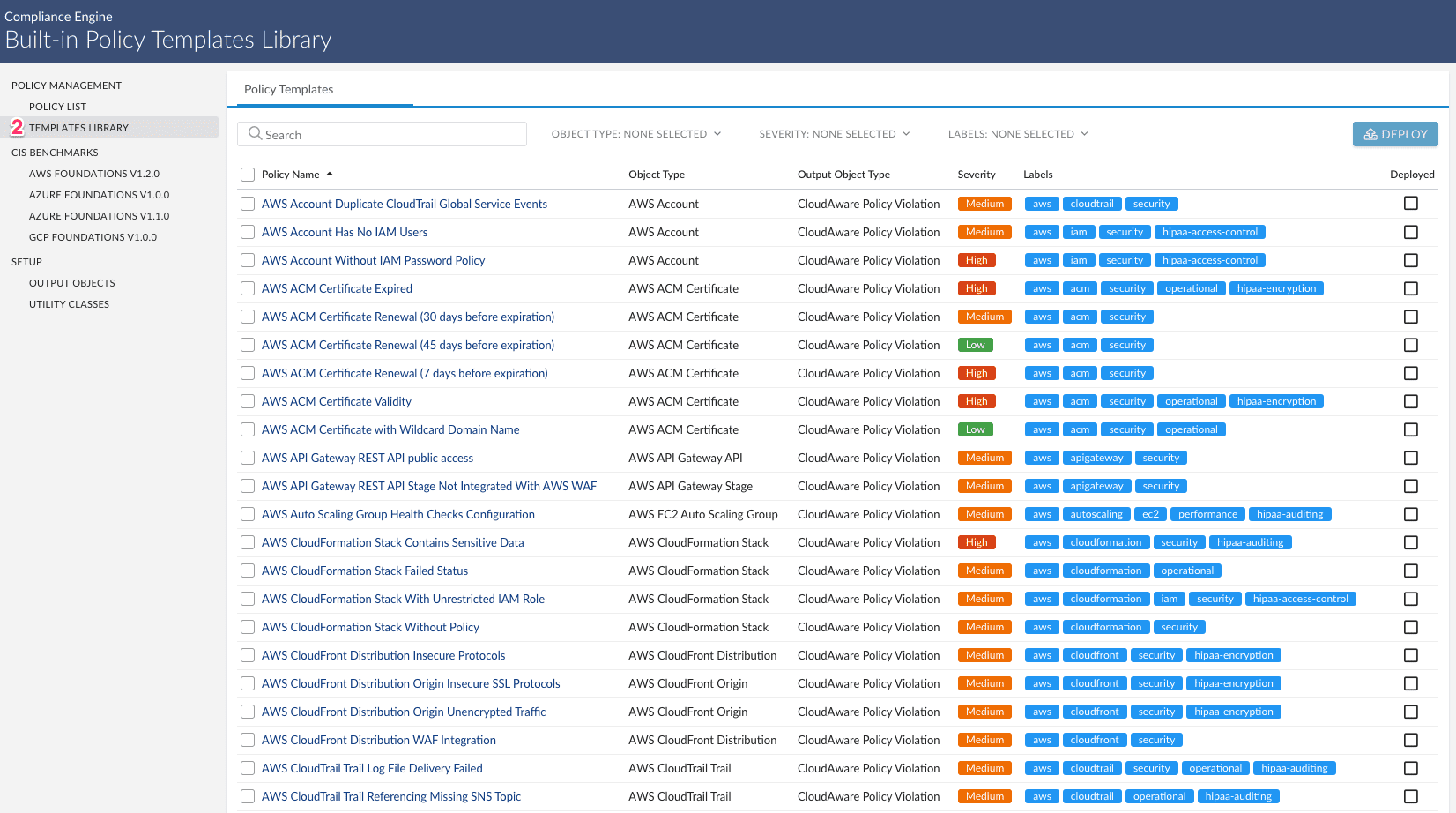
Finally, failure to automate enforcement leads to policy drift. In 2026, manual audits are insufficient. Organizations must use Cloud Security Posture Management (CSPM) tools to automatically detect and remediate deviations from the stated policy in real-time.
Frequently Asked Questions
What is the difference between a cloud security policy and an IT security policy?
An IT security policy is a broad document covering all technology assets, including office hardware and local networks. A cloud security policy is a specialized subset that focuses on the unique risks of cloud environments, such as the shared responsibility model, ephemeral workloads, and API-based management.
How often should a cloud security policy be updated?
In the 2026 landscape, the policy should be reviewed at least annually. However, significant changes in cloud provider services, new major vulnerabilities, or shifts in data privacy laws (such as updates to the California Consumer Privacy Act) should trigger an immediate update.
Does a cloud security policy apply to hybrid cloud environments?
Yes. A comprehensive policy must address how data is secured as it moves between on-premises servers and public cloud providers. It should define the encryption standards and authentication protocols that bridge these two environments to ensure no security gaps exist at the connection points.
Can we use a CSP’s default settings for our policy?
Relying on default settings is dangerous. Many cloud providers prioritize ease of use over maximum security by default. For example, some storage buckets may be set to public or use provider-managed keys instead of customer-managed keys. Your policy should define "Hardened Configurations" that exceed the default settings.
Who is responsible for policy enforcement?
While the Chief Information Security Officer (CISO) usually owns the policy, enforcement is a shared task between IT Operations, Security Architects, and DevOps teams. In modern enterprises, automated compliance tools act as the primary enforcement mechanism.
Final Recommendation for Organizations
To successfully implement a cloud computing security policy in 2026, organizations should move beyond static documents. Treat the policy as "Living Documentation" that is integrated into the CI/CD (Continuous Integration/Continuous Deployment) pipeline. Start by adopting the Cloud Security Alliance Cloud Controls Matrix to identify gaps in your current posture. Once the policy is finalized, deploy automated CSPM tools to ensure that your cloud configurations never diverge from your security requirements.
Image Gallery