Understanding Pablo Escobar's Wife Net Worth in 2018
Maria Victoria Henao, the widow of notorious Colombian drug lord Pablo Escobar, lived a life defined by immense illicit wealth that largely vanished or was seized following her husband's death in 1993, leaving her with a heavily scruti...
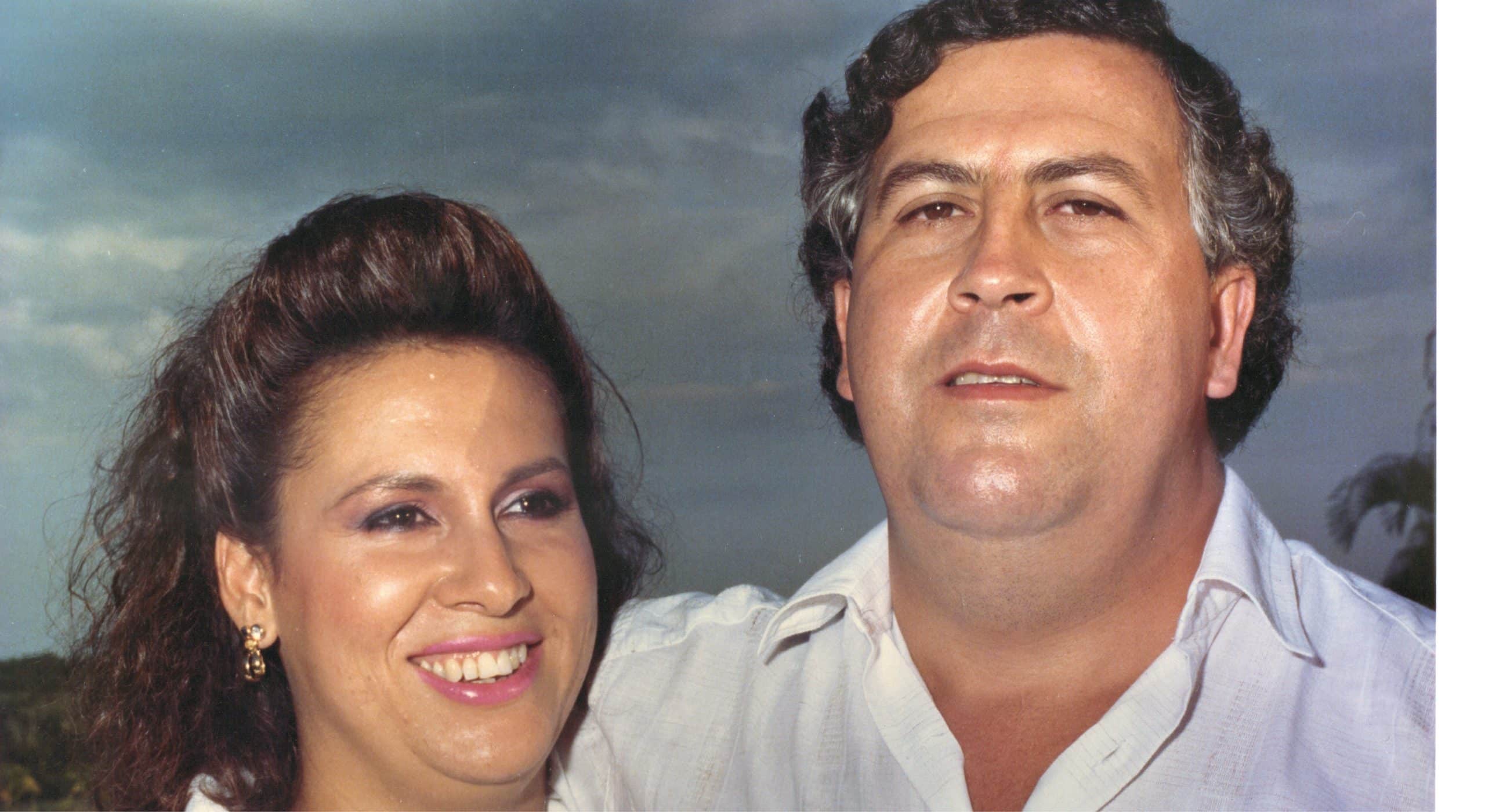
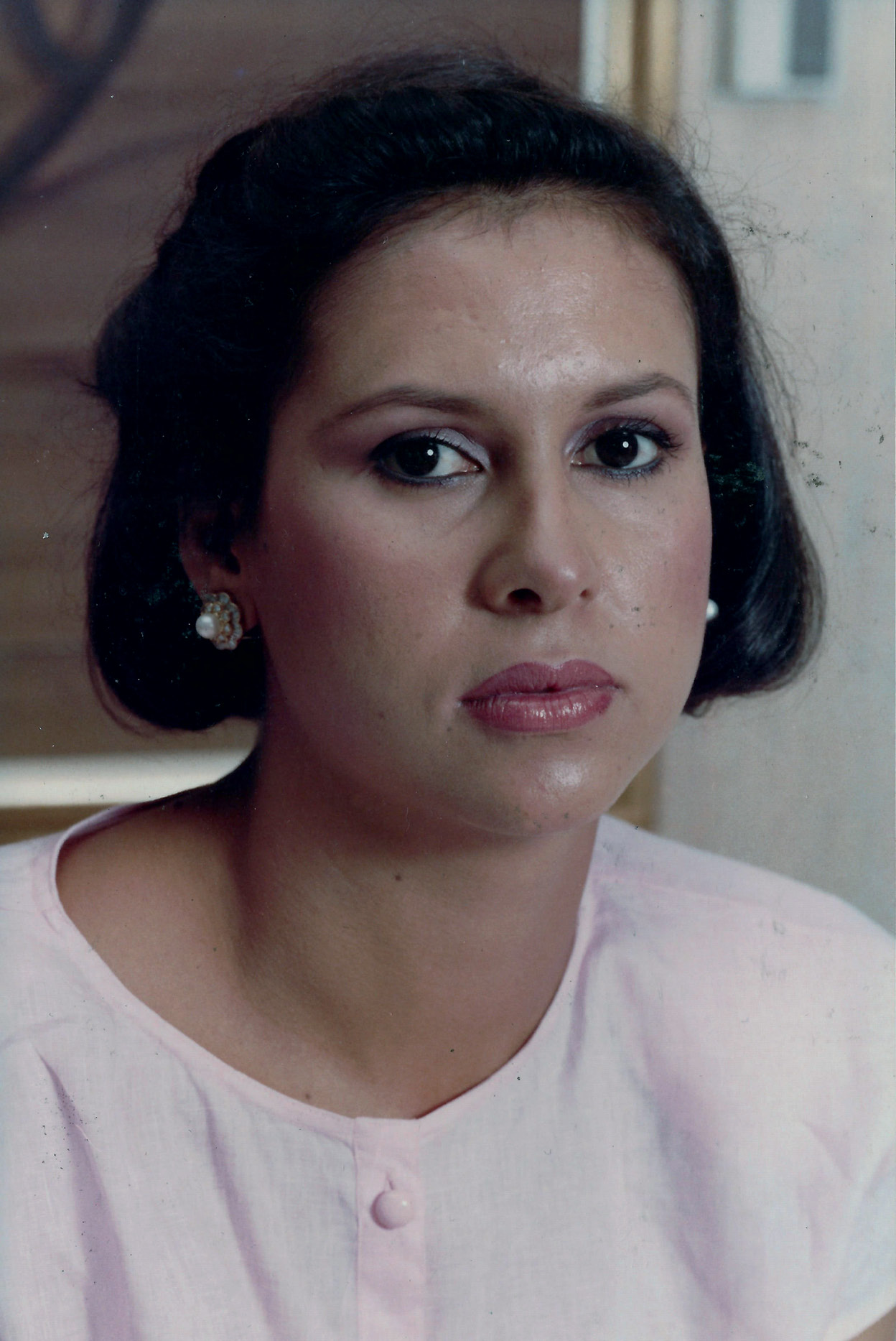
Maria Victoria Henao, the widow of notorious Colombian drug lord Pablo Escobar, lived a life defined by immense illicit wealth that largely vanished or was seized following her husband's death in 1993, leaving her with a heavily scrutinized financial status by 2018. When examining Pablo Escobar's wife net worth in 2018, historical records, legal battles, and her own autobiographical accounts indicate that she possessed virtually no legitimate personal fortune, living instead under assumed identities with modest means while evading the legacy of the Medellín Cartel.
Contents
The financial legacy of the world's most infamous cartel leader remains a subject of intense public fascination. Decades after the collapse of the Medellín Cartel, researchers, journalists, and government authorities continue to investigate the whereabouts of Escobar's multi-billion-dollar empire. Understanding what happened to these assets requires looking at the systematic asset forfeiture, the lifestyle shifts of the Escobar family, and the legal constraints placed upon Maria Victoria Henao—who changed her name to Maria Isabel Santos Caballero—as she navigated life in exile.
The Magnitude of the Escobar Fortune at Its Peak
To understand the financial standing of Pablo Escobar’s family in 2018, one must first examine the staggering scale of the wealth accumulated during the peak of the Medellín Cartel. During the late 1980s, the cartel supplied an estimated 80 percent of the cocaine smuggled into the United States, generating billions of dollars in annual revenue.
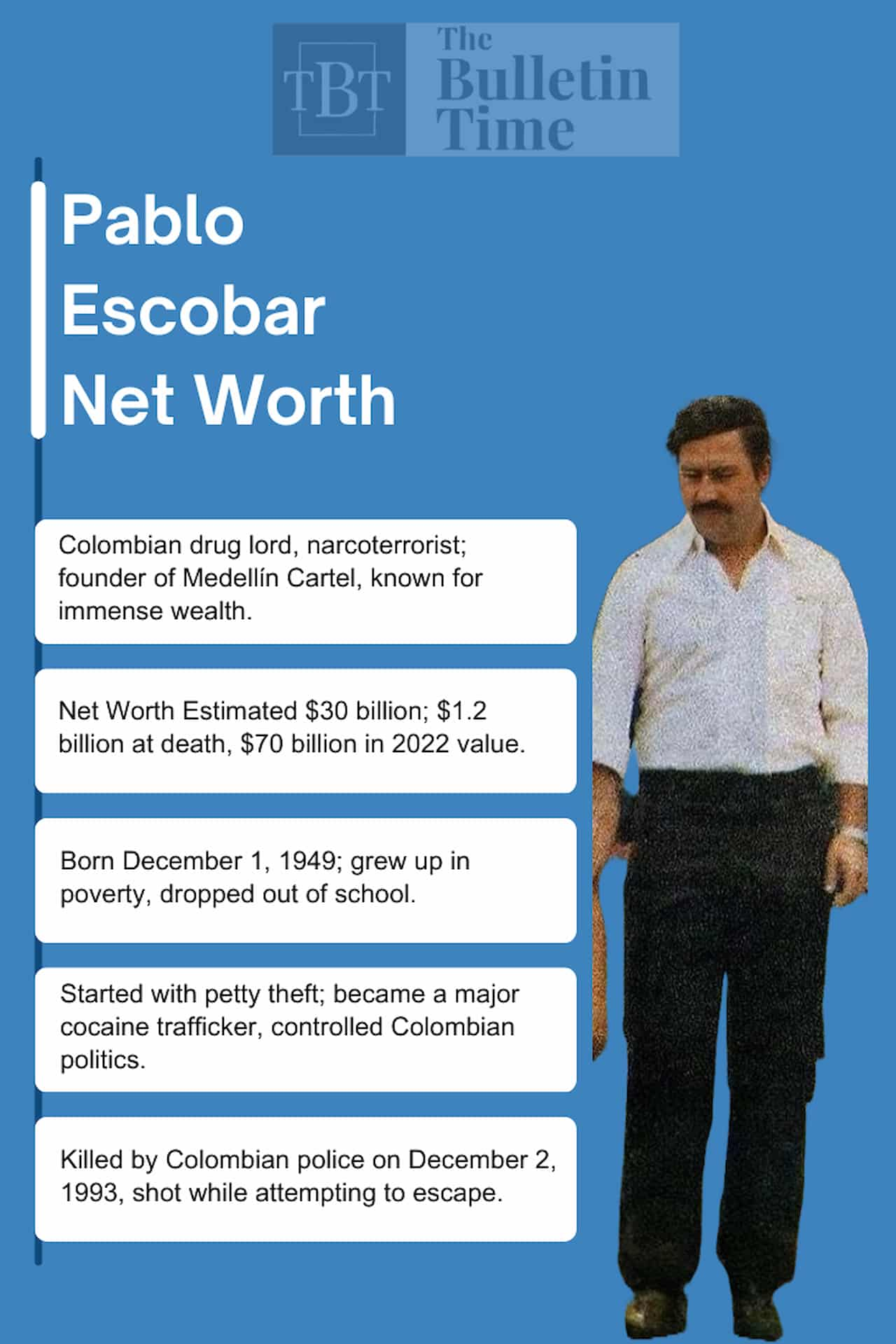
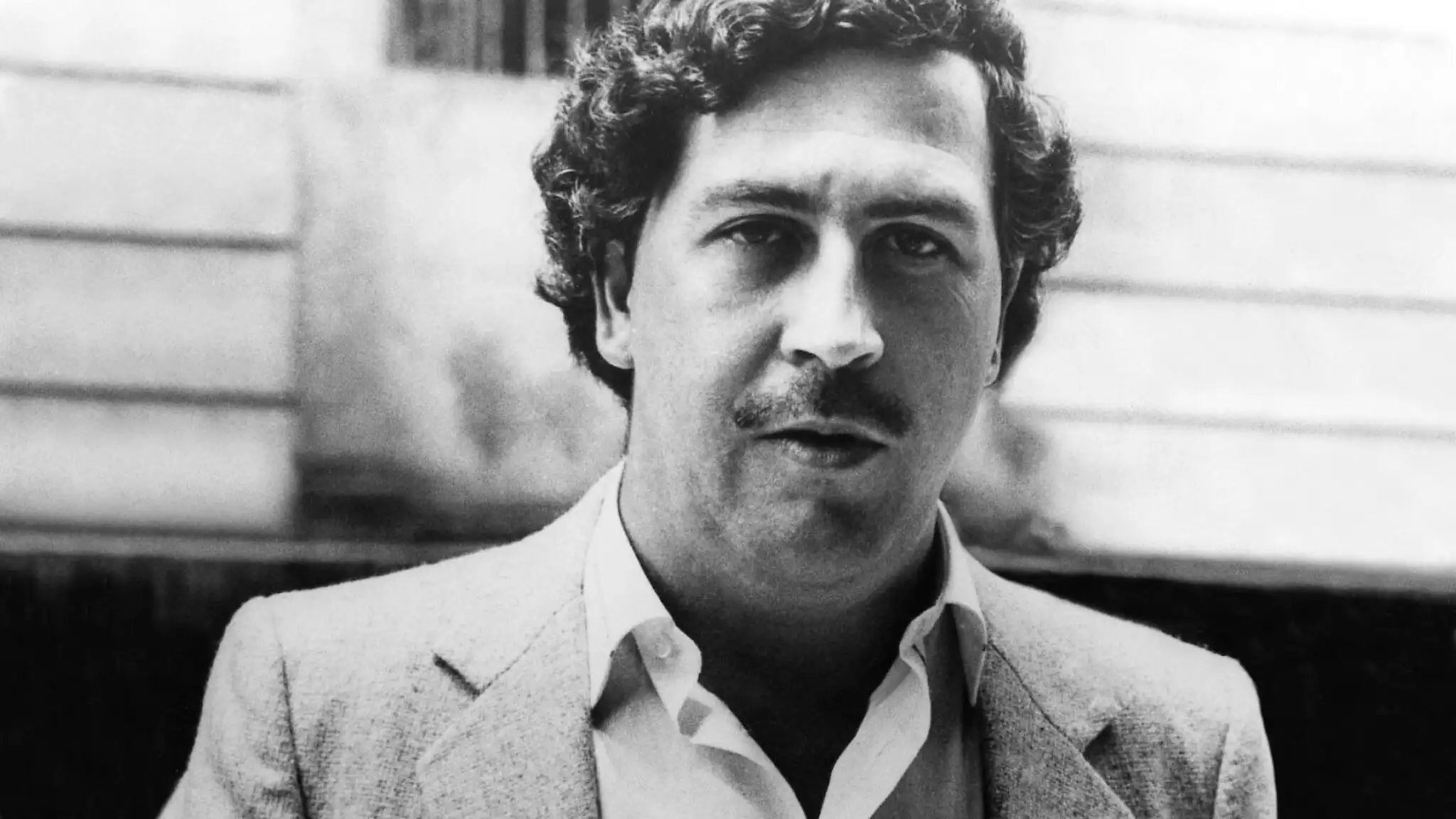
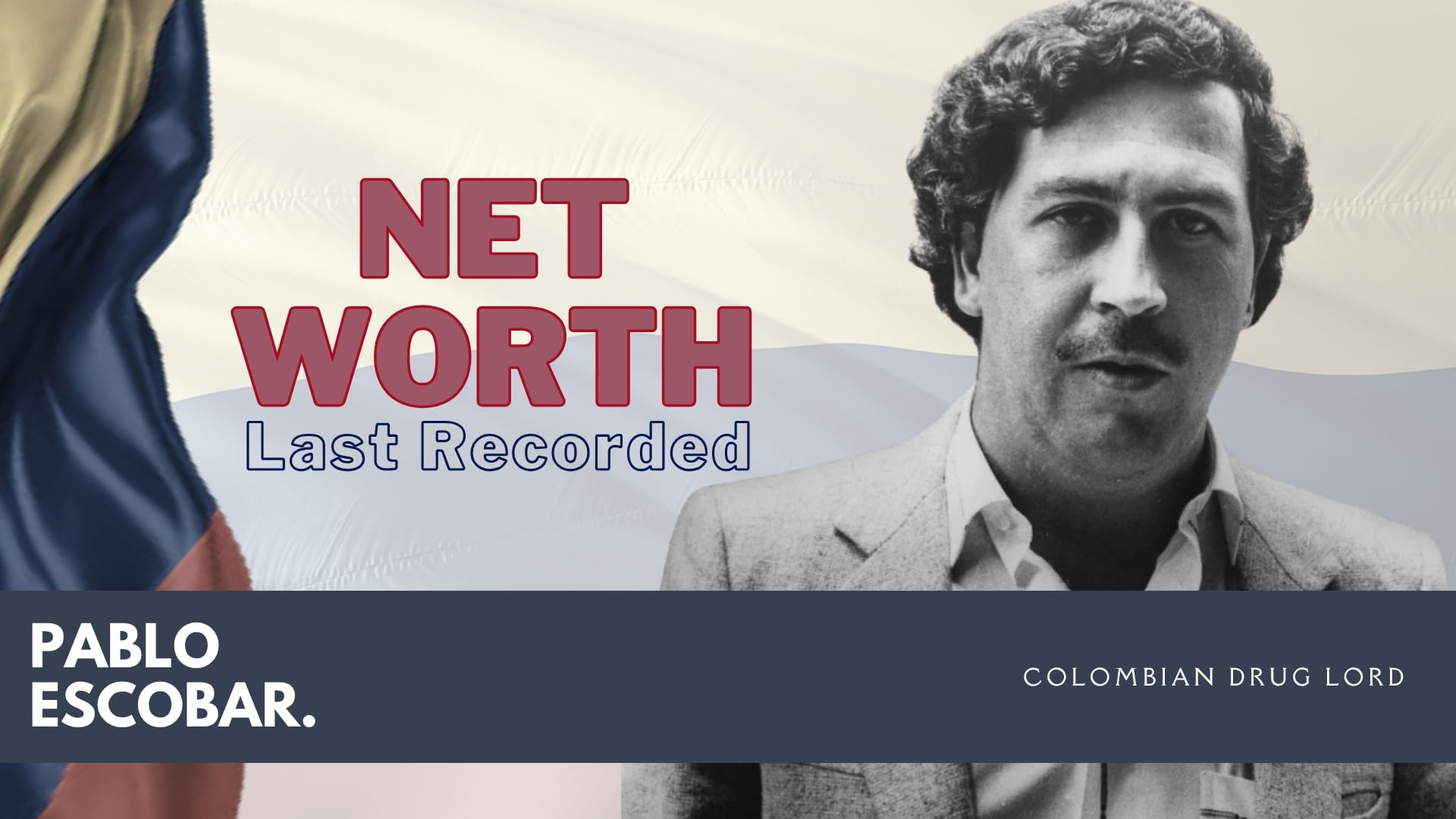
Pablo Escobar’s personal wealth was so vast that Forbes magazine listed him as one of the richest men in the world for several consecutive years, peaking with an estimated net worth of approximately $30 billion in 1989. This fortune manifested in sprawling real estate portfolios, private airstrips, a private zoo at the Hacienda Nápoles, fleets of luxury vehicles, and immense hoards of physical cash buried in rural hideouts or stored in warehouses.
However, this wealth was overwhelmingly liquid in illicit cash or tied up in physical assets vulnerable to state seizure. Unlike legitimate corporate tycoons whose fortunes are protected by diversified stock portfolios, institutional investments, and legal trusts, a drug cartel's wealth depends on criminal networks that evaporate rapidly once law enforcement decapitates leadership.
Asset Forfeiture and Government Seizures After 1993
Following Pablo Escobar’s death on a Medellín rooftop in December 1993, the Colombian government, alongside international law enforcement agencies, launched aggressive campaigns to locate and confiscate the cartel's assets. Victims of the cartel, business competitors, and the state laid claim to virtually every known property, bank account, and luxury item bearing the Escobar name.
| Asset Category | Peak Estimated Value | Post-1993 Status |
|---|---|---|
| Real Estate (Hacienda Nápoles, Mansions) | Hundreds of Millions | Seized by the Colombian government; converted into theme parks or public sites |
| Cash and Foreign Bank Accounts | Billions | Confiscated by authorities, surrendered in plea deals, or lost to decay and theft |
| Vehicles, Art, and Livestock | Tens of Millions | Auctioned off, seized, or abandoned during the manhunt |
| Legitimate Business Holdings | Unknown Millions | Liquidated or seized under anti-money laundering statutes |
Through a series of negotiations and legal pressures, Maria Victoria Henao and her children—Juan Pablo (who later changed his name to Sebastián Marroquín) and Manuela—surrendered significant portions of their remaining assets to the Colombian state. The objective was twofold: to appease authorities and to secure protection from rival cartels, particularly the Cali Cartel, which had demanded reparations and war spoils from Escobar's survivors.
Financial Reality and Exile in Argentina
By the late 1990s, Maria Victoria Henao and her children fled Colombia, ultimately settling in Buenos Aires, Argentina, under assumed names. The transition from supreme luxury to quiet exile drastically altered their standard of living. In interviews and her memoir, My Life and Prison with Pablo Escobar, Henao detailed how they traded their jewels and remaining valuables just to secure basic housing and safety in Argentina.
In 1999, Argentine authorities arrested Henao and her son Sebastián Marroquín on charges of money laundering and document falsification. Although they were eventually released due to insufficient evidence linking them to active criminal enterprises, the ordeal subjected them to intense financial scrutiny. Argentine financial regulators monitored their accounts, and any lingering funds associated with the Escobar name faced immediate freezing or confiscation.
By 2018, Henao lived a relatively low-profile life in Buenos Aires. Public records and legal proceedings from that era confirm that she did not maintain a substantial net worth. Unlike popular depictions in television dramas that suggest hidden fortunes sustained the family indefinitely, real-world investigations showed that the family survived on modest earnings from legitimate employment, book royalties, and speaking engagements undertaken by Sebastián Marroquín.
Legal and Ethical Controversies Surrounding the Escobar Estate
The question of Pablo Escobar's wife net worth in 2018 is frequently complicated by ongoing legal disputes regarding unrecovered assets. Colombian prosecutors and victims' advocacy groups have periodically pursued claims that hidden caches of money or undervalued properties remained under the control of family members.
Furthermore, legal cases in Argentina during the late 2010s targeted Henao and her son in connection with money laundering investigations involving a convicted Colombian drug trafficker and an Argentine tango singer. While these investigations highlighted the enduring suspicion surrounding the family's financial activities, they did not uncover a hidden multi-million-dollar vault or a restored cartel fortune. Instead, the proceedings demonstrated the persistent legal and administrative hurdles the family faced simply trying to maintain ordinary financial accounts.
Frequently Asked Questions
Did Pablo Escobar leave his wife any money when he died?
No formal inheritance was passed down. Pablo Escobar died while running from law enforcement, leaving his family in immediate physical danger and financial disarray. Most of his tangible wealth was seized by the Colombian government or surrendered to rivals to ensure the safety of his wife and children.
How did Maria Victoria Henao support herself and her children after 1993?
After fleeing to Argentina, Henao lived under an assumed name and relied on modest income, private assistance, and later proceeds from her son's architectural career, book publishing, and documentary participation. She avoided conspicuous consumption to evade legal scrutiny and hostile actors.
Are there any hidden Escobar fortunes left to discover?
While urban legends and pop culture narratives often suggest massive amounts of cash remain buried in the Colombian jungle, law enforcement agencies maintain that the vast majority of the liquid fortune was recovered, spent during the war against the state, or lost to decay and theft during the 1990s.
What was the legal status of Maria Victoria Henao in 2018?
By 2018, Henao was a private citizen living primarily in Argentina. While she faced periodic legal investigations regarding historical money laundering allegations tied to her husband's estate, she was not living as a wealthy heiress, nor did she possess a verified net worth of significance.
Practical Considerations and Contextual Summary
Evaluating figures like Pablo Escobar's wife net worth in 2018 requires separating sensationalized media portrayals from documented historical reality. While the Medellín Cartel commanded unprecedented financial resources during its peak, institutional crackdowns, aggressive asset forfeiture, and decades of exile stripped Pablo Escobar's survivors of their illicit empire. Maria Victoria Henao entered 2018 not as a hidden multi-millionaire, but as an aging widow living under a pseudonym, managing ordinary living expenses far removed from the violent opulence of her past.
Image Gallery