Understanding the 9 Fruits of the Holy Spirit: 2026 Comprehensive Theological Guide
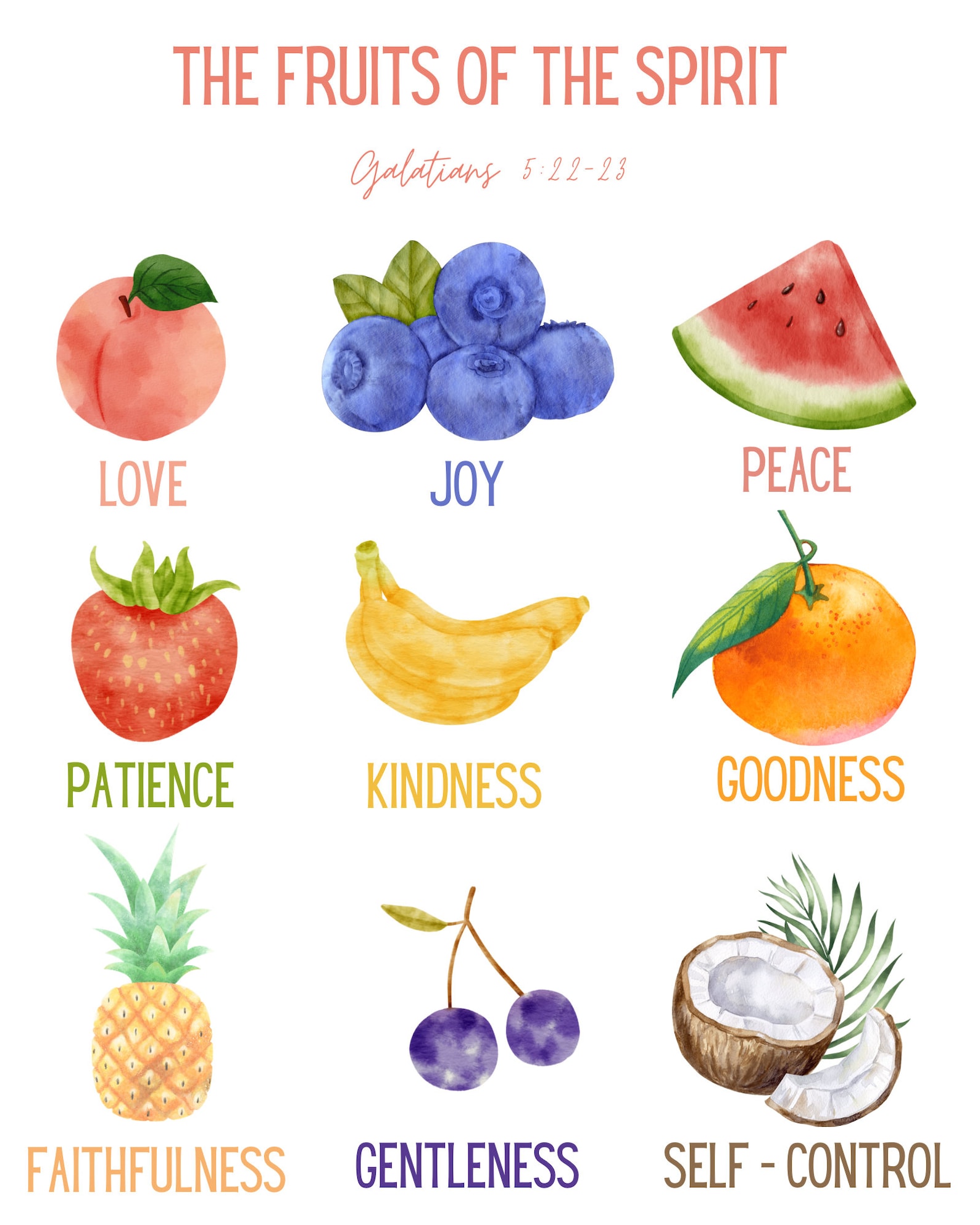
The 9 fruits of the Holy Spirit represent the definitive character traits of a life transformed by Christian faith, as documented in the Pauline epistles. This guide focuses specifically on the theological virtues outlined in Galatians...
The 9 fruits of the Holy Spirit represent the definitive character traits of a life transformed by Christian faith, as documented in the Pauline epistles. This guide focuses specifically on the theological virtues outlined in Galatians 5:22-23 and their practical application in 2026 spiritual practice.
Contents
The Biblical Framework of Spiritual Fruit in 2026
To understand the 9 fruits of the Holy Spirit, one must first analyze the Greek lexical structure of Galatians 5:22-23. In the original Koine Greek, the word for fruit is karpos, which is used here in the singular form. This linguistic nuance is critical for 2026 biblical scholarship; it suggests that the "fruit" is a singular, unified harvest of a believer's character rather than a checklist of disconnected traits. While a person may naturally possess one or two of these qualities through temperament, the "Fruit of the Spirit" refers to the holistic transformation that occurs through divine indwelling.
As we navigate the complexities of 2026, where digital polarization and emotional fatigue are prevalent, these virtues serve as a psychological and spiritual "operating system" for resilience. Unlike the "Gifts of the Spirit" (Charismata), which are functional abilities given for service, the "Fruit of the Spirit" (Karpos) represents the essential nature of the individual.
Lexical Unity of the Spirit The singular use of "karpos" indicates that these nine virtues are interdependent. You cannot truly possess divine love without also possessing self-control, nor can you have biblical peace without faithfulness. In the 2026 theological landscape, this is often referred to as "Integrative Sanctification," where the character is viewed as a single, multi-faceted diamond reflecting the light of the Creator.
Comprehensive Analysis of the 9 Fruits
The following breakdown provides a deep technical and practical analysis of each virtue, incorporating the 2026 standards for spiritual formation and ethical living.
1. Love (Agape)
The primary fruit is Agape, a sacrificial, volitional love that transcends emotion. In 2026, Agape is the antidote to "transactionalism"—the tendency to value people only for what they provide. It is a commitment to the well-being of others regardless of their response. Unlike Eros (romantic love) or Philia (brotherly love), Agape is an act of the will sustained by spiritual discipline.
2. Joy (Chara)
In biblical terminology, Chara is a deep-seated confidence and cheerfulness that remains stable regardless of external circumstances. As 2026 economic and social shifts create global anxiety, the distinction between "happiness" (based on happenings) and "joy" (based on spiritual position) becomes vital. Joy is the internal response to the realization of grace.
3. Peace (Eirene)
Eirene signifies wholeness, quietness, and rest. It is not merely the absence of conflict but the presence of an integrated soul. In a 2026 context of constant connectivity, Eirene provides the cognitive and spiritual "margin" necessary to remain calm under pressure.
4. Patience (Makrothumia)
Often translated as long-suffering, Makrothumia is the ability to endure difficult people or situations without retaliation. It is "power under restraint." In the 2026 "instant-gratification" culture, patience is the ultimate counter-cultural virtue, allowing for long-term growth over immediate results.
5. Kindness (Chrestotes)
Chrestotes refers to a "mellow" goodness—a disposition that is gentle and useful. It is the practical expression of love in interpersonal interactions. It involves treating others with a dignity that reflects their inherent value, a critical necessity in 2026’s often harsh social media environments.
6. Goodness (Agathosune)
While kindness is the inward disposition, Agathosune is the outward activity. It is "kindness in action" and includes the concept of moral excellence. It may involve firm correction or standing up for justice, as true goodness seeks the best for the other, even if it requires difficult conversations.
7. Faithfulness (Pistis)
Pistis denotes reliability, loyalty, and trust. In 2026, where institutional trust is at an all-time low, a person characterized by faithfulness is a pillar of their community. It means being "full of faith" in God and "faithful" to one's promises and relationships.
8. Gentleness (Prautes)
Gentleness is frequently misunderstood as weakness. However, Prautes is better described as "strength under control." It is the image of a powerful stallion being guided by a gentle bit. It allows for a person to defend the truth without being abrasive or defensive.
9. Self-Control (Enkrateia)
The final fruit is Enkrateia, the ability to govern one's desires, impulses, and emotions. In an era of 2026 bio-hacking and digital addiction, self-control is the spiritual mastery over the "Works of the Flesh." It provides the boundary within which all other fruits can flourish.
2026 Comparative Framework: Fruit vs. Works vs. Gifts
Understanding the distinction between these categories is essential for correct theological categorization. The table below outlines the differences as understood in modern 2026 systematic theology.
| Category | Scriptural Basis | Origin | Primary Purpose | Key Characteristic |
|---|---|---|---|---|
| Fruit of the Spirit | Galatians 5:22-23 | Internal Growth | Character Transformation | Universal for all believers |
| Gifts of the Spirit | 1 Corinthians 12 | Sovereign Distribution | Community Service / Ministry | Diverse and specific to individuals |
| Works of the Flesh | Galatians 5:19-21 | Human Ego / Nature | Self-Gratification | Destructive and divisive |
| Moral Disciplines | 1 Timothy 4:7-8 | Human Effort + Grace | Habit Formation | Requires consistent practice |
The Mechanics of Spiritual Cultivation in 2026
Growing the 9 fruits is not a matter of "trying harder," but of "abiding deeper." In 2026, the methodology for spiritual formation has evolved to include both ancient practices and modern understandings of neuroplasticity and community.
Step 1: The Practice of Abiding
Spiritual growth begins with connection. This involves daily "quiet time" or meditation on scripture. In the 2026 workflow, this often means "digital fasting"—intentionally disconnecting from notifications to allow the mind to focus on spiritual realities.
Step 2: Identification of Barriers
One must identify the "Works of the Flesh" (Galatians 5:19) that choke out the fruit. This includes addressing bitterness, uncontrolled anger, or selfish ambition. Identifying these barriers is the "weeding" process of the spiritual garden.
Step 3: Community Accountability
Fruit does not grow in a vacuum. Authentic spiritual growth in 2026 requires a "small group" or "community of practice." Having others observe your life provides the necessary feedback to see where you are growing and where you are stagnant.
Step 4: Ethical Application
Apply the virtues to real-world scenarios. If you are struggling with patience, find opportunities to serve in environments that require it. If you lack kindness, engage in anonymous acts of service.
Expert Insight on 2026 Spiritual Metrics To measure spiritual growth in 2026, do not look at your knowledge of the Bible alone. Instead, look at your reaction when you are mistreated or under stress. The "fruit" is most visible when the "tree" is shaken. If your default response is shifting from anger to patience or from anxiety to peace, the Spirit is actively producing fruit in your life.
Common Challenges and Troubleshooting in 2026
Many individuals in 2026 feel frustrated when they don't see immediate "harvests" of these virtues. Understanding the lifecycle of spiritual growth can alleviate this concern.
- The Problem of "Plastic Fruit": This occurs when a person tries to mimic the 9 fruits through sheer willpower. It results in burnout and hypocrisy. Authentic fruit must come from the root of a relationship with the Divine.
- The Seasonal Nature of Growth: Just as in agriculture, spiritual fruit has seasons. There are times of pruning (where old habits are cut away) and times of dormant growth (where internal changes are happening beneath the surface).
- External Stressors: High-stress environments in 2026—such as economic instability or social unrest—can deplete emotional reserves. It is in these times that the "Peace" and "Faithfulness" fruits are most tested and most strengthened.
Frequently Asked Questions
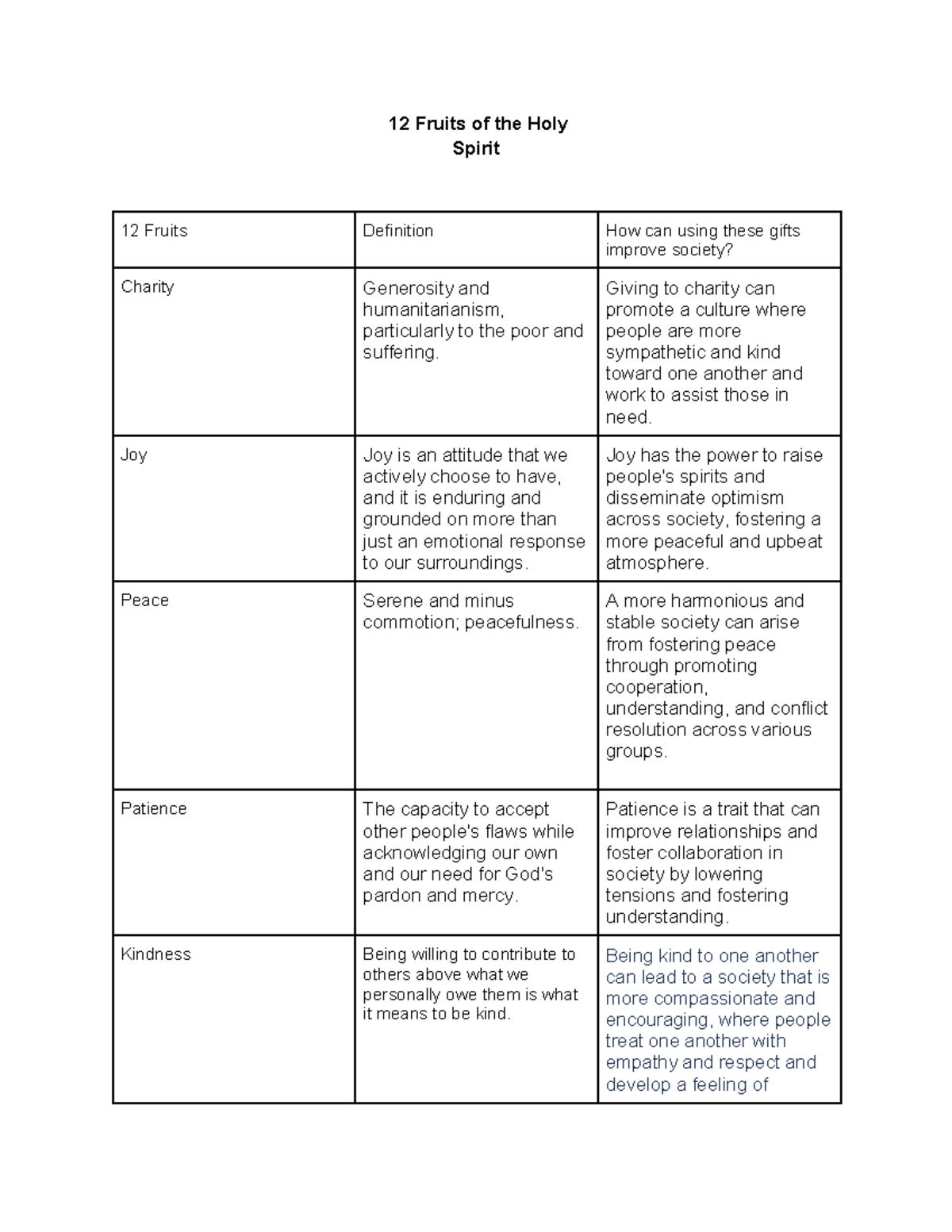
Are there 9 or 12 fruits of the Holy Spirit? While the Greek text of Galatians 5:22-23 lists 9 virtues, the Latin Vulgate (and subsequently some Catholic traditions) lists 12. The additional three—modesty, continence, and chastity—are often seen as extensions or specific applications of the original nine, particularly "Self-Control" and "Gentleness." In 2026, most biblical scholars focus on the original 9 for primary exegesis.
How do the 9 fruits differ from the 7 gifts of the Holy Spirit? The 9 fruits (Galatians 5) are character traits that every believer should exhibit. The 7 gifts (Isaiah 11:2-3, traditionally) are specific empowerments—like wisdom, understanding, and counsel—given by God to fulfill a mission. Think of the fruit as "who you are" and the gifts as "what you can do."
Can I pick and choose which fruits to develop? Because the "Fruit" is singular (karpos), they are a package deal. You cannot grow in divine love while remaining completely devoid of self-control. While some virtues may be more prominent based on your personality, the Holy Spirit works to bring balance across all nine areas.
What is the best way to memorize the 9 fruits of the Holy Spirit in 2026? The most effective 2026 method is through the "3x3 Grouping" technique. Group them by their focus:
- Relationship to God (Love, Joy, Peace).
- Relationship to Others (Patience, Kindness, Goodness).
- Relationship to Self (Faithfulness, Gentleness, Self-Control).
Is "Self-Control" the most important fruit for the 2026 era? The Bible does not rank the fruits, but many 2026 theologians argue that Agape (Love) is the foundation, while Enkrateia (Self-Control) is the protective boundary. In an age of high-frequency distractions, self-control is often the most practical evidence of a Spirit-led life.
Navigating Your Spiritual Harvest
As we move through 2026, the 9 fruits of the Holy Spirit remain the gold standard for human character and spiritual health. They are not simply moral suggestions but are the natural byproduct of a life aligned with the Divine. To begin your cultivation process, select one "fruit" that feels particularly absent in your current season and focus your meditations and actions there for the next thirty days.
Image Gallery