Understanding What Overcooked Pasta Is Like: Texture, Science, and Culinary Recovery in 2026
When evaluating culinary outcomes, understanding what overcooked pasta is like goes beyond a simple matter of taste preferences. In the professional kitchen and food science domains, prolonged thermal processing alters the structural i...
When evaluating culinary outcomes, understanding what overcooked pasta is like goes beyond a simple matter of taste preferences. In the professional kitchen and food science domains, prolonged thermal processing alters the structural integrity of durum wheat semolina, resulting in predictable physical changes. As culinary standards evolve through 2026, home cooks and professional chefs alike continue to analyze the precise sensory markers of over-gelatinized starches to optimize cooking times and achieve the ideal al dente bite.
Contents
The Sensory Profile: Textural and Structural Characteristics
What is overcooked pasta like on the plate? The physical transformation is dramatic. Perfectly cooked pasta offers a firm resistance to the tooth, known traditionally as al dente (to the tooth). Conversely, overcooked pasta exhibits a complete breakdown of this structural resistance, shifting from a resilient strand to a compromised matrix.
- Mushy and Soft Texture: The initial bite lacks any resistance. The exterior and interior are uniformly soft, often feeling pasty or gummy against the palate.
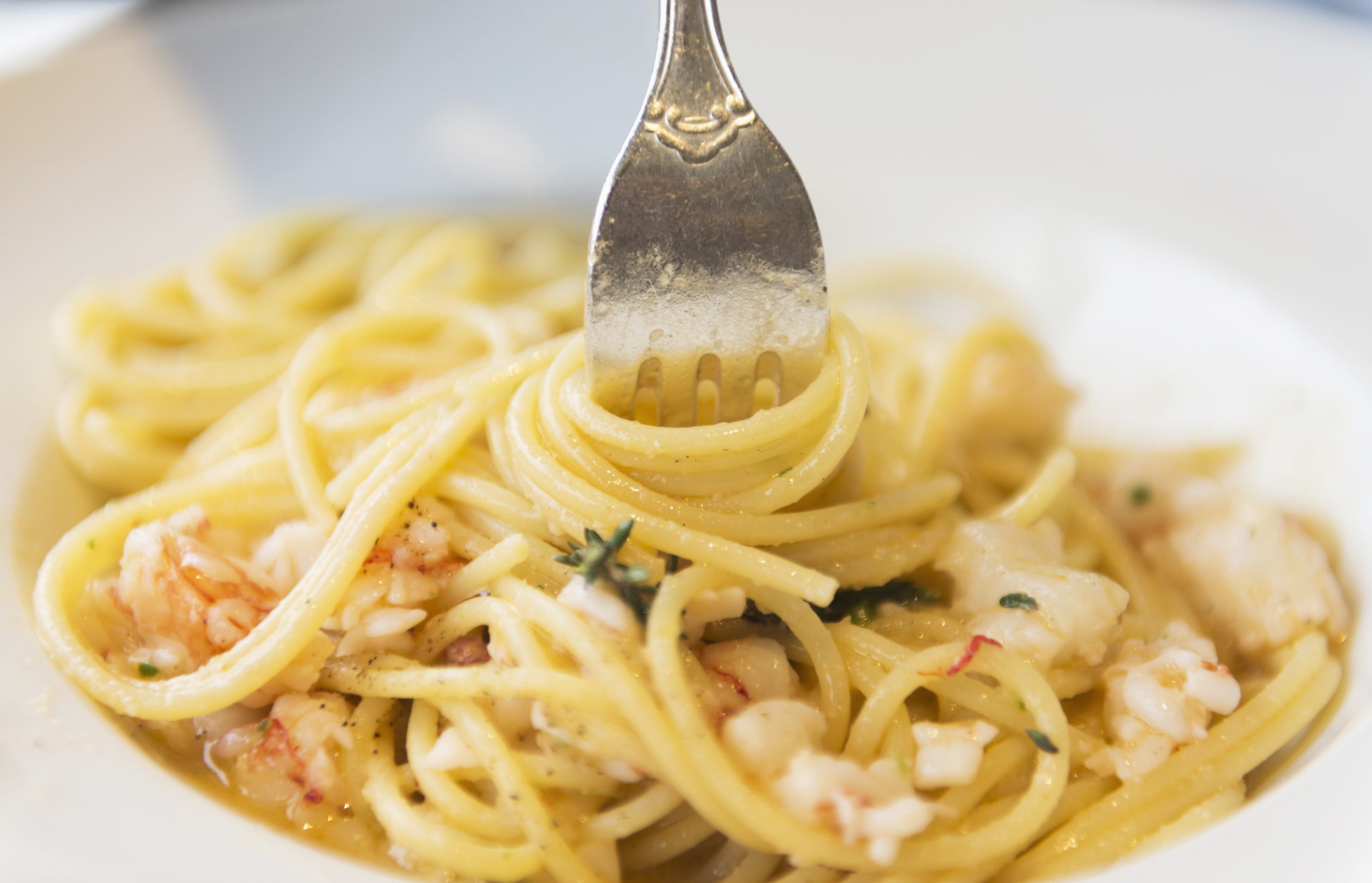
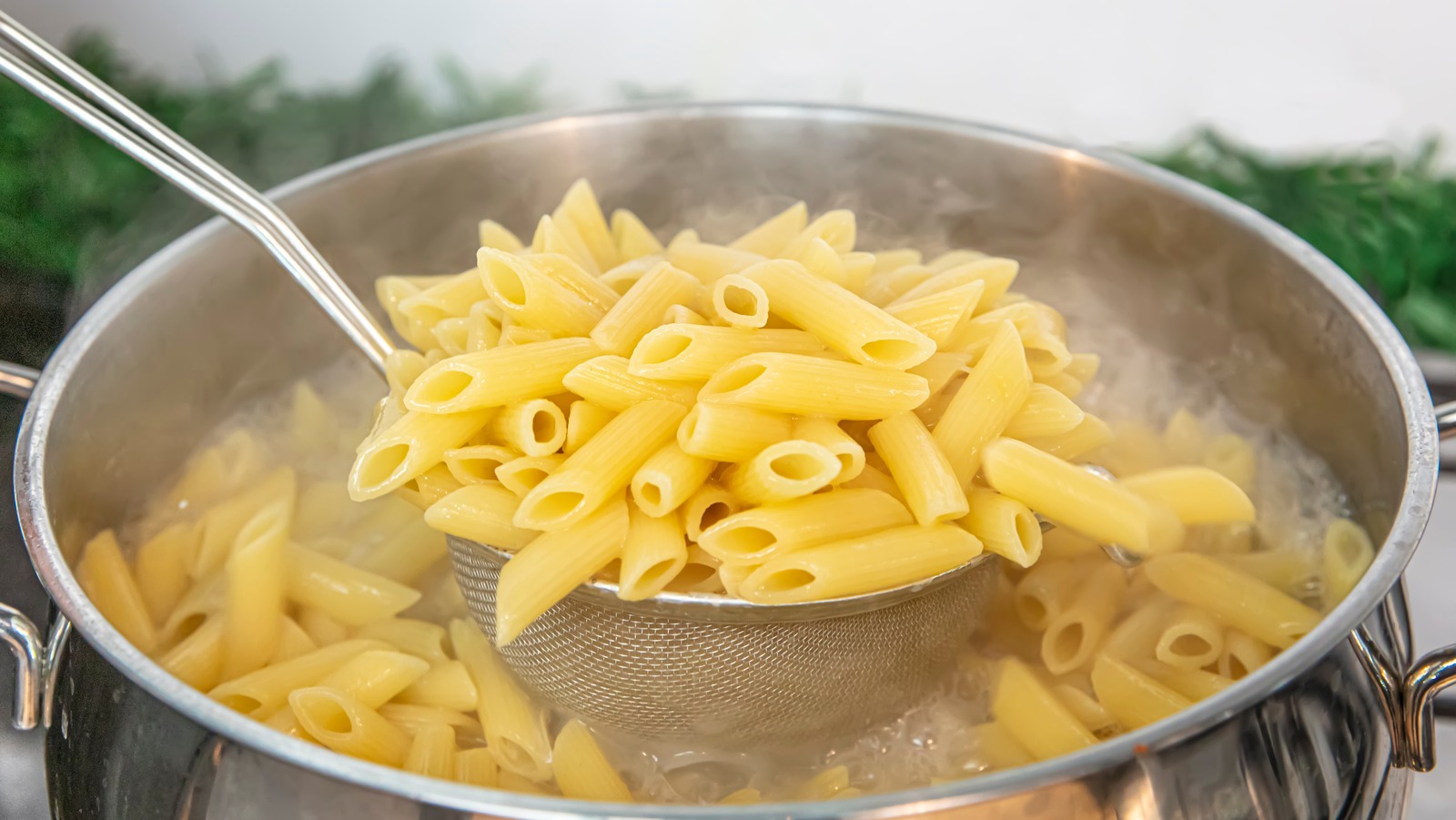
- Loss of Shape Retention: Long shapes like spaghetti or linguine tend to clump together, lose their structural rigidity, and drape limply over the fork. Short shapes like penne or rigatoni collapse inward, losing their hollow architecture.
- Sticky and Starchy Mouthfeel: As excess amylose leaches out of the damaged starch granules into the surrounding cooking water and coats the exterior of the pasta, it creates a gummy film that clings aggressively to the teeth and tongue.
- Blanched Flavor Profile: Prolonged boiling leaches out the subtle nutty notes of the grain, leaving behind a bland, watery taste that fails to hold sauce effectively.
Culinary Quality Benchmark: High-quality bronze-die extruded pasta containing 100% durum wheat semolina maintains its structural integrity longer than industrial Teflon-extruded alternatives. However, once past its peak hydration window, even premium pasta degrades rapidly into a starchy gel.
The Food Science Behind Starch Gelatinization and Protein Breakdown
To fully grasp what overcooked pasta is like, one must examine the biochemistry of boiling water interacting with wheat flour. Raw pasta consists of tightly packed starch granules (amylose and amylopectin) embedded in a protein matrix composed of gluten.
When subjected to boiling water, two simultaneous phenomena occur:
- Protein Denaturation: The gluten network hydrates and swells, creating a permeable mesh that traps water and expanding starch granules. Overcooking causes this protein matrix to over-expand and weaken, failing to trap the starches securely.
- Starch Gelatinization and Leaching: As thermal energy breaks the hydrogen bonds within the starch granules, they absorb water, swell, and burst. In overcooked pasta, this process goes too far. Too much amylose escapes into the interstitial spaces and the cooking liquid, resulting in a sticky, water-logged matrix devoid of structural elasticity.
| Cooking State | Internal Structure | Exterior Texture | Sauce Adhesion Quality | Water Absorption Rate |
|---|---|---|---|---|
| Underdone | Hard, chalky white core | Firm, slightly rough | Poor (sauce slides off) | Low (<150% dry weight) |
| Al Dente | Minimal, pin-point resistant core | Firm, resilient, slightly tacky | Excellent (emulsifies with starch) | Optimal (approx. 200%) |
| Overcooked | Uniformly soft, mushy, homogenous | Gummy, sticky, collapsing | Terrible (pools at the bottom) | Excessive (>250% dry weight) |
Comparative Analysis: Al Dente vs. Overcooked Pasta
Differentiating between properly cooked and overcooked pasta involves evaluating several physical parameters. The table below outlines the clear distinctions encountered during food preparation and consumption.
- Elasticity: Al dente pasta bounces back slightly when pressed; overcooked pasta deforms permanently and tears easily.
- Porosity: Overcooked pasta absorbs an excessive amount of water, swelling to nearly double its normal cooked diameter and diluting any accompanying sauces.
- Coarseness: The rough, porous surface created by traditional bronze dies is completely smoothed over and replaced by a slick, gelatinous coat that repels proper sauce binding.
Practical Steps to Avoid and Salvage Overcooked Pasta
Preventing pasta from reaching an undesirable, mushy state requires precision timing and continuous monitoring. Modern kitchen workflows benefit from strict adherence to package guidelines combined with sensory testing one minute before the suggested timer expires.
Prevention Protocol
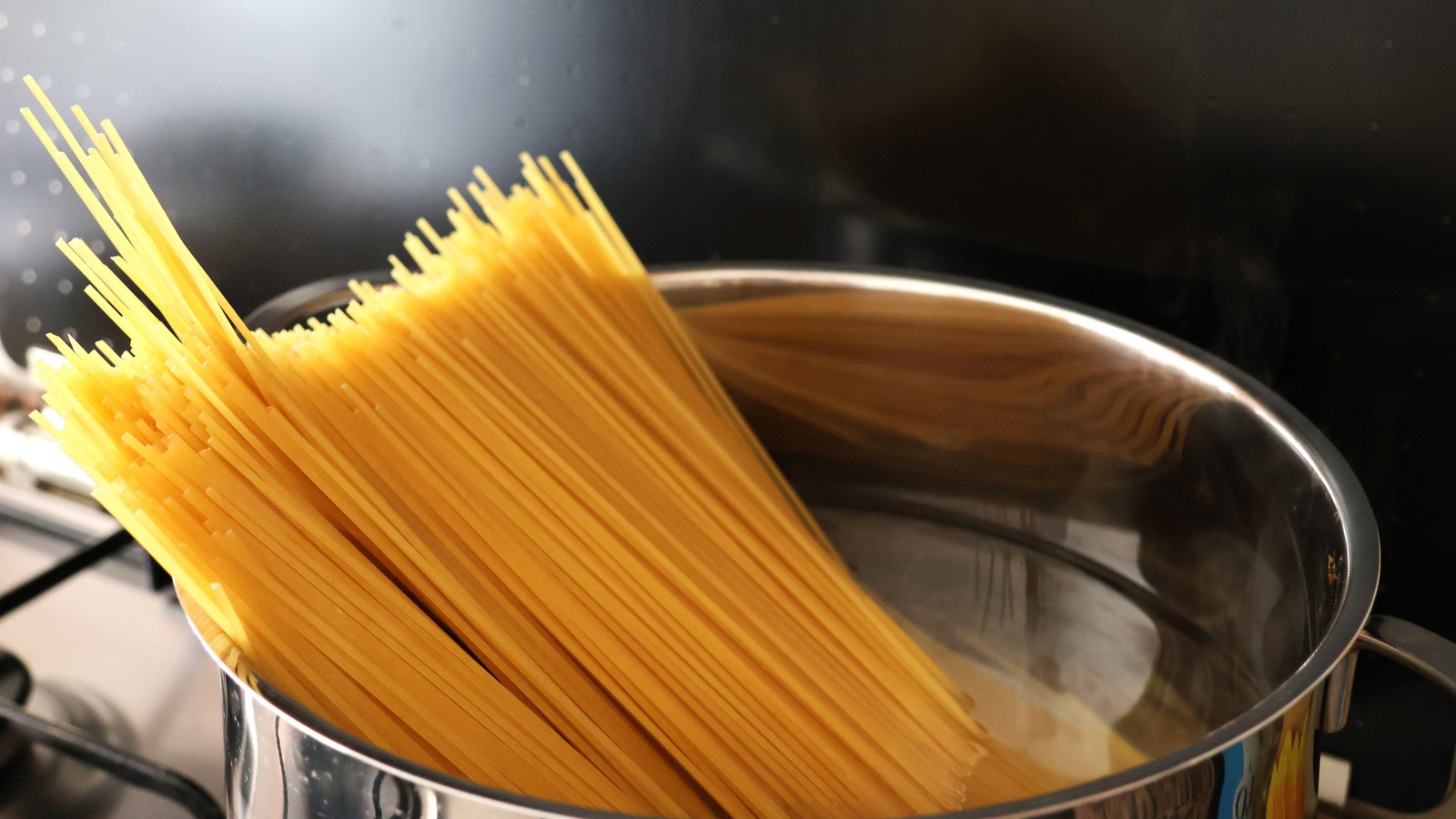
- Use Generous Water Volume: Maintain a ratio of at least 4 to 6 quarts of rolling boiling water per pound of dry pasta to prevent localized starch concentration.
- Aggressive Salting: Salt the water adequately (approximately 1 to 2 tablespoons of kosher salt per gallon) to raise the boiling point slightly and season the pasta from the inside out.
- Continuous Agitation: Stir the pasta vigorously during the first 60 seconds of boiling to prevent strands from sticking together at the bottom of the pot.
- Early Testing: Fish out a single strand, cut it in half, and inspect the cross-section. If a tiny, pinpoint ring of opaque white remains, it is ready to be drained for finishing in the sauce pan.
Salvage Techniques for Overcooked Pasta
When pasta has crossed the threshold into the overcooked category, traditional plating with a heavy sauce will result in an unpalatable, dense mass. Instead, apply these recovery methods:
- The Crispy Pan-Fry: Drain the pasta thoroughly, spread it in a thin layer on a baking sheet to cool and firm up, and then pan-fry it in olive oil or butter with garlic and herbs to create a crispy exterior texture (similar to noodle cakes).
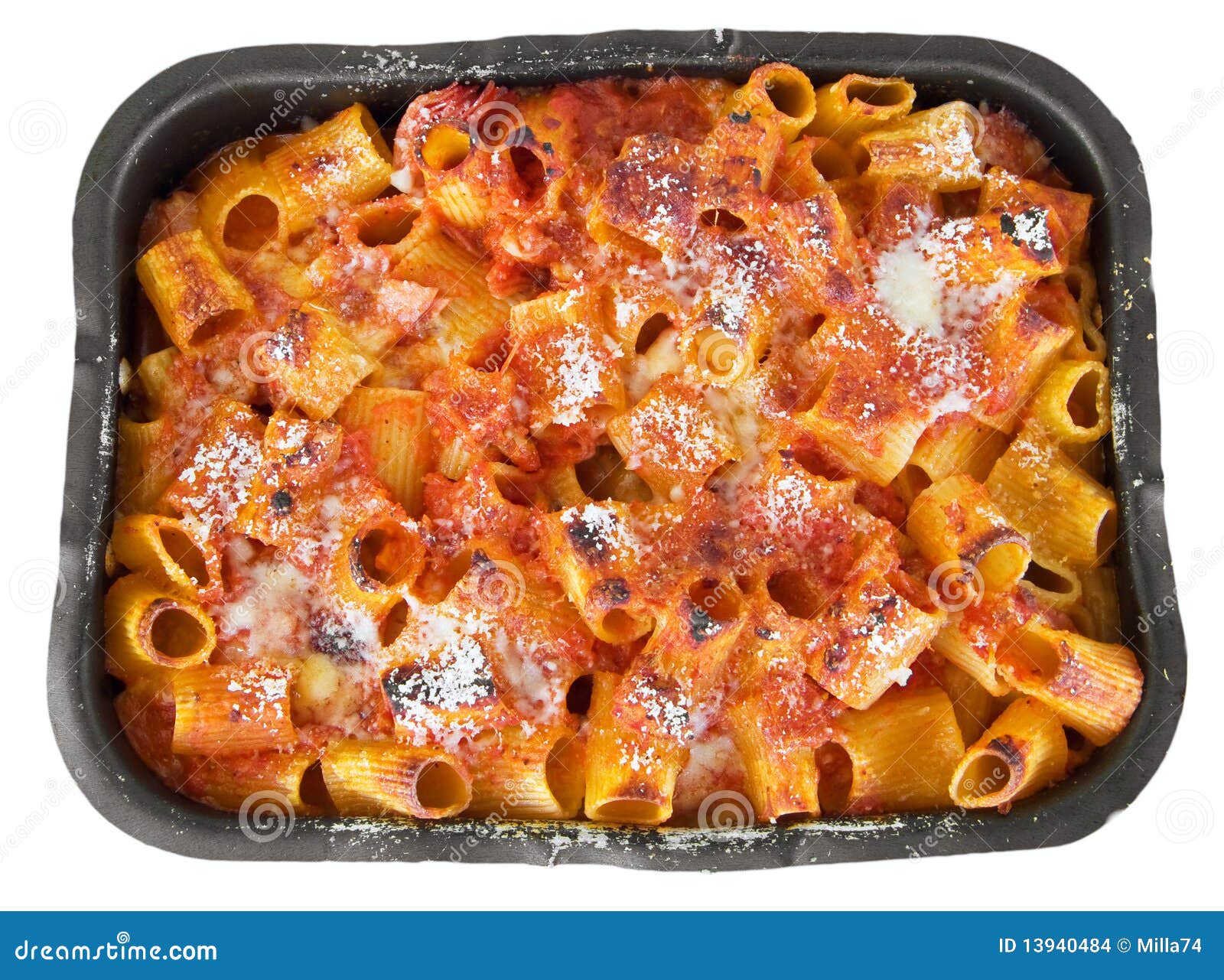
- Baking and Casseroles: Fold the soft pasta into a heavy cream or tomato-based sauce, top with aged cheeses, and bake at high heat until the surface dehydrates and forms a crust, masking the interior softness.
- Blended Soups: Utilize the overcooked pasta as a natural thickening agent in rustic vegetable or bean soups, where individual noodle structure is secondary to body and mouthfeel.
Frequently Asked Questions
What is overcooked pasta like in terms of texture?
Overcooked pasta is mushy, soft, gummy, and lacks any firm resistance or elasticity when bitten. It tends to stick together in clumps and feels overly pasty in the mouth.
Can overcooked pasta be saved?
Yes, overcooked pasta can be repurposed by pan-frying it until crispy, incorporating it into a baked casserole with cheese, or blending it into a hearty soup as a thickener.
Why does overcooked pasta ruin sauce consistency?
Overcooked pasta releases an excessive amount of loose starch into the dish, which interferes with the proper emulsification of pasta water and oil- or cheese-based sauces, causing the sauce to pool separately.
How can I tell if my pasta is overcooked before tasting it?
You can visually inspect the pasta for excessive swelling, loss of shape definition, a semi-translucent or washed-out color, and cloudiness in the surrounding cooking water.
Does the type of wheat affect how easily pasta overcooks?
Yes, pasta made from 100% high-protein durum wheat semolina has a stronger gluten matrix that resists overcooking longer than lower-protein commercial wheat pasta.
Conclusion
Understanding what overcooked pasta is like empowers culinary enthusiasts to refine their boiling techniques, respect the science of starch gelatinization, and master the art of the perfect al dente preparation. By monitoring cooking times, utilizing proper water volumes, and applying intelligent salvage strategies when accidents happen, you can elevate every pasta dish from a starchy mishap to a balanced culinary experience.
Image Gallery