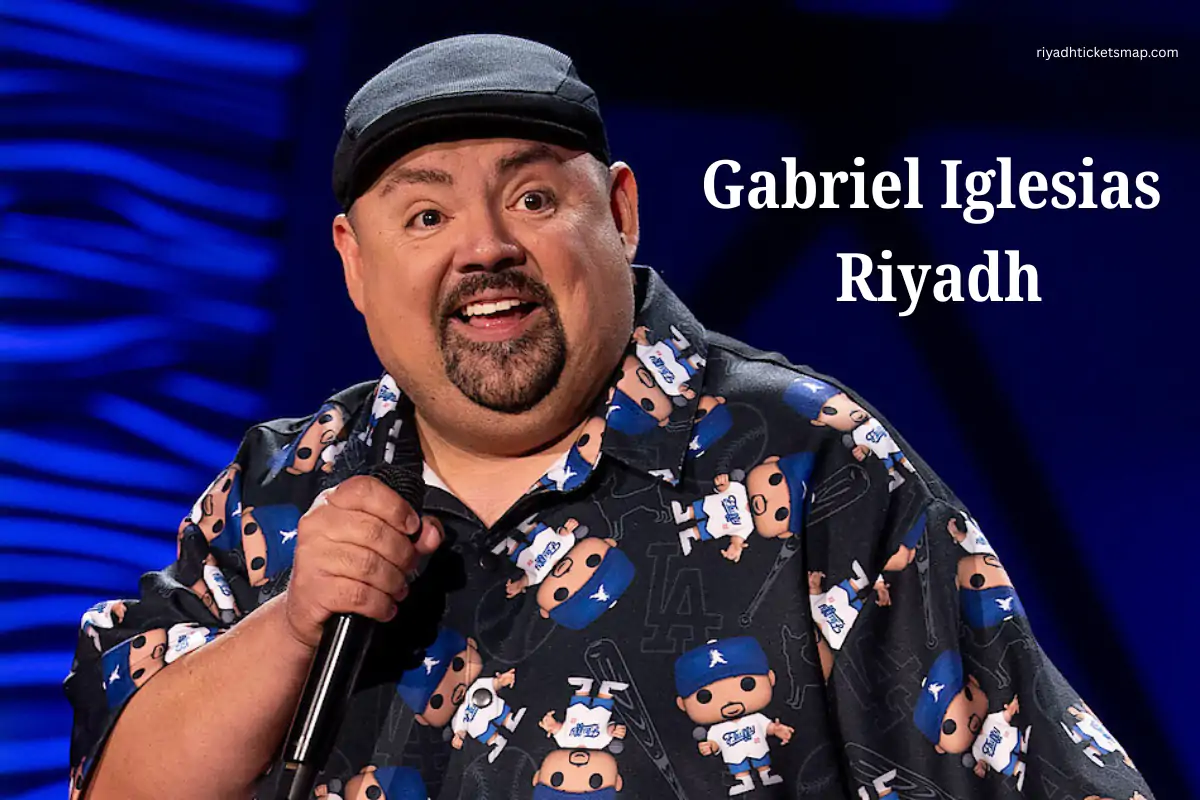
The Genesis of Fluffy: When Did Gabriel Iglesias Start Comedy?
Gabriel Iglesias, widely known by his stage nickname "Fluffy," began his professional stand-up comedy career in the mid-1990s, performing at local open mics, roadside clubs, and any available venue across Southern California while simu...
Gabriel Iglesias, widely known by his stage nickname "Fluffy," began his professional stand-up comedy career in the mid-1990s, performing at local open mics, roadside clubs, and any available venue across Southern California while simultaneously working to build a distinct comedic identity.
Contents
Introduction to Gabriel Iglesias and the "Fluffy" Persona
For millions of comedy fans worldwide, Gabriel Iglesias is synonymous with uproarious laughter, vivid storytelling, and his self-described "fluffy" physique. Understanding the timeline of when he started comedy requires looking back at the early struggles of a young comic navigating the circuit in Southern California. Long before selling out stadiums like Dodger Stadium or headlining global Netflix specials, Iglesias was a young man with a passion for impressions and a desire to make people laugh through difficult circumstances.
Resolving any ambiguity regarding his career timeline involves distinguishing between his early childhood fascination with comedy, his initial open-mic performances in the mid-1990s, and his eventual breakout success on television in the early 2000s. While he spent years honing his craft in obscurity, his professional footprint expanded significantly following appearances on networks like Comedy Central. This comprehensive guide explores the exact timeline of his career launch, the milestones that defined his rise, and the foundational elements that turned a struggling amateur into a global comedy icon.
Early Beginnings: The Mid-1990s Stand-Up Roots
Gabriel Iglesias traces his love for comedy back to his childhood in San Diego and Riverside, California, where he used humor as a coping mechanism during turbulent family times. However, the official starting point of his professional journey took place in 1997. During this period, Iglesias made the definitive pivot from amateur enthusiast to working comic.
Working odd jobs by day—including a stint at a cell phone company—Iglesias spent his nights driving across Southern California to perform wherever he could secure stage time. These early years were characterized by:
- Performing in front of sparse crowds in biker bars, local pubs, and taco shops.
- Earning little to no money, often trading performance sets for free meals or drink tickets.
- Developing his signature style, which heavily integrated sound effects, character voices, and observational humor about his Mexican-American upbringing.
During these formative years, the comedy landscape was vastly different from today's digital era. Comics relied heavily on physical flyers, word-of-mouth, and cassette tapes to build a following. Iglesias embraced the grind, taking every piece of feedback from veteran headliners and using it to tighten his act.
Defining Milestones in the Early Career Timeline
To fully understand when and how Gabriel Iglesias established his footing in the entertainment industry, it is helpful to examine the sequential progression of his early career milestones. The table below outlines key transitional phases from his initial open-mic days to his first major television exposure.
| Phase / Year Range | Professional Milestone | Significance to Career |
|---|---|---|
| 1997 | Full-Time Pursuit of Stand-Up | Committed entirely to the local Southern California comedy circuit, performing nightly open mics. |
| Early 2000s | Sketch Comedy and Minor TV Roles | Appeared on Nickelodeon’s All That and various independent sketch projects, expanding his on-camera experience. |
| 2003 | BET’s ComicView | Provided one of his earliest national television platforms, introducing his act to a broader audience outside of California. |
| 2006 | Comedy Central Presents Half-Hour Special | Marked his official breakthrough, showcasing his signature "fluffy" routine and driving massive viral interest on early internet video platforms. |
Transition to National Prominence
The turning point for Iglesias occurred in the mid-2000s when television networks began recognizing the broad appeal of his storytelling. His 2006 appearance on Comedy Central Presents was a watershed moment. In this special, he famously categorized men into six types of fat—ranging from "big" to "oh hell no"—with "fluffy" serving as the middle tier.
This specific bit resonated deeply with audiences, transforming from a simple joke into a permanent moniker and a powerful personal brand. Following this exposure, Iglesias transitioned from playing small clubs to headlining major comedy theaters across the United States. His ability to bridge cultural gaps through universally relatable family dynamics and self-deprecating humor widened his demographic appeal, setting the stage for international touring.
Evolution of the Fluffy Brand and Global Expansion
Once Iglesias established his comedic identity, he leveraged modern media platforms to expand his reach globally. By the late 2000s and early 2010s, he pioneered the use of social media and digital distribution to connect directly with fans, bypassing traditional gatekeepers.
Key aspects of this expansion included:
- Theatrical Concert Films: Releasing feature-length concert films like Gabriel Iglesias: Hot and Fluffy (2007) and Aloha Fluffy (2013), which were self-produced and later distributed widely.
- International Touring: Expanding his tour routes to include sold-out shows across Europe, Asia, Australia, and Latin America.
- Netflix Partnership: Becoming one of the first comedians to secure multi-project deals with streaming giants, producing specials like Gabriel Iglesias: One Show Fits All (2019) and his scripted sitcom series Mr. Iglesias.
These strategic developments ensured that his career longevity extended far beyond traditional stand-up circuits, cementing his status as a multimedia entertainment mogul.
Frequently Asked Questions
When did Gabriel Iglesias officially start doing stand-up comedy?
Gabriel Iglesias began pursuing stand-up comedy professionally in 1997, performing at open mics and local venues throughout Southern California while working day jobs to support himself.
Where did the nickname "Fluffy" come from?
The nickname originated from his 2006 Comedy Central special, where he joked about men's body types and stated that he was not fat, but rather "fluffy." The term immediately caught on with fans and became his signature brand.
What was Gabriel Iglesias's first major television breakthrough?
His major television breakthrough occurred in 2006 with his half-hour stand-up special on Comedy Central Presents, which significantly elevated his national profile and launched his career into mainstream prominence.
Has Gabriel Iglesias acted in movies and television outside of stand-up?
Yes. Alongside his extensive stand-up catalog, Iglesias has voiced characters in numerous animated films—including The Nut Job, Coco, Ferdinand, and Space Jam: A New Legacy—and starred in his own Netflix sitcom, Mr. Iglesias.
How has his comedy style evolved since the late 1990s?
While his core reliance on character voices, sound effects, and personal anecdotes remains consistent, his material has matured to reflect his life experiences as a father, a touring celebrity navigating global cultures, and an aging industry veteran.
Final Recommendation and Next Actions
For fans looking to explore the evolution of Gabriel Iglesias's comedy, the most effective approach is to watch his career progression chronologically. Start with his foundational 2006 Comedy Central Presents special to see the exact routine that birthed the "fluffy" persona, then progress through his self-produced concert films and modern Netflix specials. This viewing path provides a clear appreciation of how a local Southern California open-mic comic built a historic, multi-decade global career.
Image Gallery