Navigating Quarterly Packages for Inmates in 2026: Official Guidelines, Vendor Rules, and Ordering Protocols
Understanding the structure, compliance requirements, and operational logistics of correctional care packages is essential for families supporting incarcerated loved ones. This guide focuses entirely on approved quarterly packages for...
Understanding the structure, compliance requirements, and operational logistics of correctional care packages is essential for families supporting incarcerated loved ones. This guide focuses entirely on approved quarterly packages for inmates, addressing the strict administrative frameworks enforced by departments of corrections and authorized third-party vendors in 2026.
Contents
The Evolution of Inmate Package Programs
Correctional facilities across the United States have steadily modernized their property and commissary systems to balance security with family connection. Historically, packages were assembled at home and mailed directly to facilities, creating severe security vulnerabilities regarding contraband interception. Today, state departments of corrections and federal institutions rely almost exclusively on pre-approved, third-party secure vendor networks.
In 2026, the administration of quarterly packages operates under tighter technological integration and stricter compliance matrices. Vendors such as Access Securepak, Union Supply Direct, and Walk-In packages coordinate directly with correctional authorities to ensure that every food item, article of clothing, hygiene product, or electronic accessory strictly matches institutional safety protocols.
Operational Security Note: Correctional facilities maintain zero-tolerance policies regarding unauthorized items. Attempting to send non-approved items through standard mail or using unauthorized vendors results in immediate property confiscation, potential disciplinary action for the inmate, and the permanent barring of the sender from approved visitor and package lists.
Authorized Third-Party Vendors and Secure Ordering Channels
Navigating the ordering process requires familiarity with authorized distributor catalogs. Each state department of corrections contracts with specific suppliers. Attempting to order from an unverified vendor will lead to order cancellation and financial processing delays.
- Access Securepak: Operates in numerous state and federal facilities, providing robust quarterly and holiday package options ranging from snack foods to seasonal clothing.
- Union Supply Direct: Specializes in clothing, footwear, electronics, and specialized dietary food packages tailored to regional institutional guidelines.
- Walk-In / Jail ATM: Frequently utilized for local county jails and regional detention centers, allowing quick turnaround for basic hygiene and commissary bundles.
Families must verify the correct facility code, inmate identification number, and housing unit before finalizing any transaction. Even a minor typographical error in the inmate identification number can cause the package to be rejected at the receiving mailroom or classified as contraband property.
Detailed Breakdown of Permitted Quarterly Package Categories
Institutional guidelines dictate precise item limitations based on security classification, disciplinary standing, and available facility storage space. The following table provides a comprehensive overview of standard product categories, permitted items, and strict exclusions enforced across most correctional systems in 2026.
| Category | Permitted Items (Typical 2026 Guidelines) | Strictly Prohibited Items | Security & Operational Rationale |
|---|---|---|---|
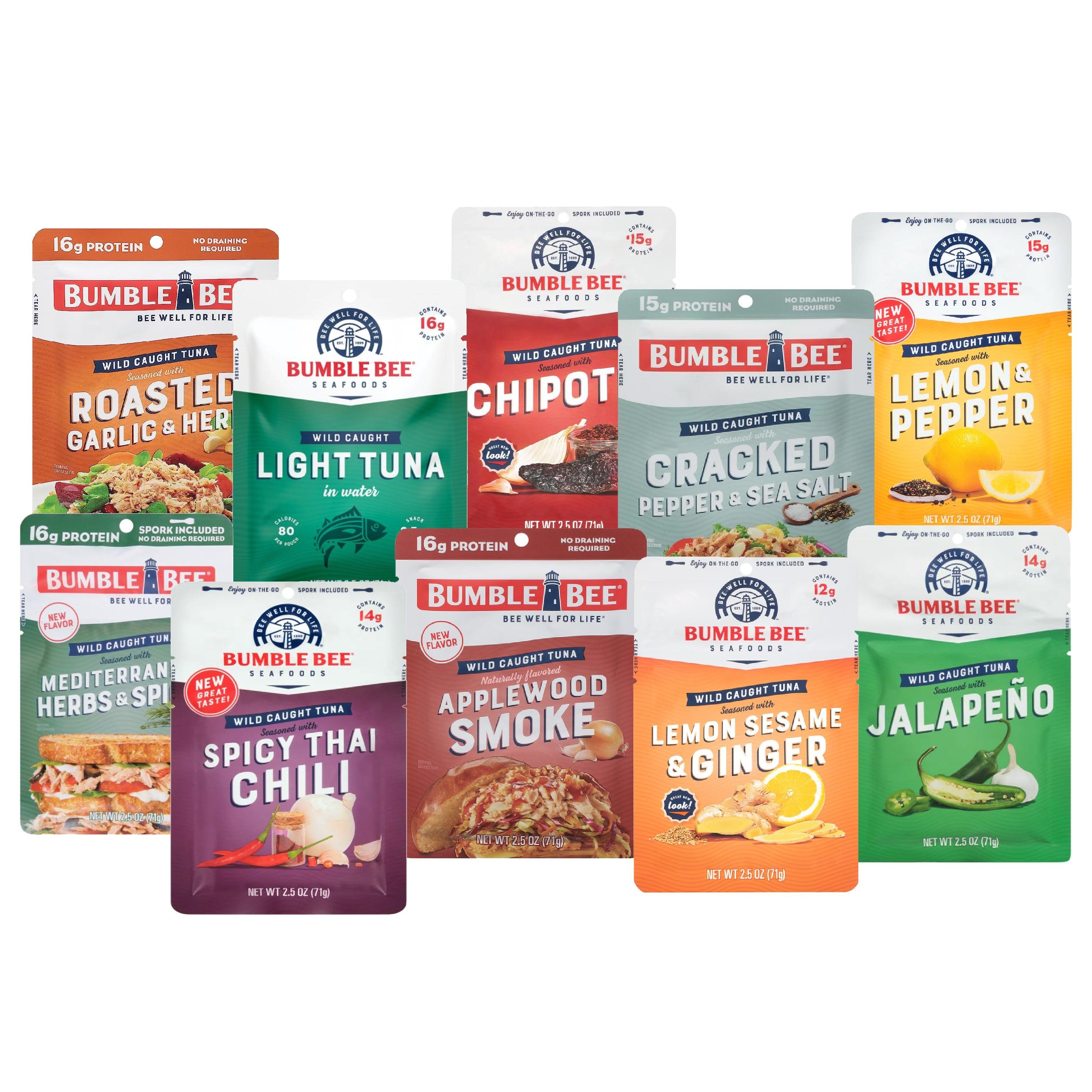
| Food & Snacks | Individually sealed coffee, teas, candies, protein bars, processed meats in foil pouches. | Glass containers, metal cans, fresh fruit, homemade items, yeast, alcohol-based extracts. | Glass and metal create potential weapons; fresh food introduces pests and fermentation risks. |
| Clothing & Footwear | Plain white or approved color t-shirts, thermal underwear, socks, athletic shoes without metal shanks. | Hooded sweatshirts, jackets with zippers, blue denim, items containing steel toes. | Uniformity is required for security identification; zippers and metal shanks bypass metal detectors. |
| Hygiene & Grooming | Alcohol-free deodorants, clear plastic-handled toothbrushes, approved shampoos, lotions. | Alcohol-based mouthwash, glass perfume bottles, aerosol sprays, metal grooming tools. | Alcohol content can be extracted; aerosol containers can be punctured to create pressurized hazards. |
| Electronics & Media | Facility-approved MP3 players, authorized digital music downloads, calculated reading lights. | Devices with recording capabilities, Wi-Fi connectivity, cameras, unapproved media cards. | Prevents illicit communication, unauthorized recording of facility operations, and cyber threats. |
Step-by-Step Guide to Ordering and Delivering Packages Successfully
To ensure that your quarterly package reaches your incarcerated loved one without administrative rejection, follow this structured execution plan:
- Verify Inmate Eligibility: Confirm that the inmate's current custody level and disciplinary status permit them to receive quarterly packages. Inmates in disciplinary segregation or restrictive housing are frequently barred from receiving property packages.
- Consult the Current Catalog: Access the specific vendor portal designated for the facility. Review the updated 2026 catalog, as item availability changes seasonally based on supply chain adjustments and institutional policy revisions.
- Gather Accurate Recipient Data: Ensure you possess the inmate's full legal name, correct Department of Corrections (DOC) identification number, housing assignment, and exact facility mailing address.
- Select Approved Items Within Spending Caps: Adhere strictly to institutional spending limits and item quantity caps. Do not attempt to bypass limits by placing multiple overlapping orders within the same quarter.
- Complete Secure Payment Processing: Use accepted payment methods (such as verified debit or credit cards) through the authorized vendor platform. Retain all transaction confirmation numbers and digital receipts until delivery is confirmed.
- Track and Monitor Delivery: Utilize the vendor's tracking interface to monitor shipment milestones from warehouse processing to final institutional mailroom sign-off.
Comparative Analysis: Quarterly Packages vs. Regular Commissary
Families often weigh the financial and logistical pros and cons of utilizing quarterly package programs versus funding weekly commissary accounts. Each method serves a distinct purpose in supporting an inmate's daily life.
- Quarterly Packages:
- Pros: Offers bulk savings on specialty items, clothing, and electronics that may not be available on standard weekly commissary lists. Provides a morale boost through seasonal selections.
- Cons: Strict scheduling windows (limited to four times per year), high risk of order rejection due to minor policy infractions, and upfront lump-sum financial requirements.
- Weekly Commissary:
- Pros: High flexibility, allows small incremental spending, immediate fulfillment of basic hygiene and snack needs.
- Cons: Higher cumulative pricing, limited inventory compared to vendor catalogs, subject to weekly spending caps determined by facility grade.
Frequently Asked Questions About Quarterly Packages
What happens if an item in a quarterly package is rejected by the facility mailroom?
Rejected items are typically confiscated, destroyed, or returned to the vendor at the sender's expense, depending on specific state DOC policy. Vendors rarely issue full cash refunds for items rejected due to institutional rule violations, making catalog verification critical prior to purchase.
Can I send homemade food or baked goods through a quarterly package program?
No. All correctional facilities strictly prohibit homemade food, unsealed goods, or items not sourced directly through contracted, authorized third-party vendors.
How are delivery dates scheduled for quarterly packages?
Delivery schedules are determined by the facility's mailroom processing capacity and the specific quarterly ordering windows (e.g., Spring, Summer, Fall, Winter). Packages usually arrive within two to four weeks following the close of the ordering cycle.
Are spending limits imposed on quarterly packages uniform across all facilities?
No. Spending limits vary widely by state, security level, and facility type. A maximum limit of $100 might apply in one medium-security facility, while another institution permits up to $150 per quarter.
Can family members pool their money to purchase a single large package?
Most institutions restrict orders to a single verified buyer account per inmate per quarter to prevent trafficking and maintain clear financial auditing trails. Check specific vendor terms of service regarding shared funding.
Ensuring Seamless Support Through Compliance
Supporting an incarcerated individual requires strict adherence to institutional guidelines and proactive monitoring of regulatory changes. By utilizing authorized vendors, verifying catalog specifications, and respecting spending thresholds, you ensure reliable delivery and maintain positive communication channels. For active assistance, consult your loved one's facility administration portal or the designated customer service desk of the authorized state vendor.
Image Gallery