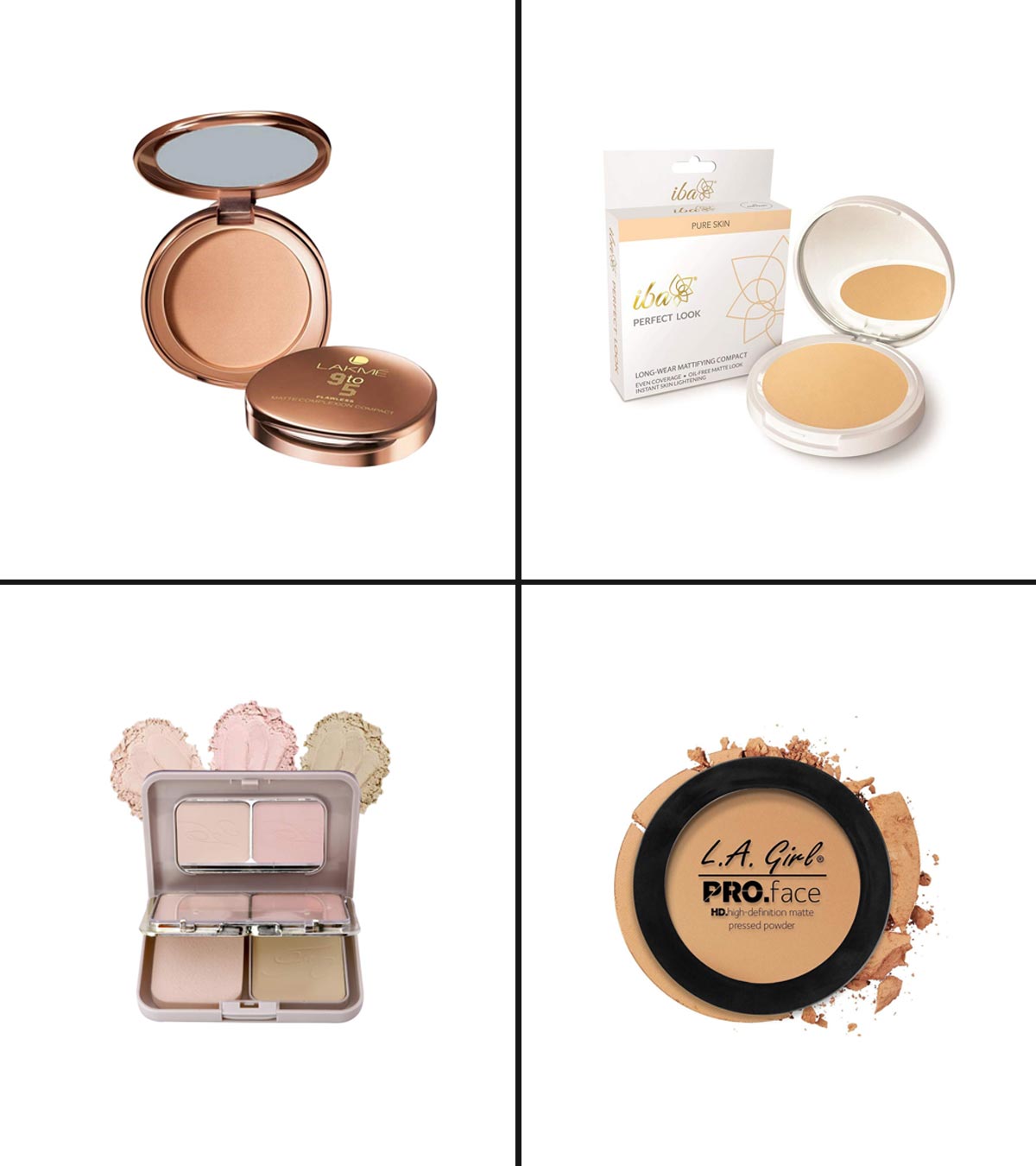
Best Compact Powders for Every Skin Need
Selecting the best compact powder requires balancing your specific skin type with desired coverage and finish. Whether you need a mattifying formula for oily skin, a hydrating pressed powder for dryness, or a blurring effect for mature...
Selecting the best compact powder requires balancing your specific skin type with desired coverage and finish. Whether you need a mattifying formula for oily skin, a hydrating pressed powder for dryness, or a blurring effect for mature skin, the modern market offers advanced hybrid formulations that combine skincare benefits with high-performance pigments.
Contents
Finding the ideal compact powder is no longer just about masking shine; it is about enhancing the skin's natural texture while providing a functional barrier against environmental stressors. In 2026, the evolution of cosmetic chemistry has shifted toward "skin-centric" formulations. This means powders are now infused with active ingredients like hyaluronic acid, niacinamide, and stabilized vitamin C, allowing the product to treat the skin throughout the day.
Understanding Your Skin Need: The Foundation of Choice
Before selecting a product, you must identify your primary skin concern. Compact powders generally fall into three categories: setting powders, finishing powders, and powder foundations. A setting powder is designed to lock liquid products in place and prevent creasing. A finishing powder is used as a final step to blur pores and fine lines, often containing light-reflecting particles. A powder foundation offers higher pigment concentrations to provide standalone coverage.
Oily and Acne-Prone Skin Needs
For those with high sebum production, the priority is oil absorption and pore refinement. Traditional talc-based powders have largely been replaced by more advanced minerals and botanical starches. Look for ingredients like silica and perlite, which can absorb several times their weight in oil without becoming cakey. For acne-prone individuals, non-comedogenic certifications are vital to ensure the powder does not clog pores or exacerbate breakouts.
Dry and Dehydrated Skin Needs
Dry skin often struggles with powders clinging to dry patches or settling into texture. The best compact powders for this demographic utilize milled minerals coated in emollients like squalane or jojoba oil. These "creamy" powders provide a soft-focus finish without stripping the skin of its essential moisture. In 2026, many high-end formulations use encapsulated water technology, which releases a cooling, hydrating sensation upon application.
Mature Skin and Fine Lines
Mature skin requires a delicate touch. Heavy, matte powders can accentuate wrinkles and loss of elasticity. Instead, look for finely milled, light-diffusing powders that utilize mica or synthetic fluorphlogopite. These ingredients create a "soft-focus" effect, optically blurring imperfections rather than filling them with heavy pigment. Ingredients such as peptides or collagen-boosting actives are often included in these premium compacts to provide long-term structural support to the skin.
Technical Specifications: Ingredients to Look For in 2026
The efficacy of a compact powder is dictated by its particle size and the coating of those particles. Standard drugstore powders often have larger particle sizes, which can lead to a "heavy" feel. Professional and luxury powders utilize micronization, a process that reduces particles to a size that allows them to lay flat on the skin’s surface, reflecting light more uniformly.
Key Functional Ingredients
- Zinc Oxide and Titanium Dioxide: These provide physical sun protection and soothe inflammation, making them excellent for sensitive or rosacea-prone skin.
- Boron Nitride: A lubricant that increases the "slip" of the powder, allowing for a smoother application and a subtle glow.
- Niacinamide (Vitamin B3): Often included in 2026 formulations to regulate oil production and improve the skin barrier over time.
- Rice Starch: A natural alternative to talc that offers superior oil absorption with a more natural, skin-like finish.
The shift away from talc has been a defining trend in the 2020s due to health and ethical concerns. Modern alternatives like cornstarch, mica, and kaolin clay provide similar performance without the associated risks. Furthermore, many brands now prioritize "Ethical Mica" sourcing to ensure supply chains are free from child labor, a standard that has become a consumer requirement by 2026.
Comparison of Leading Compact Powders by Category
The following table compares the top-performing compact powders based on their primary skin need and technical attributes.
| Skin Need | Recommended Formula Type | Key Active Ingredient | Finish | Coverage |
|---|---|---|---|---|
| Oily / Shiny | Ultra-Matte Pressed | Silica / Perlite | Flat Matte | Medium to Full |
| Dry / Flaky | Hydrating Cream-to-Powder | Squalane / Hyaluronic Acid | Dewy / Satin | Light to Medium |
| Mature | Soft-Focus Blurring | Synthetic Fluorphlogopite | Luminous | Sheer |
| Sensitive | Mineral-Based | Zinc Oxide / Allantoin | Natural | Medium |
| Combination | Balancing Hybrid | Rice Starch / Vitamin E | Natural Matte | Buildable |
Professional Application Techniques for Maximum Efficacy
The method of application can drastically change how a compact powder performs on the skin. While many powders come with a sponge or puff, these tools are not always the best choice for every skin need.
The Velvet Puff for Longevity
To achieve maximum oil control and a "poreless" look, the pressing and rolling technique with a velvet puff is most effective. Instead of swiping the powder across the face—which can disturb the underlying foundation—press the puff into the skin and roll it slightly. This "sets" the makeup into the skin’s texture, providing a more durable finish that lasts throughout the day.
The Large Tapered Brush for Dry Skin
For those with dry skin, a puff often deposits too much product. A large, fluffy, tapered brush allows for a light dusting of powder only where necessary, such as the T-zone. This prevents the "mask-like" appearance that often plagues dry skin types. Ensure you tap off the excess powder from the brush before it touches your face to maintain a sheer, natural look.
The Damp Sponge for High Coverage
If using a powder foundation for maximum coverage, a slightly damp beauty sponge can be used to pick up the product. This creates a more "skin-like" texture by partially rehydrating the powder particles, allowing them to fuse with the skin rather than sitting on top of it.
Common Mistakes to Avoid
Even the best compact powder will fail if applied incorrectly. One of the most common errors is over-powdering. In 2026, the trend has moved toward "targeted powdering," where the product is applied only to the center of the forehead, the sides of the nose, and the chin. Leaving the cheekbones unpowdered maintains a youthful, healthy glow.
Another mistake is applying powder over unabsorbed skincare. If your moisturizer or SPF has not fully set, the powder will grab onto the damp spots, creating an uneven, blotchy finish. Wait at least two to three minutes after your last skincare step before applying any powder products.
Finally, ensure you are cleaning your application tools. Puffs and brushes trap oils and bacteria from your face. Using a dirty applicator can lead to "hard pan"—a condition where the oils from your skin create a hardened crust on top of the pressed powder, making it impossible to pick up any product.
Sustainability and Refillable Systems in 2026
By 2026, the beauty industry has made significant strides in reducing plastic waste. Most premium compact powders now feature refillable packaging. This allows consumers to keep the high-quality outer case (often made of weighted metal or recycled composite) and simply replace the internal metal pan.
When choosing a compact, look for brands that offer these refill systems. Not only does this reduce environmental impact, but it also lowers the cost of the product over time, as refills are typically priced lower than the initial full-package purchase. Many brands have also transitioned to compostable outer boxes and soy-based inks for their secondary packaging.
FAQ
Can I use compact powder if I have very dry skin?
Yes, but you must choose a formula specifically labeled as hydrating or "cream-to-powder." These versions contain higher levels of emollients like squalane or specialized oils that prevent the powder from absorbing the skin's natural moisture. Avoid "mattifying" or "oil-control" powders, as these will likely emphasize dryness and fine lines.
Is talc-free powder better for my skin?
While talc is a traditional cosmetic ingredient, many modern consumers prefer talc-free options to avoid potential contaminants. In terms of performance, talc-free powders using cornstarch or rice starch often provide a more transparent, less "chalky" finish, which many find superior for natural makeup looks.
How do I stop my powder from looking cakey?
Caking is usually caused by using too much product or applying it over a heavy layer of liquid foundation. To prevent this, use a setting spray after your powder application. The moisture in the spray helps the powder particles "melt" into the skin, removing the powdery residue and creating a more seamless, integrated finish.
What is the difference between pressed powder and loose powder?
The primary difference is the binder. Pressed powders (compacts) contain binding agents like oils or waxes to keep the powder in a solid form. This makes them portable and provides slightly more coverage. Loose powders contain fewer binders and are generally finer, making them better for "baking" or setting large areas of the face without adding weight.
Does compact powder expire?
Yes, most compact powders have a shelf life of 12 to 24 months. Because they are anhydrous (do not contain water), they last longer than liquids. However, once the oils from your skin are transferred to the product via an applicator, bacteria can begin to grow. If the powder changes scent, color, or develops a hard film on top, it is time to replace it.
Recommendation for Next Actions
To find your perfect match, start by determining your skin's behavior over an eight-hour period. If you are shiny within two hours, prioritize an oil-absorbing formula with silica. If your skin feels tight by noon, look for a squalane-infused hydrating powder.
Once you have identified your skin need, invest in a high-quality, refillable compact from a reputable brand. Prioritize micronized formulas for a more natural look, and always use a clean applicator. For those concerned with long-term skin health, look for "active" powders that include SPF and antioxidants to provide an extra layer of protection throughout the day.
Image Gallery